
























Plantronics SDS 2490-02 SupraPlus Dynamic Headset for Dispatch
The Plantronics SDS 2490 isn't an office headset
In a 911 center or a radio dispatch console, the microphone has one job to do perfectly: get the operator's voice through clean, every time, over a room full of noise. The Plantronics SDS 2490-02 SupraPlus Dynamic headset was engineered for exactly that environment — and it connects nothing like the headset you'd plug into a desk phone.
The clue is in the name. In Plantronics' own naming, "SDS" marks a SupraPlus built with a dynamic-type microphone — the rugged, broadcast-style mic used in two-way radio and dispatch consoles, not the bias-powered electret mic inside a standard office headset. That one difference shapes everything: how the SDS 2490 connects, what it rejects, and where it belongs.
Why the SDS 2490 won't plug into your office amplifier
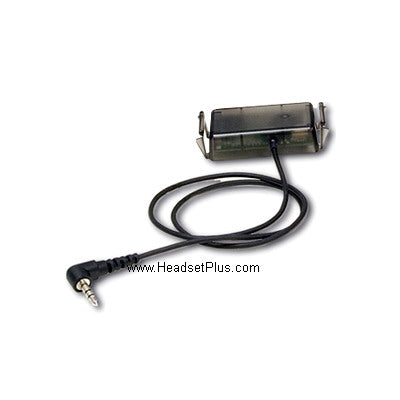
The Plantronics SDS 2490 ends in a familiar Plantronics H-series Quick Disconnect, but it is not compatible with the standard QD amplifiers — the M22, AP15, or MDA524. Its dynamic microphone is built for the inputs on dispatch consoles and two-way radios, which expect a dynamic mic; the office amplifiers expect an electret mic with bias power, so the two don't speak the same electrical language. To run the SDS 2490, you connect it to a dynamic-mic host system, usually through a specific push-to-talk (PTT) adapter or cable matched to your console or radio.
Emergency dispatch and 911 consoles, air traffic control positions, two-way radio systems, and other dynamic-mic host equipment — connected through the correct PTT adapter or interface cable for your hardware.
Standard Plantronics QD office amplifiers (M22, AP15, MDA524) and regular desk phones. The Quick Disconnect fits, but the dynamic microphone won't function on an electret-mic amplifier.
Confirm these before you order
This is built-to-order and non-returnable, so the fit work happens before the purchase, not after it arrives.
- Your host system accepts a dynamic mic. A dispatch console, radio, or recorder input rated for a dynamic microphone — not an office headset amplifier.
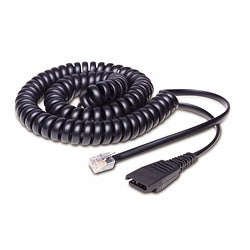
- The matching PTT adapter or interface cable. The SDS 2490 terminates in a Plantronics H-series QD; you supply the adapter or cable that bridges that QD to your specific console or radio.
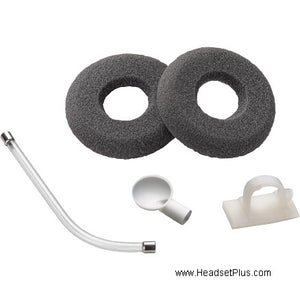
- Optional circumaural leather cushions. The SupraPlus leather ear-cushion kit (sold separately) seals tighter than the standard foam for an extra layer of isolation in very loud rooms.
Built to cut through a loud operations room
The SDS 2490's dynamic noise-canceling microphone sits on an extended boom that, per the headset's published spec, blocks close to 75% of surrounding noise before it ever reaches the transmission. In a dispatch room — radios, alarms, a dozen operators talking at once — that's the difference between a caller hearing your operator and your operator repeating every other word.
Built on the proven SupraPlus HW251N platform, the SDS 2490 line carries an extended frequency response (roughly 100 Hz to 10 kHz) that favors voice intelligibility over music-style range — the goal is clarity under pressure, not hi-fi.
Monaural by design, for shift-long wear
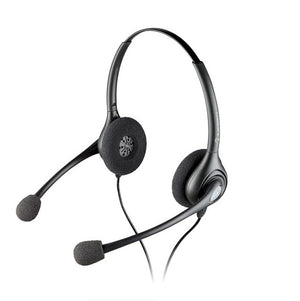
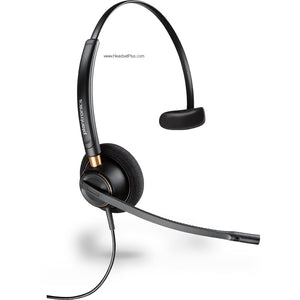
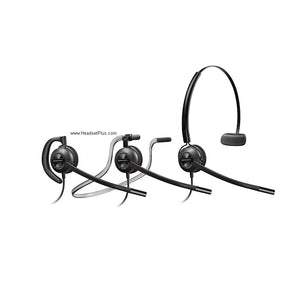
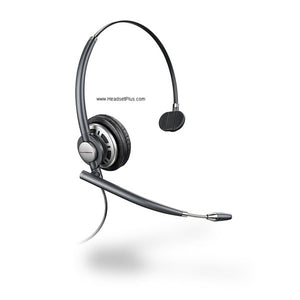
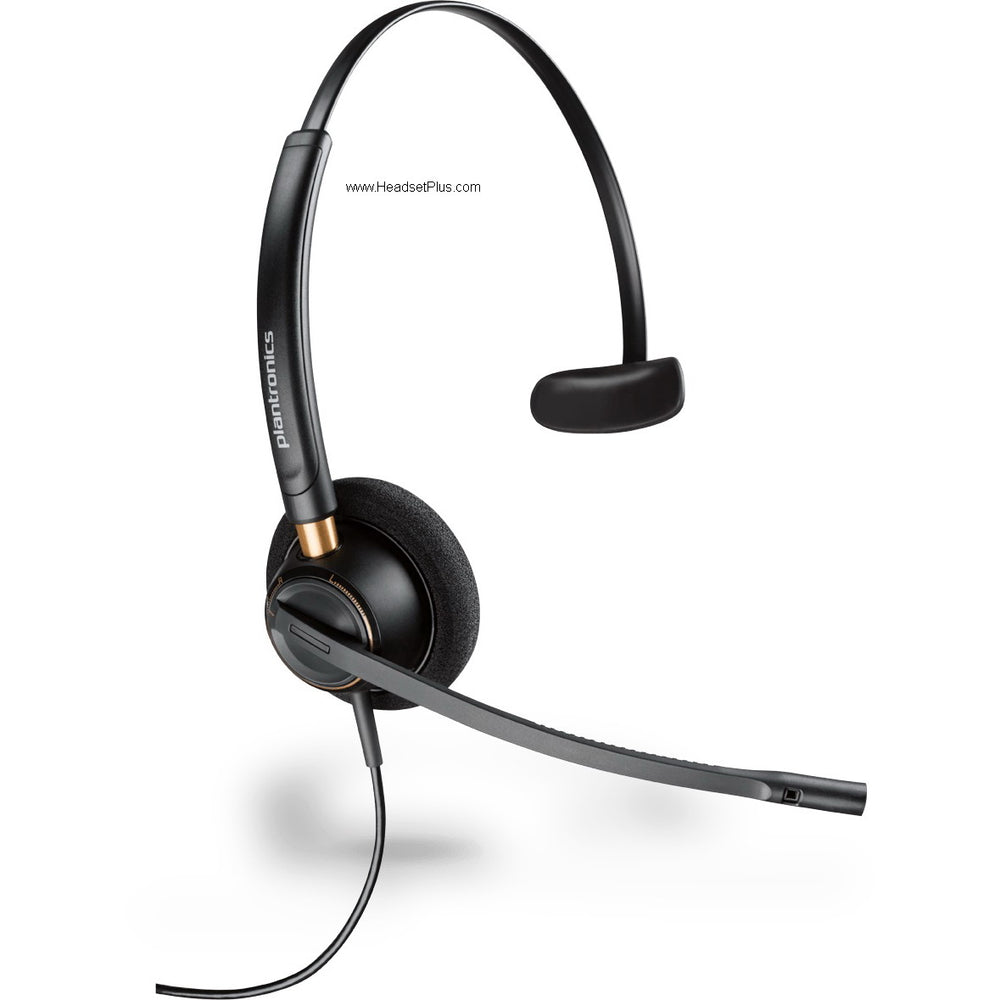
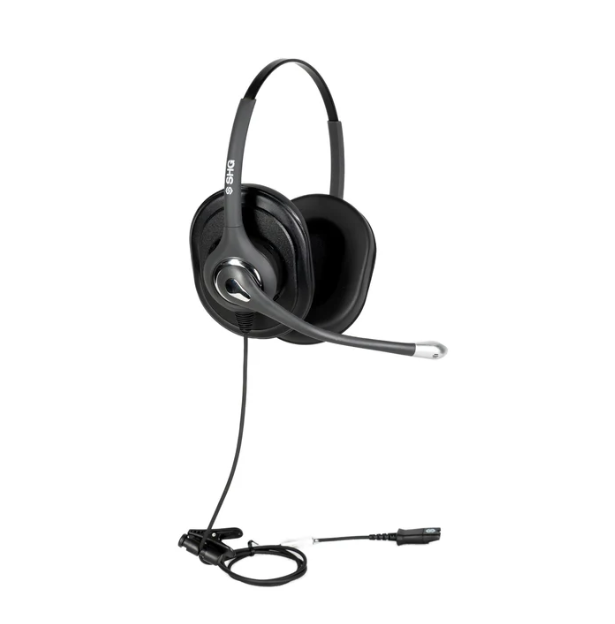
The SDS 2490-02 is a single-ear, over-the-head headset, and that's deliberate. One ear covered for the radio or caller, one ear open so the operator stays aware of the room, a supervisor, or a second channel. The SupraPlus frame is light enough for a full 12-hour shift, with an adjustable headband and soft cushions over a single semi-open earpiece.
Made to be specified, not impulse-bought
A single robust cable with polyurethane jacketing runs to the Quick Disconnect — fewer failure points than a multi-piece assembly, and a jacket meant to survive years of being pushed back, pulled, and rolled over by a chair. This is equipment you spec into a console build and keep, not a headset you cycle through every season.
For a dispatch center, a garbled transmission isn't measured in dollars — it's measured in the seconds an operator loses repeating a critical instruction. The SDS 2490 exists to remove that failure point: a dynamic mic matched to console and radio audio, noise rejection built for a loud room, and a build meant to outlast years of continuous shifts. Spec it for the position where the message has to land the first time.
- Plantronics SDS 2490-02 SupraPlus Dynamic monaural headset
- Single PU-jacketed cable with Plantronics H-series Quick Disconnect
- Foam ear cushion (fitted)
- User guide
Ordered separately, not included: the PTT adapter or interface cable for your host system, and the optional SupraPlus circumaural leather ear-cushion kit.
| Base platform | Modified Plantronics SupraPlus HW251N |
|---|---|
| Wearing style | Monaural, over-the-head, semi-open |
| Microphone | Dynamic-type, noise-canceling, extended boom |
| Background noise reduction | Up to ~75% (published spec) |
| Frequency response | Extended, ~100 Hz–10 kHz (SDS 2490 line) |
| Receiver impedance | 150 Ω (per SDS 2490 line spec) |
| Connector | Plantronics H-series Quick Disconnect — NOT compatible with M22 / AP15 / MDA524 amplifiers |
| Cable | Single, polyurethane-jacketed |
| Intended use | Emergency dispatch, air traffic control, two-way radio, mission-critical comms |
| Availability | Built-to-order, ~8–10 week lead time |
| Returns | Non-returnable — all sales final |
| Warranty | 2-year manufacturer warranty (Plantronics/Poly) |
Software. The SDS 2490 is not a USB or UC device — there are no drivers, and it carries no Microsoft Teams, Zoom, or softphone certification. It delivers analog dynamic-microphone audio, which is precisely what dispatch consoles, recorders, and two-way radios are built to receive.
Hardware. Connect the SDS 2490 to a host system with a dynamic-mic input, using the PTT adapter or interface cable specified for your console or radio. The Plantronics H-series Quick Disconnect physically fits standard office amplifiers, but the M22, AP15, and MDA524 will not run this headset's dynamic microphone — confirm your equipment before ordering.
Platforms. The SDS 2490 is built for mission-critical environments: 911 and emergency dispatch, air traffic control, two-way radio operations, and transit, utility, or security control rooms where transmission clarity over heavy ambient noise is the whole job.
FAQ
Frequently Asked Questions
The Plantronics SDS 2490-02 is a single-ear headset built for mission-critical communications — 911 and emergency dispatch, air traffic control, and two-way radio. Its dynamic-type noise-canceling microphone is designed to push clear voice through a loud operations room, connected to a dispatch console or radio rather than a desk phone.
No. Although the Plantronics SDS 2490 ends in a standard Plantronics H-series Quick Disconnect, its dynamic microphone is not compatible with the M22, AP15, or MDA524 office amplifiers, which expect an electret mic. The SDS 2490 needs a dynamic-mic host system — a dispatch console or radio — connected through the correct PTT adapter or cable.
"Dynamic" is the microphone type, not a marketing term. The SDS 2490 uses a rugged, broadcast-style dynamic mic that needs no bias power and is the standard for two-way radio and dispatch audio. It's the reason the SDS 2490 belongs on a console rather than a desk phone.
Yes — that's what the SDS 2490 is made for. It connects to dispatch consoles, radios, and similar dynamic-mic host systems through a push-to-talk adapter or interface cable matched to your specific equipment, which is ordered separately.
The Plantronics SDS 2490-02 is custom built-to-order with a typical 8–10 week lead time, and all sales are final — it can't be returned or refunded. Because of that, confirm your console or radio accepts a dynamic mic before ordering. Defective units are replaced under the 2-year manufacturer warranty.
The SDS 2490-02 is monaural — a single covered ear, by design. Dispatch and control operators keep one ear open to stay aware of the room, a supervisor, or a second audio channel, so a one-ear headset is the intended configuration, not a limitation.
Goes With It
You May Also Like