

Jabra Headsets
Jabra headsets, built for people who live on calls
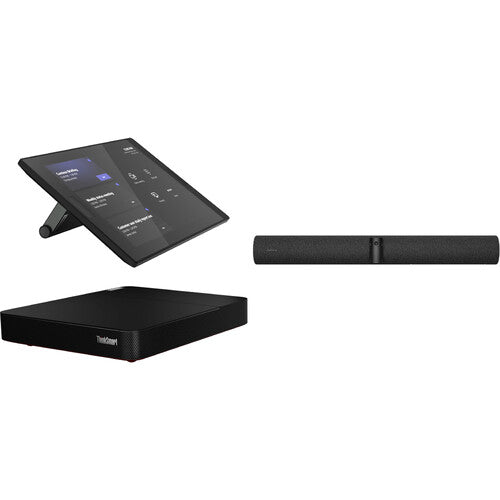
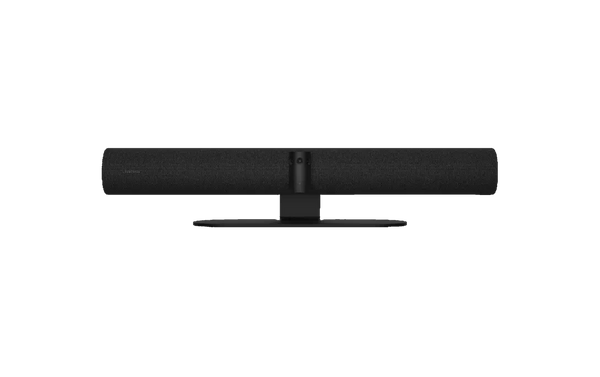
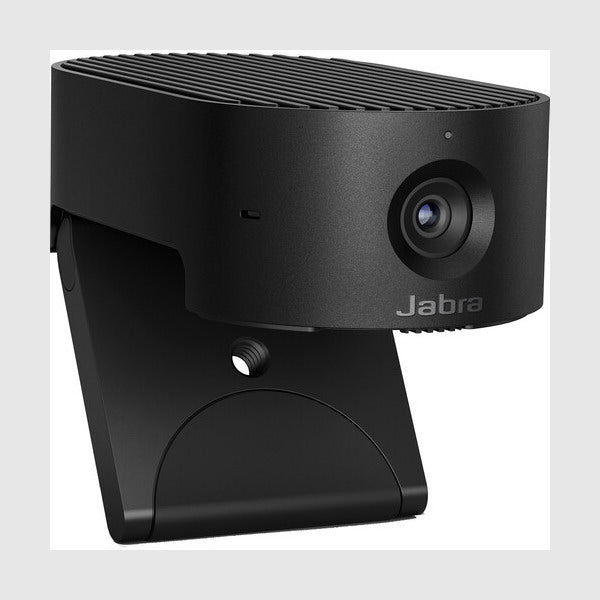
This is every Jabra headset we carry — the wired office models, the DECT and Bluetooth wireless headsets, the call-center workhorses, and the PanaCast cameras and room systems that cover the video side of the same desk.
The choice almost always comes down to one question: how much of your day runs through calls, and where you take them. A light call load at a fixed desk points one way; six hours of talk time across an open floor points somewhere else entirely. The guide below sorts that out.

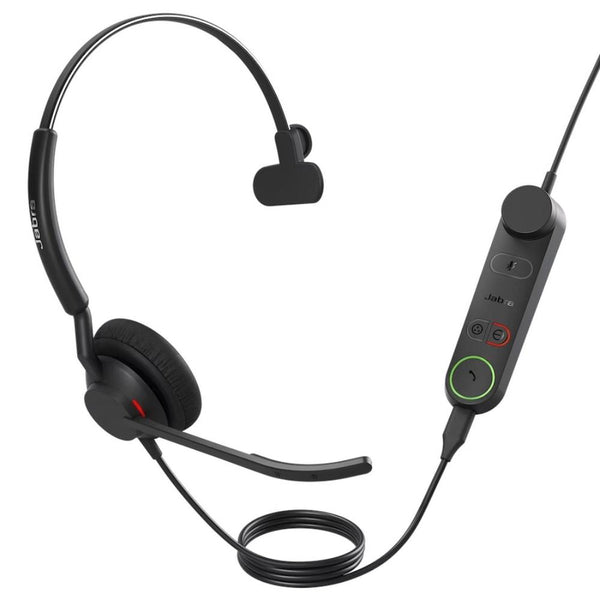
How to choose a Jabra office headset
Start with how you work, not with the price tag — the cheapest model that's wrong for your day is the one that gets returned, and that's the expensive mistake in this category. Three families cover almost everyone.
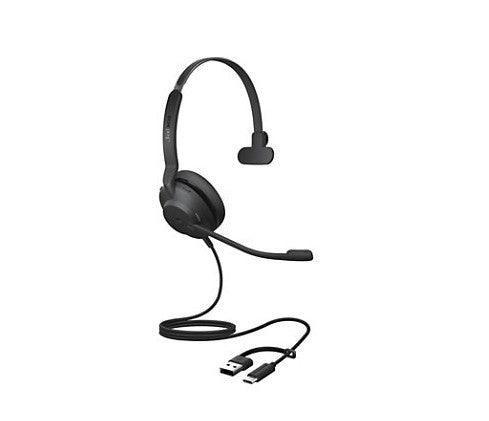
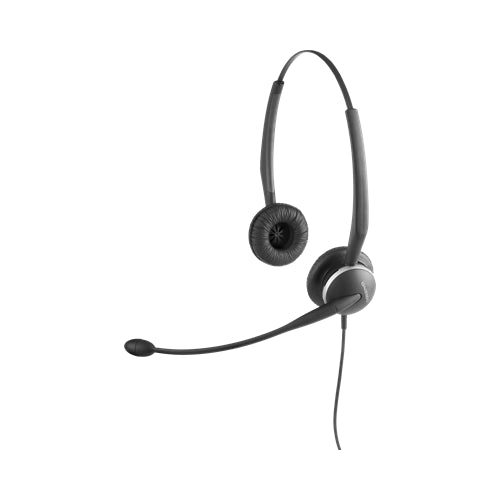
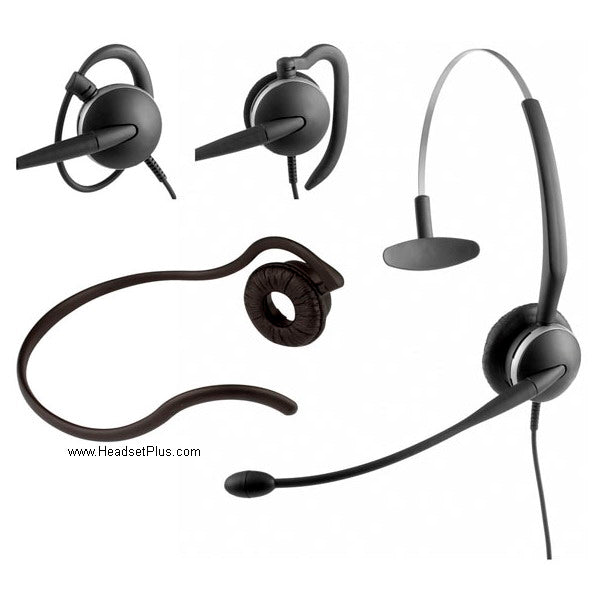
The Evolve2 line is the hybrid-work headset: Bluetooth plus a USB-C or USB-A dongle, paired to your laptop and phone at the same time, a busylight on the boom so the room knows not to interrupt, and noise-rejecting mics tuned for the open office. The Engage line is for people whose job is the phone — DECT wireless instead of Bluetooth, longer range, longer battery, and call security built for banking, healthcare, and government floors. And the long-running 2100 / GN series — the wired GN2124 Flex, the GN2125 binaural, the telecoil model built for hearing-aid users — still does the one thing a call center wants: plug into a deskphone or USB port and run all shift with no battery to think about.
The wireless decision is Bluetooth versus DECT, and the two aren't interchangeable.
Pairs to your laptop and mobile at once, travels in a bag, doubles as music headphones, and switches between devices on the fly. The right call for hybrid and remote work, where the headset leaves the desk.
One dedicated wireless band, far more range, and a connection that holds in a room full of other wireless devices. Tied to its base, but built for all-day call volume in a busy office or contact center.
Are Jabra headsets certified for Microsoft Teams?
Most lines carry a Teams-certified (MS) variant right alongside a UC variant, and the gap between them matters more than it looks. Any USB headset is technically "compatible" with Teams. A certified one is tested by Microsoft and adds a dedicated Teams button with an LED — so you answer a call, join a meeting, or catch a notification without hunting for the right window. The thing to know before you check out: the MS and UC versions often look identical, so confirm the variant in the title if Teams is your main platform. If it is, our Microsoft Teams Headsets collection narrows the grid to certified models only.
- A dedicated Teams button with status LED — answer, join, and see notifications without touching the keyboard
- The headset sets itself as the default Teams audio device the moment it connects
- Open-office noise cancellation vetted against Microsoft's standard, not just advertised
- Firmware and settings managed through Jabra Direct and kept current as Teams updates
- Still works with Zoom, Google Meet, Cisco and the other UC platforms — certification adds a layer, it doesn't lock you in
What you're actually buying when you buy Jabra
Here's the part most shoppers miss. In 2024, Jabra's parent company GN walked away from the consumer earbud business — the Elite and Talk lines — to put its money into exactly the enterprise gear on this page. The office headsets, the Engage DECT line, the PanaCast video kit: that's the part of the company that got the resources, not the sideline that got cut. The microphone arrays and noise rejection that built Jabra's name are now the main event, not a hand-me-down from the consumer side.
DECT is the clearest example of that engineering paying off. It runs on its own wireless band, away from the 2.4 GHz traffic jam that Wi-Fi and Bluetooth fight over — so on a floor packed with wireless devices, an Engage headset holds a clean line where a Bluetooth one starts to stutter.
One honest caveat on that number: 490 feet is line-of-sight. Walls and floors cut it down fast, so read it as "anywhere on your floor," not "anywhere in the building." Even halved, it's still room to grab coffee or walk to a colleague's desk without dropping the call — which is the entire reason to go wireless in the first place.
FAQ
Frequently Asked Questions
Most are. The Evolve2 and Engage lines both offer Teams-certified (MS) variants with a dedicated Teams button and status LED, and the UC variants of every model still work with Teams, Zoom, Google Meet, and Cisco. If Teams is your main platform, choose the MS variant for the button and automatic call control.
Evolve2 is the hybrid-work line — Bluetooth plus a USB dongle, multi-device pairing, and a busylight, built for people who split time between calls, meetings, and focused work. Engage is the call-intensive line — DECT wireless with longer range, longer battery, and higher call security, built for people who spend most of the day on the phone.
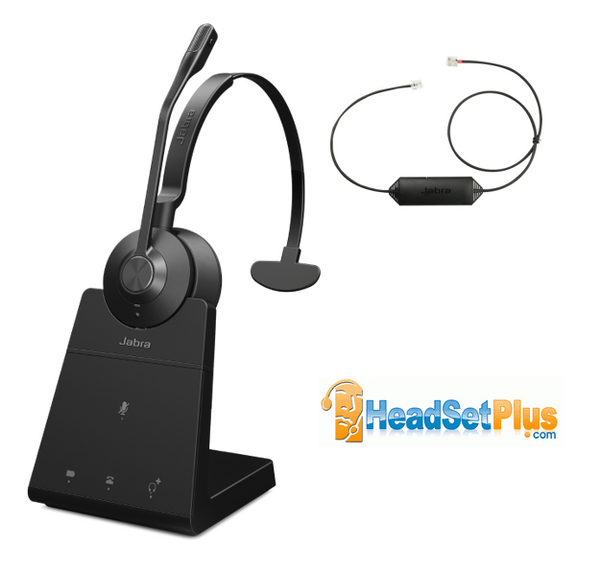
Yes. Several Engage models connect to a deskphone as well as a computer, and bundles like the Engage 45 SE add an EHS (electronic hook switch) cable so you can answer and end deskphone calls remotely from the headset. The wired 2100/GN models also plug straight into most office phones.
No — and this is where people get caught out. Entry models like the Evolve2 30 and 40 use passive isolation, where the earcups block sound physically, rather than electronic ANC. Active noise cancellation starts on the Evolve2 75 and 85. For a loud open office, confirm which one a model actually has before buying.
Up to about 490 feet (150 meters) line-of-sight — roughly 15 times a standard Bluetooth headset. Walls and floors reduce that in practice, but it's still enough to move freely around your floor without dropping a call.
Most Jabra business headsets carry a 2- to 3-year manufacturer warranty depending on the model. HeadsetPlus has specialized in business headsets since 1995, so if you're unsure which model fits your setup, our team can match you before you buy.