

























DECT Headsets
DECT headsets — the wireless technology built for a floor full of calls
Every DECT headset here runs on its own dedicated radio frequency, separate from the Wi-Fi and Bluetooth traffic already crowding your office. That's what makes a DECT wireless headset the standard pick for business floors rather than a single desk.
The one thing worth knowing before you compare models: DECT's real advantage isn't just range — it's how many headsets can run in the same room without talking over each other, which matters the moment you're outfitting more than a handful of desks.
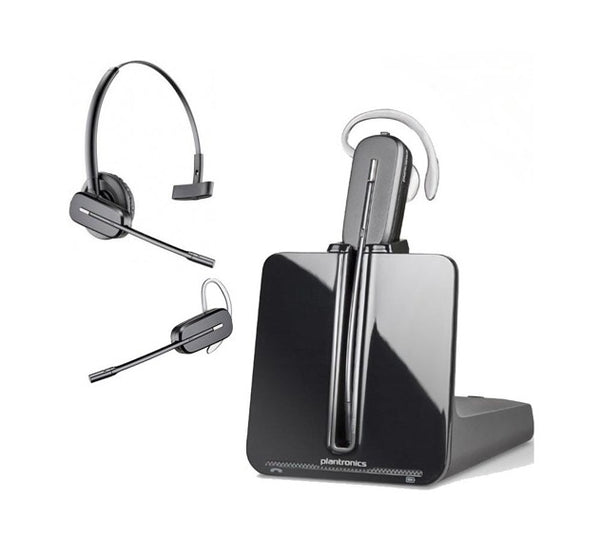
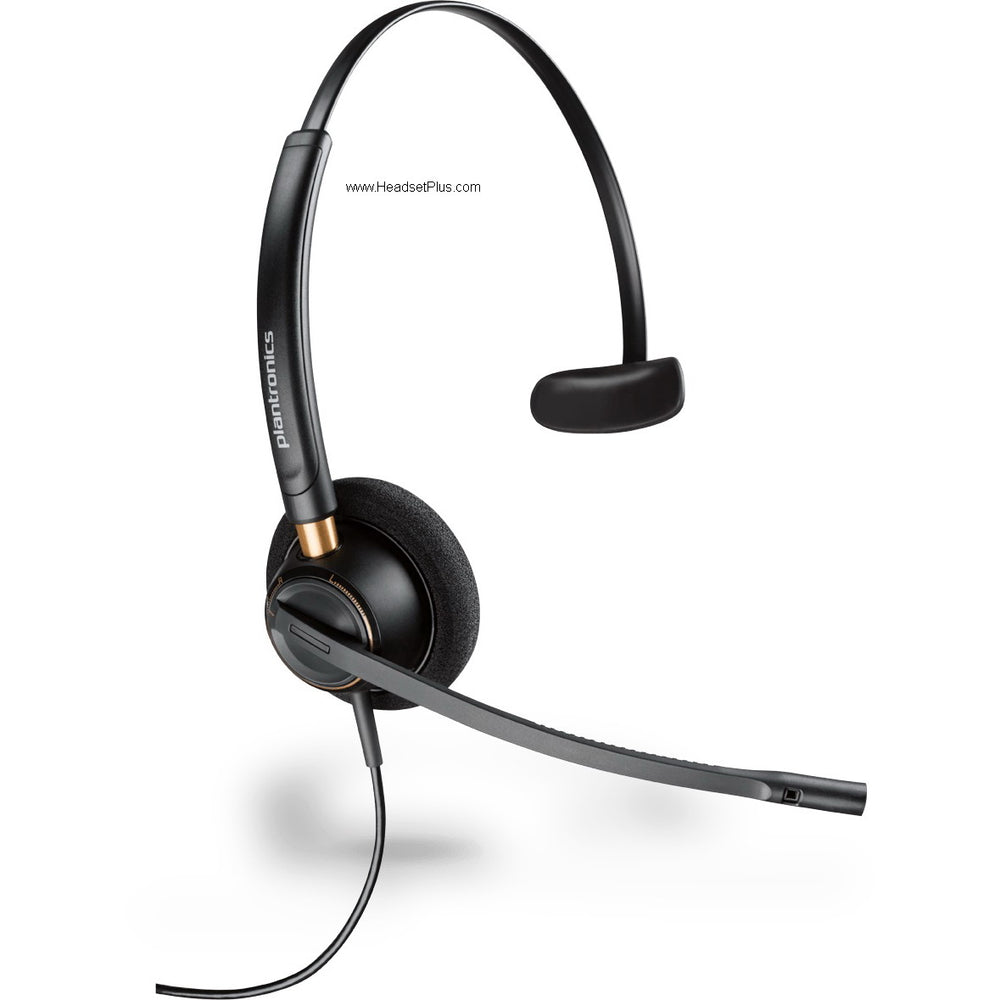
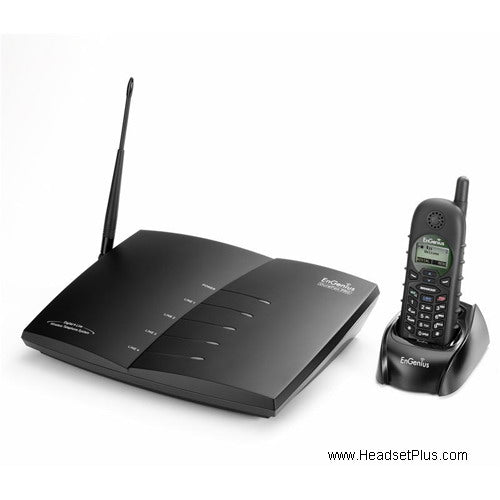
Plantronics CS540 Wireless Headset
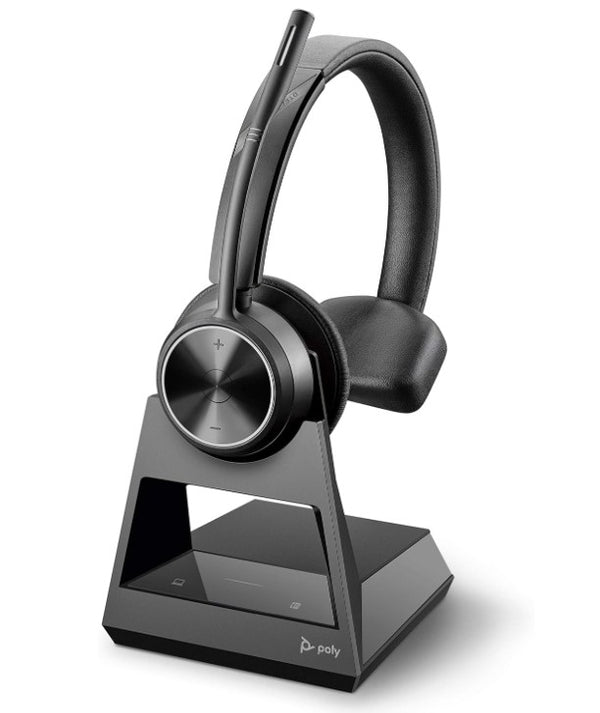
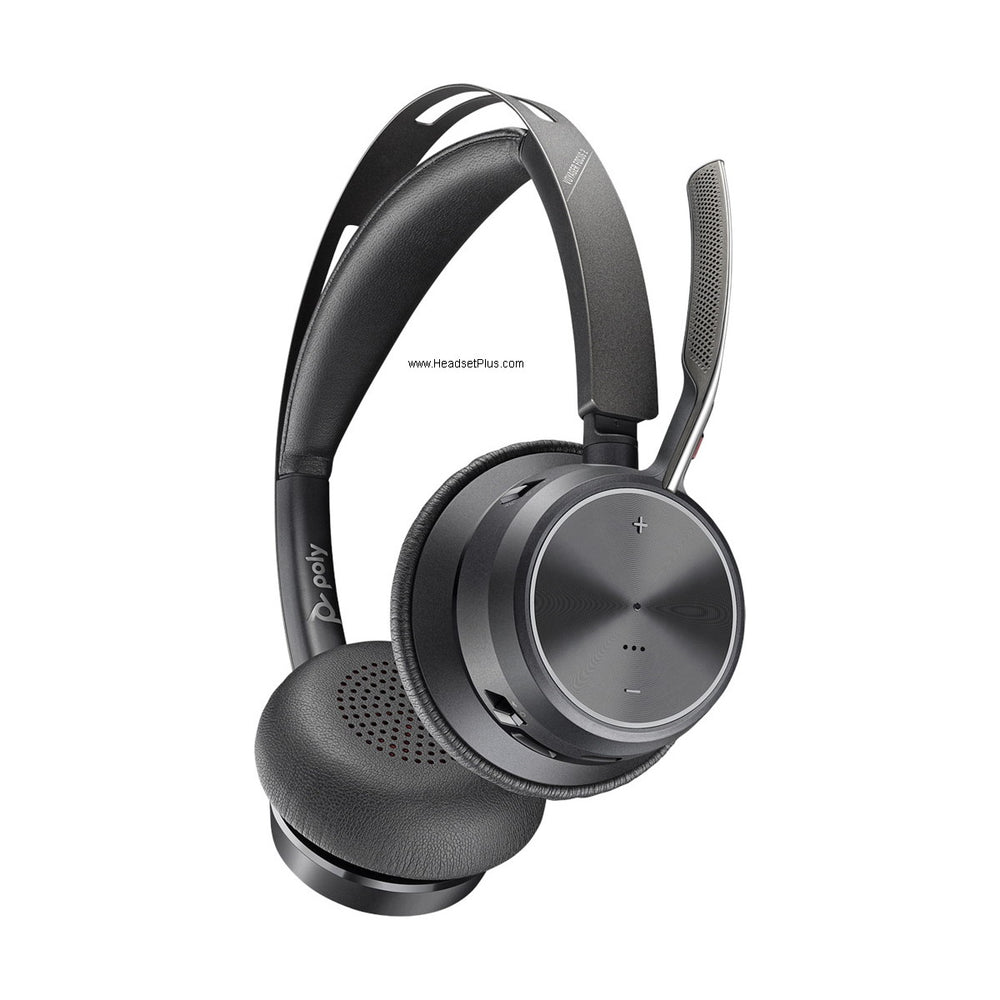
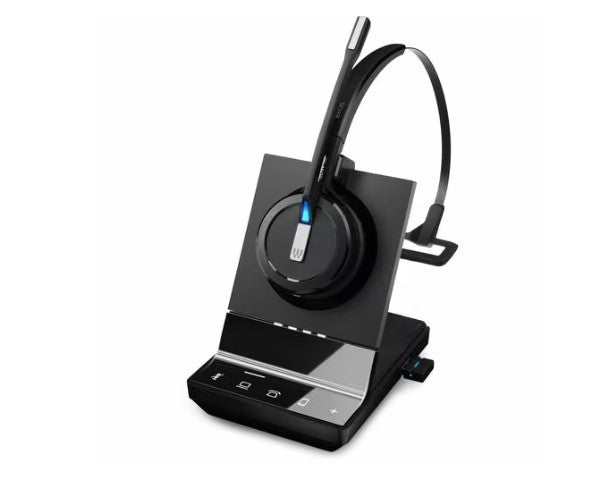
Poly Savi 7310 Ultra-Secure DECT Wireless Mono Headset (EHS Options)
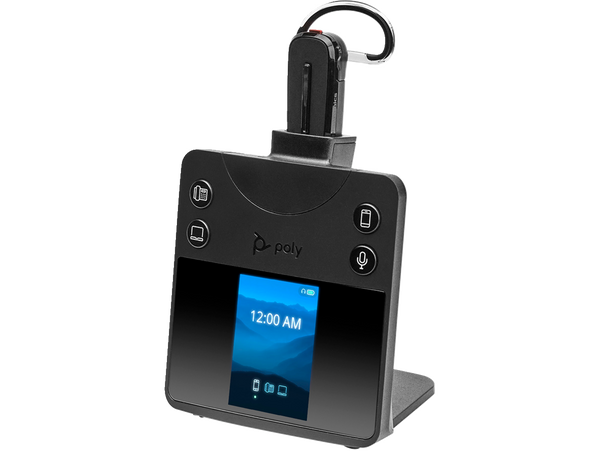
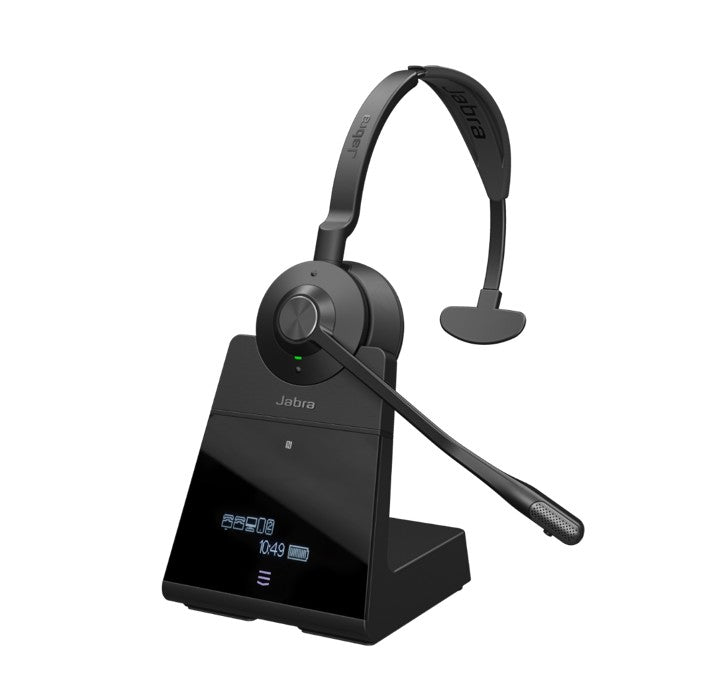
Poly Savi 8445 DECT Wireless Convertible Headset
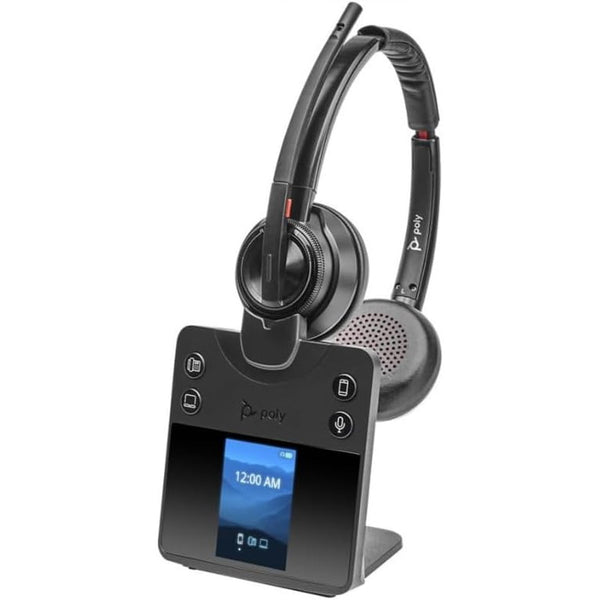
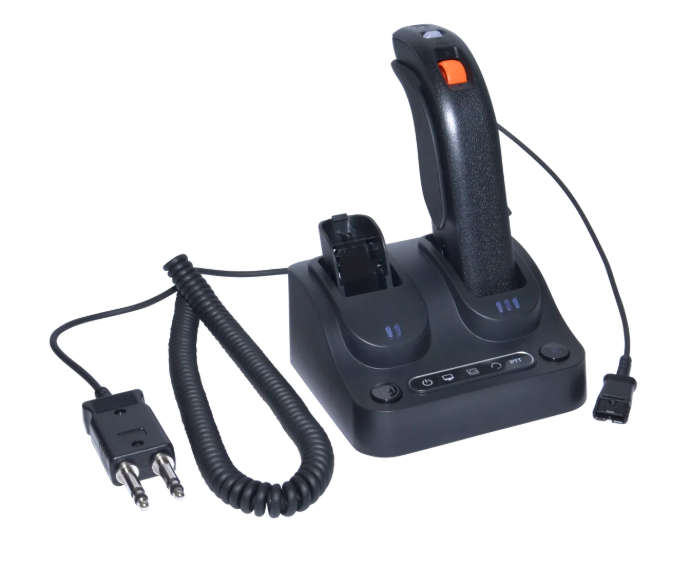
Poly Savi 8420 DECT Wireless Stereo Headset with ANC (EHS Remote Answer Options)
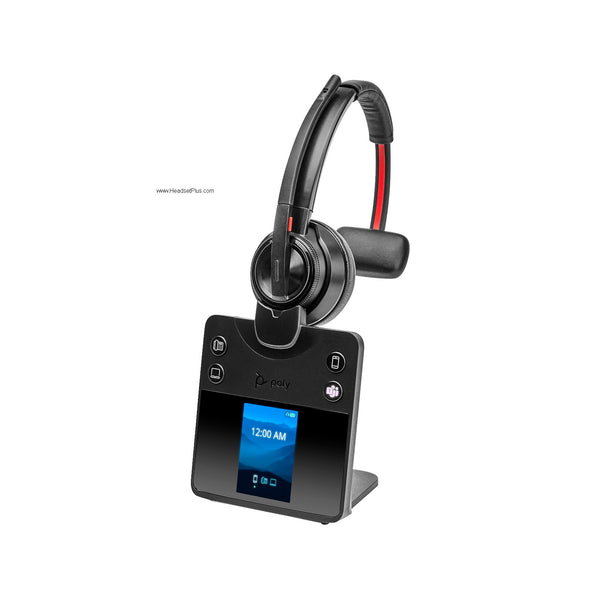
Poly Savi 8410 DECT Wireless Mono Bluetooth Headset
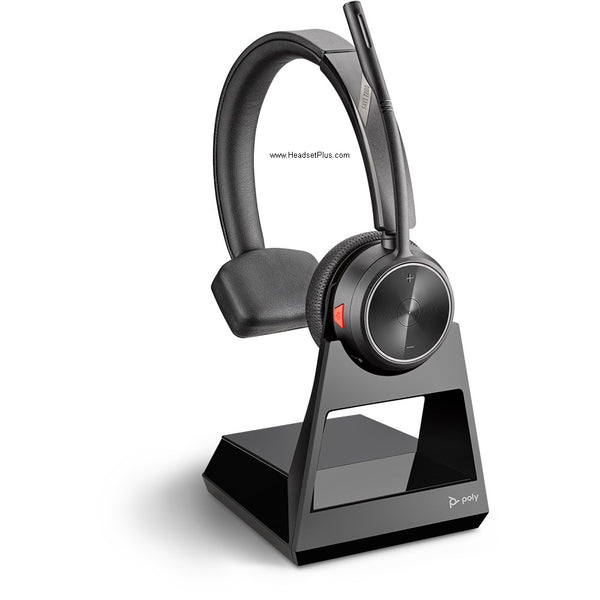
Poly Savi 7210 DECT Wireless Mono Headset for Desk Phones (EHS Options)
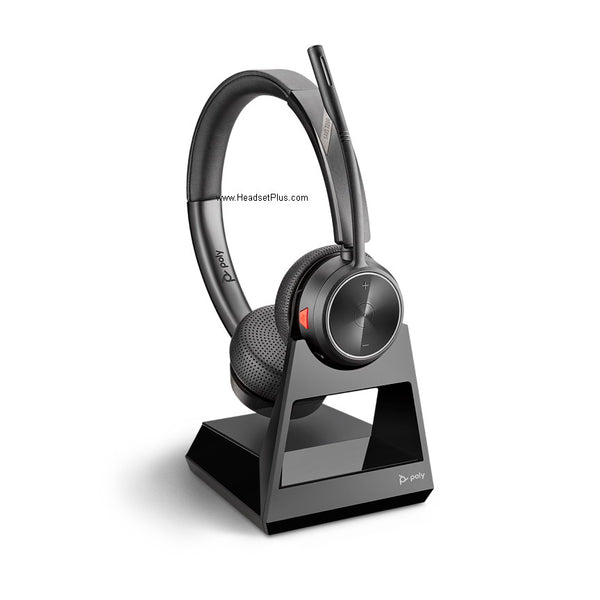
Poly Savi 7220 DECT Wireless Stereo Headset for Desk Phones (EHS Options)
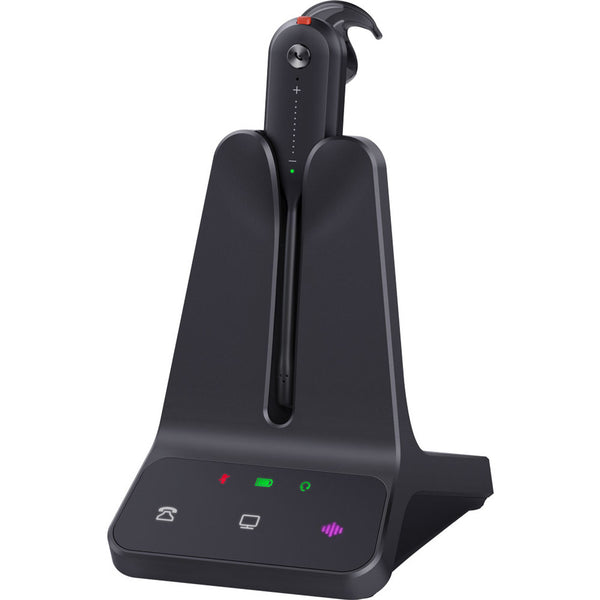
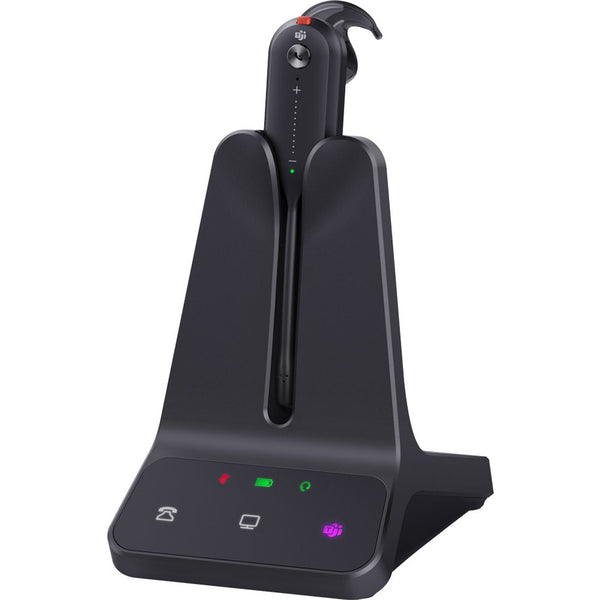
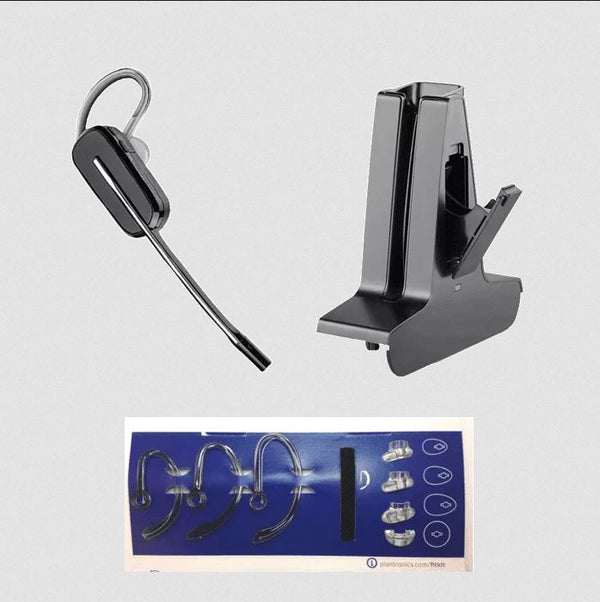
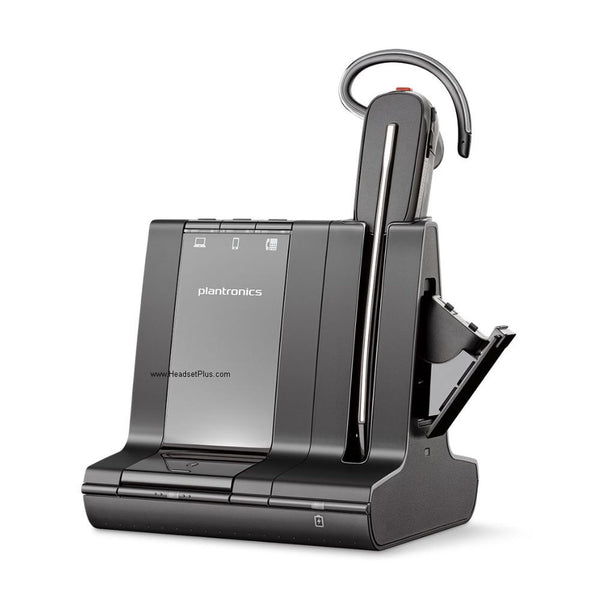
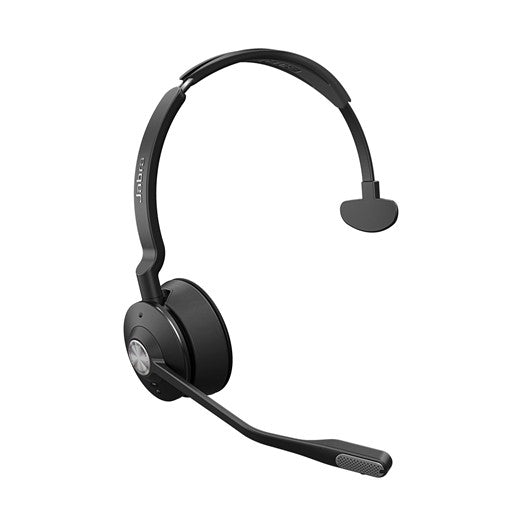
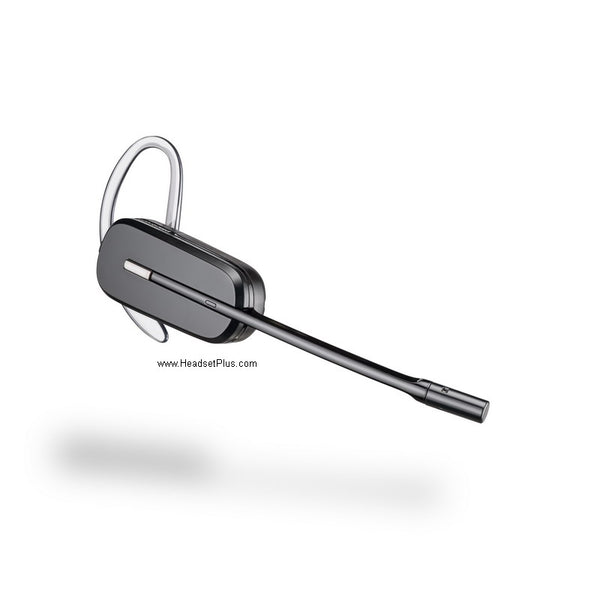
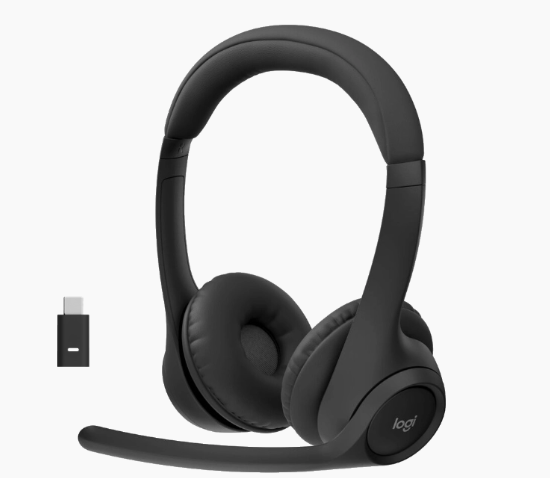

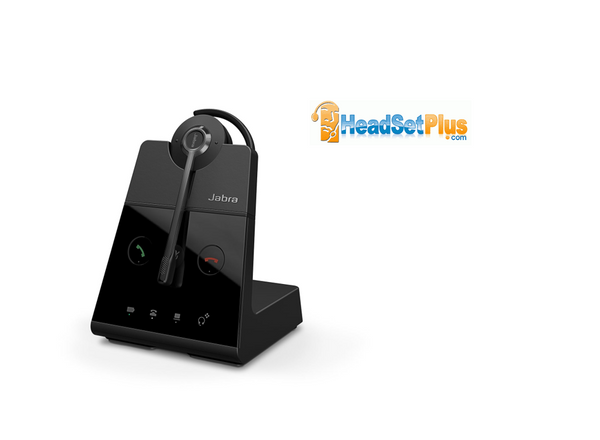
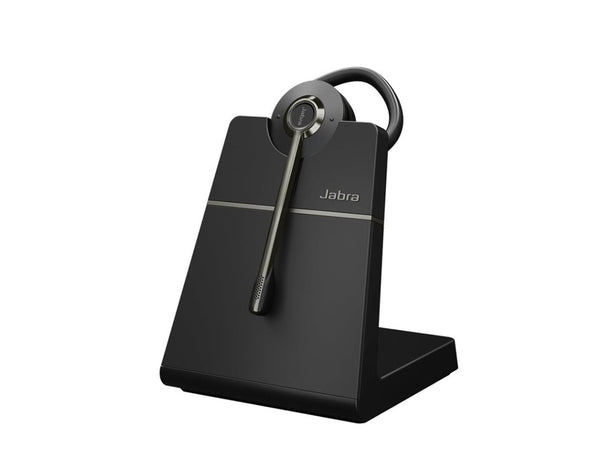
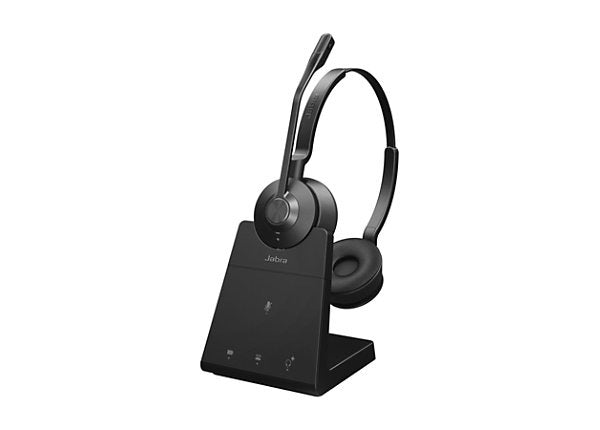
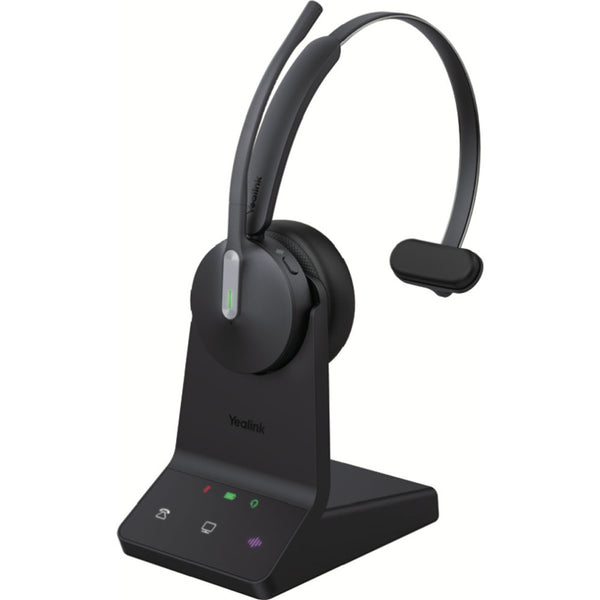
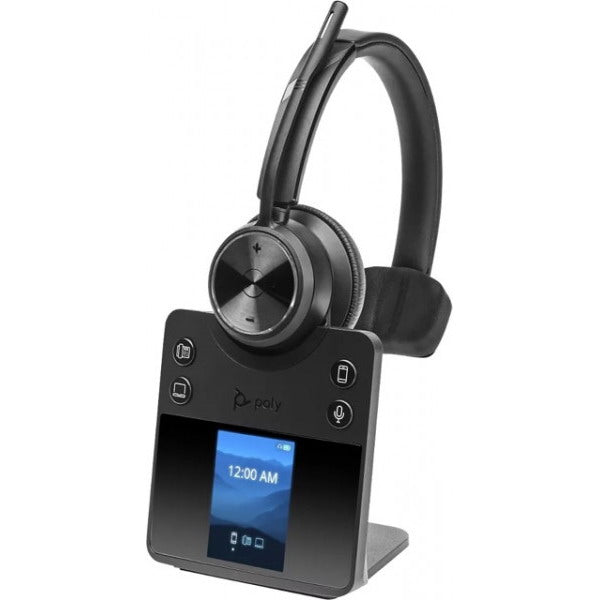
Poly Savi 7410 DECT Wireless Mono Bluetooth Headset - 3-Way Connectivity
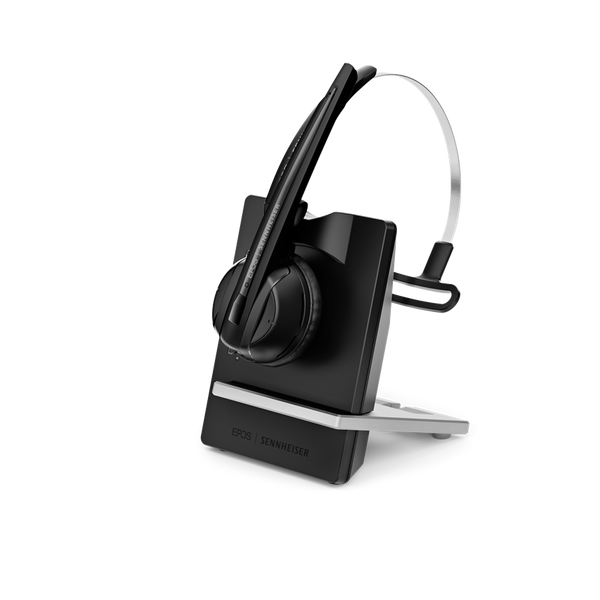
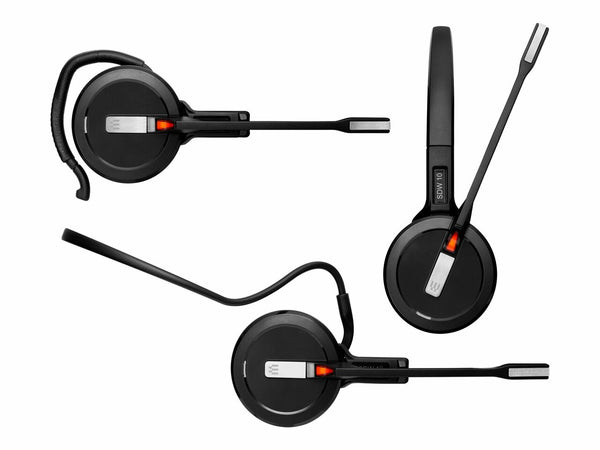
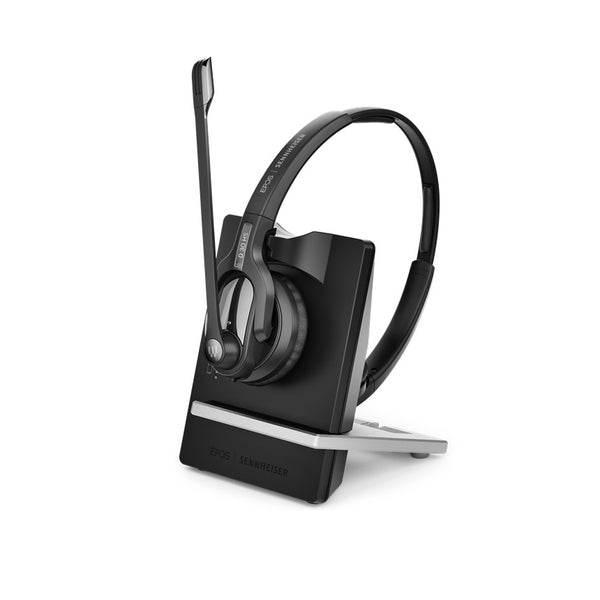
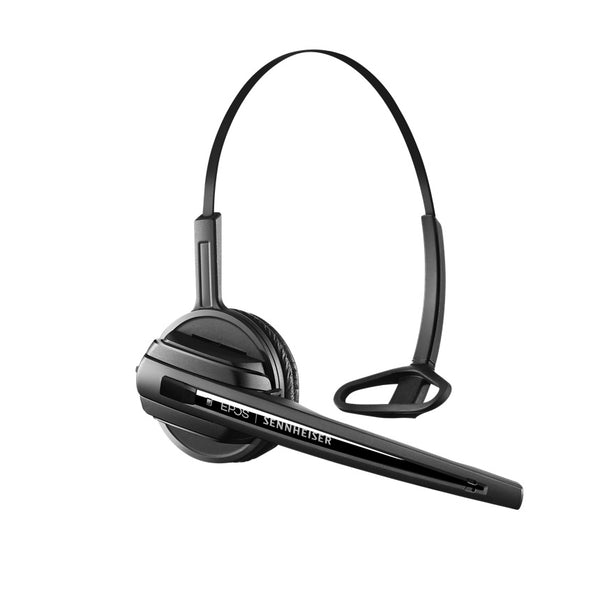
No products match “” in DECT Headsets.
Why DECT headsets don't interfere with each other — or your Wi-Fi
A DECT headset communicates with its base station on the 1.9 GHz band — a frequency reserved for cordless telephony and nothing else, sitting well clear of the 2.4 GHz range that Wi-Fi, Bluetooth, and microwaves all fight over. That separation is the whole reason DECT wireless headsets stay clean in office environments where a Bluetooth headset can crackle when the Wi-Fi gets busy.
Each DECT headset also hops between channels automatically the moment it detects interference, so two headsets in neighboring cubicles don't collide even when they both start ringing at once. That's the mechanism behind the category's real selling point: high-density deployment. Multiple industry sources put a hard number on it, and they don't fully agree — JPL Telecom's wireless-density testing recommends a site survey once you pass 40 DECT headsets in one space, while Simply Headsets puts the safe general ceiling closer to 100 before performance risk creeps in. The gap comes down to how busy your floor actually is: call volume, wideband audio usage, and how far each headset sits from its base all shift the real number. The honest takeaway for an office rolling out 15 or 20 headsets: you're nowhere near the danger zone either way.
DECT headset range: how far you can actually walk
A DECT wireless headset typically holds a stable connection out to roughly 300–600 feet from its base station, line-of-sight — Yealink's own DECT guidance puts typical indoor range around 50 meters (about 160 feet) once walls and furniture are factored in, so treat the higher headline figures as a best case, not a guarantee.
That's still enough to leave your desk for the printer, a colleague's office, or a supply closet without dropping the call — something a Bluetooth headset, capped closer to 100 feet through a dongle, generally can't match. Combine that with a cordless telephone headset's built-in encryption — DECT's standard includes voice encryption by design, which matters if your calls touch anything sensitive — and you've got the two reasons IT teams default to DECT for a real office rollout instead of consumer Bluetooth.
Choosing a DECT headset: desk phone, PC, or both
Past the frequency and range, the real decision is what you're connecting it to — and it changes the model you want:
Multi-device models go further, connecting to your desk phone, computer, and mobile at once, so the same headset cordless microphone follows you between a Teams call and an incoming cell call without re-pairing. Series worth knowing: Poly's Savi line, Jabra's Engage series, and the Sennheiser/EPOS Impact SDW range are the three most established DECT families, spanning single-connection basics up to tri-connectivity models built for hybrid desks. All-day battery life is standard across the category — most run a full shift on the charging cradle overnight, so a wireless DECT headset is rarely the thing limiting your day. Here's what a DECT headset in this collection includes:
- A dedicated 1.9 GHz DECT connection, immune to Wi-Fi and Bluetooth interference
- A charging base or cradle for overnight, all-day battery life
- Encrypted, secure wireless audio by design
- Roaming range up to ~590 ft line-of-sight (expect ~150–200 ft indoors)
- Desk phone, PC, and mobile connectivity options depending on model
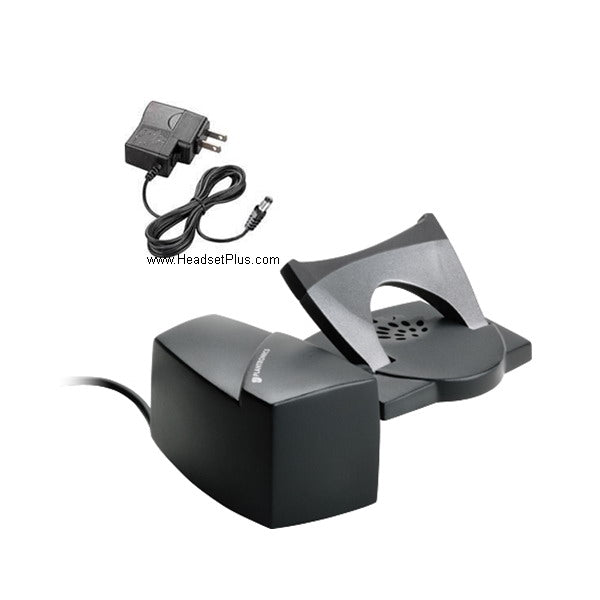
- Compatibility with EHS cables and handset lifters for remote desk-phone answering
For a single desk, the difference between DECT and Bluetooth is minor. For a floor of twenty phones ringing at once, it's the reason one office sounds clean and the other sounds like a Bluetooth traffic jam. Browse the grid above by series, or check our Wireless Headsets for Desk Phones collection if you still need to confirm the EHS cable for your exact phone.
FAQ
Frequently Asked Questions
A DECT headset runs on its own dedicated 1.9 GHz frequency, separate from the crowded 2.4 GHz band Bluetooth and Wi-Fi share, which gives it longer range (up to ~590 ft line-of-sight) and better performance when many headsets are in use nearby. A Bluetooth headset pairs directly to phones and laptops with no base station, but tops out closer to 100 feet and can pick up interference in a busy office. DECT wireless headsets are the standard pick for a fixed desk in a business environment.
Industry guidance varies with how busy your office actually is: JPL Telecom recommends a wireless density site survey once you're deploying more than 40 DECT headsets in one space, while other sources put the safe general ceiling closer to 100 before performance risk increases. Factors like call volume, wideband audio, and distance from base stations all affect the real number for your floor. For a typical rollout of 15–30 DECT headsets, you're well within safe territory either way.
No — DECT headsets operate on the 1.9 GHz frequency band, which is completely separate from the 2.4 GHz and 5 GHz bands that Wi-Fi routers use. A DECT wireless headset and your office Wi-Fi network can run side by side with zero interference in either direction, which is one of the main reasons DECT is preferred over Bluetooth in shared office spaces.
Yes — a DECT headset's base station connects to a desk phone through its RJ9 headset port. To answer and end calls away from your desk, you'll also need an EHS cable or handset lifter matched to your phone's exact make and model — Cisco, Avaya, Poly, and Yealink phones each require a different one, which is worth confirming before you order.
Most DECT wireless headsets are rated for roughly 300 to 590 feet of roaming range line-of-sight, though real indoor range is shorter once walls and furniture are involved — Yealink's own guidance puts typical usable range closer to 160 feet indoors. Either way, it's enough to walk to a colleague's desk or the printer without dropping the call, well beyond what most Bluetooth headsets manage.
Yes — Plantronics (Poly) DECT wireless headsets, like all DECT devices, use built-in encryption as part of the DECT standard itself, not an add-on feature. That makes a Plantronics cordless headset a safe choice for calls involving sensitive information, on top of the interference resistance the 1.9 GHz frequency already provides.