








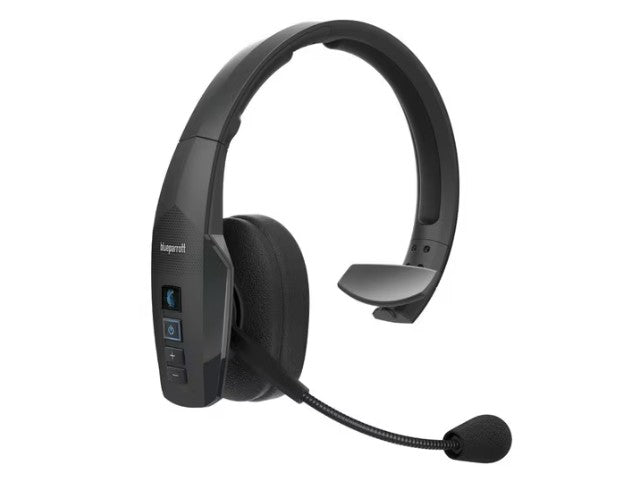
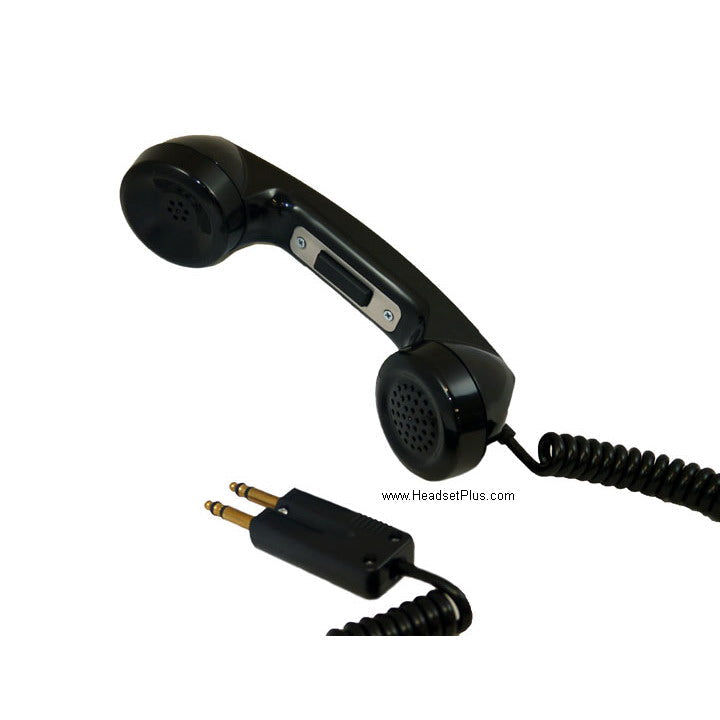
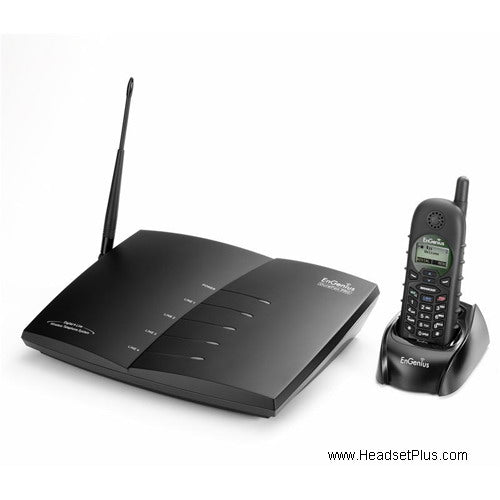
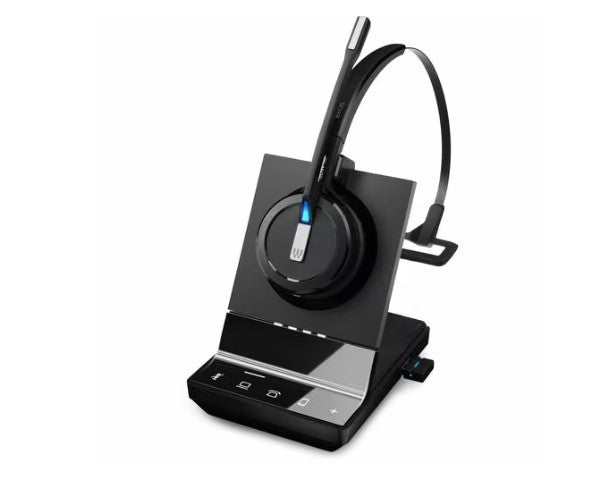
Office & Work From Home Headsets
The best work headset is the one your callers can actually hear
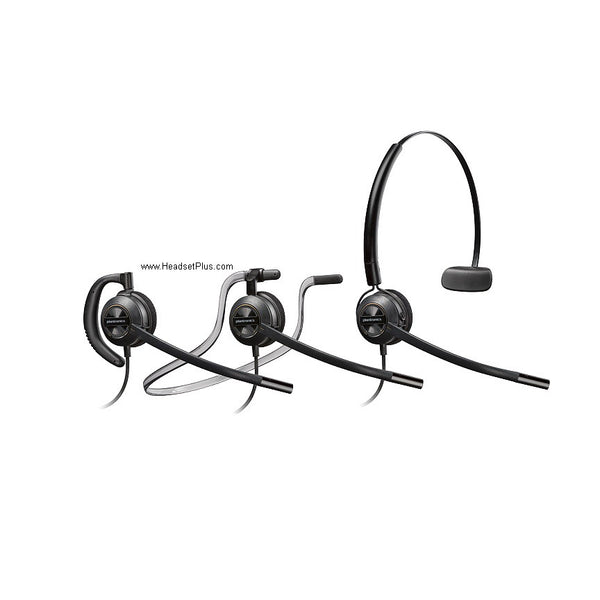
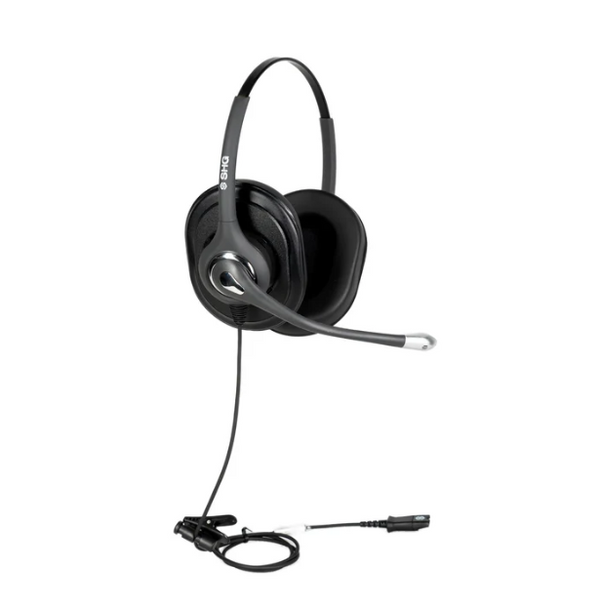
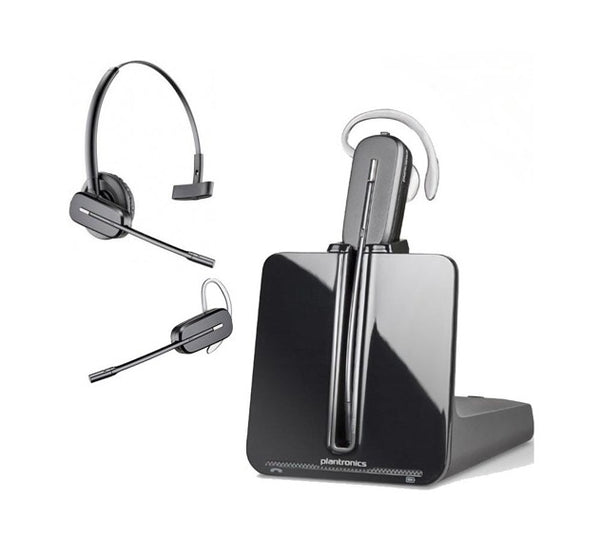
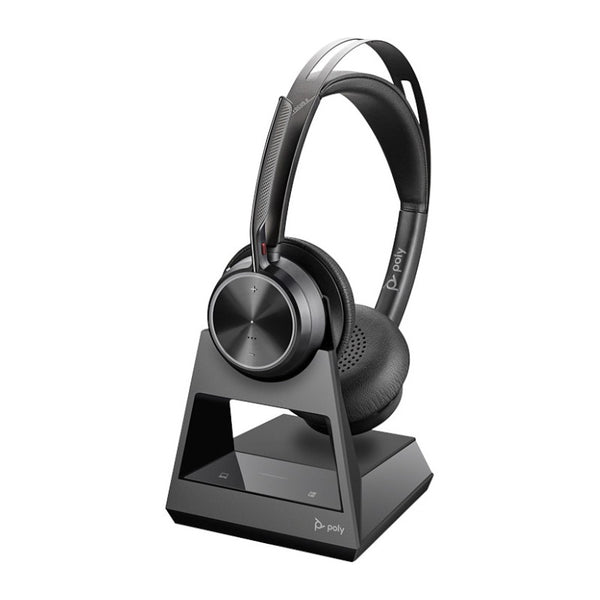
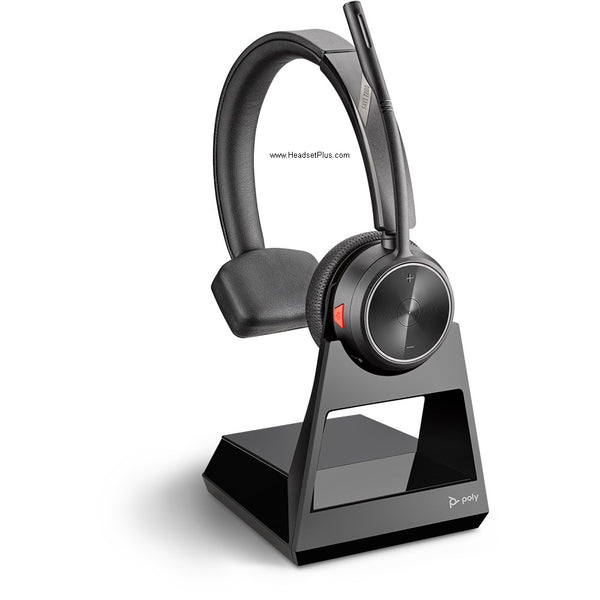
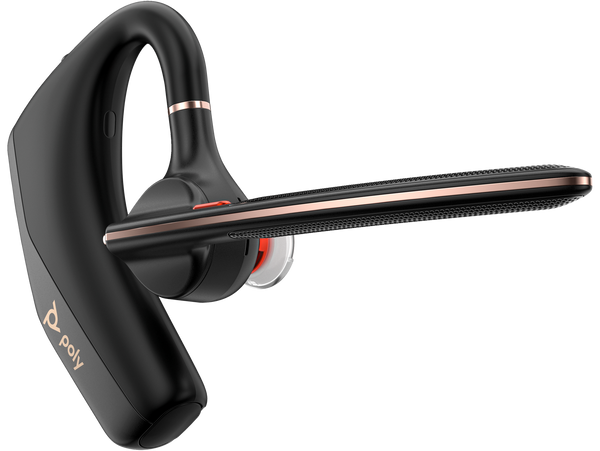
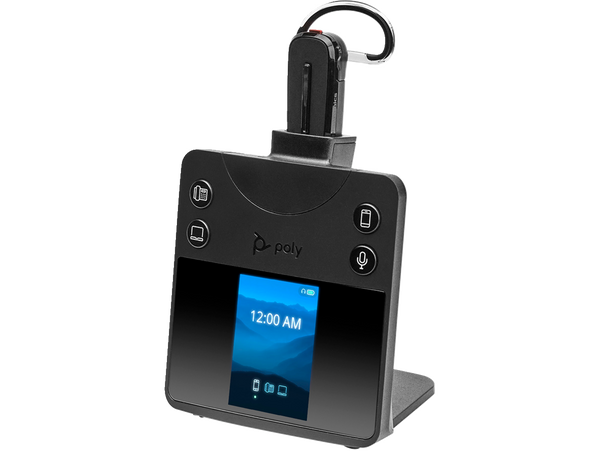
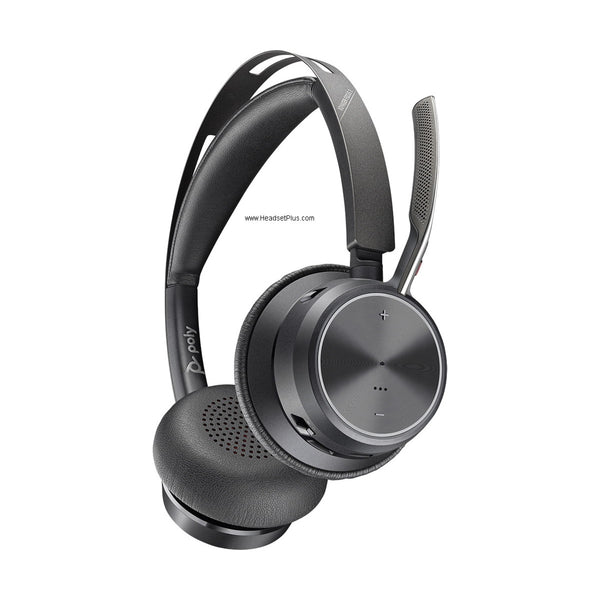
Every headset here is built for office and work-from-home calls — chosen because the person on the other end hears you clearly, which is the part most buyers overlook. These are headsets for office desks, home offices, and the hybrid week that bounces between both.
Fixed at a desk all day? A wired model is the cheaper, no-charging pick. Moving around the house or office? See the wireless options. Sorting by connector instead? The USB and USB-C collections split them out.
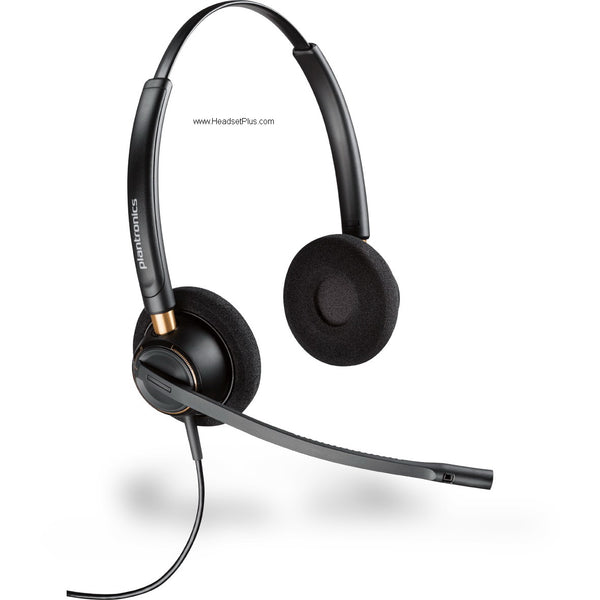
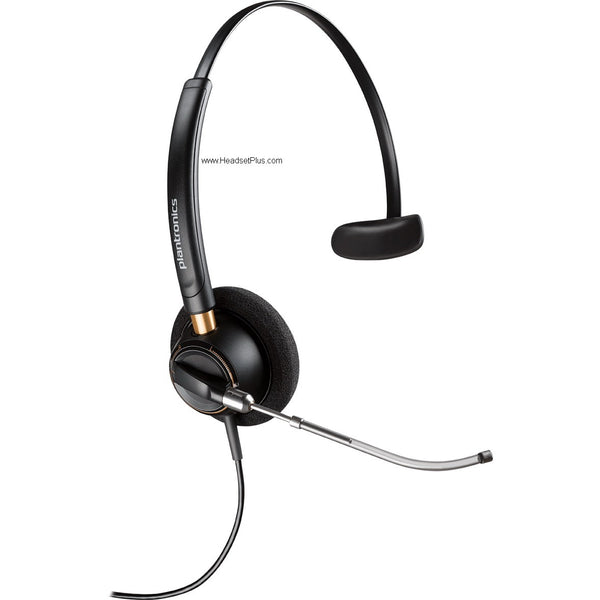
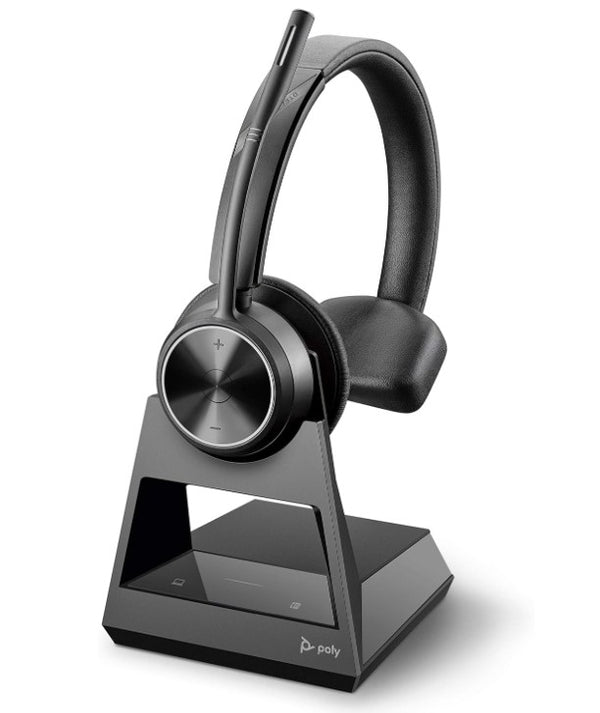
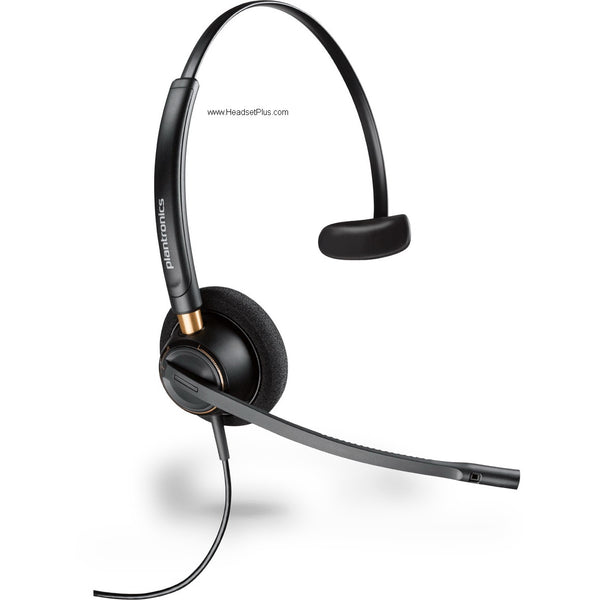
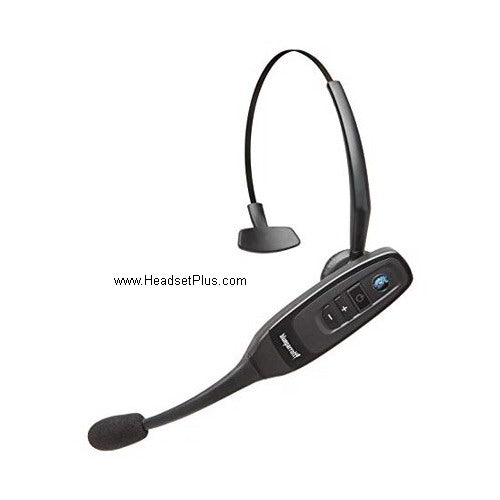
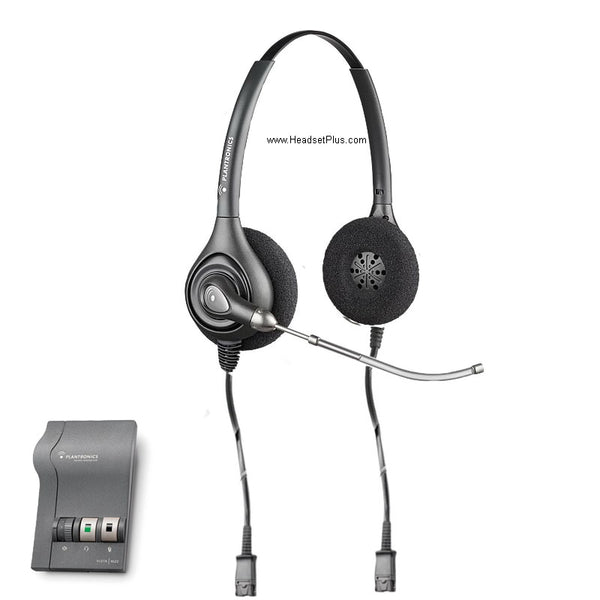
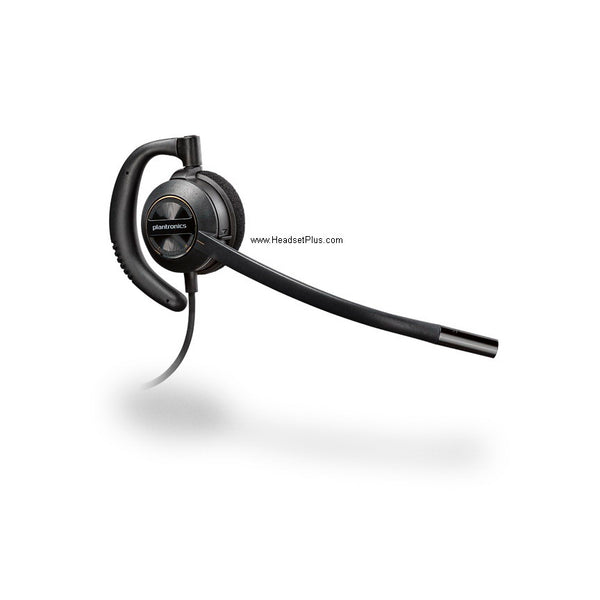
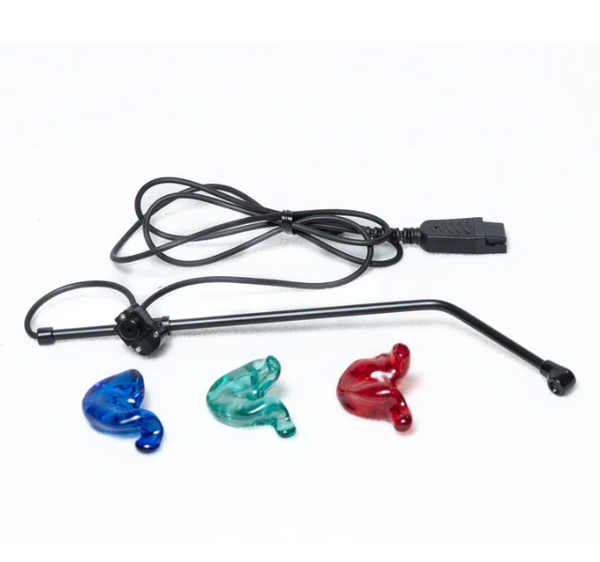
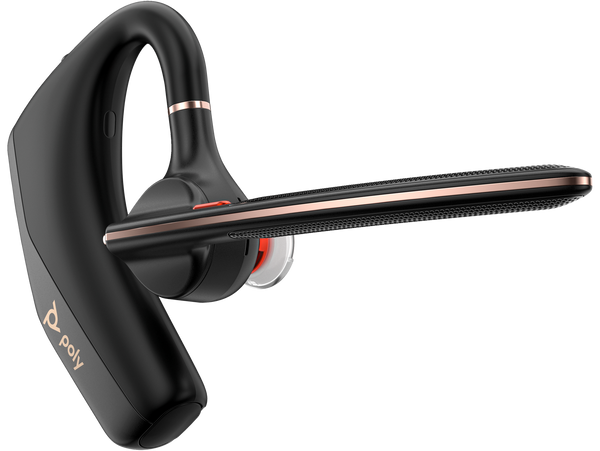
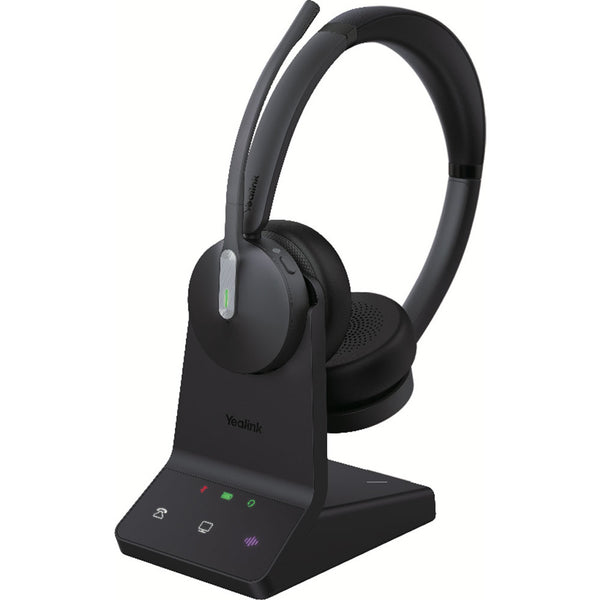
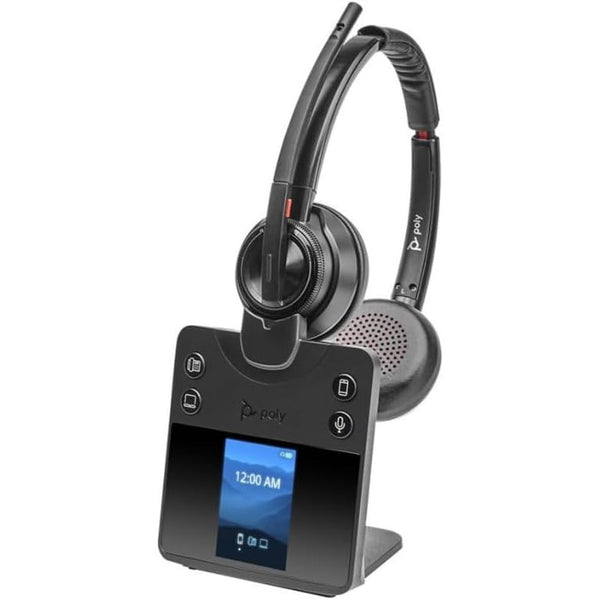
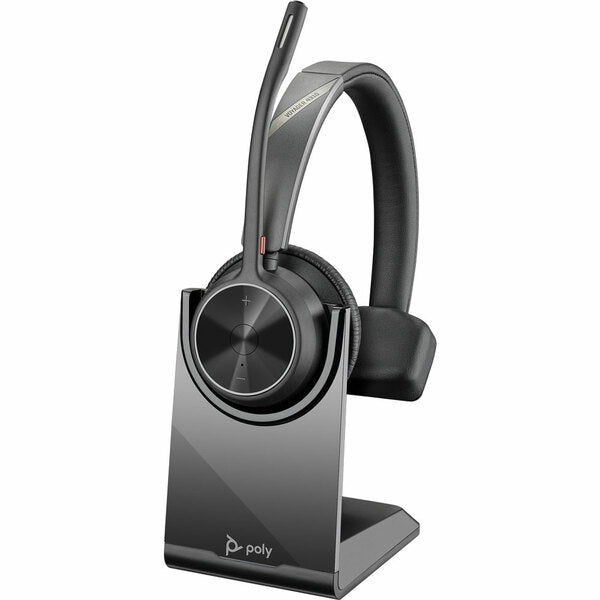
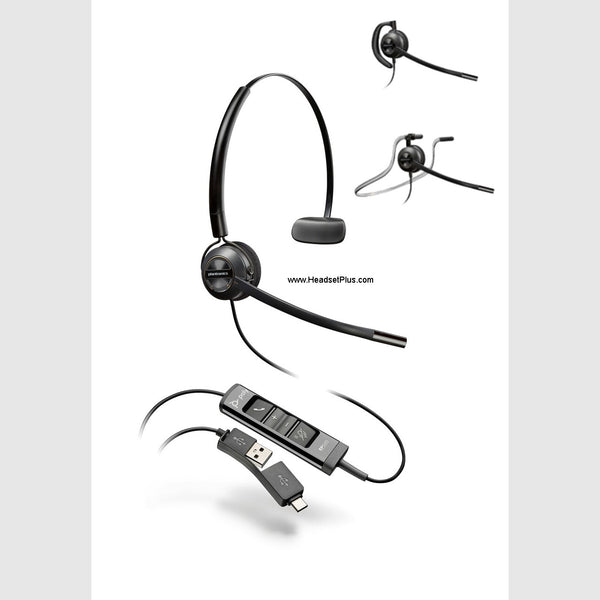
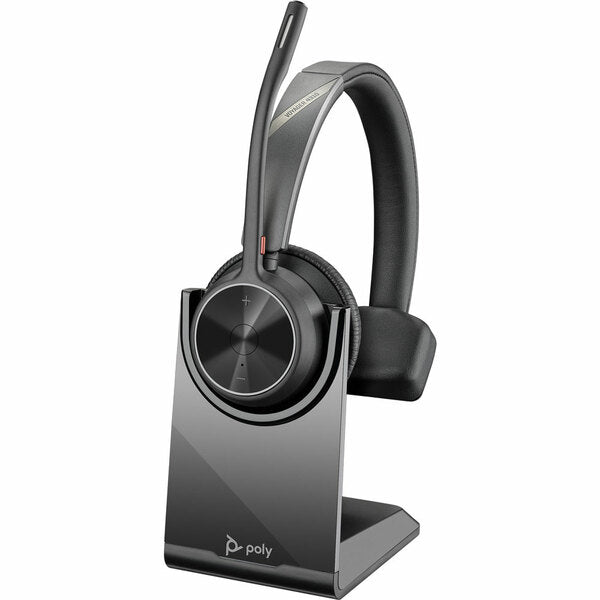
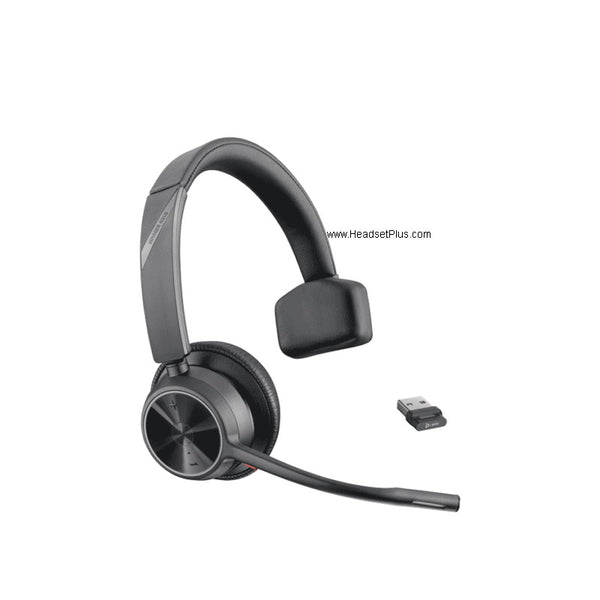
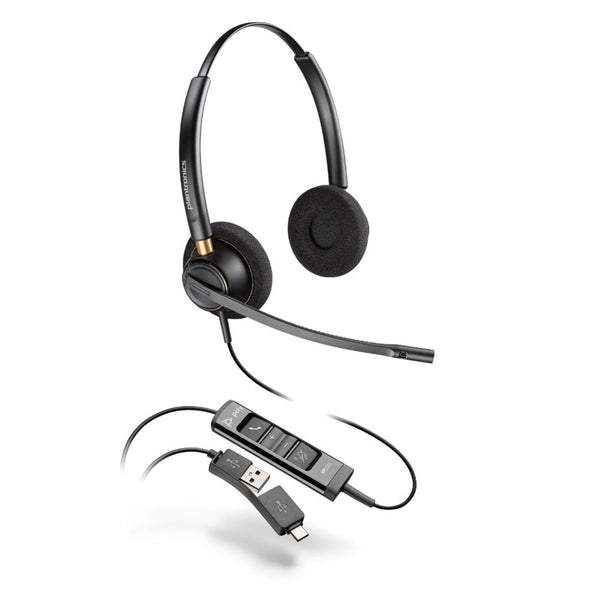
Why a work headset beats your earbuds on calls
The best headset for office use is judged by your outbound voice — what your callers hear — and that's exactly where consumer earbuds fall down. A dedicated boom mic sits a few centimeters from your mouth and uses noise-cancelling pickup to lift your voice out of the room; earbud and laptop mics sit far away and hand the far end a thinner, echoey signal padded with background noise.
This is the quiet mistake of remote work: people choose by how music sounds in their own ears and never hear how they land on the call. Owner reviews of popular earbuds flag the same thing again and again — voices that turn robotic or distant on Zoom. TechRadar's 2025 work-from-home roundup put the Jabra Evolve2 75 at the top specifically for its microphone, calling it arguably the best on any headset. So the best headset with mic for work is simply the one your callers don't have to strain to understand — on conference calls and video meetings, that clarity is the spec that earns its keep.
How to choose the best headset for office calls
The best headsets for office calls come down to one question: do you stay at your desk, or move around? That answer decides more than any feature list. A fixed-desk setup is the home of the best wired headset for work — cheaper, lighter, and never out of battery. If you pace during calls, fetch coffee mid-meeting, or split time between rooms, wireless earns its premium.
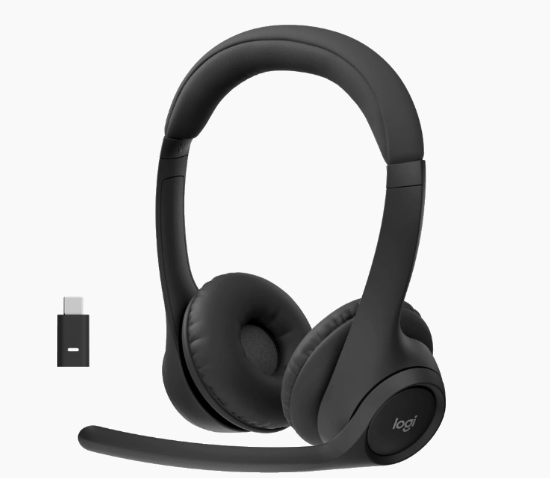
Two more choices narrow it down. Monaural (single-ear) leaves one ear open so you can hear a colleague or the kids in the next room — the usual home-office pick; binaural (dual-ear) seals you into the call for focus on noisier days. And if your team runs on Microsoft Teams, Zoom, or Google Meet, a certified model makes the inline call control — answer, mute button, volume — work natively inside the app instead of merely passing audio.
What separates an all-day office headset from one you send back
Comfort is the difference between a headset you wear for eight hours and one that's in a drawer by Thursday — and it's what spec sheets bury. Weight matters most; a few grams you don't notice at 9am you feel by mid-afternoon. So does clamp force and cushion material. Leatherette ear cushions seal out more noise but trap heat; memory-foam cushions breathe and spread pressure, which is why people on back-to-back calls tend to prefer them. A lightweight headset with an adjustable headband and the right cushion is the one that survives a full day of virtual meetings.
An office headset with mic noise cancelling and clean controls handles the rest. Here's what the headsets in this collection share:
- A noise-cancelling boom mic on a rotatable boom arm, with HD voice / wideband audio
- Background noise reduction and echo cancellation tuned for calls, not music
- Inline call control — answer, mute button, and volume on the cable or earcup
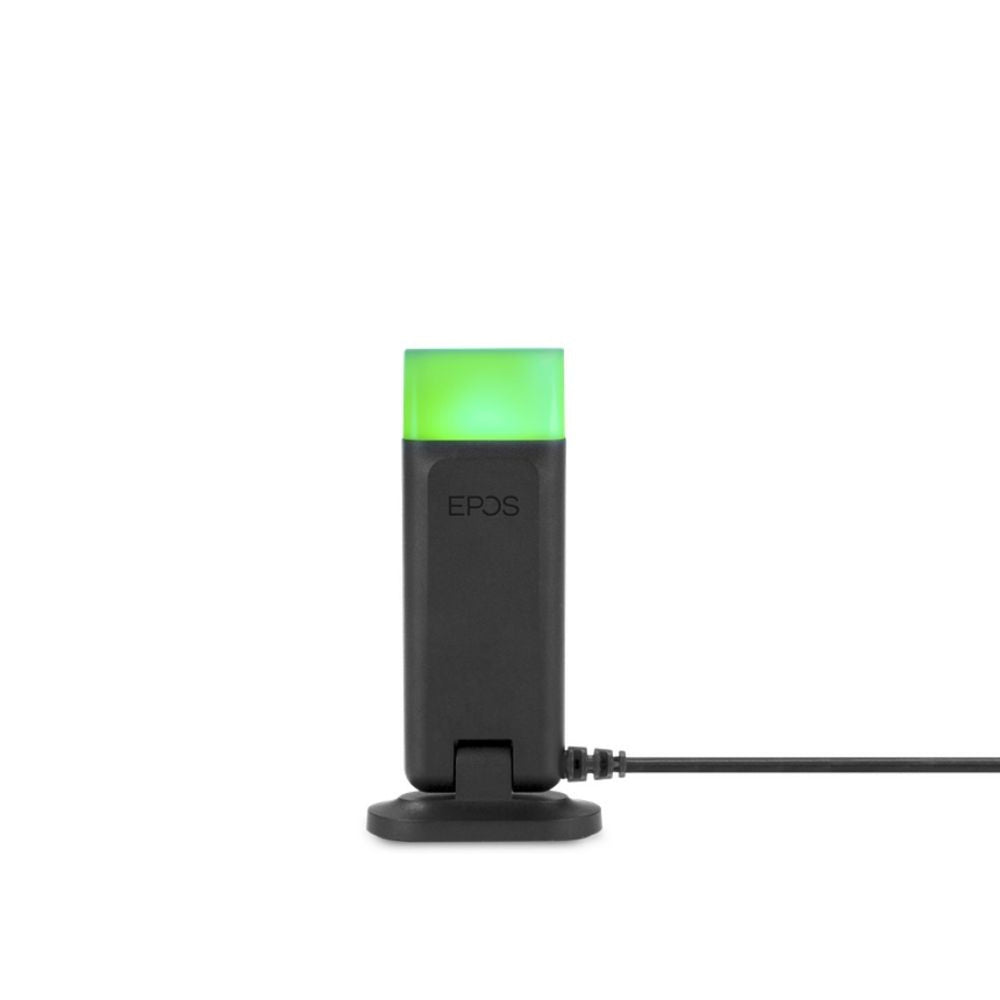
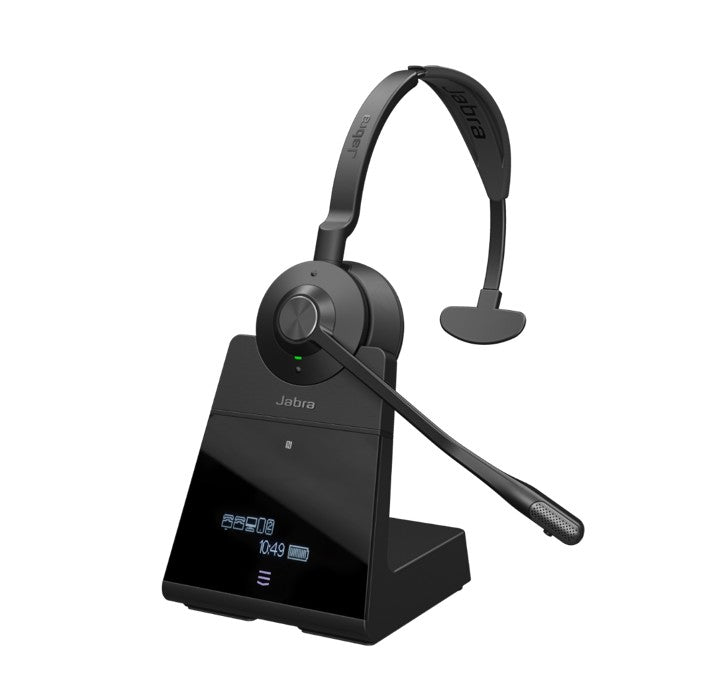
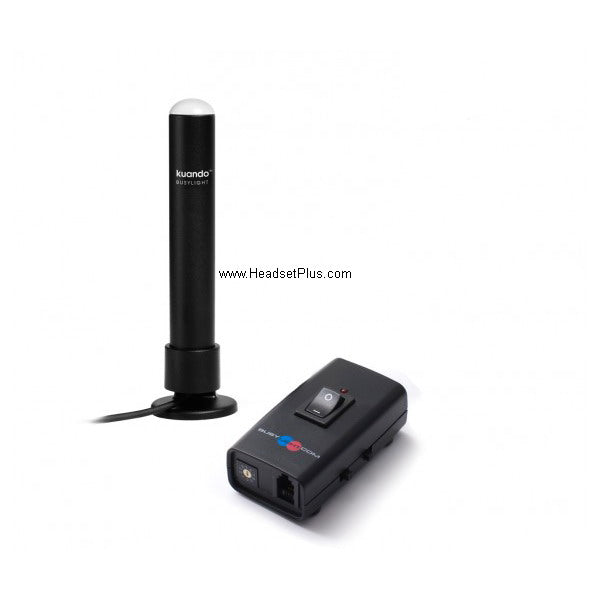
- A busylight presence indicator and LED mute on most models
- An adjustable headband with leatherette or memory-foam ear cushions
- Microsoft Teams, Zoom, and Google Meet certified variants, UC-ready for any softphone
Pick by your day, not the spec sheet: desk-bound, go wired; on the move, go wireless; and weigh comfort as heavily as the mic — the best headsets for work calls are the ones matched to how you actually work. Browse the grid above, or jump straight to the USB, USB-C, or Wireless Office Headsets collections if you already know the connection you need.
FAQ
Frequently Asked Questions
The best headset for office use is one with a dedicated boom microphone and the comfort to wear all day — your callers judge you on how clearly you sound, and your ears judge the fit by mid-afternoon. Match the connection to your day (wired for a fixed desk, wireless if you move around) and the certification to your platform (Microsoft Teams, Zoom, or Google Meet).
The best wired headset for working from home is a business-grade model with a noise-cancelling boom mic, comfortable memory-foam or leatherette cushions, and a USB connection that plugs straight into your laptop. Wired suits a home office because there's no battery to charge and no pairing to drop mid-call — you sit down, plug in, and you're on the meeting.
Yes — the headsets for office and home use in this collection work with Microsoft Teams, Zoom, Google Meet, and any softphone. Certified models go further: their inline buttons control calls natively inside the app, and the busylight syncs to your status. Uncertified models still carry full audio; they just won't trigger the in-app call controls.
It depends on how much you move. For a fixed home-office desk, a wired headset is cheaper and never needs charging, which is why it's the common pick for back-to-back calls. A wireless headset is the better home office choice if you pace during meetings or step away from the desk — you trade a nightly charge for the freedom to roam.
For most home offices, yes — on a home office headset, a noise-cancelling microphone is what keeps the dog, the doorbell, and the dishwasher out of your callers' ears. It works on the outbound side, cleaning up your voice before it's sent, which matters more at home than in a managed office where the room is already quieter. It's the single feature that most improves how you sound on work calls.
The models here are built for it, but comfort varies by weight and cushion. Lighter office headsets with memory-foam ear cushions and an adjustable headband are the easiest to wear across a full day of calls, especially if you wear glasses. For back-to-back meetings, prioritize weight and clamp force over every other feature — it's what decides whether the headset lasts past lunch.