Why Wired Headsets Still Lead in Professional Audio
Wired headsets remain the dominant choice for high-volume call centers, enterprise help desks, and managed IT environments — and for good reason. A corded connection eliminates battery management at scale, delivers consistent wideband audio / HD Voice quality, and reduces the total cost of ownership across large deployments. Unlike wireless alternatives, wired models integrate directly into headset amplifier / EHS cable ecosystems, giving supervisors deterministic call quality and predictable provisioning.
The category, however, is fragmented by design. A binaural wired USB headset driving a Microsoft Teams Certified softphone client on Windows operates on entirely different hardware logic than a mono wired headset attached to a Cisco SPA or Avaya J100-series desk phone via a Quick Disconnect (QD) adapter. Understanding which sub-segment fits your environment before purchasing is the single biggest factor in avoiding returns, compatibility tickets, and delayed deployments.
How to Choose the Right Wired Headset Variant
The decision breaks down along two axes: physical connector type and audio pathway. Use the guide below to match your infrastructure immediately.
USB-A & USB-C Wired Headsets (Softphone / PC Users)
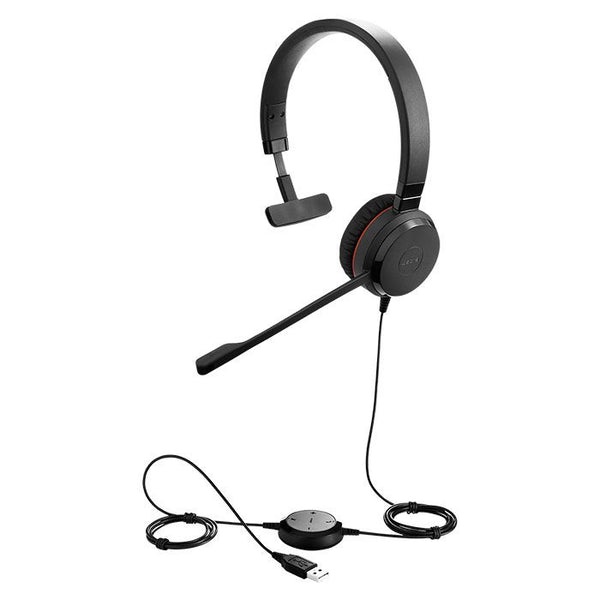
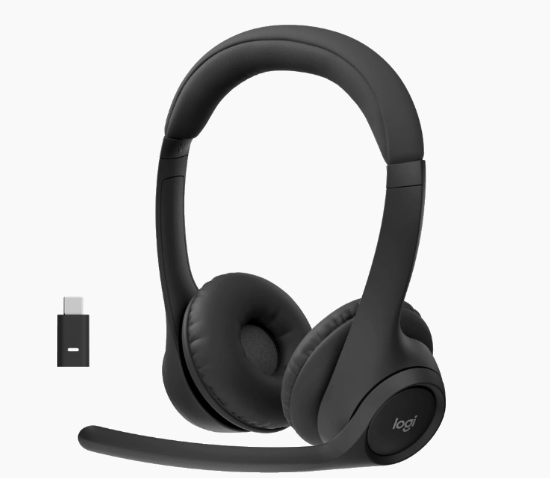
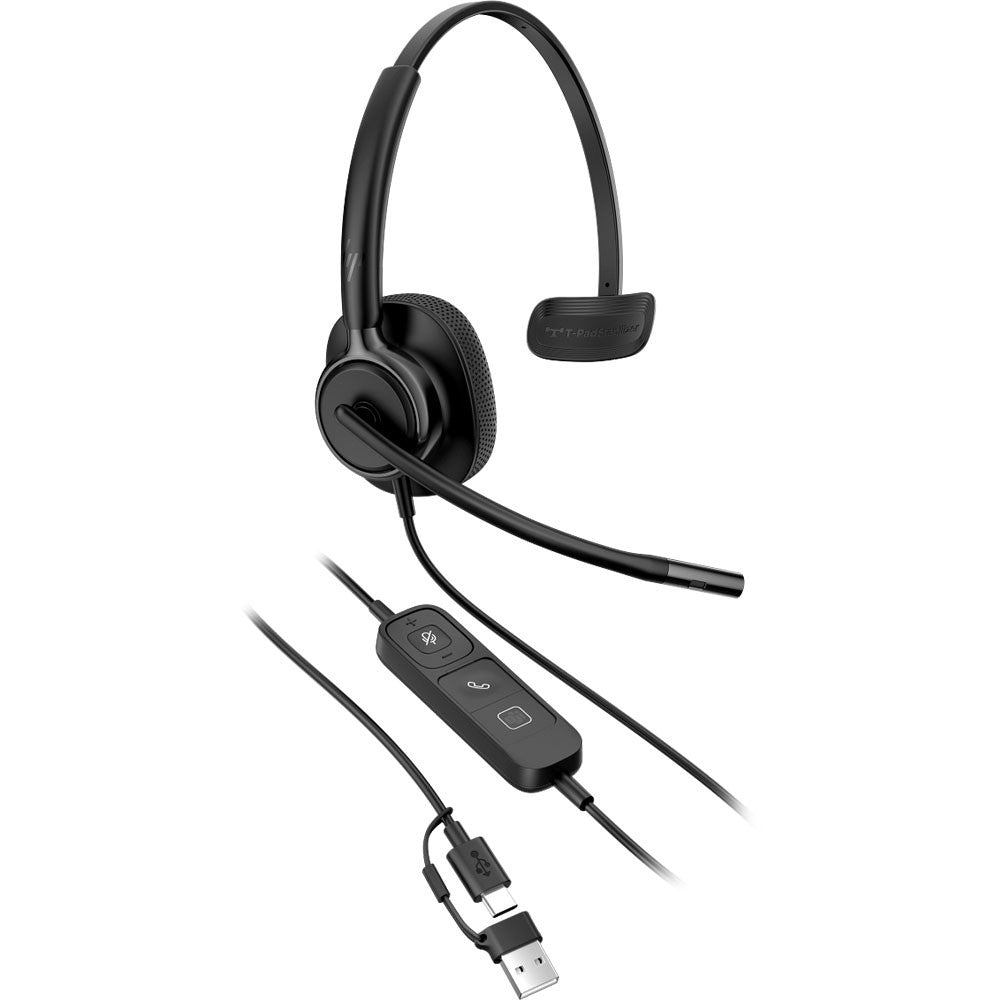
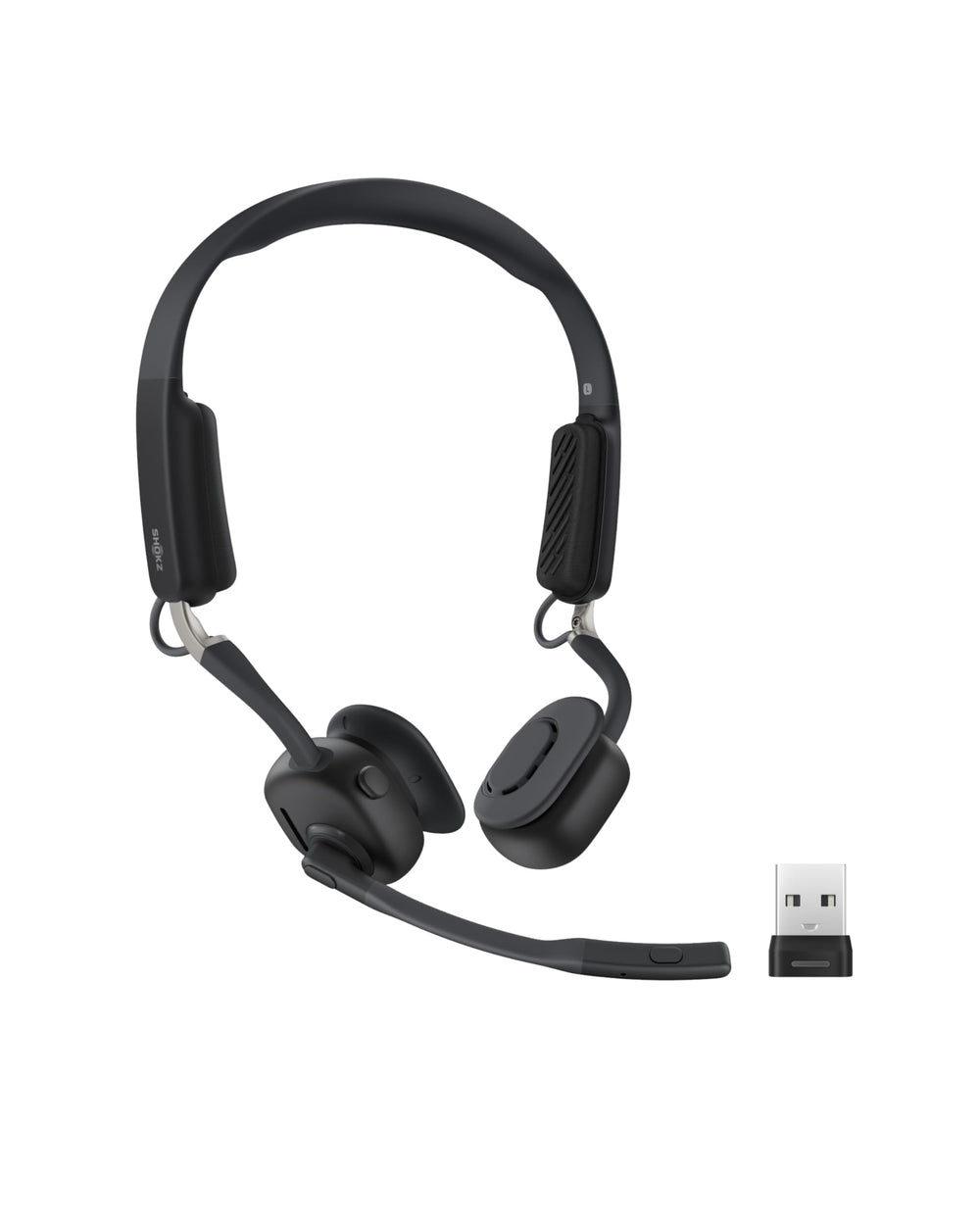
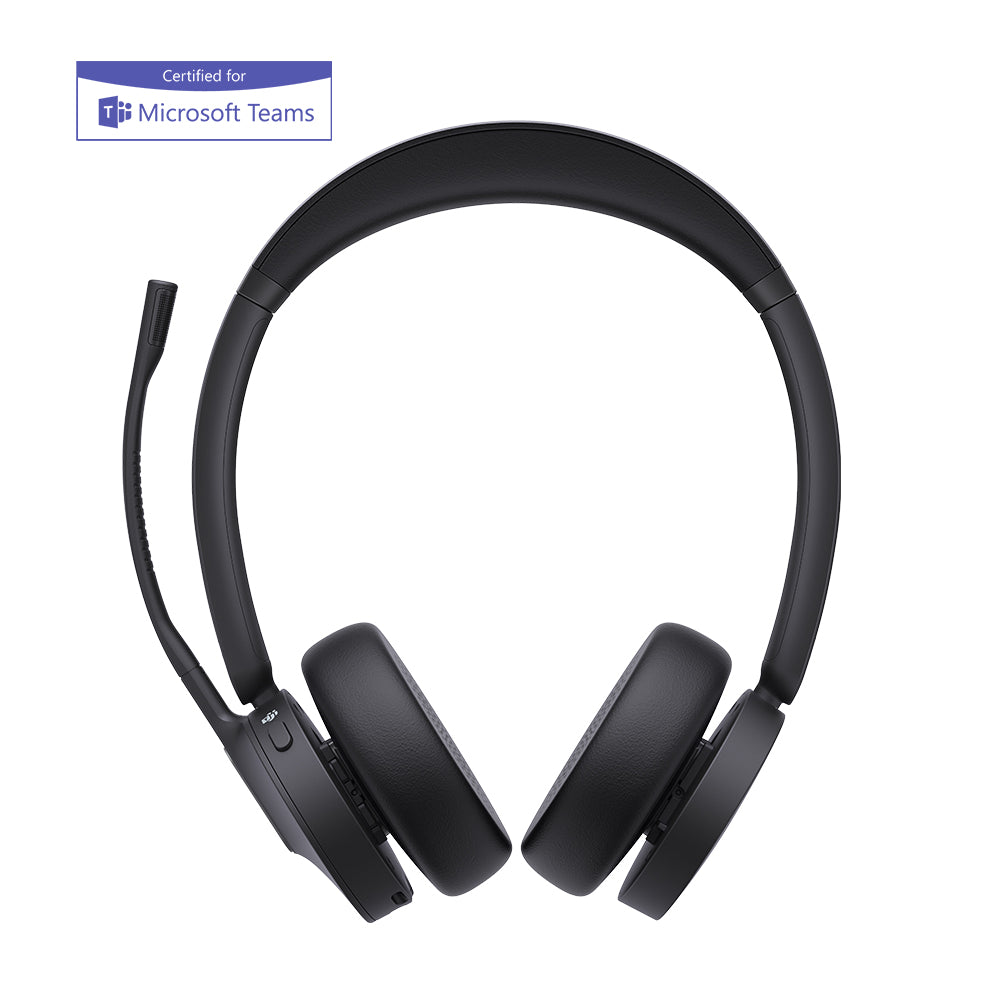
Best for agents or remote professionals using a computer-based dialer — Zoom, Microsoft Teams, Cisco Webex, or any UCaaS platform. These headsets route audio through the PC's USB controller, bypassing the motherboard audio chipset entirely and enabling onboard DSP (Digital Signal Processing) for echo cancellation and noise reduction. Look for Microsoft Teams Certified models if your organization has standardized on M365; Teams-certified devices surface call controls natively in the Teams client without requiring driver configuration.
- USB-A: Compatible with virtually all business laptops and desktops, including docking stations. The universal default for enterprise IT provisioning.
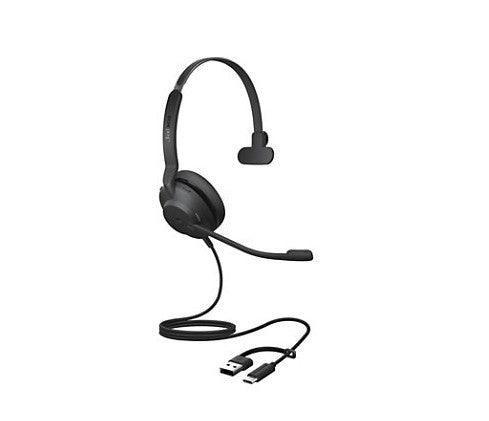
- USB-C: Required for modern ultrabooks and Chromebooks without a legacy USB-A port. Functionally identical audio performance to USB-A when the headset includes its own in-line call controller.
Quick Disconnect (QD) Wired Headsets (Desk Phone / Call Center)
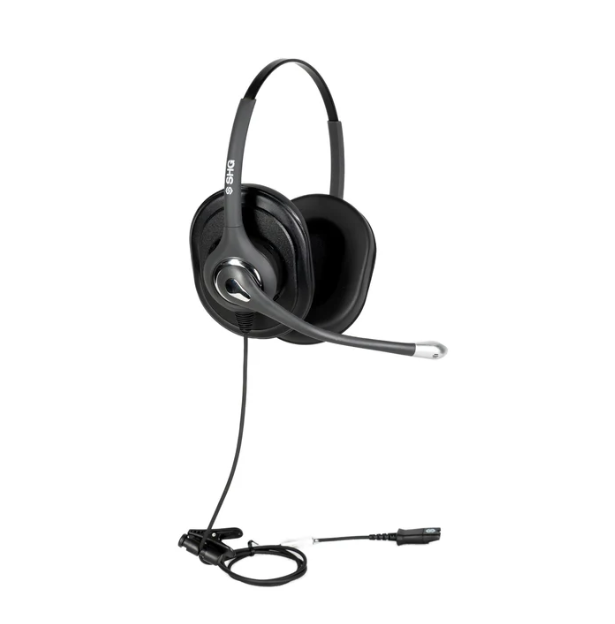
Quick Disconnect is the standard in any environment where agents swap headsets at shift changes or floor managers need to monitor calls via a training port. The QD connector sits between the headset and the bottom cable, so the headset itself disconnects from the desk phone base in under a second without unplugging the entire cable chain. This architecture requires a separate bottom cable — sold by connector type:
- RJ9 (also called RJ22 or 4P4C): The near-universal standard for analog desk phones (Polycom VVX, Yealink T-series, Cisco 7800/8800, Avaya J100). If your phone has a modular headset port, it almost certainly takes RJ9.
- 2.5mm: Found on older Panasonic KX-series and some Polycom analog handsets.
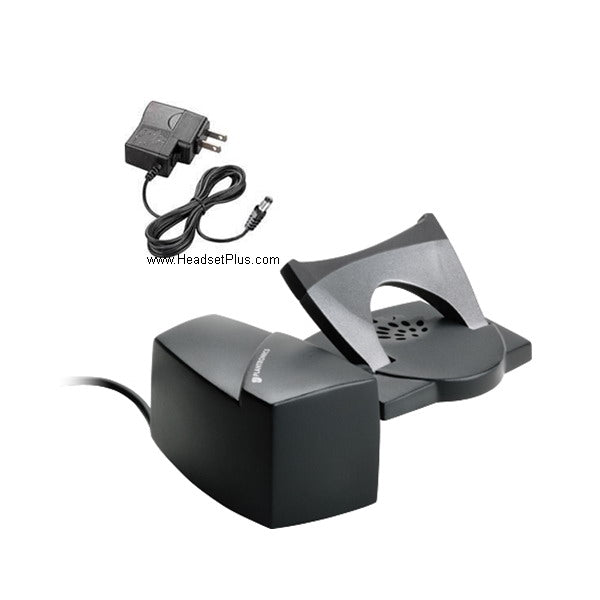
- EHS (Electronic Hookswitch) Cable: Required when agents need to answer/end calls from the headset without touching the phone. EHS cables are phone-model-specific — confirm your desk phone model before ordering.
Direct Connect Headsets (3.5mm TRRS / Fixed Cable)
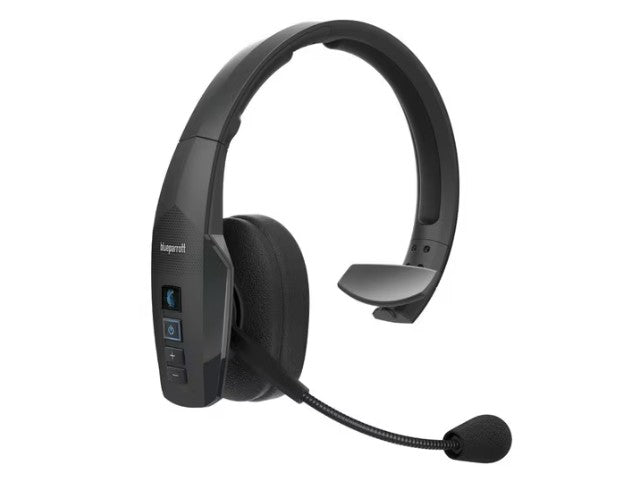
Direct Connect models terminate in a 3.5mm TRRS plug and connect straight into a PC's combo audio jack or a mobile device. Lower cost per unit, appropriate for lower-intensity use cases (back-office staff, single-shift workers) where QD flexibility and DSP processing are secondary priorities.
Binaural vs. Monaural Binaural
Binaural (dual-ear) headsets block ambient sound from both sides — the correct choice for 90 dB+ call center floors, open trading environments, or any space where background noise interferes with comprehension. Monaural (single-ear) headsets keep one ear free, which is operationally required in roles with a dual-channel listening requirement (supervisors, dispatch, air traffic support environments).
Deployment & Professional Use Cases
High-Density Call Centers (50+ Seats)
In environments where floor noise routinely exceeds 85–90 dB SPL, a headset with a noise-cancelling microphone (NCM) and onboard acoustic shock protection (ASP) is non-negotiable. ASP limits sudden audio spikes to a maximum of 118 dB peak SPL — critical for agent safety under EU Directive 2003/10/EC and OSHA guidelines on occupational noise exposure. QD models are standard in this context, enabling centralized fleet management through a single bottom-cable SKU across multiple headset models.
Hybrid and Remote Enterprise Workers
Remote professionals on Unified Communications (UC) platforms need a headset their IT department can manage without shipping hardware. USB headsets with Microsoft Teams Certified or UC-mode firmware are provisionable via Intune and compatible with most enterprise MDM stacks. The in-line call controller becomes critical here: mute, volume, and call-answer functions must be accessible without switching application windows.
Legacy PBX and IP PBX Environments
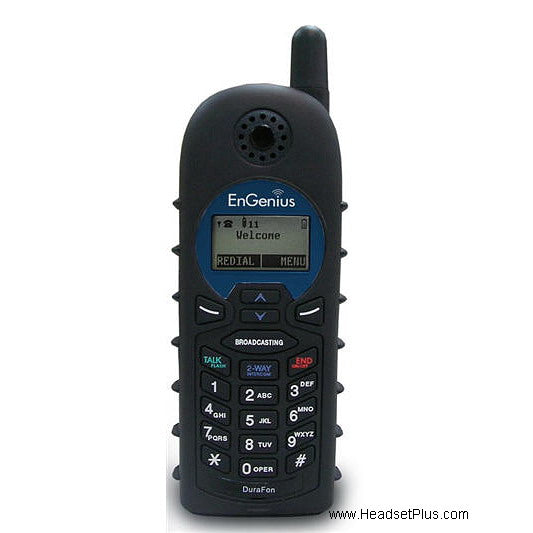
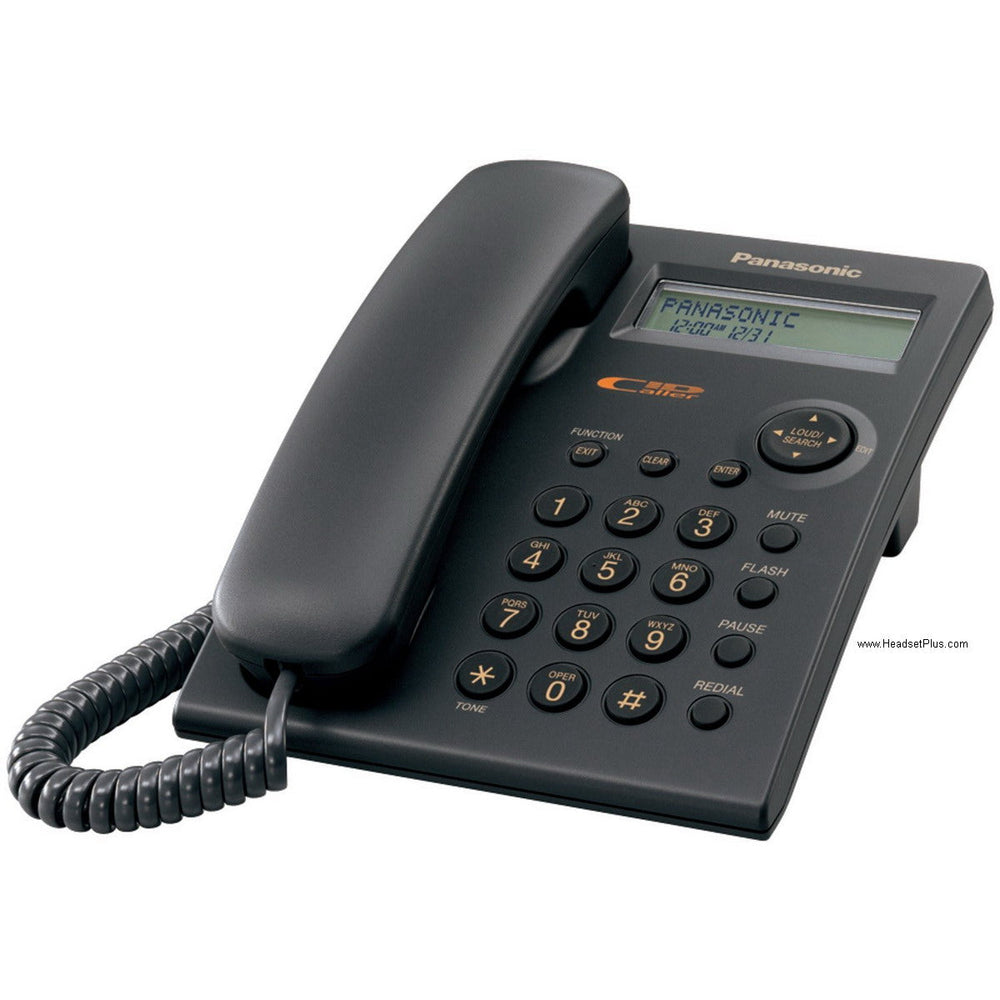
Organizations running on-premises PBX / IP PBX infrastructure (Mitel, NEC, Panasonic, older Cisco Call Manager deployments) often have desk phones that predate USB headset support. RJ9 QD headsets connected through a dedicated headset amplifier remain the highest-reliability path in these environments. The amplifier also provides independent volume control and hearing protection circuitry not available through a direct phone connection.
The Headset Plus Quality Guarantee
Every wired headset in this collection ships with full manufacturer warranty coverage — typically 2 years — honored directly by Headset Plus as an authorized US reseller. Our team supports enterprise procurement teams with bulk configuration guidance, EHS cable compatibility verification, and replacement unit coordination so IT departments aren't managing warranty claims individually across large fleet deployments. All products are shipped from US-based fulfillment, with no gray-market or re-imported units.