



























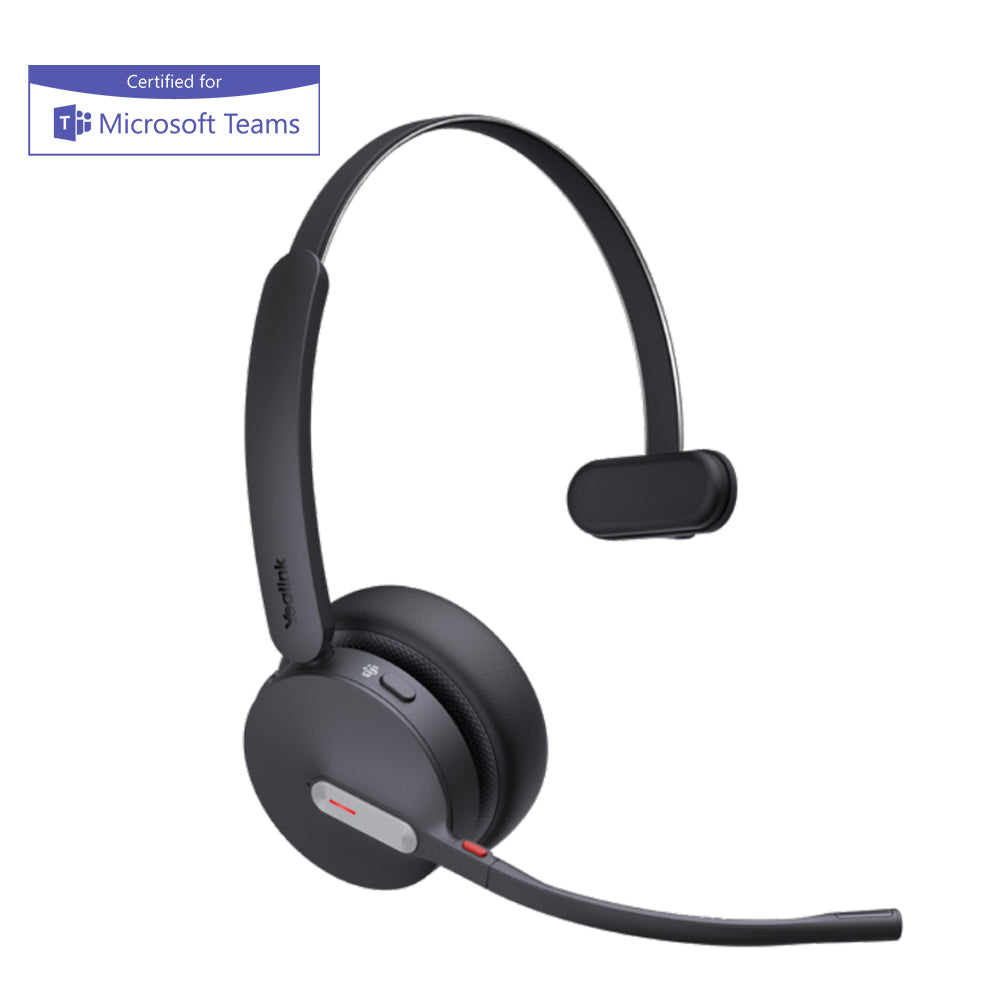



If you spend hours a day on the phone at a desk, how you hold that phone matters more than it might seem. Cradling a handset between your ear and shoulder — the classic pose for anyone trying to type and talk at once — puts real, sustained strain on your neck. Here's why that matters, and how a headset removes the problem entirely.
Key takeaways
- Cradling a phone handset between your ear and shoulder holds your neck in a sustained, unnatural tilted position.
- Occupational health research has long identified sustained awkward neck postures as a risk factor for shoulder and neck strain.
- A headset lets you keep a neutral head position and both hands free, removing this specific strain entirely.
- This benefit applies most directly to anyone spending significant daily time on the phone while also typing or writing.
- A comfortable, well-fitted headset (not just any headset) makes the biggest practical difference for all-day wear.
Why cradling a handset strains your neck
Holding a phone handset without your hands means pinning it between your ear and shoulder — and to keep it there, your neck has to stay tilted and your shoulder raised for as long as the call lasts. Do that occasionally and it's a minor annoyance. Do it for hours a day, day after day, and it becomes a sustained, awkward posture your neck and shoulder muscles have to hold well past their comfortable range.
Myth
Neck and shoulder strain from phone use is a minor, made-up concern.Reality
The underlying mechanism is genuine and well established in occupational health research: sustained, awkward postures — including the tilted-neck position needed to cradle a phone handset — are a recognized risk factor for musculoskeletal strain in the neck and shoulders. The U.S. National Institute for Occupational Safety and Health (NIOSH) reviewed a substantial body of workplace research on this topic in the late 1990s and found consistent evidence linking prolonged awkward postures and static muscle load to increased risk of shoulder and neck problems. This isn't a marketing invention — it's a genuine, if unglamorous, occupational health finding.How a headset removes the problem
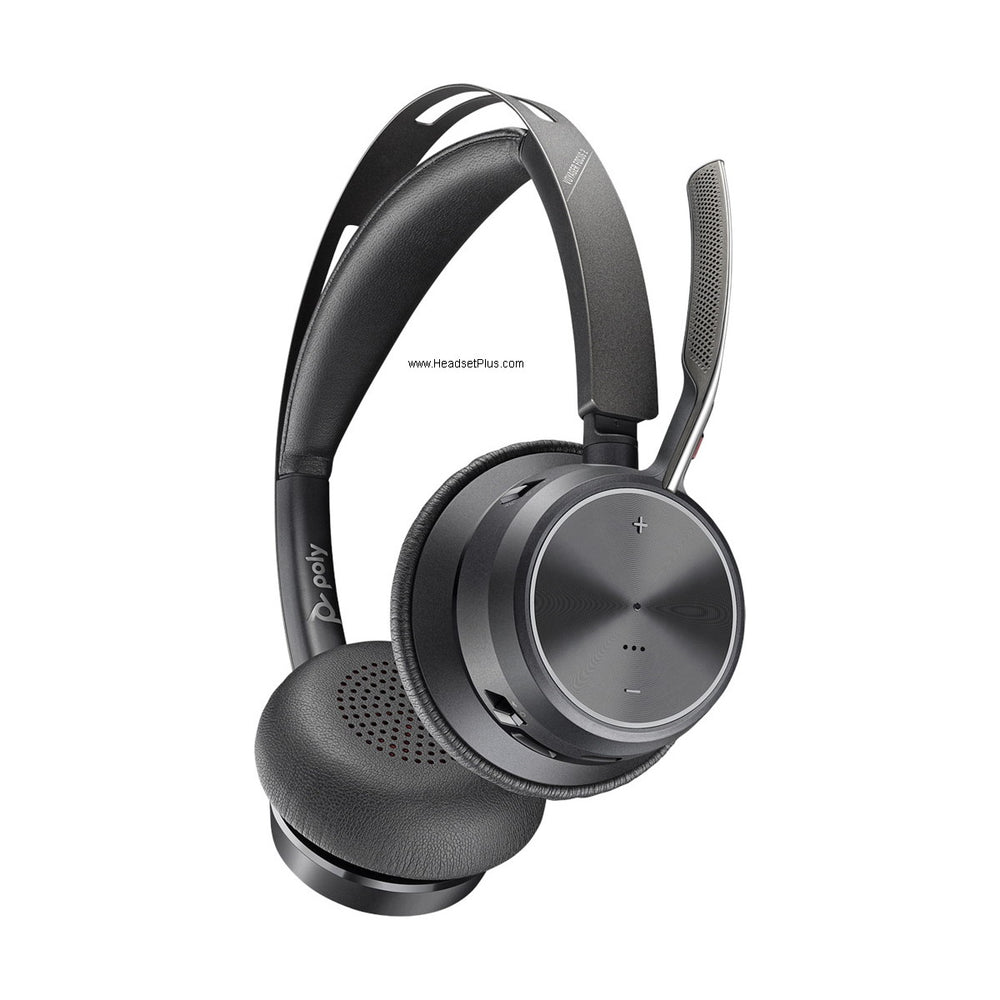
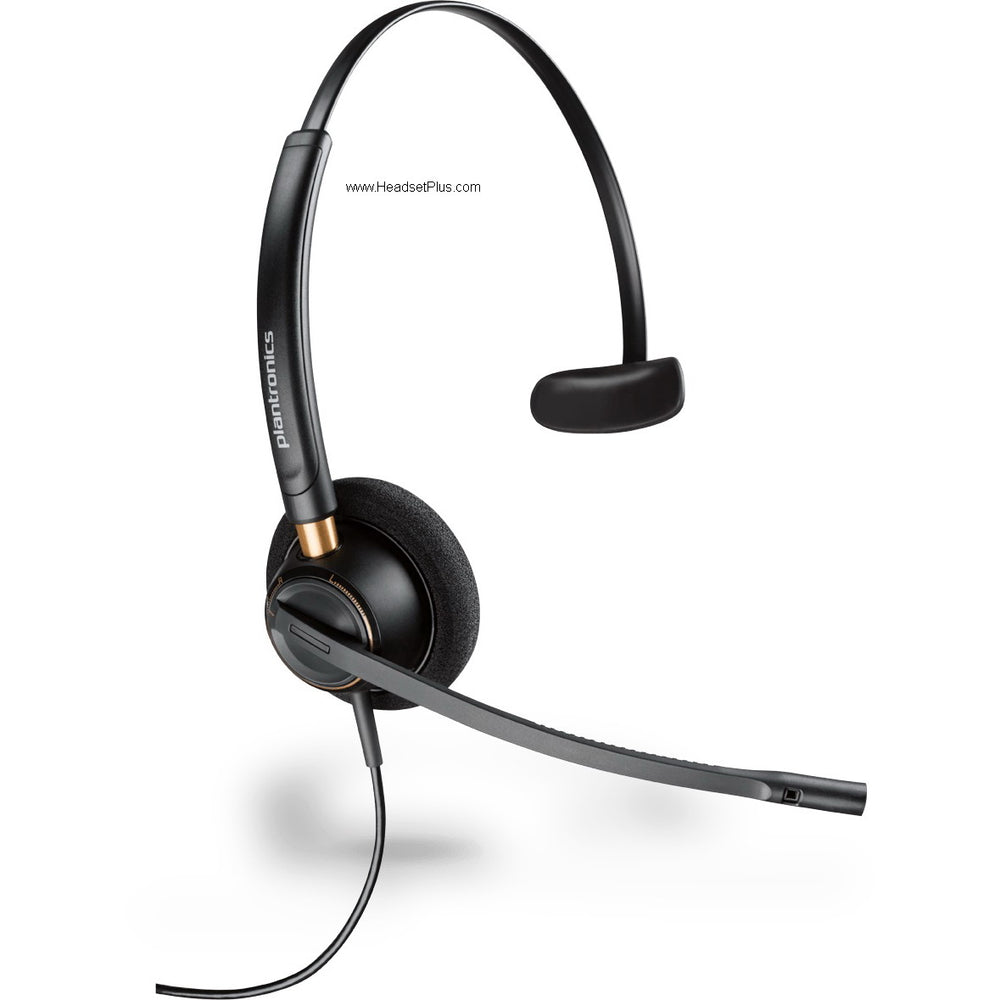
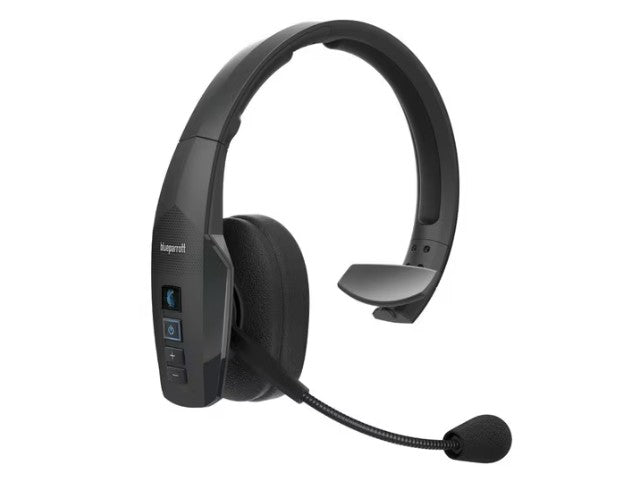
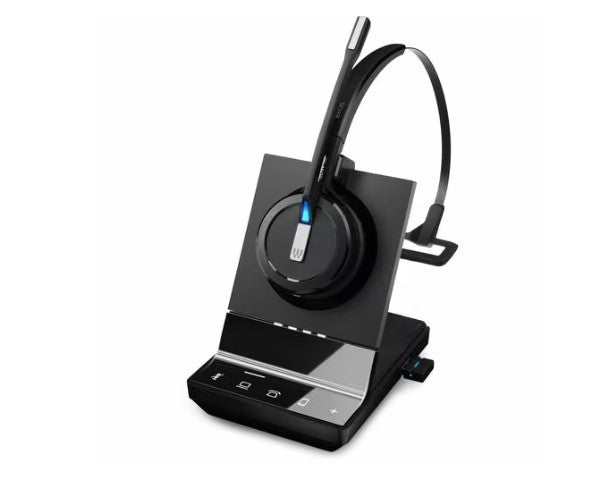
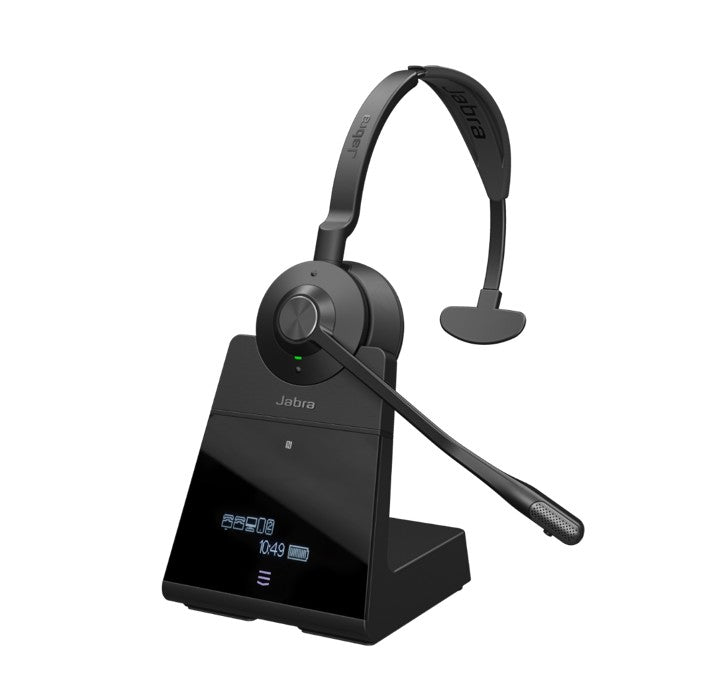
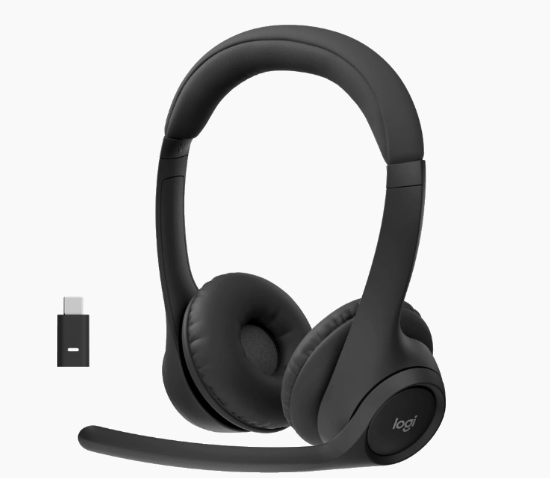
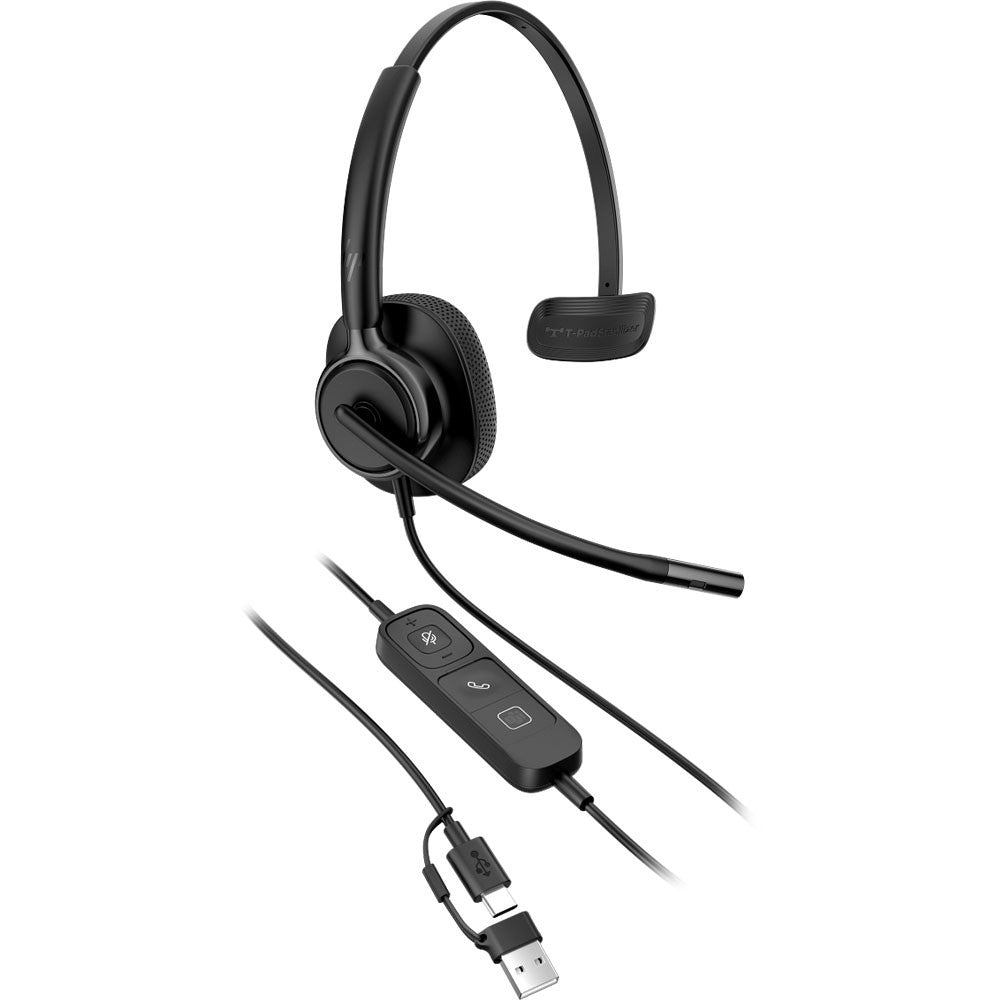
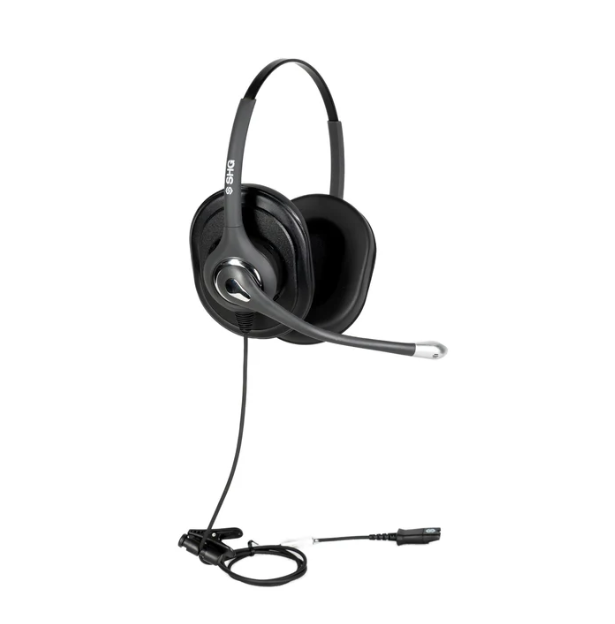
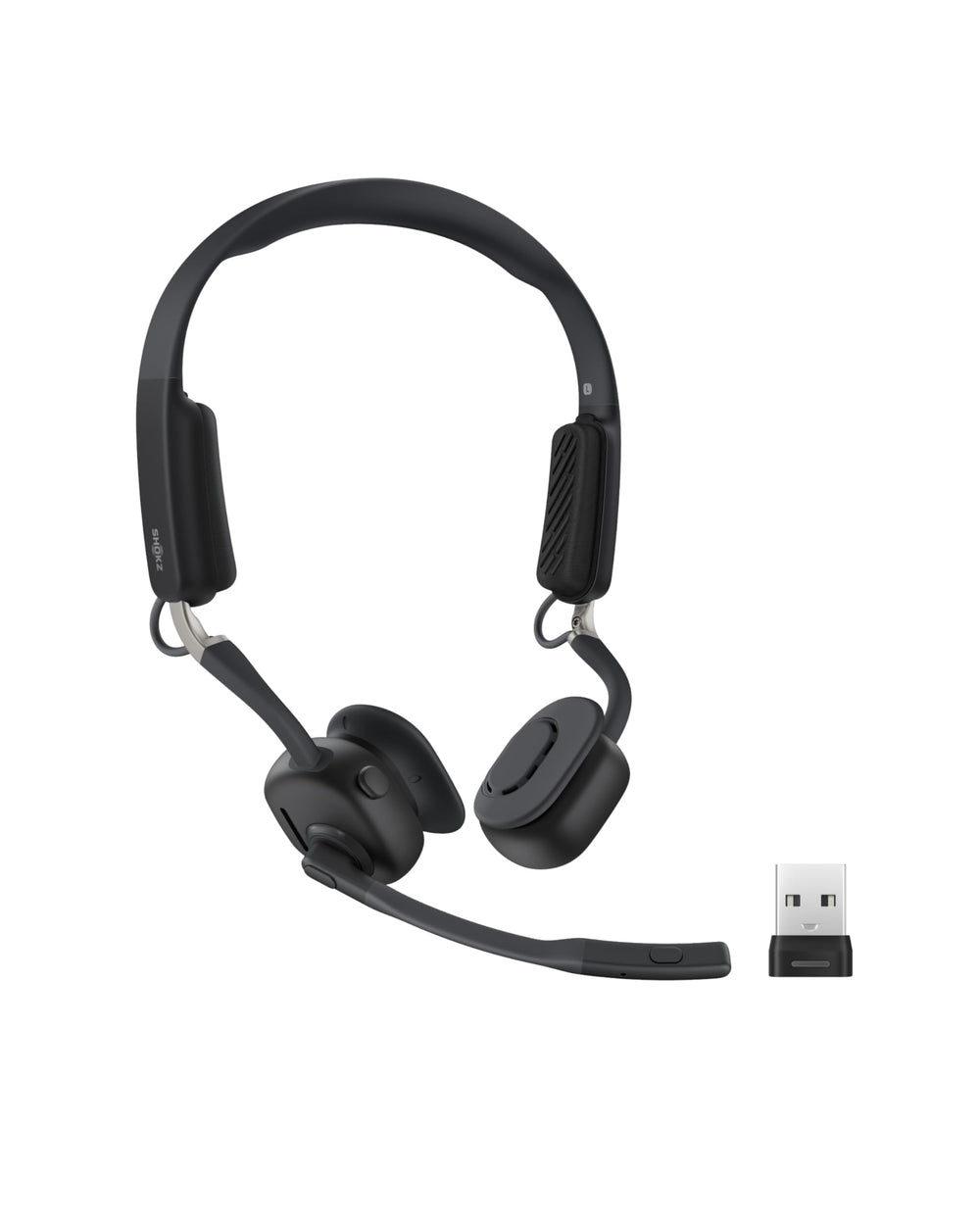
A headset solves this directly: your head stays in its natural, neutral position, and both hands are free the entire time, whether you're typing, writing notes, or just sitting normally. There's no tilting, no raised shoulder, and no static muscle load held in place for the length of a call.
This is genuinely the original reason office headsets exist — telephone operators adopted them decades before they became standard for everyone else, for exactly this reason. Today the same benefit applies to anyone who spends real time on the phone while also using their hands for something else: customer service reps, executives, and anyone fielding calls throughout the workday.
What actually makes the difference
The ergonomic benefit depends on the headset actually fitting well and being comfortable enough to wear for real stretches of the day — an ill-fitting or uncomfortable headset just trades one discomfort for another. Look for adjustable ear cushions or ear tips, a lightweight design, and (for wireless) enough battery life to cover your actual call volume without needing a mid-shift swap. Our guide to choosing a wired headset and monaural vs binaural comparison both cover the fit and comfort factors that matter most for all-day wear.
Does using a headset actually help with neck and shoulder pain?
The underlying reasoning is genuine: cradling a phone handset between your ear and shoulder holds your neck in a sustained, awkward tilted position, which occupational health research has long identified as a risk factor for shoulder and neck strain. A headset removes this specific posture entirely by keeping your head neutral and your hands free.
Is there research supporting headsets for reducing workplace strain?
Yes, in the sense that occupational health researchers, including the U.S. National Institute for Occupational Safety and Health (NIOSH), have documented that prolonged awkward postures and static muscle load are risk factors for musculoskeletal strain in the neck and shoulders — the specific problem a headset addresses by eliminating the need to cradle a phone handset.
Who benefits most from switching to a headset?
Anyone who spends significant daily time on the phone while also needing their hands free for something else — typing, writing, or handling documents. This includes customer service and call center staff, executives on frequent calls, and anyone whose job involves regular phone time alongside other desk work.
The case for a headset isn't really about a dramatic health transformation — it's a straightforward fix for a specific, avoidable strain: the awkward neck position that comes from holding a phone without your hands. If you're on the phone for real stretches of your day, that's worth solving. Browse our current range of office headsets, or call our team at 877-999-3838 for help finding a comfortable fit for your specific needs.
Was this article helpful?
Thanks for letting us know.

Comments (0)