



























On a spec sheet it looks like the easiest decision in the whole purchase: one earpiece or two. But the monaural vs binaural headset choice is less about comfort than most buyers assume and more about a trade you'll feel by mid-afternoon — how much of the room you want to hear, against how much you want to shut out.
Neither is better. They're tuned for different jobs, and picking the wrong one means an agent who can't hear a colleague lean over the partition, or one who can't concentrate through the floor. The label that sounds premium isn't automatically the one that fits.
Key takeaways
- Monaural = one earpiece (open ear, room awareness); binaural = two (isolation, focus).
- The real trade is awareness vs isolation — not which is more comfortable.
- For phone calls, binaural plays the same mono audio in both ears; true stereo only matters for music or media.
- Mono headsets are lighter — Poly's EncorePro line runs 50 g mono vs 72 g binaural.
- All-day comfort is decided more by weight, cushion and clamp force than by ear count.
Monaural vs binaural headset: what's the actual difference?
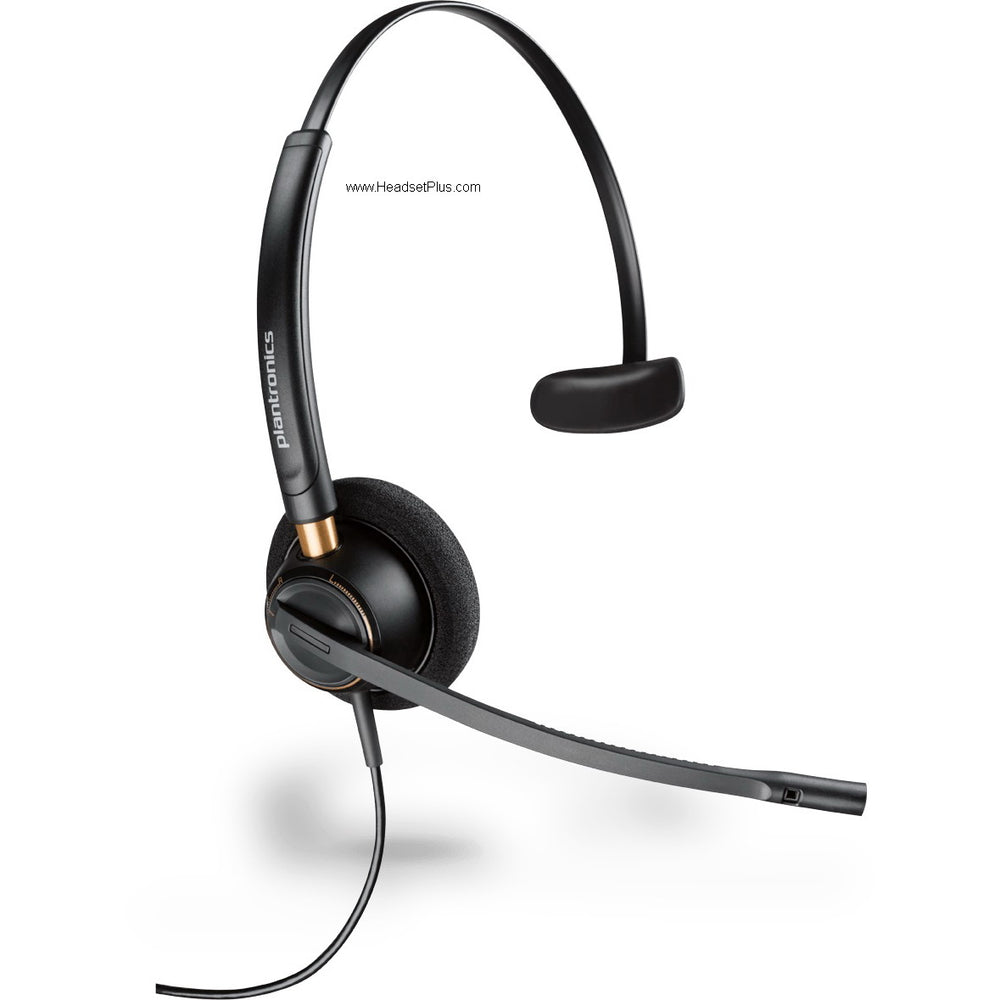
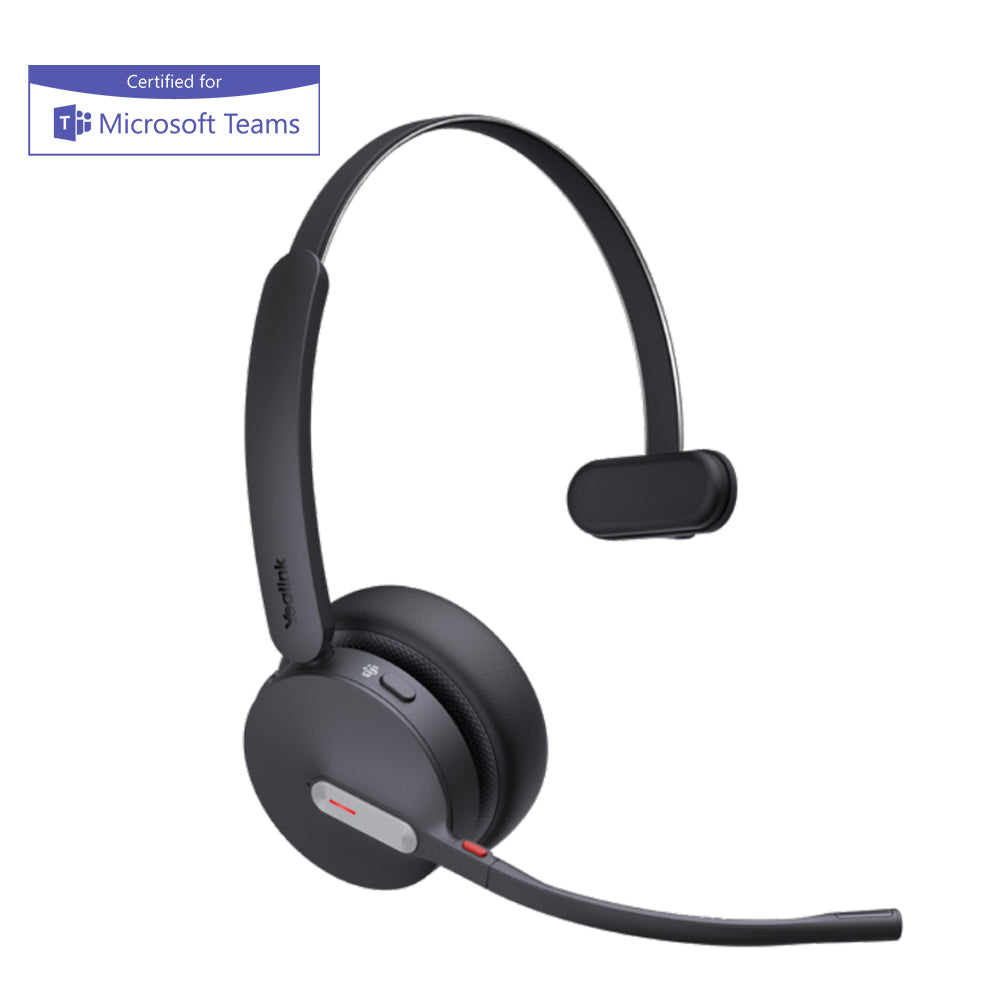
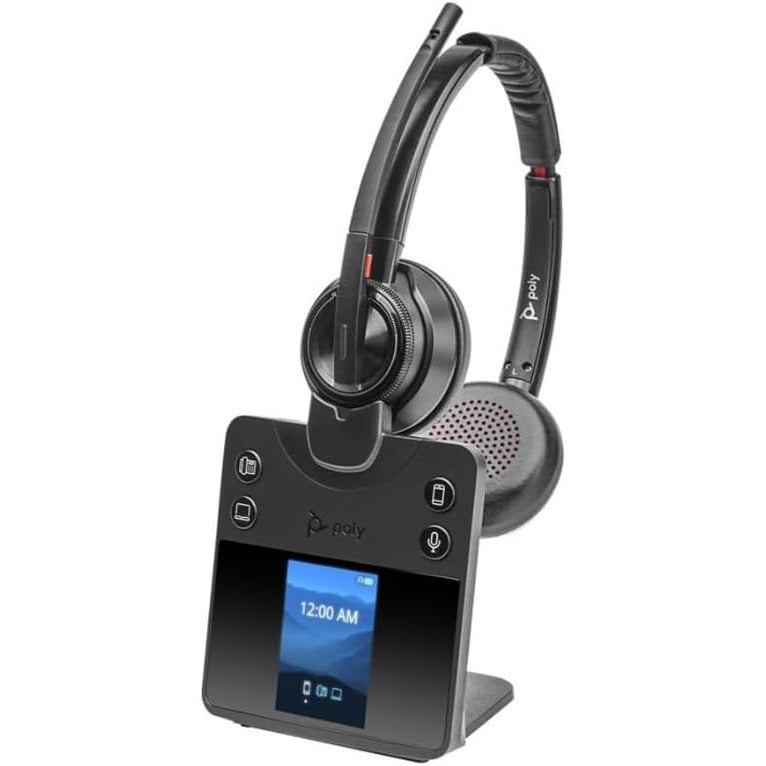
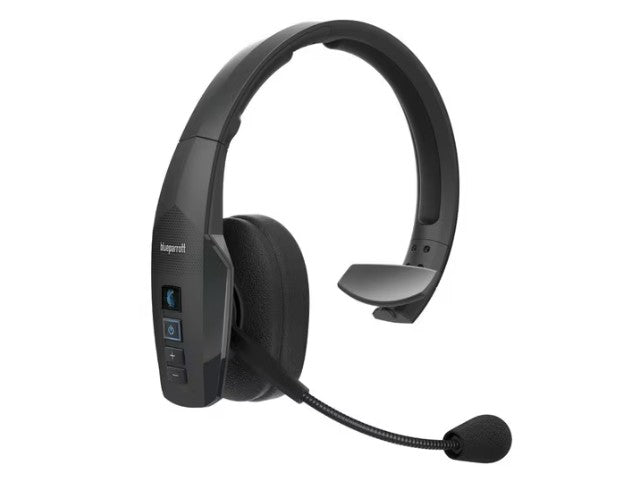
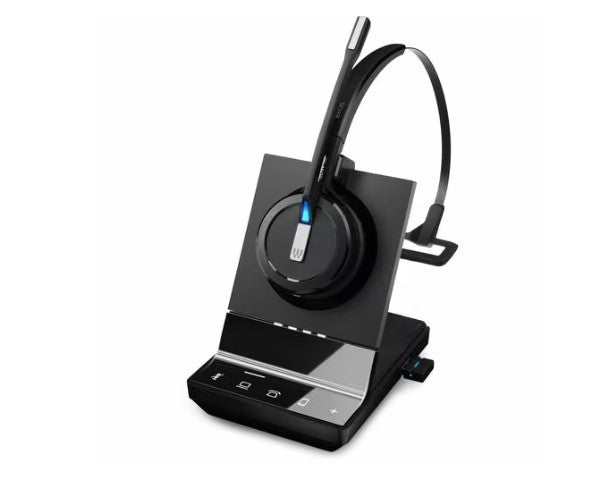
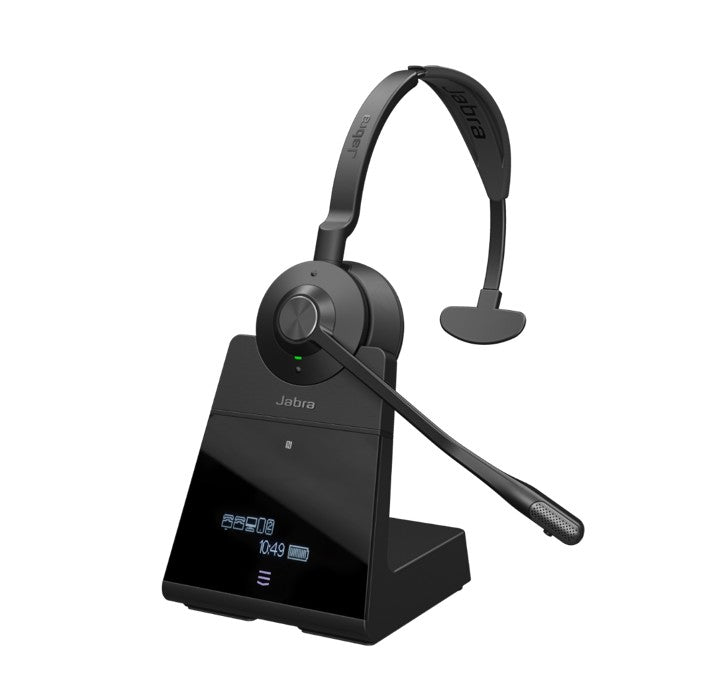
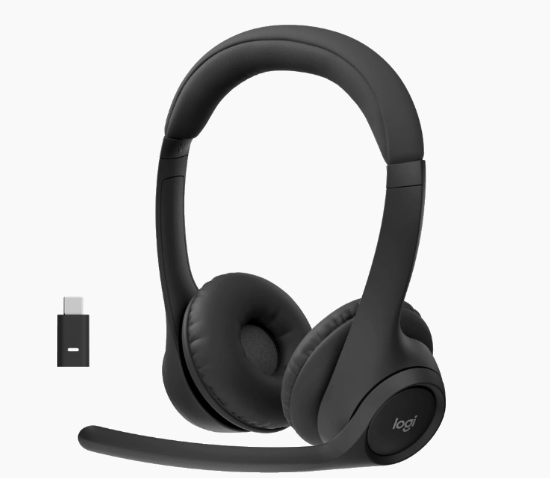
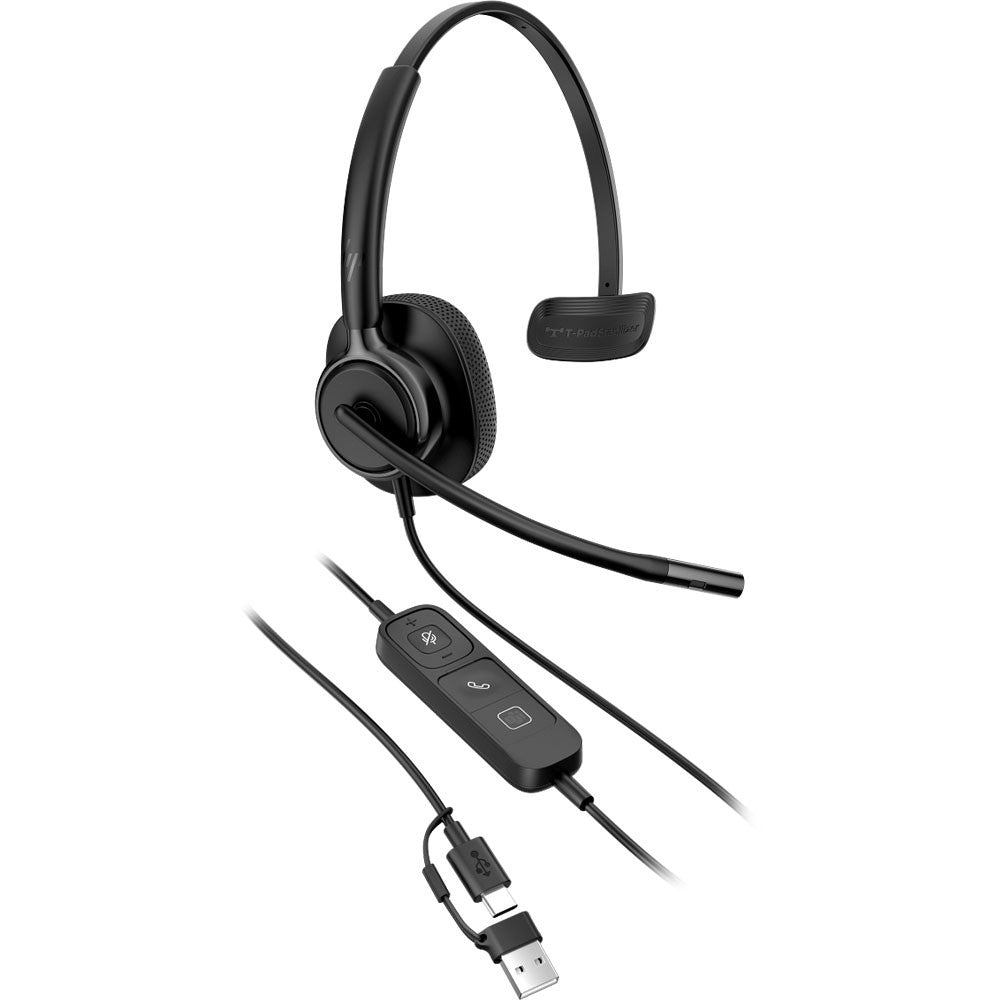
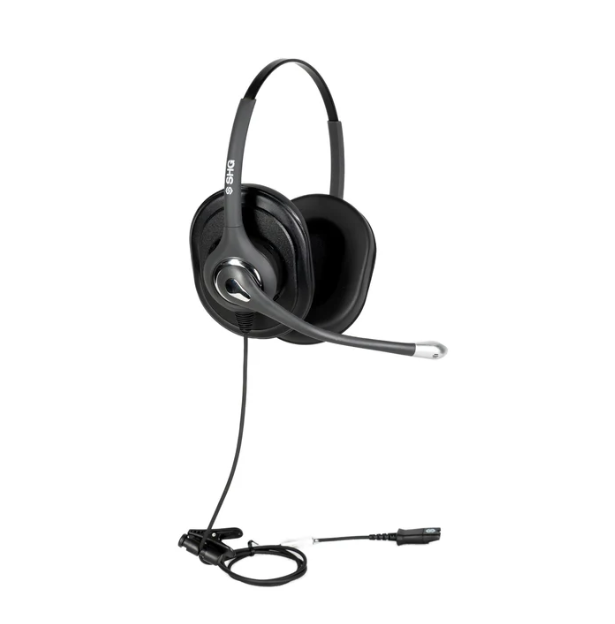
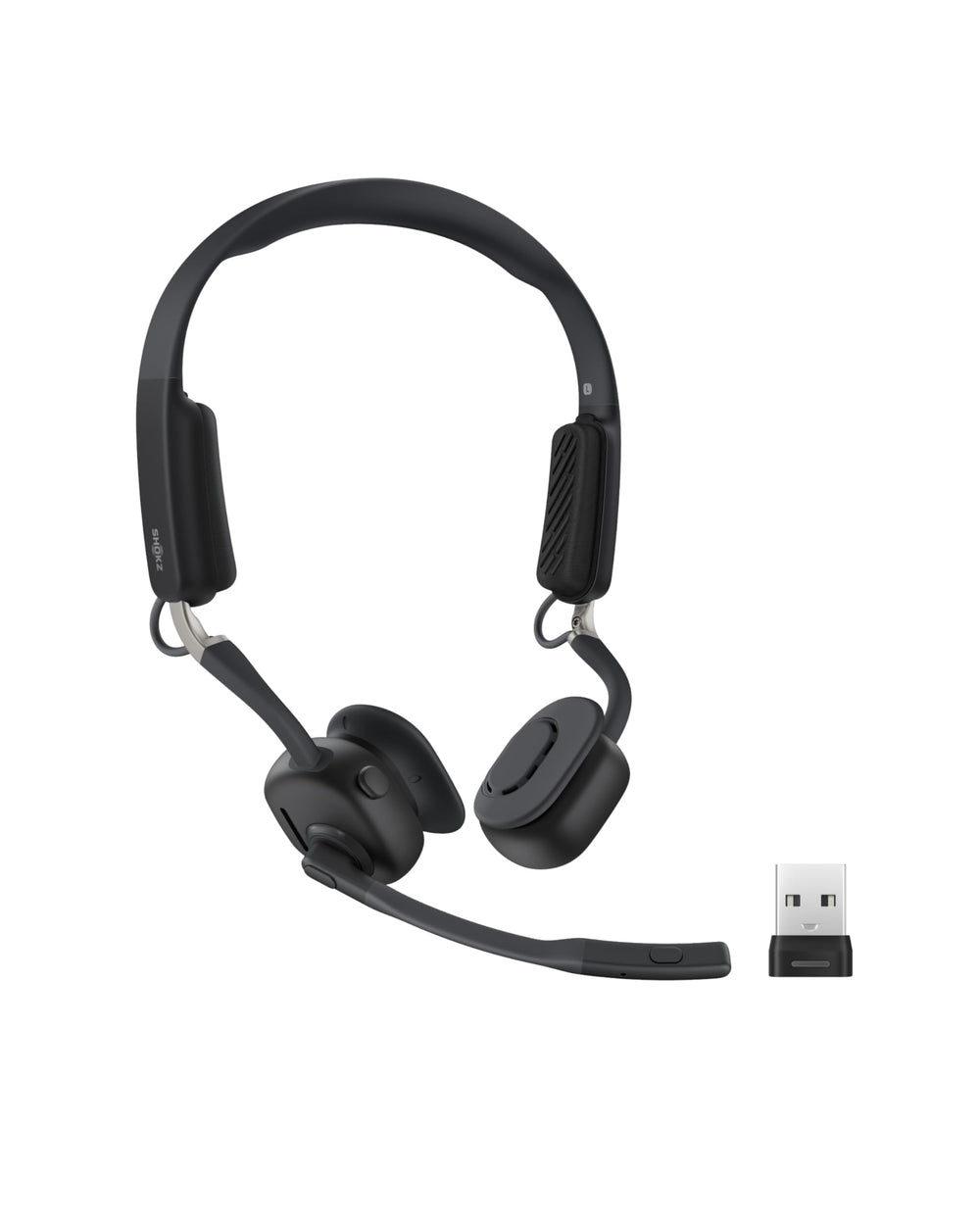
A monaural (mono) headset covers one ear; a binaural headset covers both. That single difference drives everything else — how much of the room you hear, how heavy the headset sits on your head, and whether you can talk to the person beside you without taking it off.
| Monaural | Binaural | |
|---|---|---|
| Earpieces | One | Two |
| Room awareness | High — one ear stays open | Low — both ears covered |
| Focus / isolation | Lower | Higher |
| Typical weight | Lighter | Heavier |
| Best for | Floor agents, supervisors, collaboration | Solo focus, noisy home offices |
Single ear vs double ear headset: which suits your work?
Match the single ear vs double ear headset choice to how you actually work, not to which sounds more capable. The deciding question is whether your day depends on hearing the room or shutting it out.
- Monaural: floor agents, supervisors, collaborative teams, hot-desking — anyone who needs alerts, announcements, or a quick word with a neighbor
- Binaural: specialists on focused call types, work-from-home agents in noisy rooms, anyone whose work is deep concentration over awareness
One ear or two ear headset for a call center?
For a call center, one ear is the traditional default — agents need to hear the customer and the floor at once, ask a neighbor for help, and stay aware of announcements without removing the headset. Two-ear models suit specialist or quiet-room roles where focus beats awareness. It's partly cultural, too: mono dominates US and UK call floors, while binaural is the more common pick across continental Europe.
There's an acoustic angle to the one ear or two ear headset for call center decision as well. A binaural headset's second earcup adds passive isolation — the physical blocking of office noise — which is a different mechanism from the noise-cancelling microphone that keeps your callers from hearing the floor. The two get conflated constantly, and we separate them in noise-cancelling mic vs active noise cancellation.
Mono vs stereo office headset: is binaural the same as stereo?
For phone calls, no — a binaural office headset isn't true stereo; it plays the same mono call audio in both ears. The benefit of the second earcup is isolation and focus, not channel separation.
Binaural: A headset with two earpieces. For voice calls it delivers the same single-channel audio to both ears; true stereo — distinct left and right channels — applies to music and media, not telephone calls.
This is where the mono vs stereo office headset wording trips people up. Some binaural headsets are marketed as "stereo" because they can reproduce separate channels for music on a break — but on an actual call, the source is mono, so both ears hear the same thing whichever model you buy. If your team's headsets are only ever used for calls, "stereo" is a feature you'll never hear.
The most comfortable headset for all-day wear
The most comfortable headset for all-day wear is the one matched to your head and your noise level — and its comfort comes from weight, clamp force, and cushion material far more than from the number of earpieces.
Myth
Binaural (two ears) is the more comfortable choice for all-day wear.Reality
Not reliably. Two earcups add weight and warmth, and a firm binaural clamp announces itself by hour six. Plenty of agents find a lighter mono headset cooler and easier across a full shift, while others prefer the seal of binaural. It's a personal fit decision, not a default — try both before kitting out a floor.The weight gap is real and measurable, even within a single product line built to the same design:
Poly EncorePro: 50 g monaural (HW710) vs 72 g binaural (HW720) — same line, one earcup of difference[/datapoint>Cushions matter as much as grams. Leatherette seals better and blocks more noise but warms the ear over a long afternoon; foam breathes and stays cooler but lets more of the room through. Run a binaural headset with leatherette cushions through a hot day and you'll feel it. If your team is split between awareness and focus needs, convertible models like the Jabra Biz 1500 (mono or duo) cover both styles, and comfort is one of the five decisions in our wired headset buying guide. Compare mono and binaural models side by side on the wired office headsets collection.
What's the difference between a monaural and binaural headset?
A monaural vs binaural headset comes down to earpieces: monaural covers one ear, binaural covers both. Monaural leaves an ear open so you stay aware of the room, while binaural seals both ears for isolation and focus. The choice is about awareness versus concentration, not which one sounds better, since both use the same call audio.
Is a mono or binaural headset better for a call center?
For a call center, a monaural headset is the traditional choice because agents need to hear customers, colleagues and floor announcements at the same time. A binaural headset suits specialist or quiet-room roles where deep focus matters more than awareness. Many floors run mono for general agents and binaural for the few who need to block distractions.
Is a binaural headset the same as stereo?
Not for phone calls. A binaural office headset has two earpieces but plays the same mono call audio in both, so it isn't true stereo. Stereo — separate left and right channels — only applies to music and media. In a mono vs stereo office headset comparison, the second earcup buys isolation and focus, not channel separation on calls.
Which is more comfortable for all-day wear, mono or binaural?
There's no single most comfortable headset for all-day wear, because comfort depends on weight, clamp force and cushion type more than ear count. Mono headsets are lighter and cooler, since they cover one ear; binaural seals both, which some find more comfortable and others find warm by late afternoon. Fit and cushion material decide it, so try both.
What's the difference between a single ear and double ear headset?
A single ear (monaural) headset uses one earpiece and leaves the other ear open for surrounding sound, while a double ear (binaural) headset covers both ears to block distractions. Single ear suits awareness and collaboration; double ear suits focus and noisier settings. The double-ear version also adds passive isolation from its second earcup.
Should I choose a monaural vs binaural headset for focus work?
For focus work, a binaural headset is usually the better choice in the monaural vs binaural headset decision, because two earcups seal out more of the room and reduce distraction. Monaural is better when you still need to hear colleagues or alerts. Pair binaural with the right cushion and a comfortable weight so it stays wearable across a full day.
Decide by your ears, not the marketing. If you need to hear the room — colleagues, alerts, the customer and the floor at once — go monaural and keep an ear open. If you need to shut the room out and concentrate, go binaural and let both cups seal. Then make it fit, because weight and cushion decide whether you still like the headset at 5 p.m. Compare both styles on the wired office headsets collection, or see where ear count sits among the five decisions in the wired headset buying guide.