






















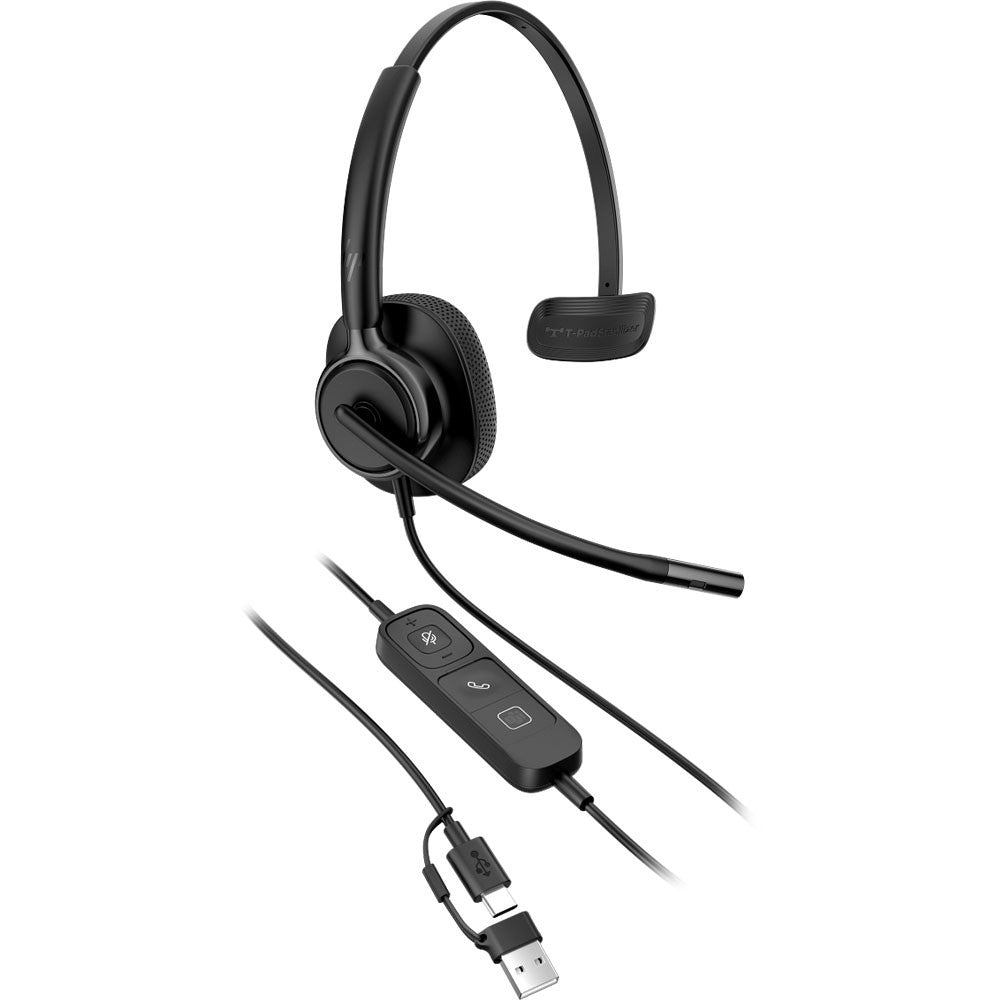

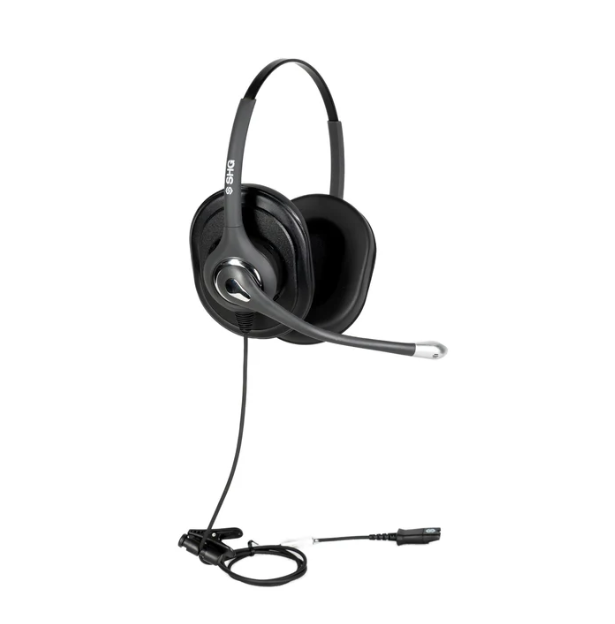

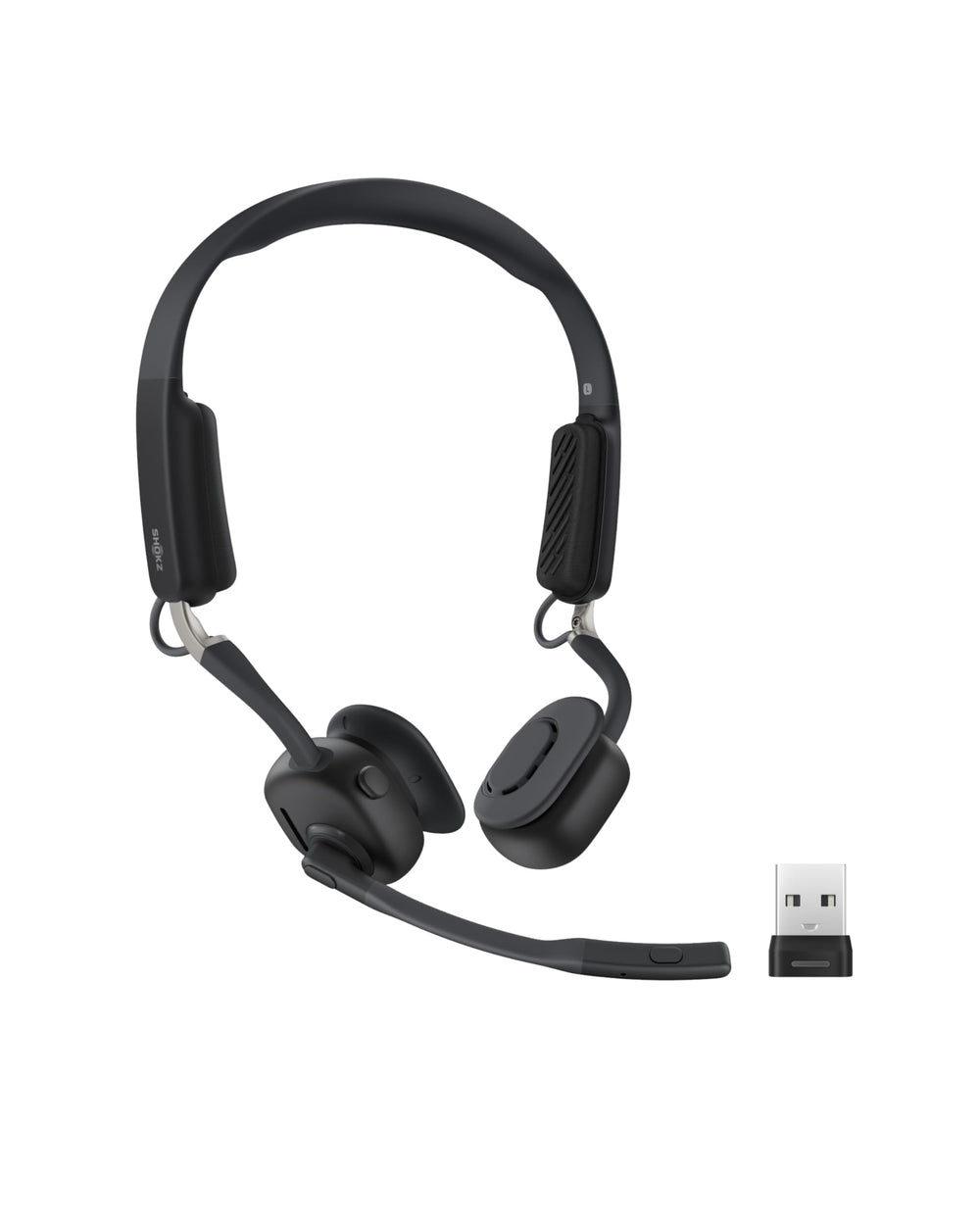

Call Center Headsets
Call center headsets built for hundreds of calls a day
These are the call center headsets we sell to supervisors outfitting a floor, not just a desk — durable enough for three shifts a day, comfortable enough for eight hours straight, and quick to swap when someone steps away mid-call.
The one spec worth checking before anything else: hearing protection. It's the feature that separates a real contact center headset from an office headset wearing a QD cord.
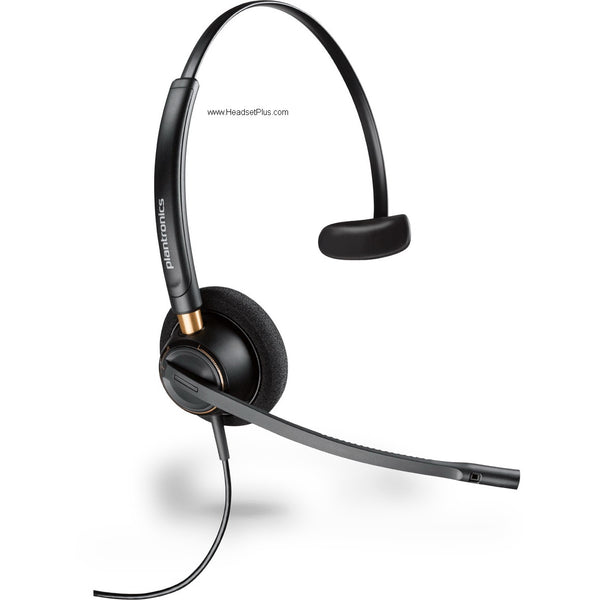
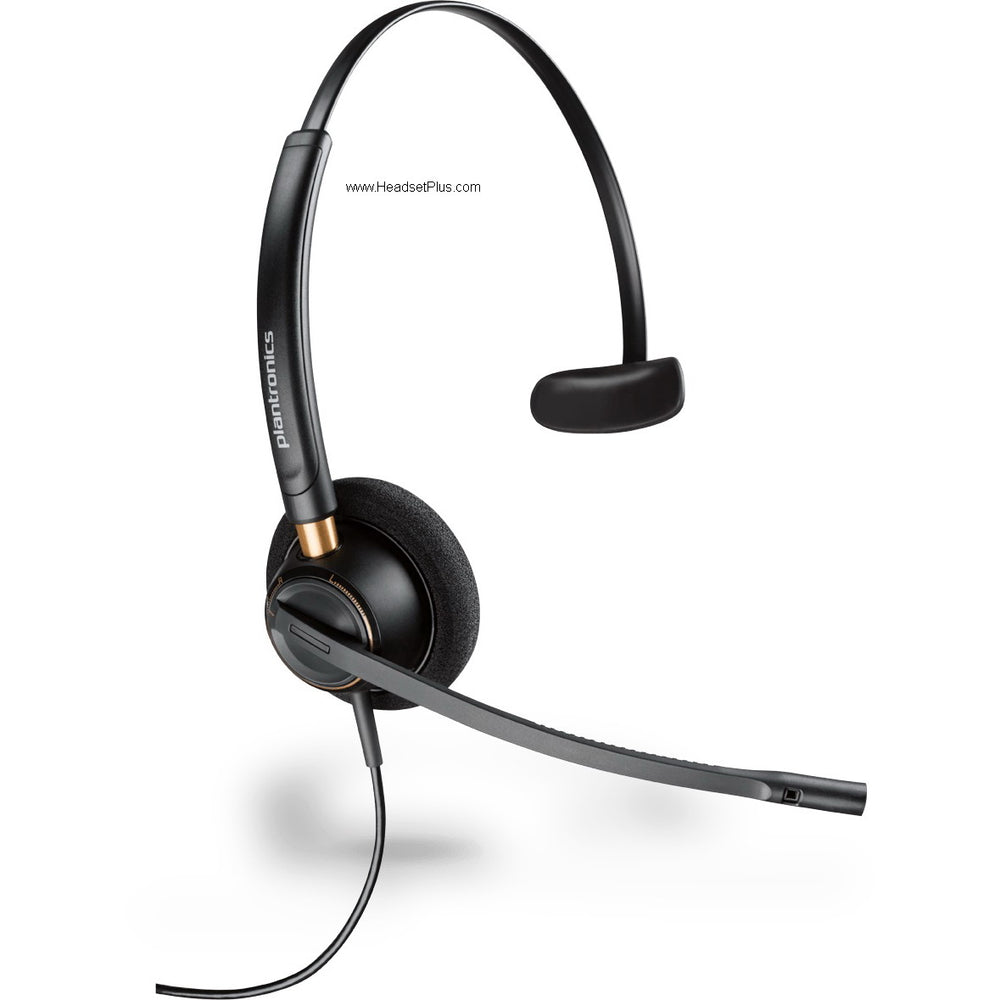
Plantronics EncorePro HW510 Mono Wired Headset (Noise-Canceling or Voice Tube)
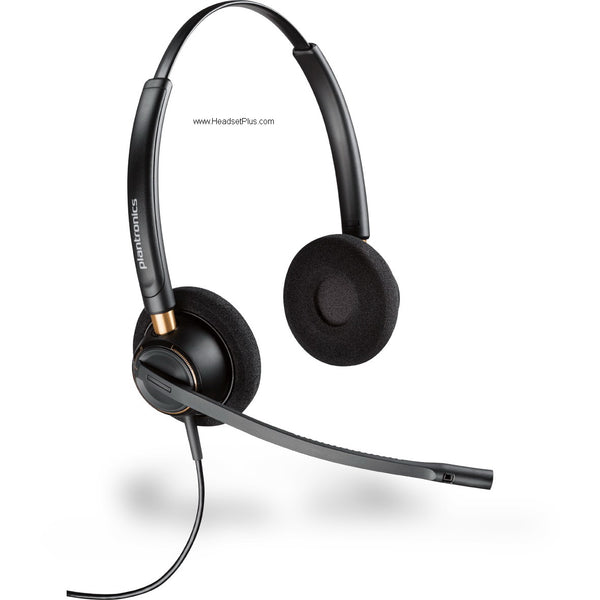
Plantronics EncorePro HW520 Binaural Wired Headset (Noise-Canceling or Voice Tube)
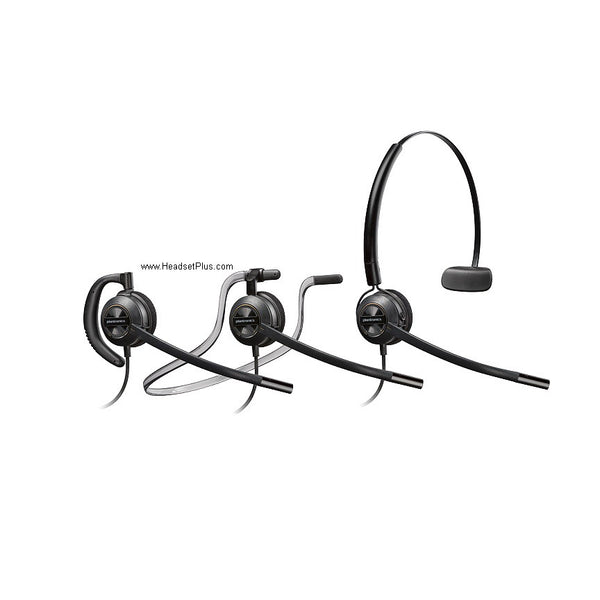
Plantronics EncorePro HW540 3-in-1 Convertible Wired Headset (QD or Phone-Specific)
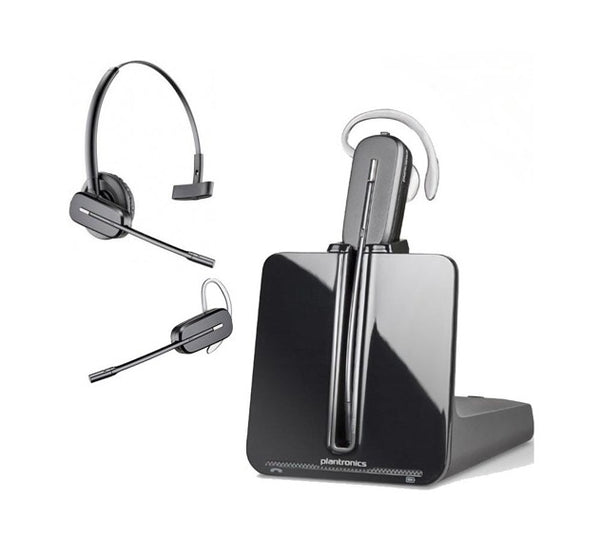
Plantronics CS540 Wireless Headset
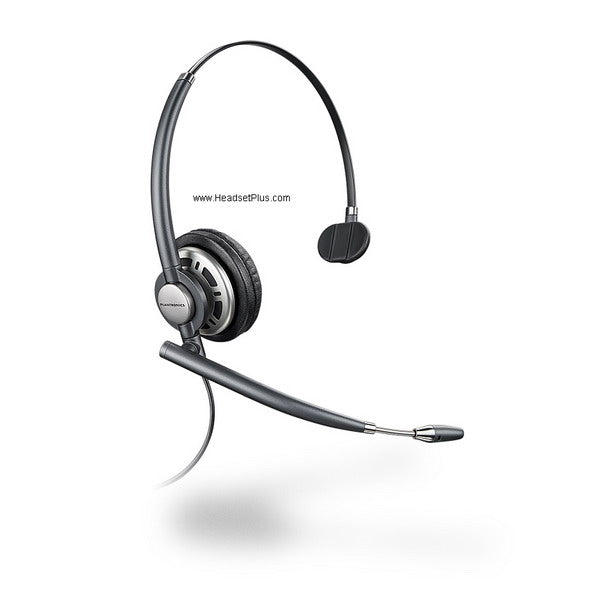
Plantronics EncorePro HW710 Mono Wired Headset (QD or Phone-Specific)
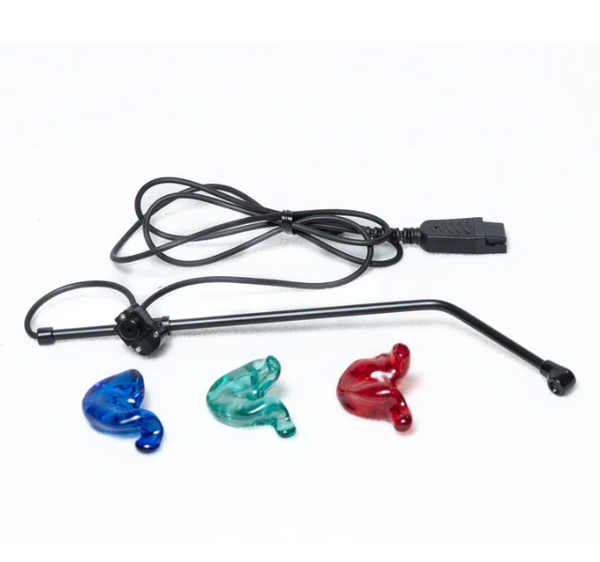
SHG S 131-PL In-Ear Headset with Non-Noise Canceling Mic
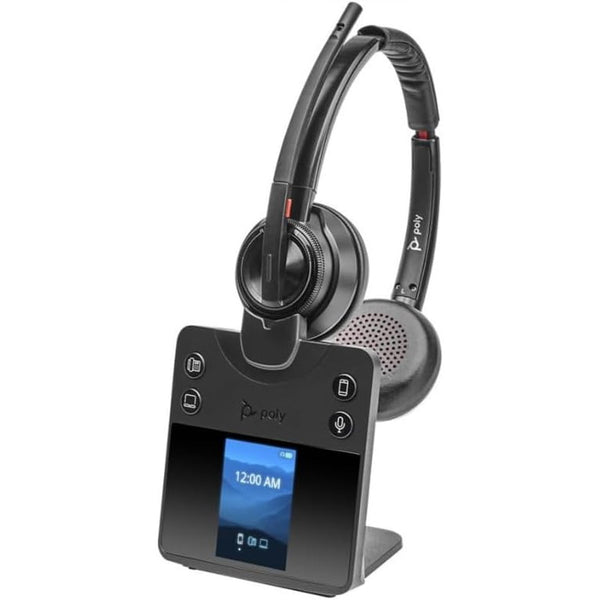
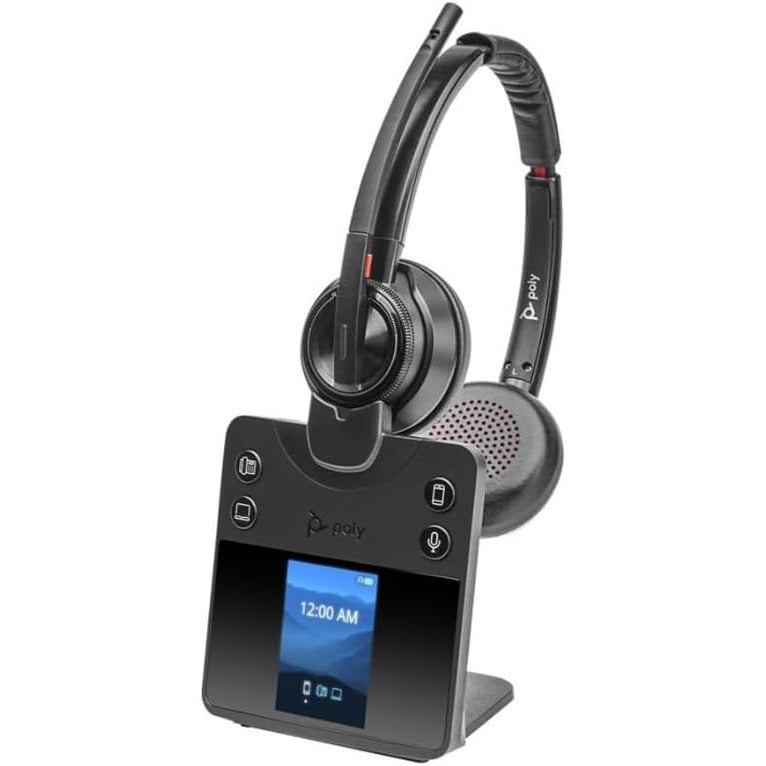
Poly Savi 8420 DECT Wireless Stereo Headset with ANC (EHS Remote Answer Options)
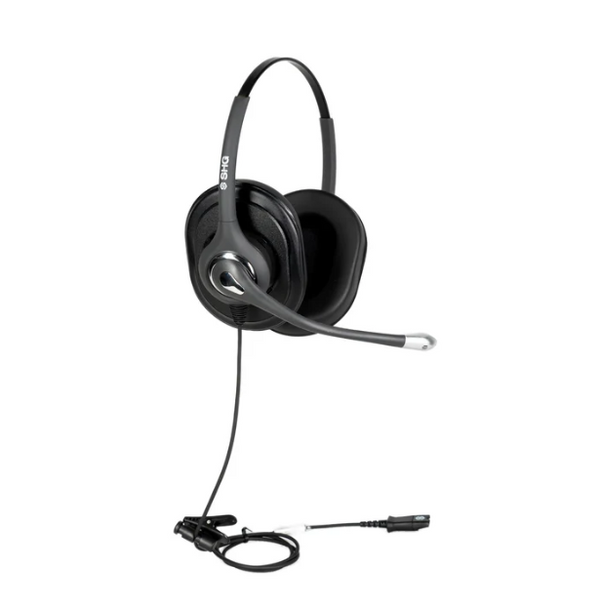
SHG S 620 NC PL Triple XL Ear Cushion Headset with Passive Noise Canceling Mic
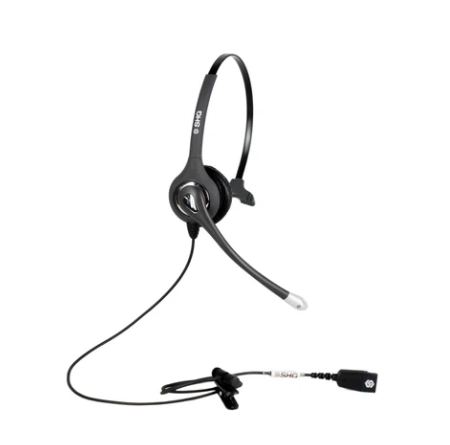
SHG S 500-PL Headset with Passive Noise Canceling Mic
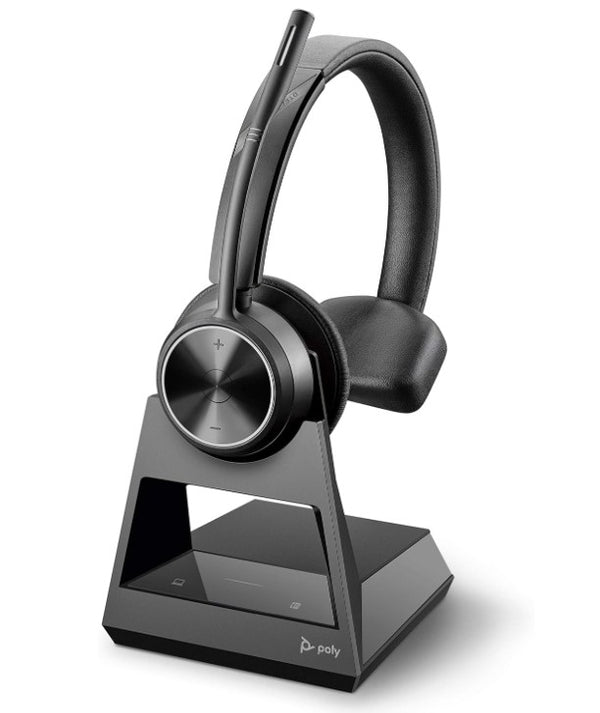
Poly Savi 7310 Mono Office Wireless Headset (EHS Options)
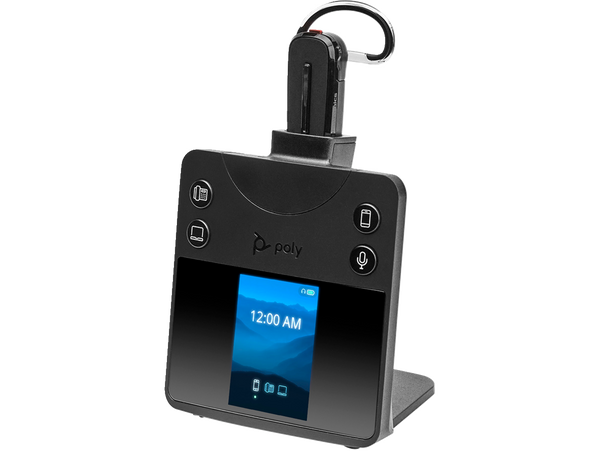
Poly Savi 8445 Office Convertible Wireless Headset
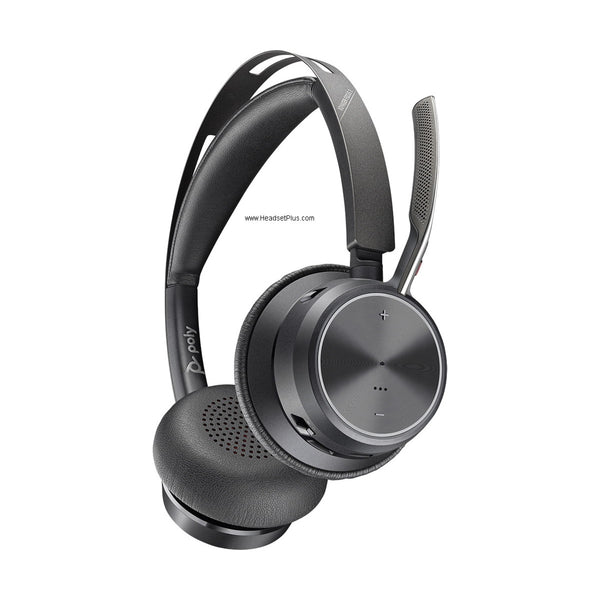
Poly Voyager Focus 2 UC and Teams Wireless Headset (Charging Stand Optional)
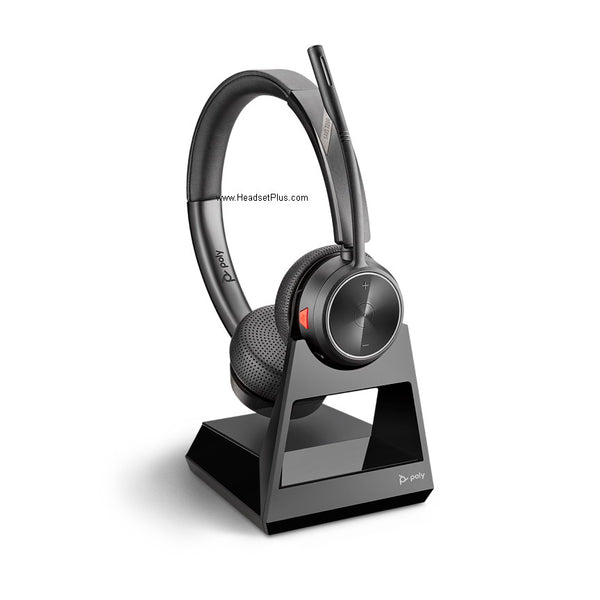
Poly Savi 7220 Stereo Office Wireless Headset (EHS Options)
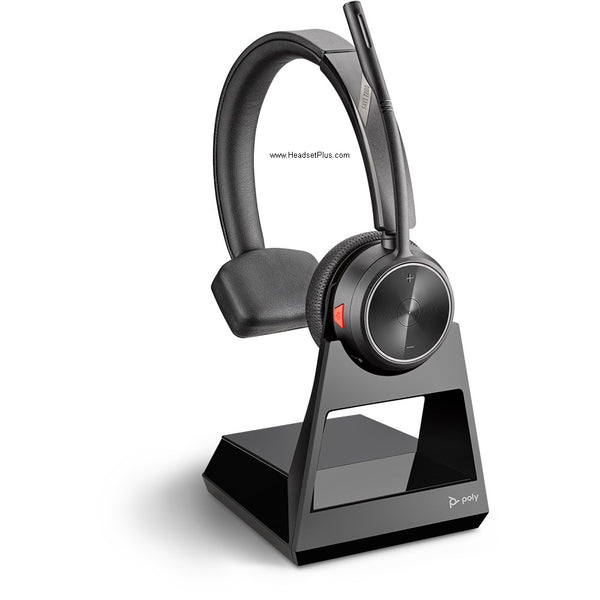
Poly Savi 7210 Mono Wireless Headset (EHS Options)
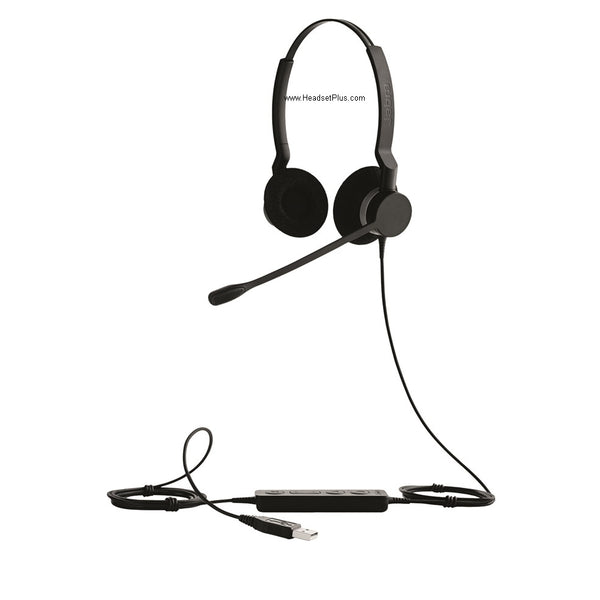
Jabra Biz 2300 Wired Headset (Mono or Duo)
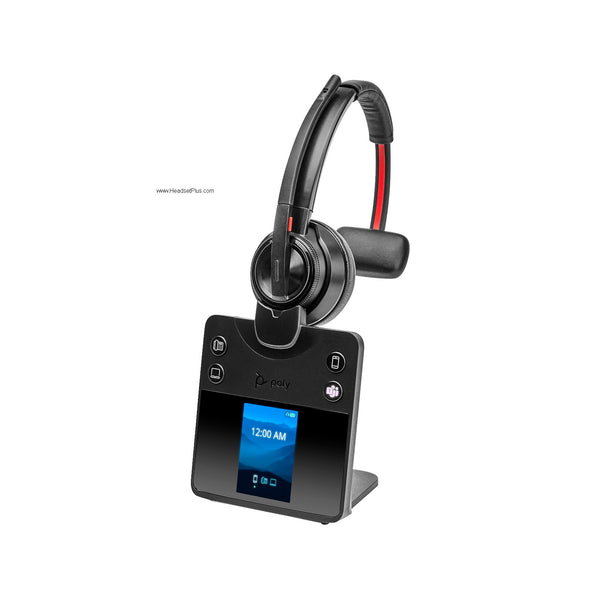
Poly Savi 8410 DECT Wireless Mono Bluetooth Headset
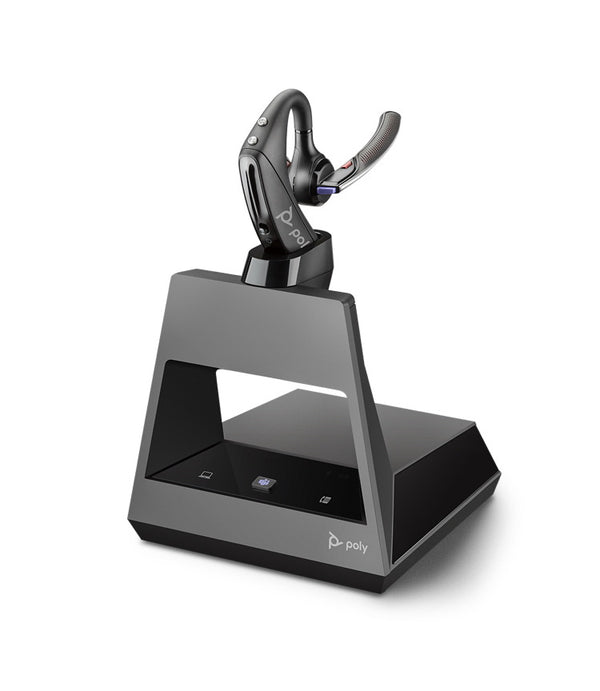
Plantronics Voyager 5200 Office Wireless Headset (2-Way Base)
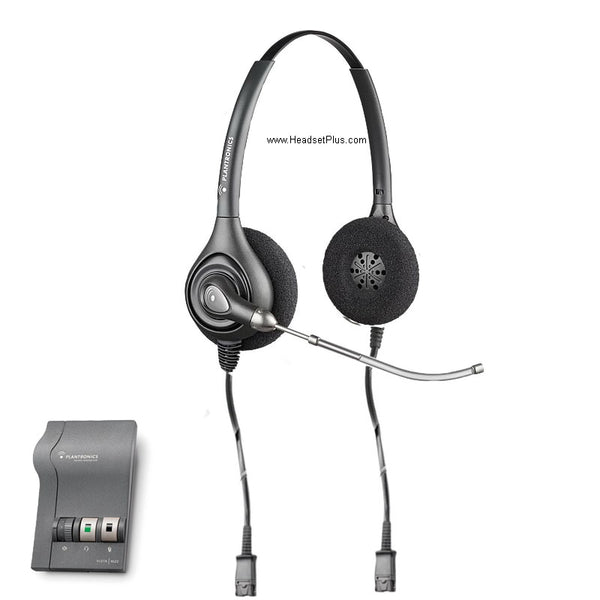
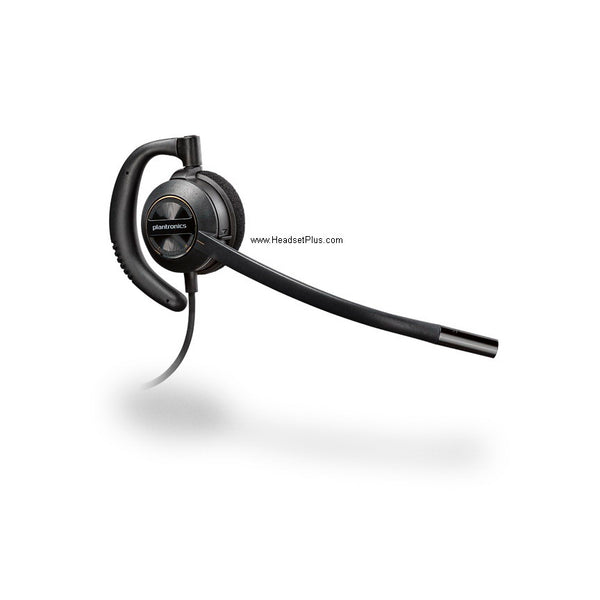
Plantronics EncorePro HW530 Wired Headset (QD or Phone-Specific)
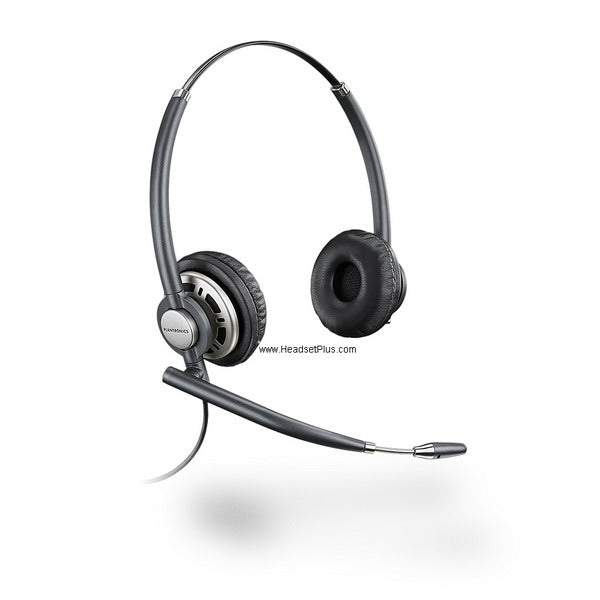
Plantronics EncorePro HW720 Binaural Wired Headset (QD or Phone-Specific)
Poly Focus 6 Wireless Headset (Fold and Charging Stand Options)
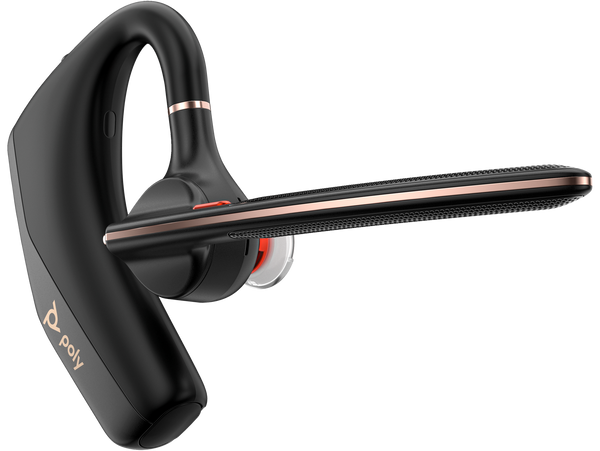
Poly Voyager Legend 50 Mono Wireless Headset
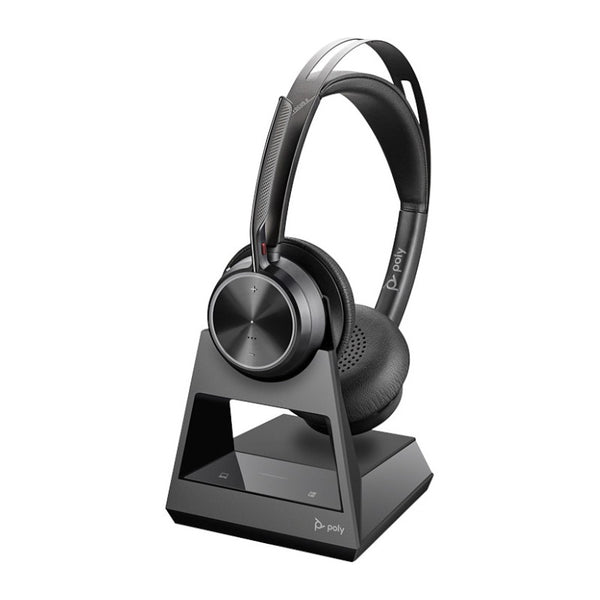
Poly Voyager Focus 2 Office Headset with Desk Phone Base (EHS Options)
No products match “” in Call Center Headsets.
The call center headset feature most buyers never check
Every call center headset here includes hearing protection technology — and it's not the same thing as noise-cancelling. A noise-cancelling microphone cleans up what the customer hears from your side; hearing protection technology protects what you hear from theirs, capping sudden spikes and limiting all-day exposure before they reach your ear.
Named by brand, it's Jabra SafeTone, Poly SoundGuard, EPOS ActiveGard, or Yealink Peak Block — different trademarks, same job. Jabra's version combines PeakStop, which cuts off any sudden sound above 105 dB before it reaches your ear, with IntelliTone, which holds average exposure at or below the 85 dB limit set by the EU Noise at Work Directive over an eight-hour shift. An agent taking 150+ calls a day is exposed to acoustic risk an office worker never sees, which is exactly why this spec exists on call center headsets and rarely appears on consumer models.
Check the datasheet, not the marketing page — hearing protection is often buried under "Audio" or "Acoustic protection technology" rather than called out on the box. If it's missing, you're looking at an office headset, not a genuine call center headset.
Wired or wireless call center headsets — and the cord that matters either way
Most contact centers still run wired call center headsets, and the reason is the Quick Disconnect (QD) cord, not the price. A QD connector splits into two halves — the headset side and a bottom cord or amplifier that plugs into your phone or PC — so an agent can unclip and walk away mid-call without unplugging anything or losing the connection on hold. That's the everyday convenience wired somehow does better than wireless: instant, no battery to manage, nothing to charge before a shift.
Either way, a call center USB headset with microphone is the simplest softphone path — plug in, and most CRM dialers and softphones recognize it instantly with no separate amplifier needed. If your center still runs analog or digital desk phones, the bottom cord (Poly's DA-series, Jabra's Link amplifiers) is what actually bridges the QD cord to your hardware — get that piece wrong and the headset itself won't matter.
Choosing the best call center headset: fit, durability, and what's included
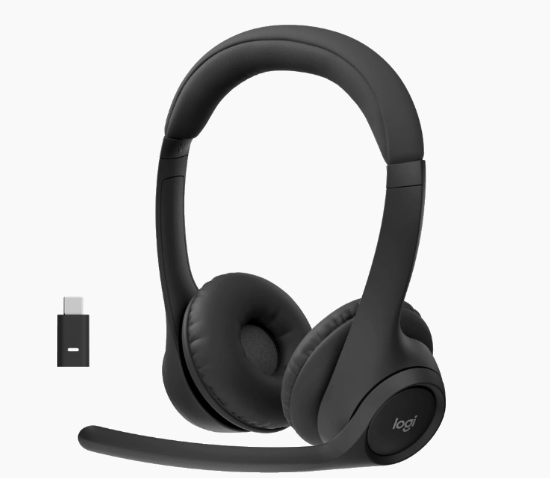
Past hearing protection and the cord, three things decide whether a call center headset survives daily use across a team. Mono versus binaural is the first call: mono (single-ear) keeps an agent aware of the floor and easy to flag down; binaural covers both ears for focus in a loud, high-volume room. Neither is the "right" answer — it's whether your floor is quiet enough to hear a supervisor or loud enough that you want both ears sealed.
Durability is the second, and it's where consumer headsets fail fastest: contact center headsets get dropped, twisted, and worn by a different person every shift on a hot-desk floor, so look for reinforced cords and replaceable ear cushions rather than a sealed, disposable design. Third is training support — a Y-cord splits one QD connection to two headsets, so a supervisor can listen in live without borrowing the agent's own headset. Here's what a call center headset in this collection includes:
- Hearing protection technology (SafeTone, SoundGuard, ActiveGard, or Peak Block depending on brand)
- A noise-cancelling microphone for wideband, HD voice call clarity
- A Quick Disconnect (QD) cord compatible with training Y-cords
- Mono (single-ear) or binaural (dual-ear) wearing styles
- USB and softphone/CRM dialer compatibility on select models
- Reinforced, high-density construction built for shared, multi-shift use
Series worth knowing by name: Poly's EncorePro (HW510/520) line is the long-standing contact center standard, Jabra's BIZ 2300/2400 covers wired agents at scale with Engage stepping in for wireless, and the EPOS/Sennheiser IMPACT SC and SDW lines round out the field. Browse the grid above by connection type, or check the Wired, USB, and Wireless collections if you already know which one your phone system needs.
FAQ
Frequently Asked Questions
The best call center headset with a noise-cancelling microphone pairs that mic with hearing protection technology (like Jabra SafeTone or Poly SoundGuard) and a durable QD cord — the microphone handles what your caller hears, the protection tech handles what reaches your ear. Poly EncorePro and Jabra BIZ 2300/2400 are the long-standing benchmarks contact centers compare everything else against.
Yes — call center agents taking hundreds of calls a day face acoustic risk an average office worker doesn't, from sudden loud spikes to sustained daily volume. Technologies like PeakStop cap sudden noise around 105 dB, while IntelliTone-style systems hold average exposure at or below the 85 dB safety limit over a full shift. It's the single spec worth checking before anything else on a call center headset.
Wireless call center headsets are worth the extra cost if agents regularly step away from their desk — to consult a supervisor, grab a file, or work a hybrid floor. For agents who stay at a fixed station all shift, a wired call center headset with a Quick Disconnect (QD) cord gives the same walk-away convenience at a lower cost per seat, with no battery to manage.
A Quick Disconnect (QD) cord splits a wired call center headset into two halves — the headset itself and a bottom cord or amplifier connecting to your phone or PC — so an agent can unclip and walk away mid-call without unplugging anything. It also supports training Y-cords, letting a supervisor listen in on live calls without needing a second headset.
Yes — most call center headsets in this collection, especially the USB models, plug directly into a softphone or CRM dialer with no separate amplifier required. For agents on traditional desk phones, a bottom cord or amplifier (Poly's DA-series or a Jabra Link adapter) connects the headset's QD cord to the phone system instead.
A mono (single-ear) call center headset keeps an agent aware of the floor around them — useful when a supervisor needs to get their attention. A binaural (dual-ear) headset covers both ears for focus in a loud, high-volume room. Neither outperforms the other on call quality; the choice comes down to how loud your floor actually is.