

























Cell Phone Headsets
Mobile phone headsets built for hands-free calls on the go
Every mobile phone headset here is built around one job: taking a call without holding your phone, whether you're driving, commuting, or just walking around the house. Most are single-ear Bluetooth earpieces — and that's not an old-fashioned design choice, it's often the legally correct one.
If you're buying for driving specifically, that single detail matters more than battery life or brand. Read on before you pick a stereo pair out of habit.
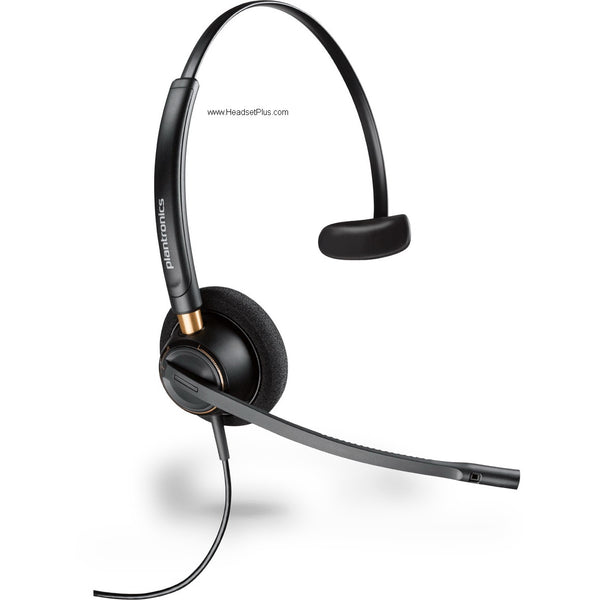
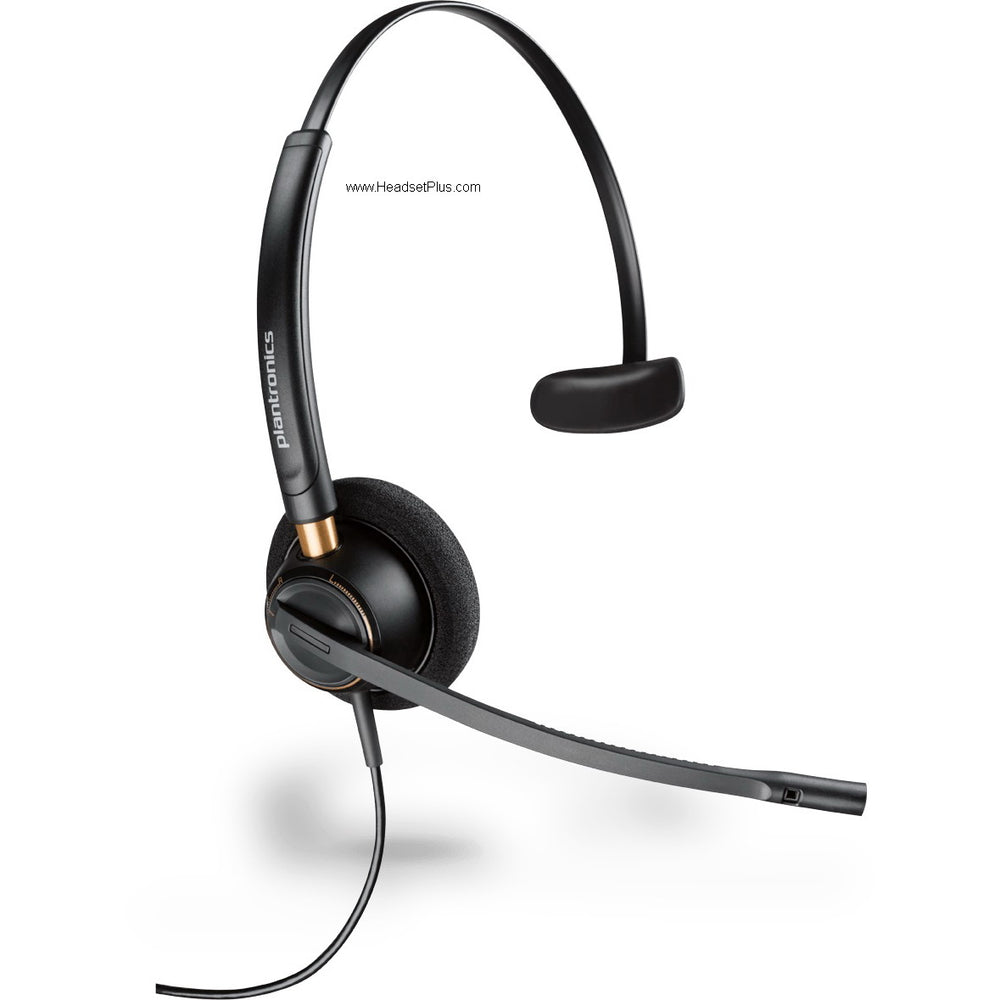
Plantronics EncorePro HW510 Mono Wired Headset (Noise-Canceling or Voice Tube)
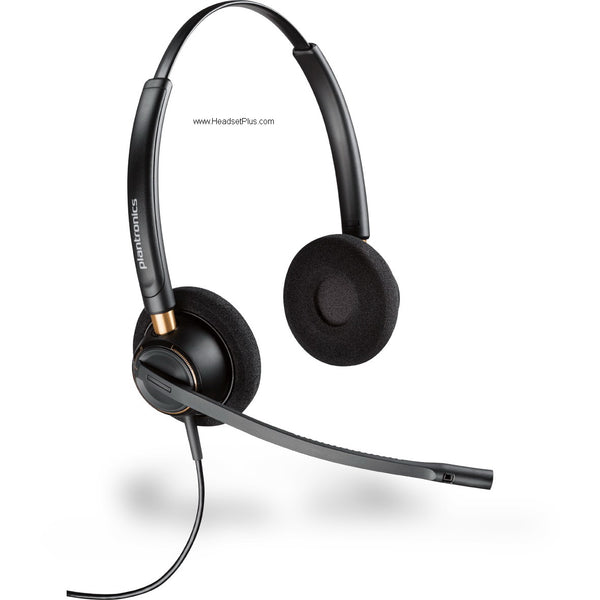
Plantronics EncorePro HW520 Binaural Wired Headset (Noise-Canceling or Voice Tube)
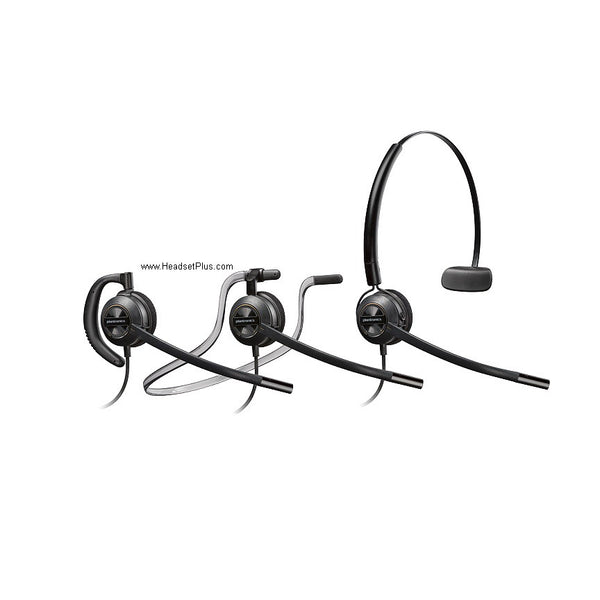
Plantronics EncorePro HW540 3-in-1 Convertible Wired Headset (QD or Phone-Specific)
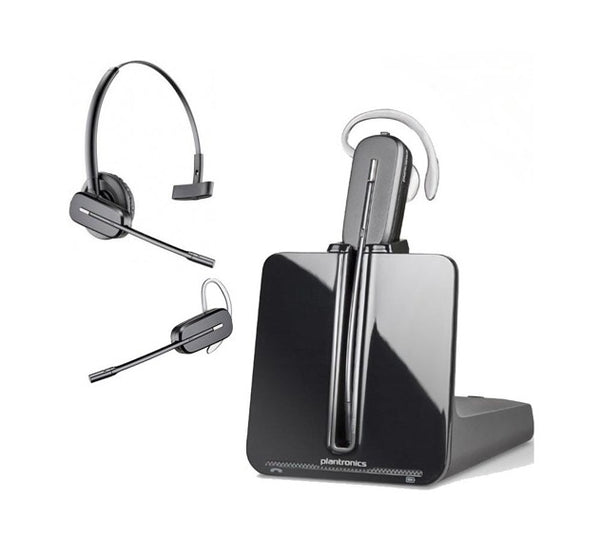
Plantronics CS540 Wireless Headset
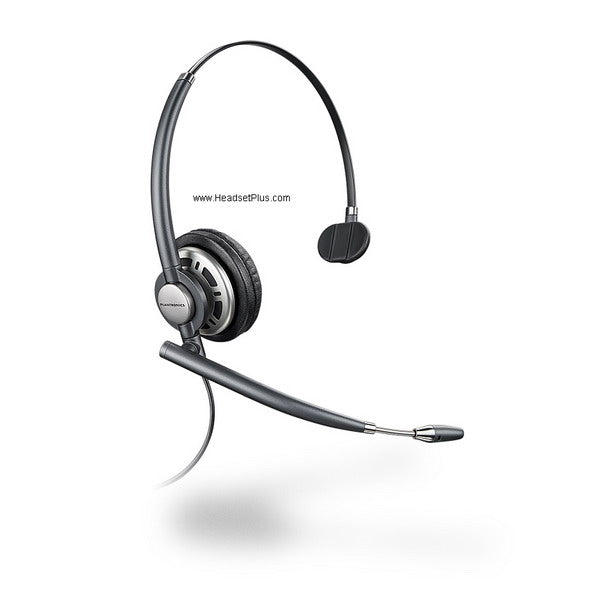
Plantronics EncorePro HW710 Mono Wired Headset (QD or Phone-Specific)
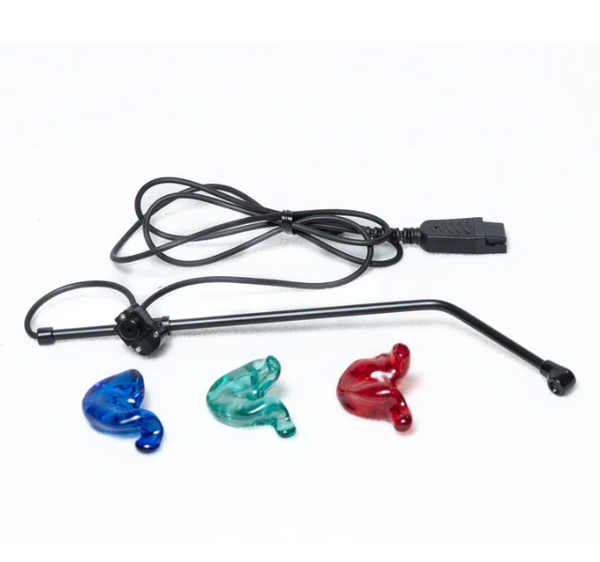
SHG S 131-PL In-Ear Headset with Non-Noise Canceling Mic
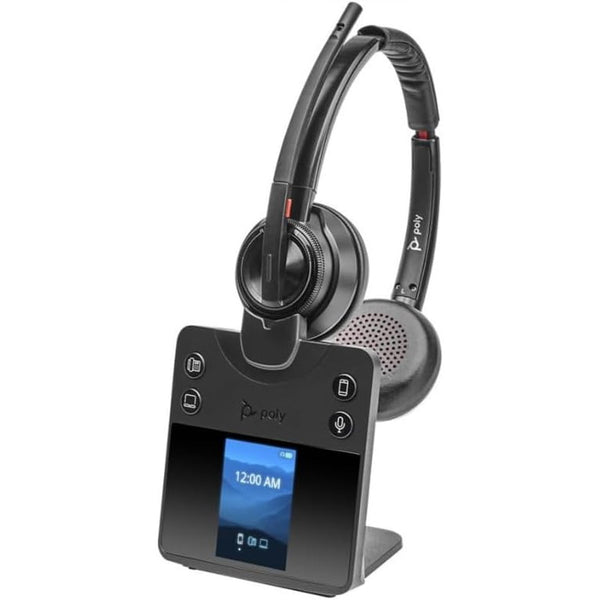
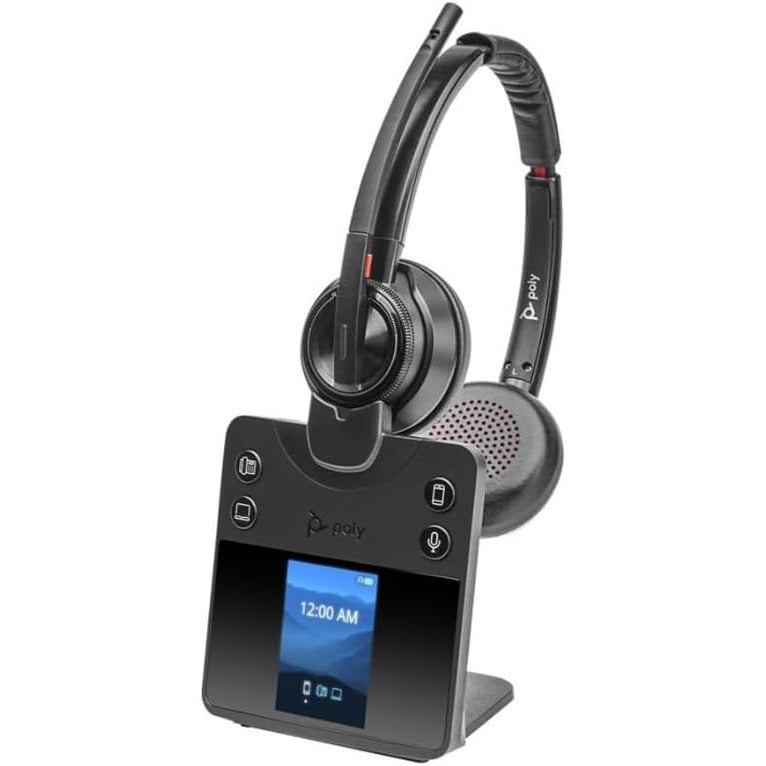
Poly Savi 8420 DECT Wireless Stereo Headset with ANC (EHS Remote Answer Options)
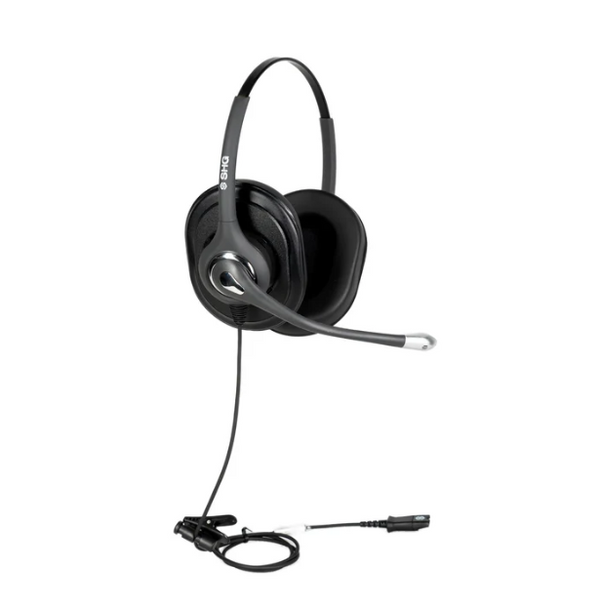
SHG S 620 NC PL Triple XL Ear Cushion Headset with Passive Noise Canceling Mic
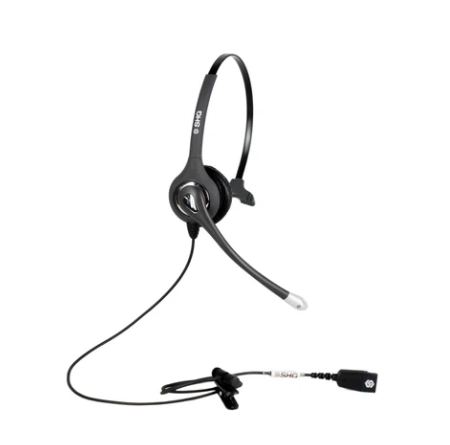
SHG S 500-PL Headset with Passive Noise Canceling Mic
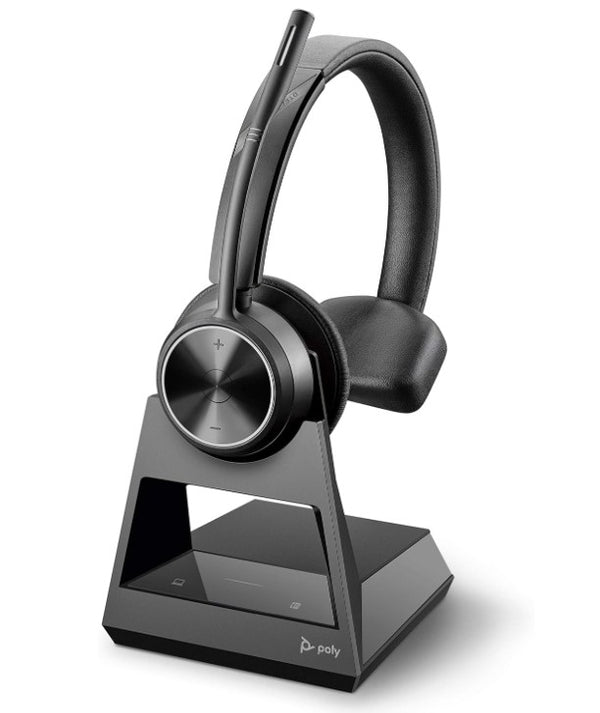
Poly Savi 7310 Mono Office Wireless Headset (EHS Options)
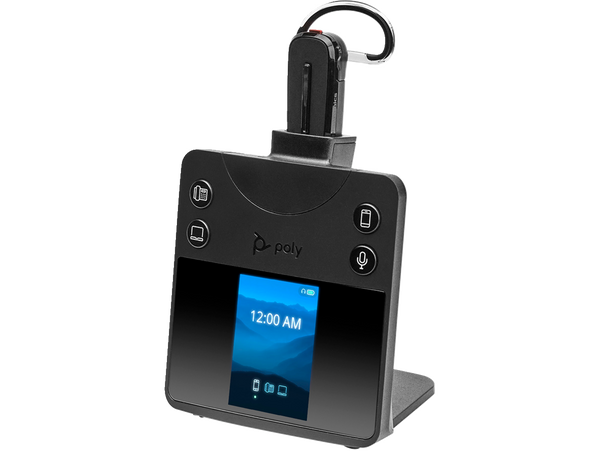
Poly Savi 8445 Office Convertible Wireless Headset
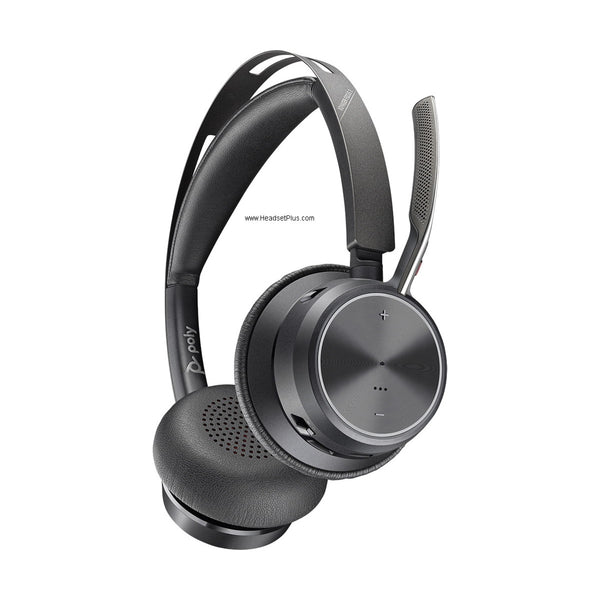
Poly Voyager Focus 2 UC and Teams Wireless Headset (Charging Stand Optional)
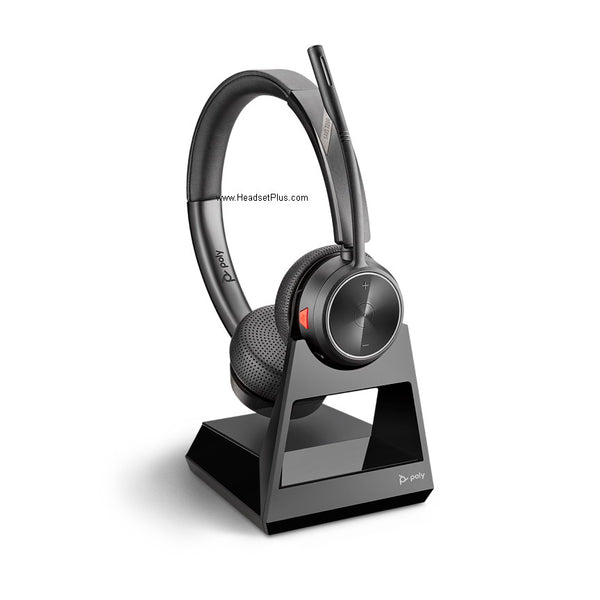
Poly Savi 7220 Stereo Office Wireless Headset (EHS Options)
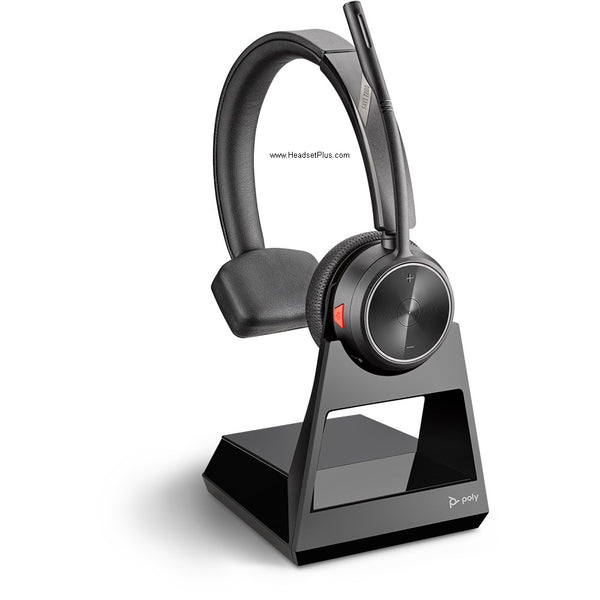
Poly Savi 7210 Mono Wireless Headset (EHS Options)
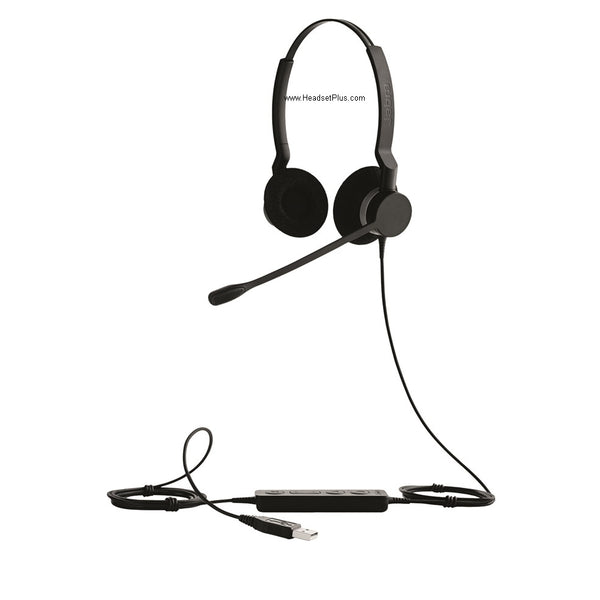
Jabra Biz 2300 Wired Headset (Mono or Duo)
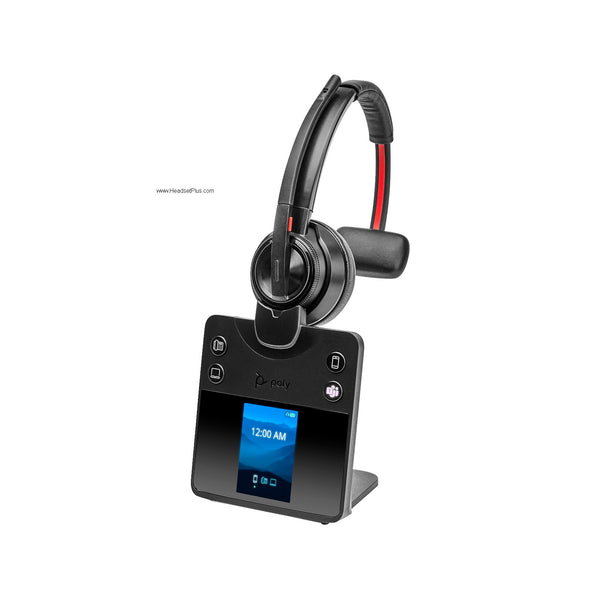
Poly Savi 8410 DECT Wireless Mono Bluetooth Headset
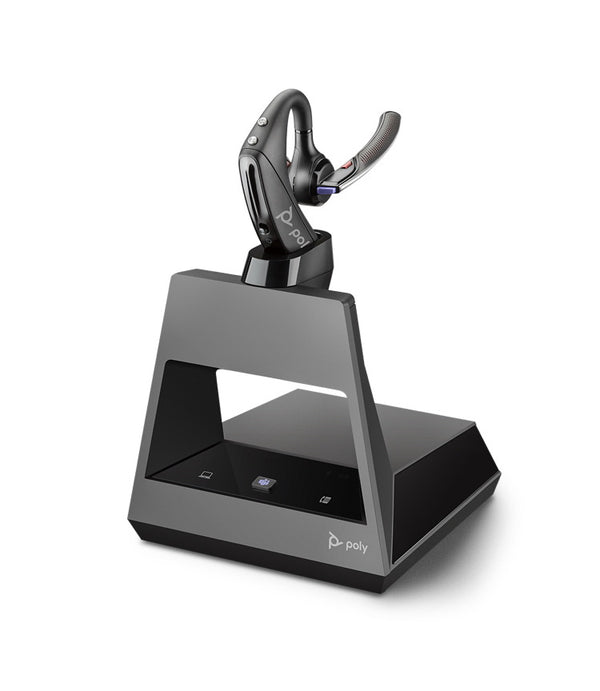
Plantronics Voyager 5200 Office Wireless Headset (2-Way Base)
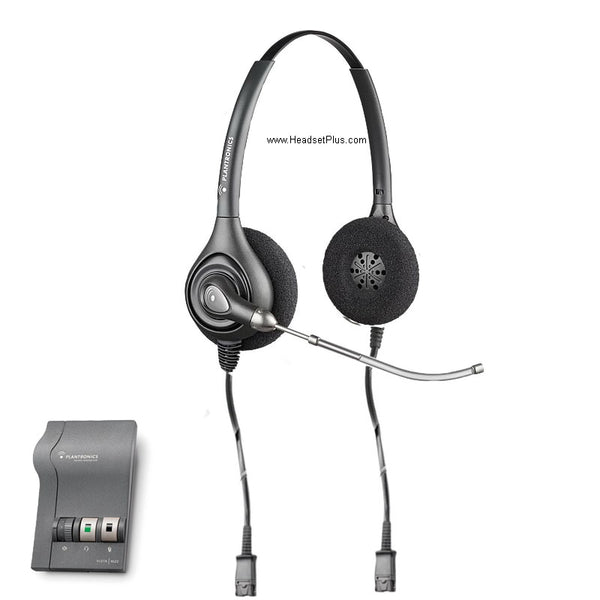
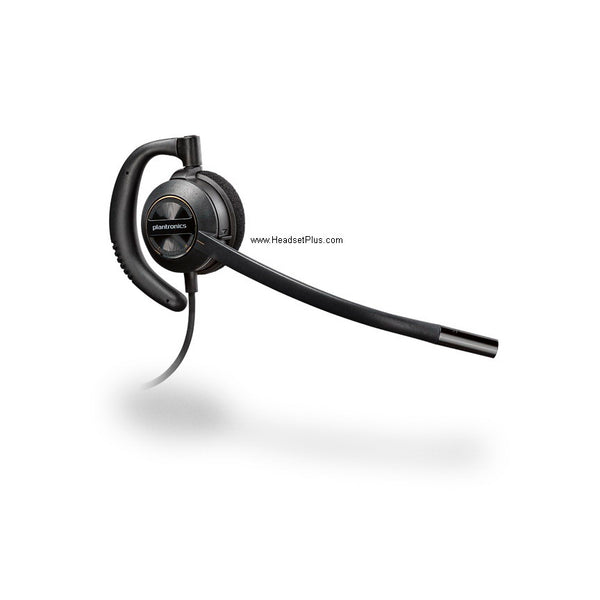
Plantronics EncorePro HW530 Wired Headset (QD or Phone-Specific)
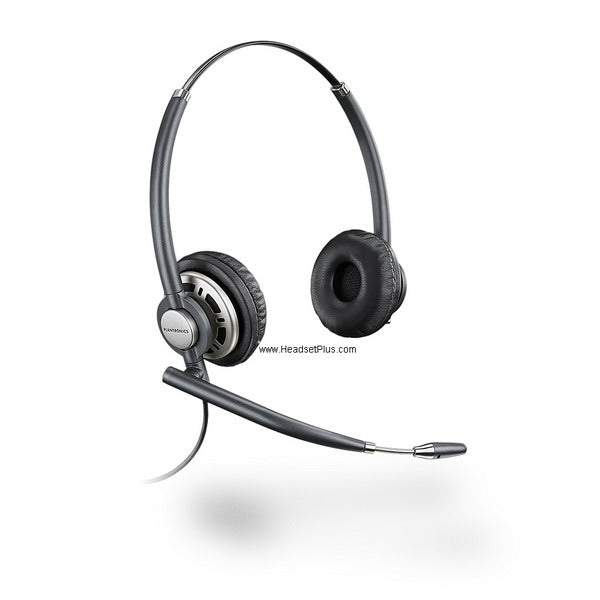
Plantronics EncorePro HW720 Binaural Wired Headset (QD or Phone-Specific)
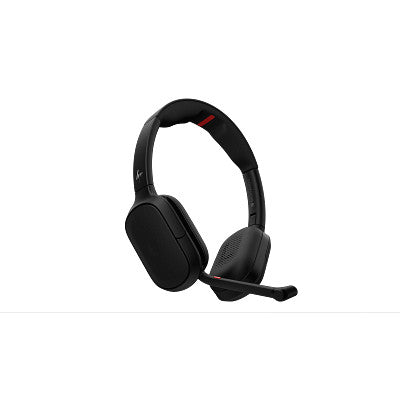
Poly Focus 6 Wireless Headset (Fold and Charging Stand Options)
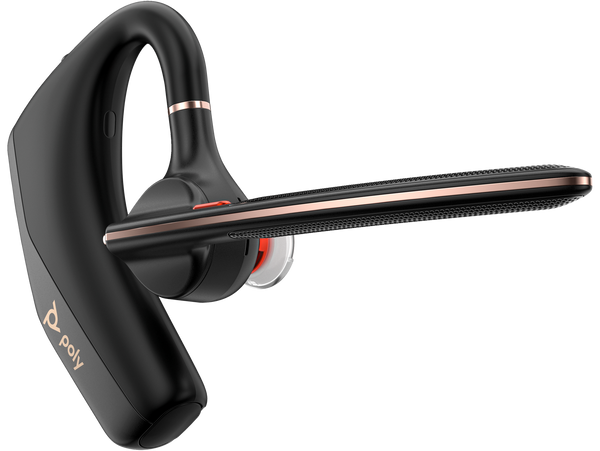
Poly Voyager Legend 50 Mono Wireless Headset
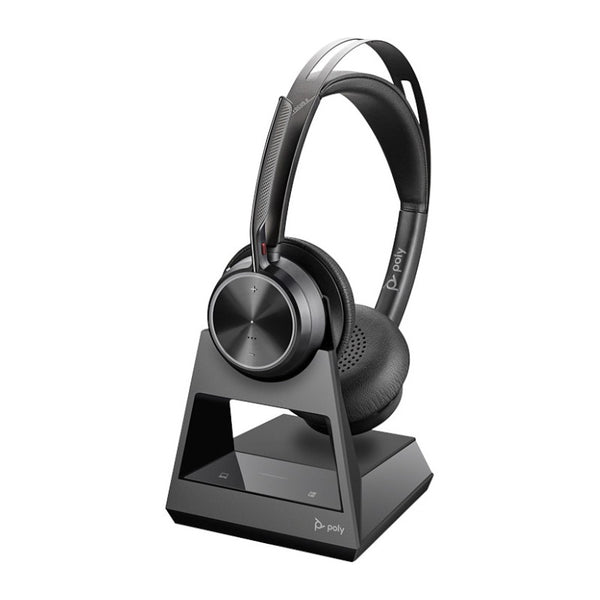
Poly Voyager Focus 2 Office Headset with Desk Phone Base (EHS Options)
No products match “” in Cell Phone Headsets.
Why a mobile phone headset for driving is usually single-ear
A mobile phone headset for driving is almost always mono, single-ear — and in a growing number of states, that's the design the law actually requires. Several state hands-free laws don't just permit a headset; they specifically require one ear to stay uncovered. Illinois, New York, Georgia, and Rhode Island all restrict drivers to a single earpiece, and Colorado's Department of Transportation states plainly that driving with both ears covered is illegal there, since it can block out sirens and horns. That means a pair of true wireless stereo earbuds — AirPods included — can put you on the wrong side of the law in exactly the states where a mono Bluetooth headset for cell phone use keeps you compliant.
This is the detail a stereo-earbud buyer usually misses: it's not about which headset sounds best, it's about which one keeps one ear open for sirens, horns, and the car merging next to you — and, in a growing number of states, which one keeps you legal at all.
Bluetooth headset for iPhone or Android — does it matter which you buy?
A Bluetooth headset for iPhone and a Bluetooth headset for Android phone use are typically the same hardware — Bluetooth is a universal standard, so the microphone, the noise cancellation, and the call quality work identically on both. What differs is the extras layered on top:
The one place compatibility genuinely narrows is voice command phrasing and any companion app a brand offers for firmware updates or customizing the button layout — those are typically iOS- or Android-specific downloads, even though the headset itself works with either phone. If you split time between a personal Android and a work iPhone, that's a reason to care about the next feature more than the OS.
Choosing the best mobile phone bluetooth headset: battery, range, and two-phone pairing
Past the driving-legal question, three things separate a headset you actually keep using from one that ends up in a drawer. Battery life on a mobile phone headset is usually measured in both talk time and standby days, and the gap between those two numbers matters: the Jabra Talk 45, for example, is rated for up to 6 hours of calls but as much as 8 days of standby, so it survives a week of occasional use, not just a single long drive.
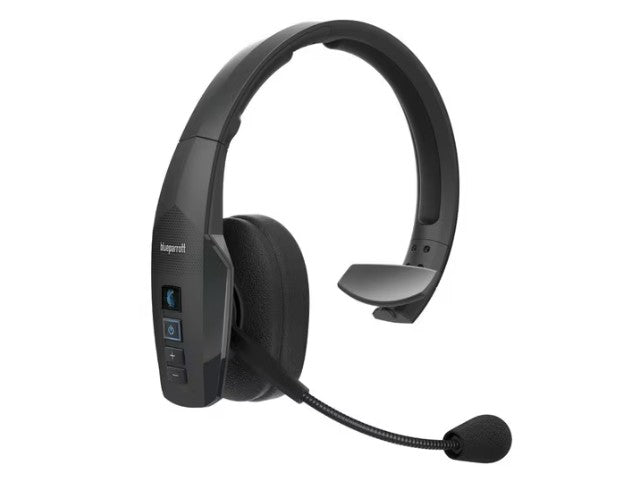
Bluetooth multipoint is the feature worth checking next: a bluetooth headset for two cell phones connects to both at once, so a call on your work line and a call on your personal line both ring through the same earpiece without re-pairing — genuinely useful if you carry two devices. And for anyone driving for a living, BlueParrott's mobile-focused models add a windproof, noise-cancelling boom mic rated to cut out roughly 80% of background noise, which is the difference between a dispatcher hearing you clearly at highway speed and hearing wind. Here's what a cell phone headset with mic in this collection typically includes:
- Bluetooth 5.x pairing, with multipoint support on select models for two phones at once
- A noise-cancelling microphone tuned for hands-free calling in a car or on the street
- Mono, single-ear wearing style — the standard for driving and situational awareness
- iOS and Android compatibility, with Siri or Google Assistant voice access
- USB-C charging on current models
- An earhook or over-the-head wearing style option depending on the model
Series worth knowing: Jabra's Talk 45 and Talk 65 cover the everyday mobile-calling range, Poly's Voyager 5200, Legend, and Free target premium noise cancellation and comfort, and BlueParrott's lineup is built specifically for drivers who need the mic to win against wind and road noise. Browse the grid above by battery life and range, or check the Bluetooth Headsets and Wired Headsets collections if you're shopping for a computer or desk phone instead of a mobile phone.
FAQ
Frequently Asked Questions
The best mobile phone bluetooth headset for driving is a mono, single-ear model with a noise-cancelling mic — mono matters because several states' hands-free laws specifically require one ear to stay uncovered while driving. The Jabra Talk 65 and BlueParrott M300-XT are strong picks, both rated for around 14 hours of talk time and roughly 80% background noise reduction on calls.
In most U.S. states, yes — hands-free laws in 33 states plus D.C. specifically permit a Bluetooth earpiece even though they ban holding a phone. The detail that trips people up: several states, including Illinois, New York, Georgia, and Rhode Island, only allow a single-ear device, meaning stereo earbuds covering both ears can violate the same law a mono mobile phone headset satisfies. Always confirm your specific state's wording.
Yes — a bluetooth headset with microphone for mobile phone use pairs identically with iPhone and Android, since Bluetooth is a universal standard and the hardware doesn't change between operating systems. The differences are minor: voice commands route to Siri on iPhone and Google Assistant on Android, and any companion app for firmware or button customization is typically platform-specific even though the headset itself isn't.
Yes, if it supports Bluetooth multipoint. A bluetooth headset for two cell phones stays paired to both simultaneously, so calls on either line ring through the same earpiece without manually switching connections. It's a common feature on business-focused mobile phone headsets and worth checking for if you carry a work phone and a personal phone.
Most mobile phone headsets run 6 to 14 hours of continuous talk time, but standby time is often the more useful number for occasional use — models like the Jabra Talk 45 hold a charge for up to 8 days on standby, so light, everyday callers rarely need to charge more than once a week.
A wired headset for cell phone use connects through a 3.5mm jack or USB-C and needs no charging, but ties you to a cable. A wireless headset for cell phone use pairs over Bluetooth with no cord at all, at the cost of a battery you need to manage. For driving and hands-free calling specifically, wireless is standard practice; wired mobile phone headsets are mainly a budget or backup option now.