





















Noise Cancelling Headsets
Noise cancelling headsets — and the three different things "noise cancelling" means
Every noise cancelling headset in this collection tackles noise somewhere — but not always the same noise, and not always for the same person. Before you compare models, it helps to know which of three distinct features you're actually shopping for.
Get this wrong and you'll buy a headset that solves the wrong problem: quiet in your own ears when what you needed was a caller who could finally hear you clearly.
What "noise cancelling" actually means on a headset
A noise cancelling headset uses one of three separate technologies, and most spec sheets don't bother to say which. Mixing them up is the single most common mistake buyers make in this category — and it's an easy one, since manufacturers use "noise cancelling" as an umbrella term for all three.
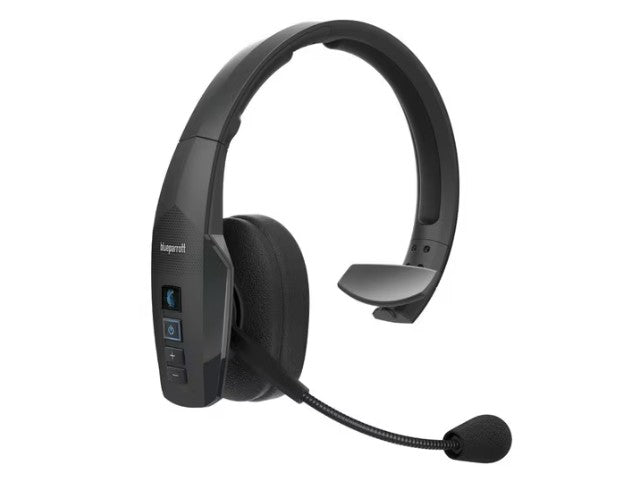
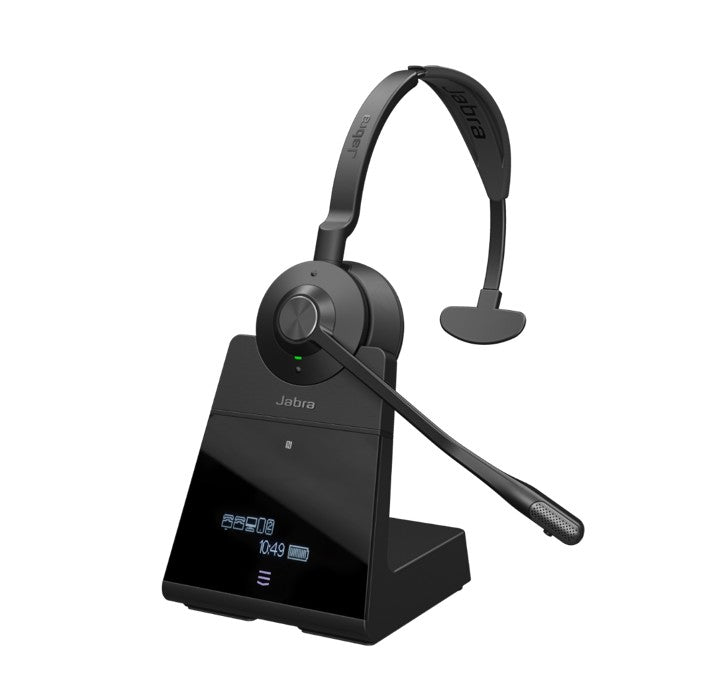
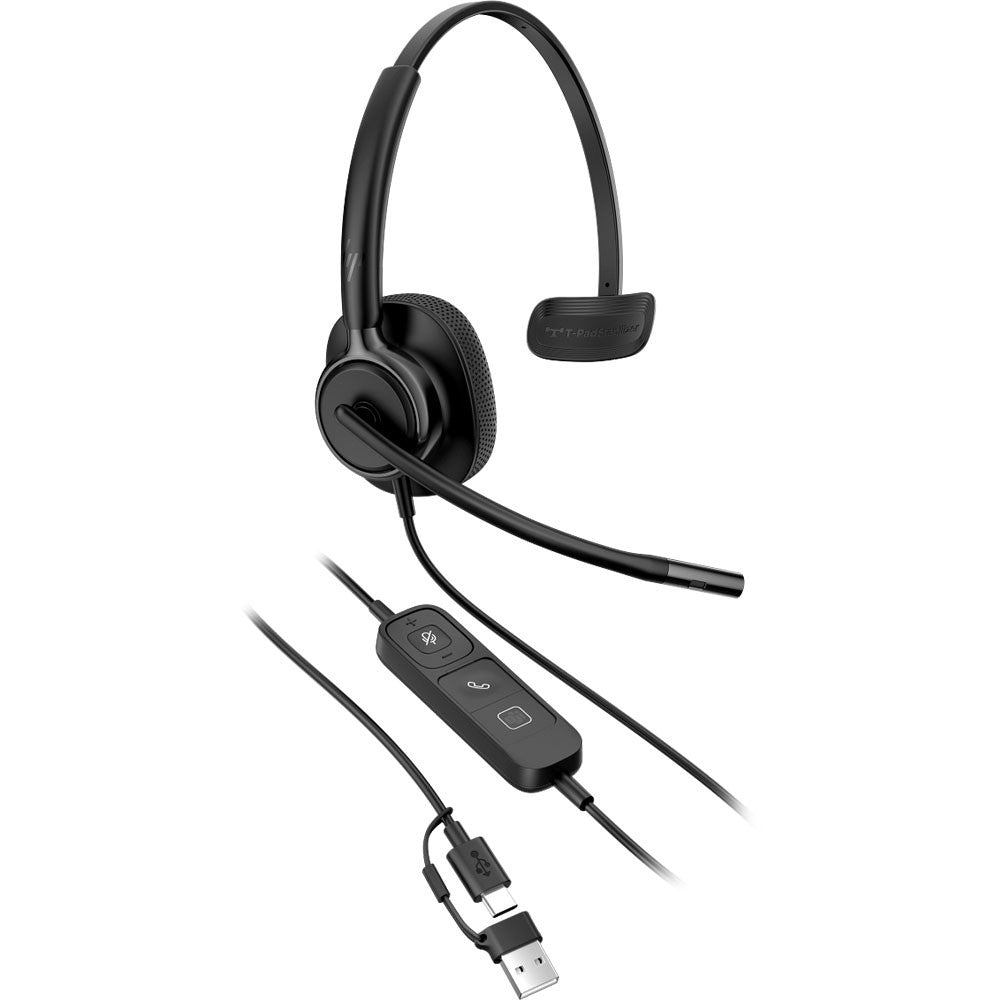
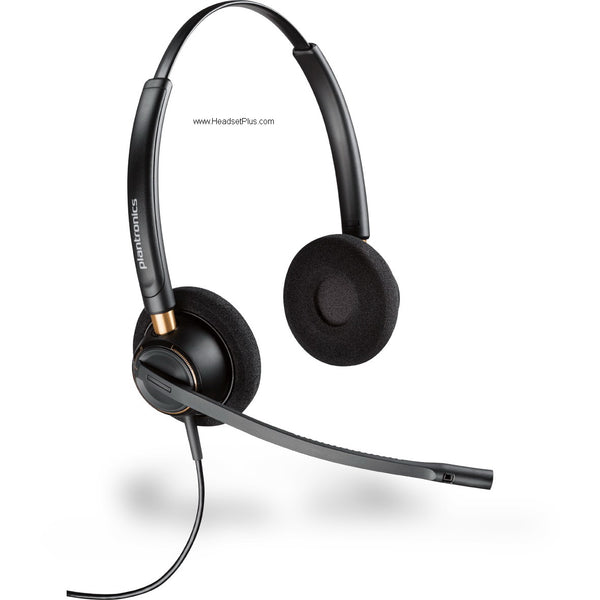
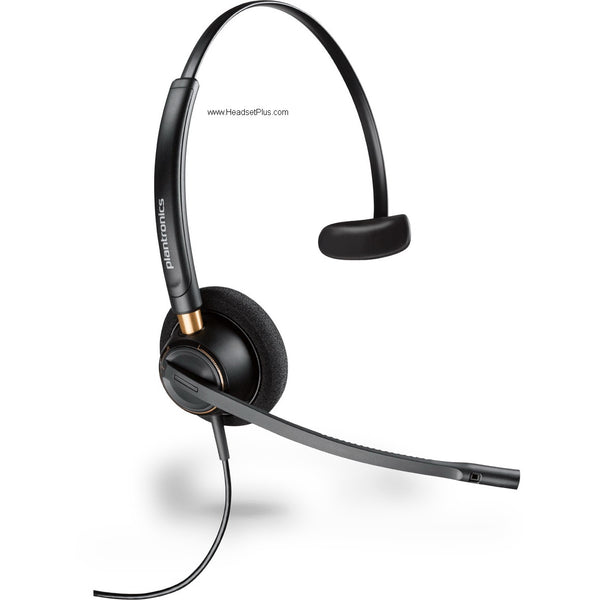
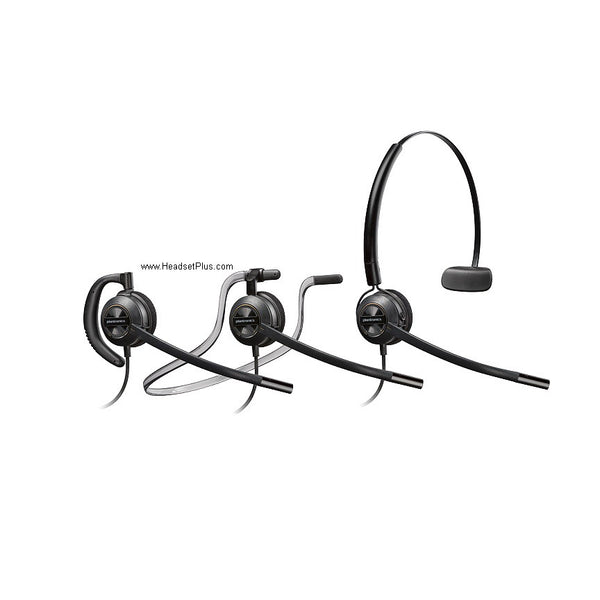
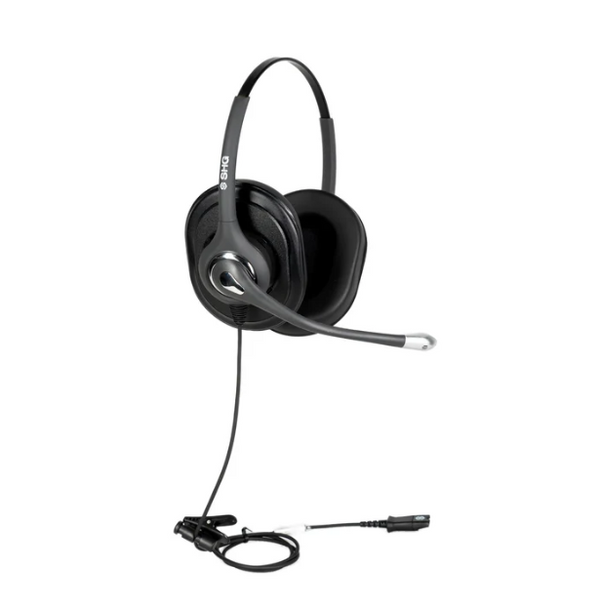
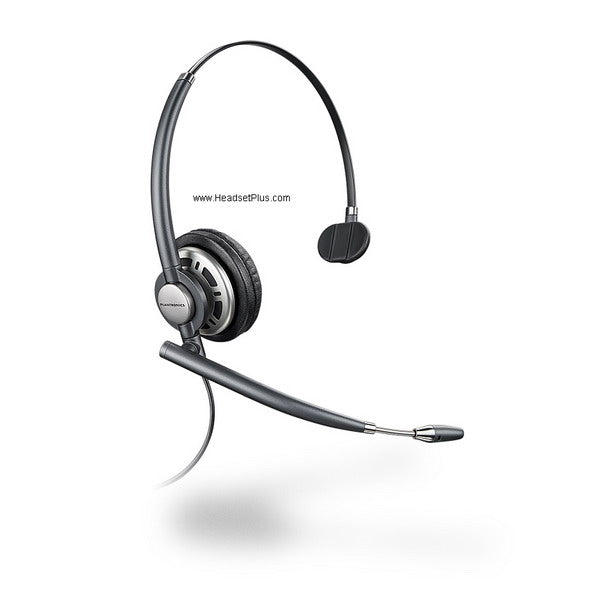
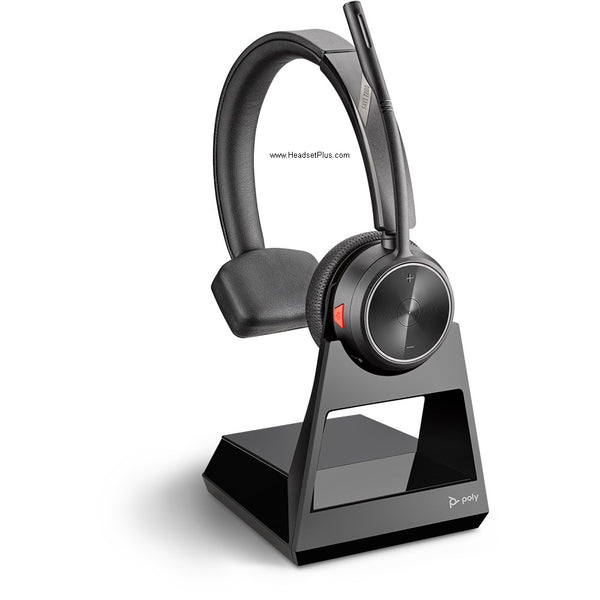
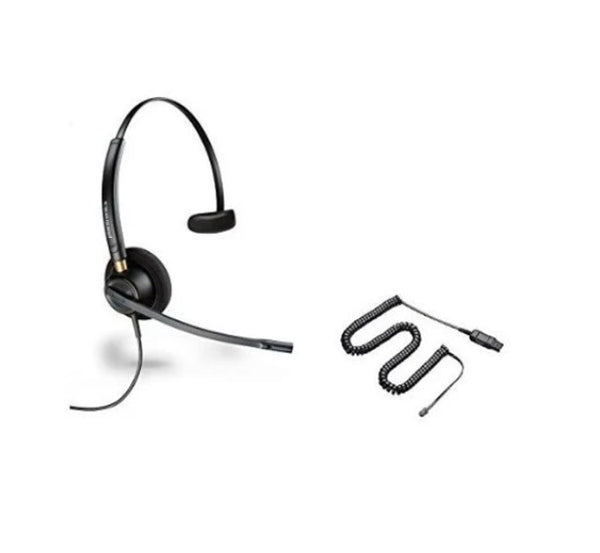
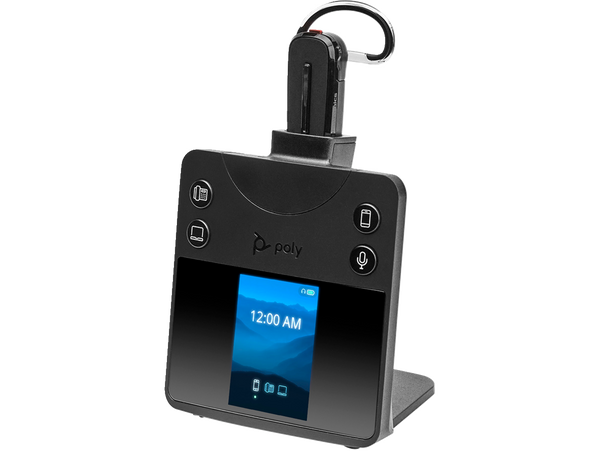
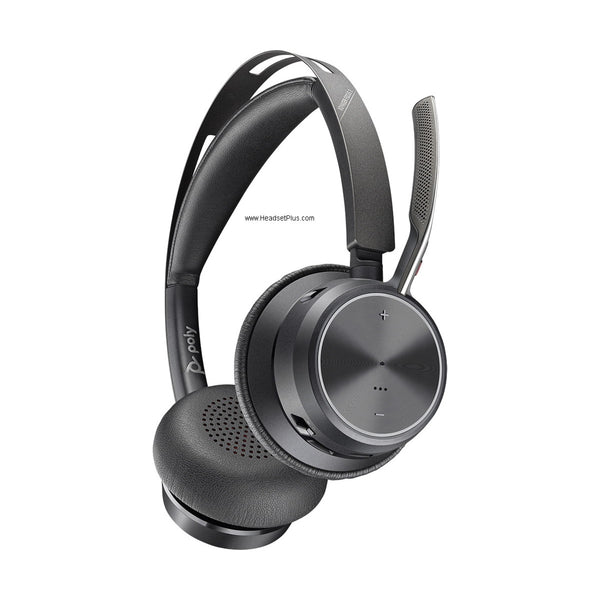
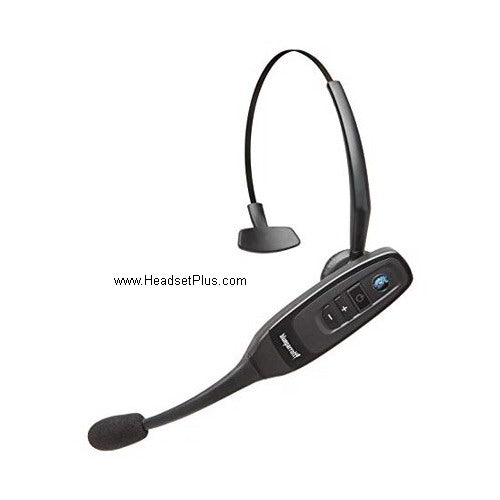
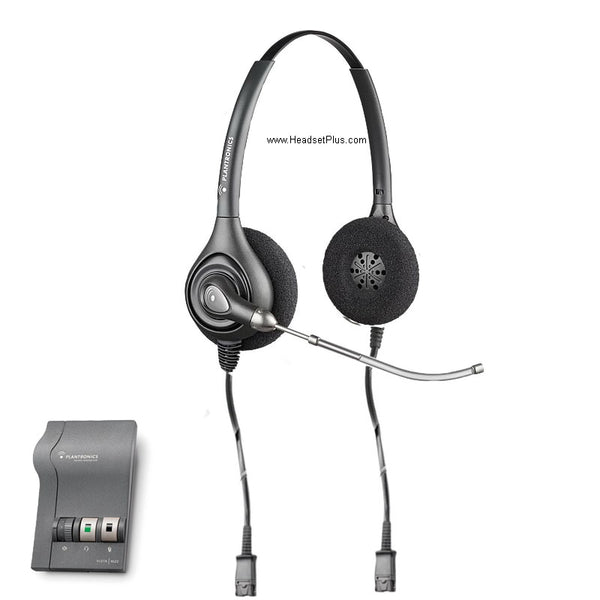
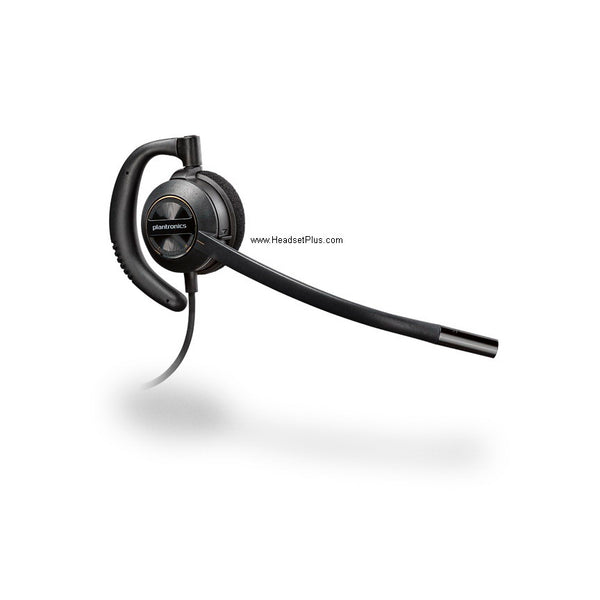
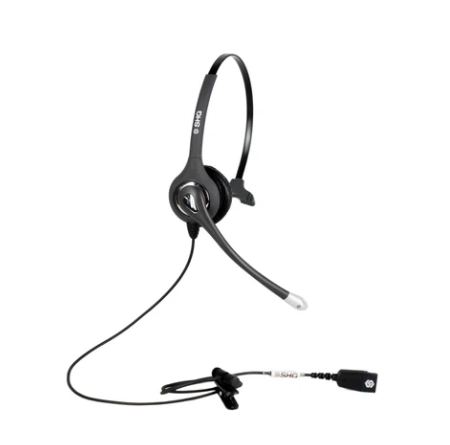
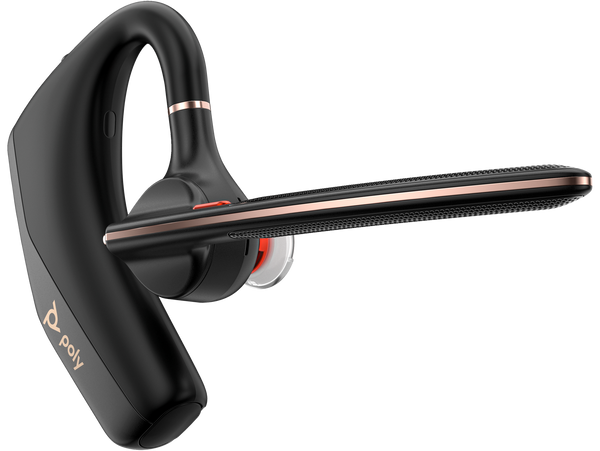
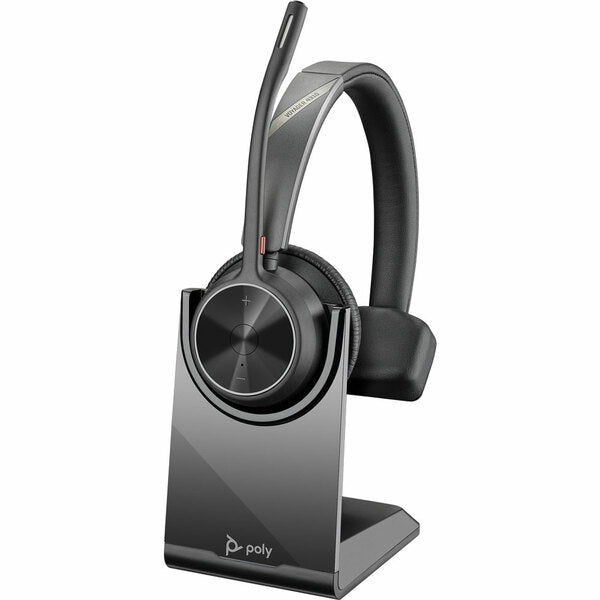
A noise cancelling headset with mic is built around the first type: a boom or beamforming microphone with dual-mic or AI-driven background noise reduction, positioned close to your mouth so it picks up your voice and rejects the keyboard clatter, the side conversation, the open-plan hum around you. This is the feature that matters most for call quality, and it's standard across nearly every business headset — Poly's EncorePro line is built specifically around it for contact centers, where the caller hearing you clearly matters more than anything else.
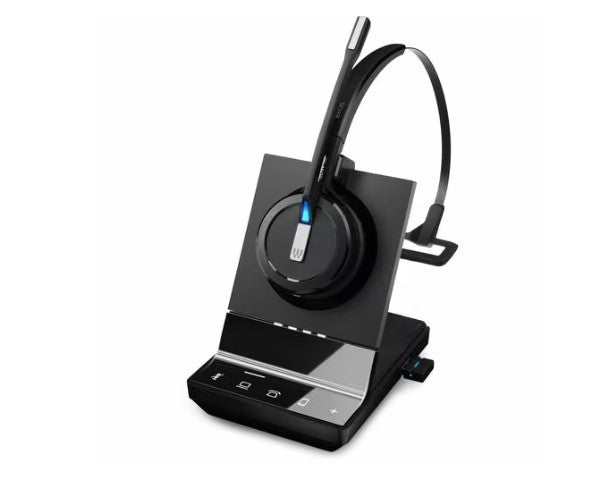
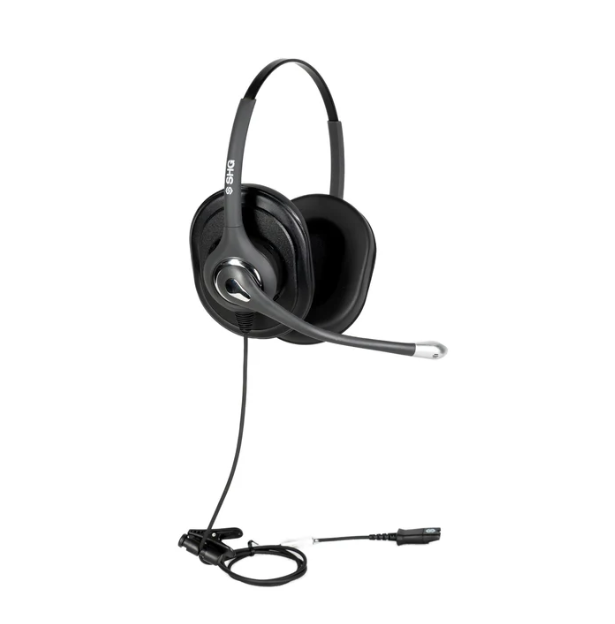
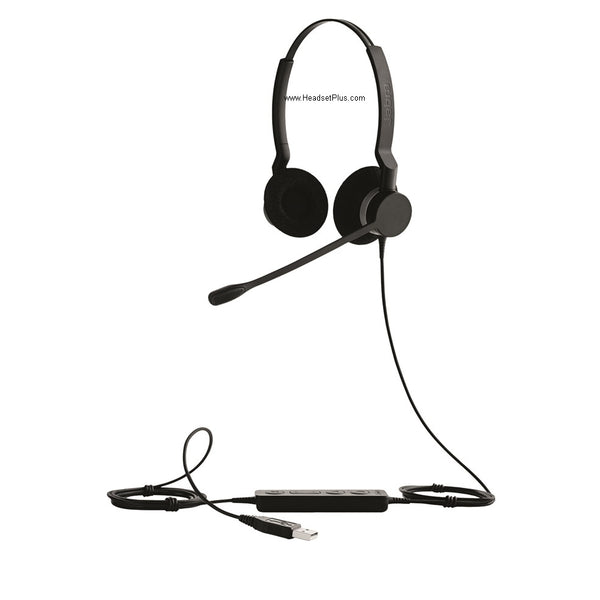
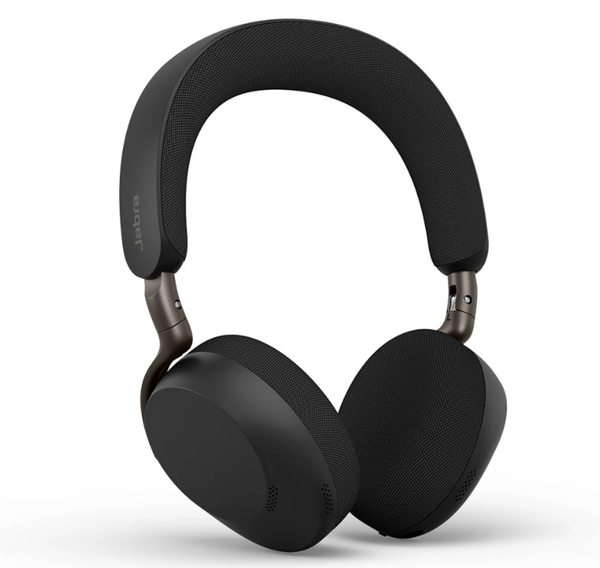
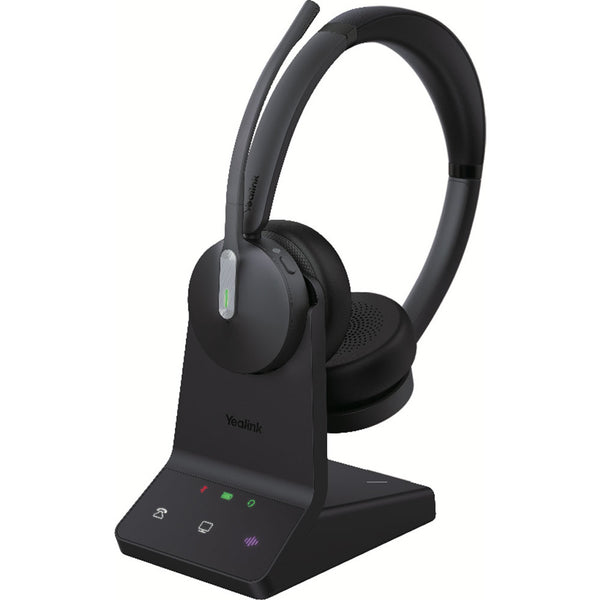
Jabra's Evolve2 series and the EPOS/Sennheiser ADAPT line are the two most common places to find genuine ANC in a business headset, and both adjust automatically — Jabra's own documentation confirms its ANC increases in louder environments and eases off in quieter ones, rather than running at one fixed level all day. Passive noise isolation, the third type, comes from an over-ear, closed-back design sealing against your ear; a binaural (dual-ear) headset isolates more than a mono model simply by covering both ears instead of one.
Choosing a noise cancelling headset for your actual environment
The best noise cancelling headset for your desk depends on what's actually loud around you, not on chasing every feature at once. An open-plan office with constant chatter is the textbook case for ANC — Jabra and EPOS both build it in specifically because background conversation is the hardest kind of noise to tune out on your own. A busy contact center usually needs the opposite emphasis: a strong noise-cancelling microphone matters more than ANC, since the agent's job is being heard clearly, not tuning the room out.
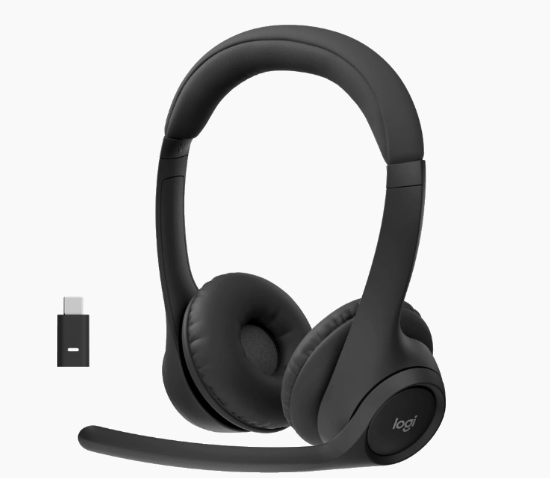
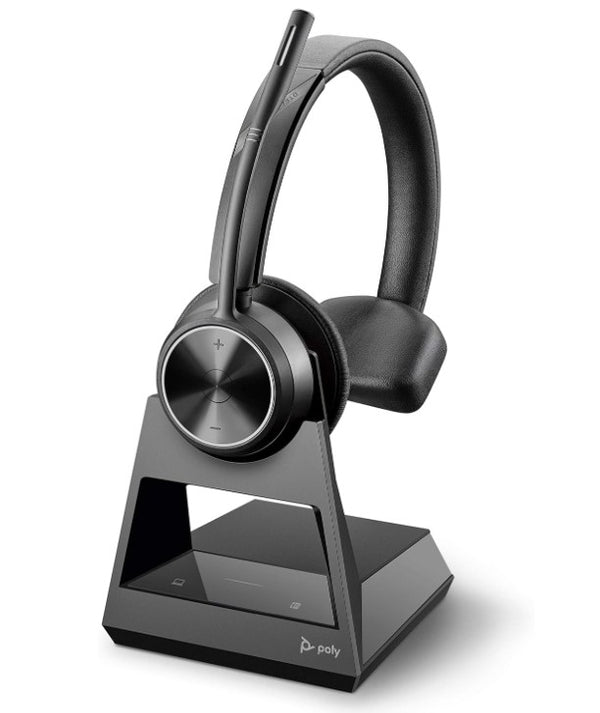
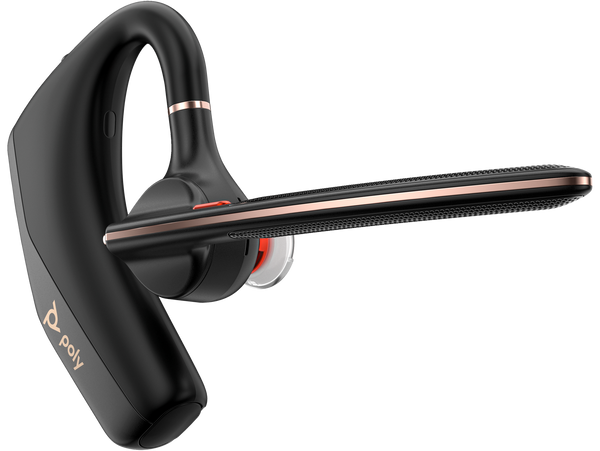
Connection matters too, and it's worth cross-checking before you commit to a model. A noise cancelling Bluetooth headset pairs straight to a laptop or phone with no dongle, but call audio can suffer over native PC Bluetooth — a USB noise cancelling headset sidesteps that by carrying its own onboard audio chip, which is why business models often ship both a Bluetooth radio and a USB dongle in the box. If you already know your connection type, the Bluetooth Headsets, USB Headsets, and Wireless Headsets collections narrow the same lineup down by how it connects.
What separates a background noise cancelling headset for work from a budget model
A best budget noise cancelling headset almost always means noise-cancelling microphone only, no ANC — and for most office and call-center work, that's genuinely enough. ANC adds real cost, because it needs its own processing and battery draw; if your goal is simply making sure callers hear you over the room, a noise reduction headset with a solid mic and no ANC is the better value, not a compromise.
Where ANC earns its premium is long, uninterrupted focus work — video calls in a shared space, or anyone who needs the room gone rather than just kept off the call. Logitech's Zone series and the higher tiers of Jabra Evolve2 and EPOS ADAPT sit in that bracket. Here's what every noise cancelling headset in this collection includes at minimum:
- A noise-cancelling microphone with background noise reduction, DSP-processed for call clarity
- Mono (single-ear) or binaural (dual-ear) wearing styles, with binaural adding passive isolation
- USB or Bluetooth connectivity, with select models offering both
- UC, Microsoft Teams, and Zoom certified options
- ANC on select premium models, clearly noted on each product page so you know exactly which type you're getting
Know which of the three you actually need before you scroll the grid, and the rest of the decision gets much easier — a headset built for the wrong kind of noise is the most common regret in this category, and the cheapest one to avoid.
FAQ
Frequently Asked Questions
A noise cancelling headset with mic uses a directional microphone to filter your background noise out for the person you're calling — it does nothing to change what you hear. "Noise cancelling headset" on its own is ambiguous and can mean that, active noise cancellation (ANC), passive isolation, or some combination, so it's worth checking which type a specific listing actually offers before buying.
Active noise cancellation (ANC) uses electronics in the ear cups to generate a canceling signal that quiets sound around the wearer, so an ANC headset helps you focus rather than helping your caller hear you. Jabra's Evolve2 series and the EPOS ADAPT line both adjust ANC automatically based on how loud the environment is. It's a different feature from a noise-cancelling microphone, and premium headsets often include both.
The best noise cancelling headset for an open-plan office usually includes active noise cancellation (ANC), since background chatter from nearby desks is exactly what ANC is built to reduce. Jabra Evolve2 and EPOS ADAPT models with ANC are the standard picks here — a binaural, over-ear design adds passive isolation on top, sealing out even more of the room.
Usually not as the priority. A call center headset benefits more from a strong noise-cancelling microphone, since the agent's job is making sure the caller hears them clearly over the office floor — that's a different feature from ANC, which only affects what the agent hears. Poly's EncorePro line is built around microphone noise cancellation specifically for this reason.
The best budget noise cancelling headset is typically a model with a noise-cancelling microphone but no ANC, since ANC adds meaningful cost for processing and battery. For most office and call-center calls, a solid noise-cancelling mic delivers everything that actually matters — clear audio for the person on the other end — without paying for a feature built to quiet your own ears.
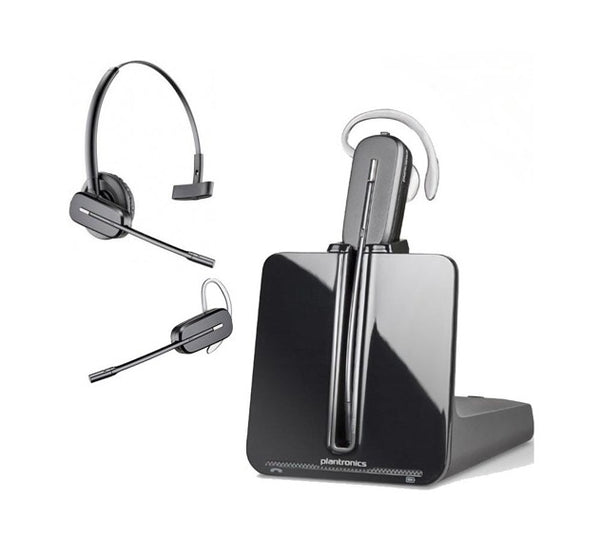
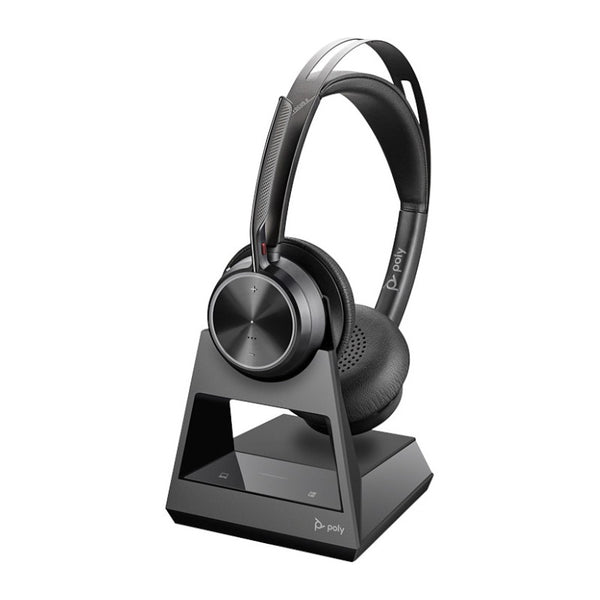
Yes — Plantronics, now Poly, builds noise-cancelling microphones into most of its business headsets, with the EncorePro series specifically engineered for call-center-grade background noise reduction. Poly's noise cancelling headsets generally focus on the microphone side rather than active noise cancellation, which is more common on Jabra Evolve2 and EPOS ADAPT models instead.