








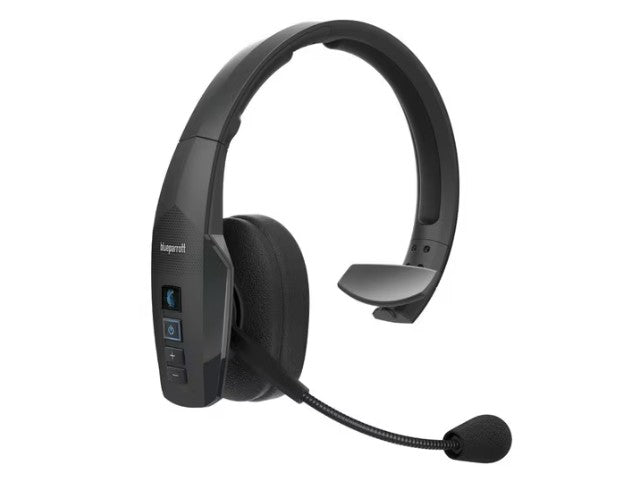

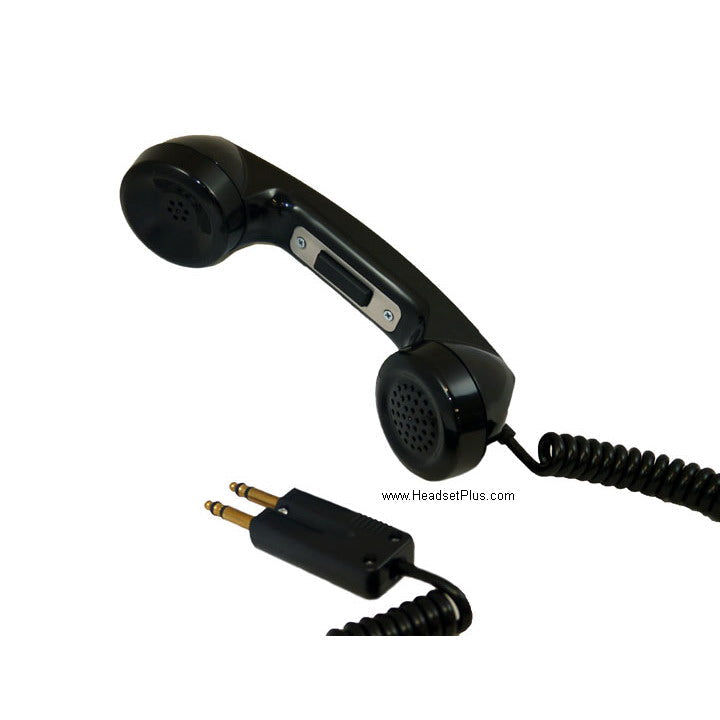

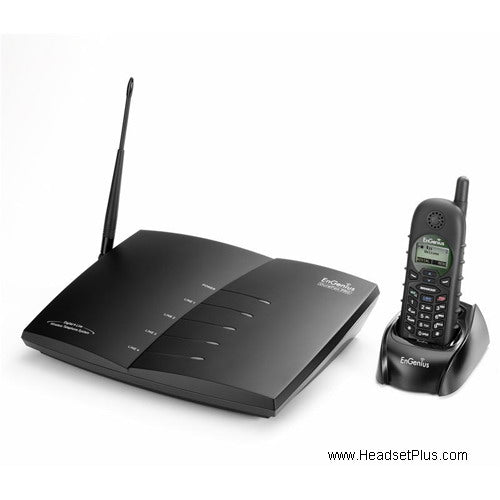

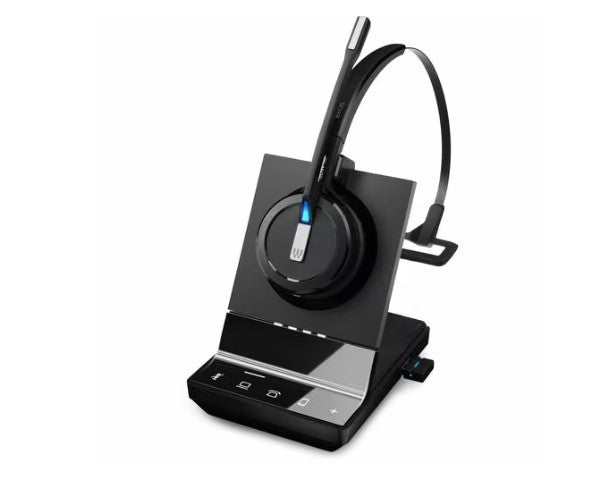









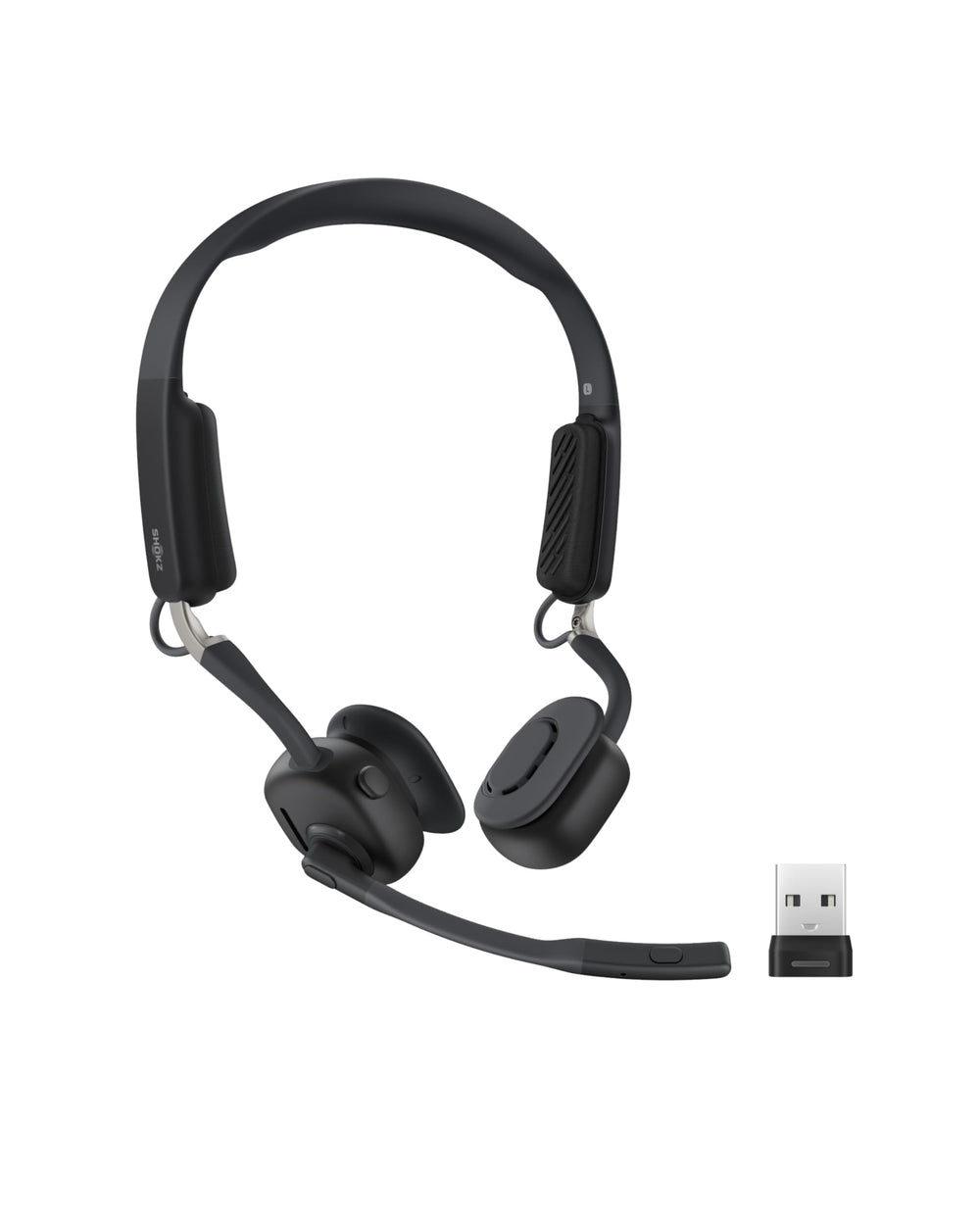

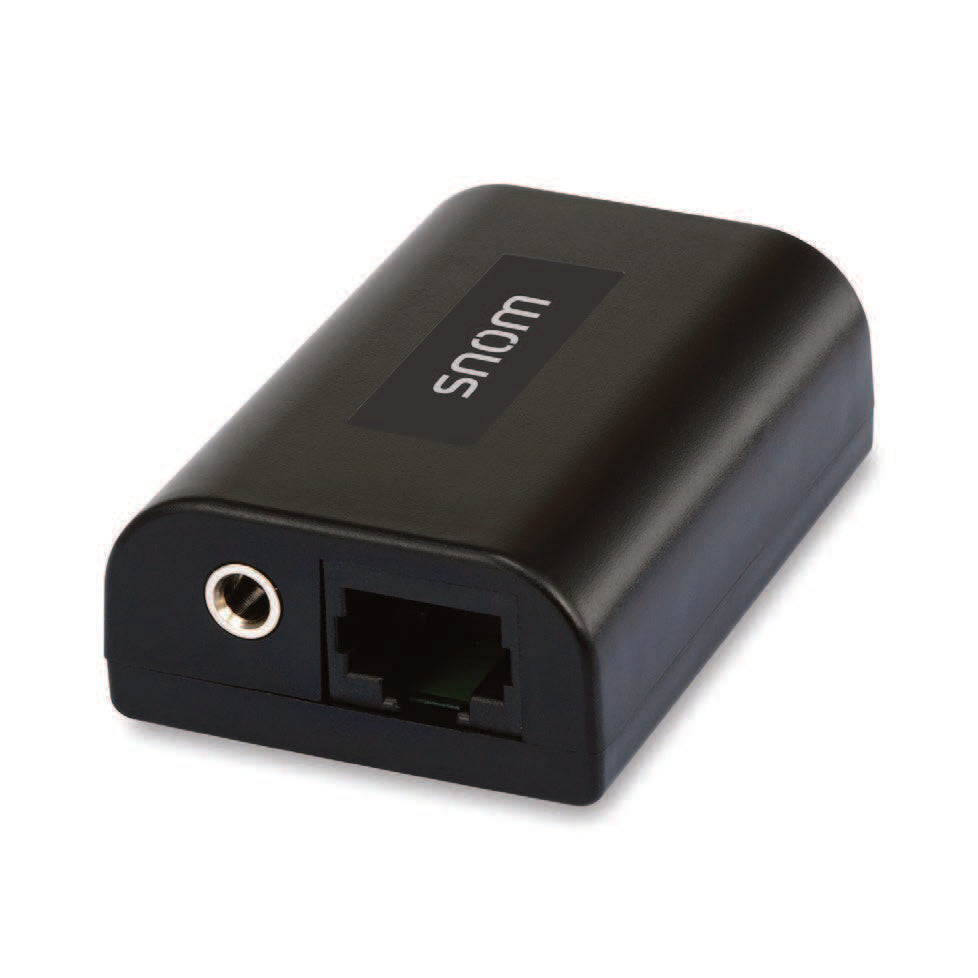
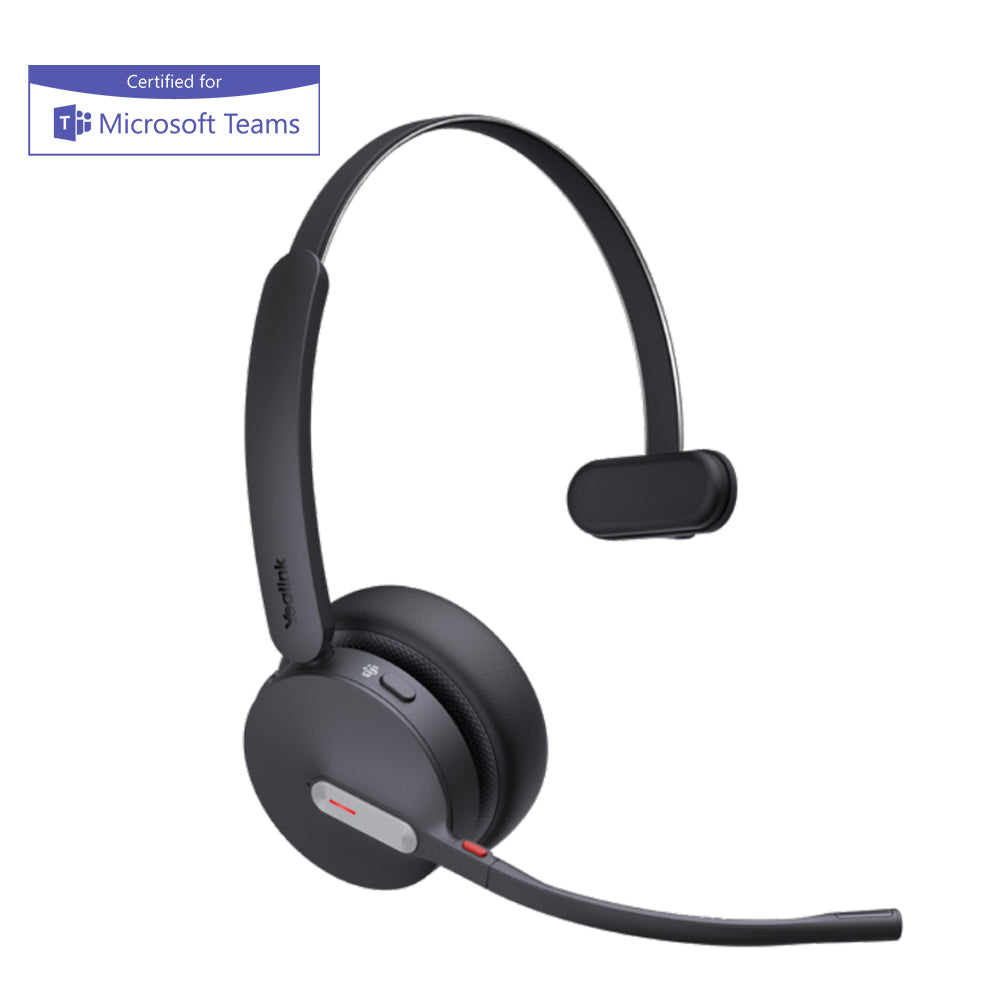
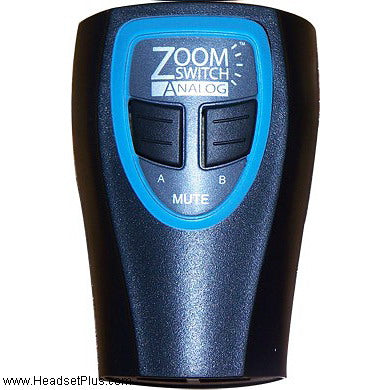


When a dispatcher keys up on a 911 call or an air traffic controller clears a runway, the headset can't be the weak link. But before audio quality or comfort even enters the conversation, dispatch headsets face a compatibility question office headsets never do: your console's wiring decides everything. Get that right and any good headset works; get it wrong and nothing does.
Dispatch consoles come in a few wiring standards — 6-wire, 4-wire, and TA6ML — and the headset connects through a push-to-talk (PTT) amplifier or adapter matched to yours. Here's how to identify your console and choose the right interface, with one warning up front: these are special-order, non-returnable items, so confirming compatibility before you order matters more here than anywhere else.
Quick answer
Last updated July 2026
How dispatch headset compatibility works
Unlike an office phone, a dispatch console doesn't take a headset directly — it connects through a PTT interface that lets the operator switch between radio and telephone channels. Which interface you need depends entirely on how your console is wired, and that's the one thing to identify before anything else.
Myth
I can pick a dispatch headset and plug it straight into my console.Reality
Dispatch consoles use different wiring standards — 6-wire, 4-wire, TA6ML and TA6MLX — and the headset reaches the console through a PTT amplifier or adapter built for that specific wiring. Order the wrong interface and it won't work, and because these are non-returnable special-order items, you're stuck with it. The headset is interchangeable; the console interface is not.Push-to-Talk (PTT) interface — The amplifier or adapter that sits between a dispatch headset and the console, letting the operator toggle between radio and telephone audio. It's matched to the console's wiring type, and it's the component that actually determines compatibility — not the headset.
The three configurations below cover the large majority of dispatch, 911, and air traffic control positions. If you're not certain which your console uses, that's the moment to call a specialist rather than guess — the whole 911 dispatch headsets range is built around confirming this first.
Headsets for a 6-wire console (most common)
The 6-wire console is the most common dispatch configuration, and it has both a corded and a wireless path.
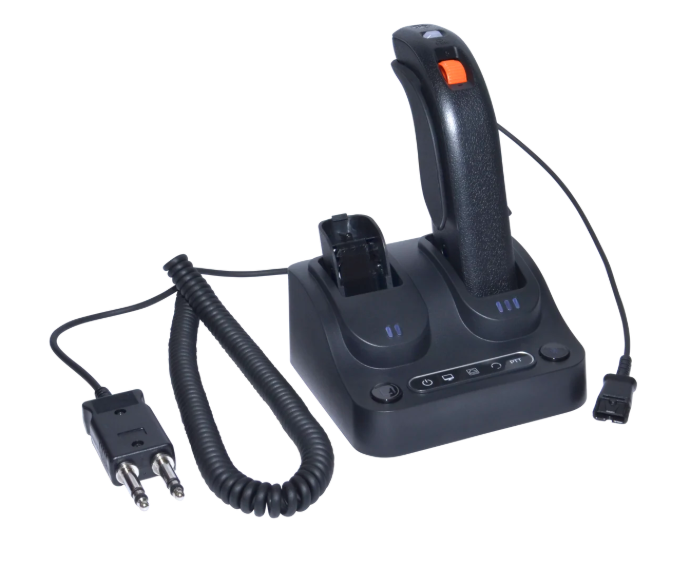
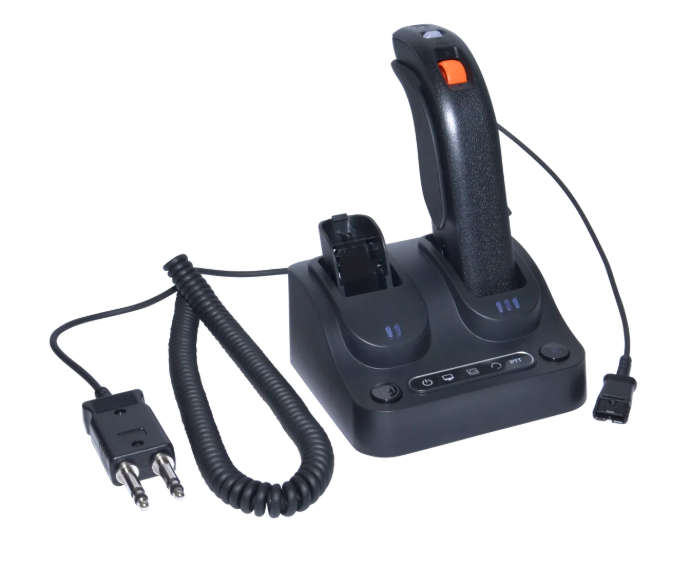
- Corded: the Poly SHS1890 PTT amplifier — a rugged switchboard amplifier that carries radio and telephone audio, available in a 10-foot cord (the 15-foot version is also stocked)
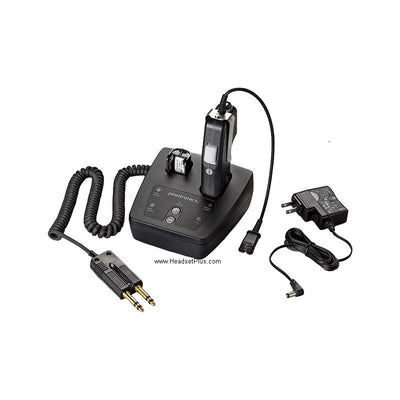
- Wireless: the Poly CA22CD-SC, a single-channel wireless PTT adapter with military-grade 256-bit encryption
The CA22CD-SC is the current wireless adapter — it replaced the older CA12CD-S, and the two aren't cross-compatible on battery packs (a detail worth confirming if you're extending an existing fleet). We lay out exactly what changed in our CA22CD vs CA12CD-S comparison before you commit.
Headsets for a 4-wire console (less common)
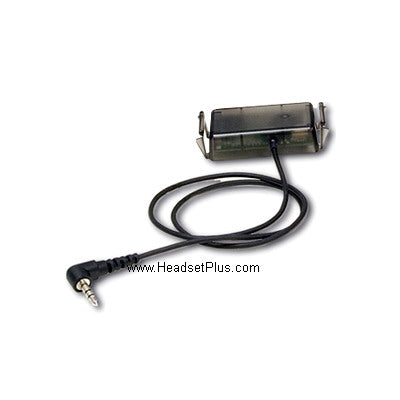
For a 4-wire console, the wireless route is the current path: a Poly CS540 wireless headset with a PJ-327 plug-prong adapter (part 18709-01). One operational note that catches teams out — with the 4-wire wireless setup, you transmit using the console's foot pedal or button before handing off to the headset's belt-pack control, rather than keying from the headset alone.
The older corded 4-wire amplifiers (the SHS1892 line) have been discontinued, so if you're outfitting a 4-wire position today, the Poly CS540 wireless route or a specialist-confirmed alternative is the way to go. Because 4-wire configurations vary, this is one to confirm with a specialist against your specific console.
Headsets for TA6ML and TA6MLX consoles
Consoles using TA6ML or TA6MLX Switchcraft connectors — common in air traffic control and specialized dispatch — need a matching dual-channel interface. For a modern VoIP-based position, a USB PTT switch (the Poly SHS2371 series) connects a dual-channel headset to console software through a USB-A port; a heavy-duty USB footswitch is available for hands-free keying.
Dual-channel headsets like the Poly HW261N-DC pair with these connectors. Because the TA6 ecosystem mixes current and legacy parts — and some dual-channel adapters have been discontinued — this configuration is best specified with a specialist rather than ordered blind. Browse the confirmed-current options in the 911 dispatch headsets collection, or call to match your exact connector.
Dispatch headsets built for the job
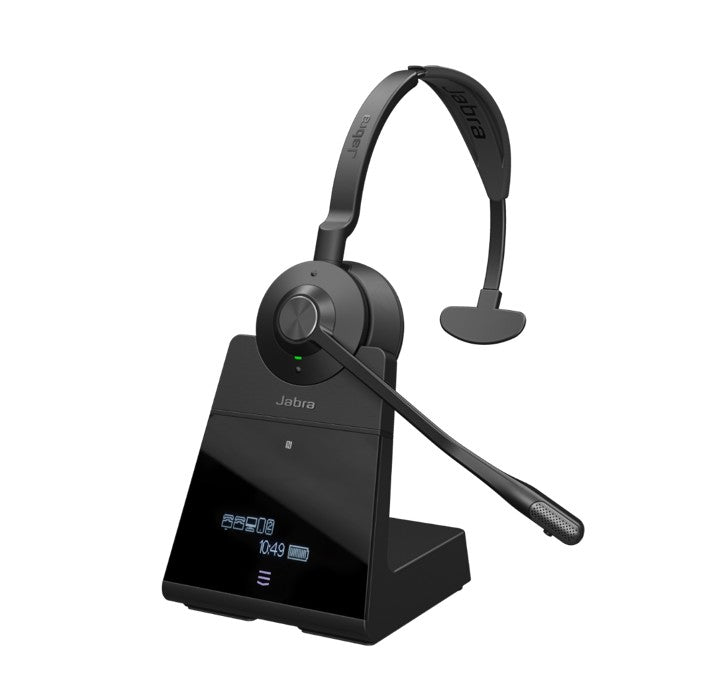
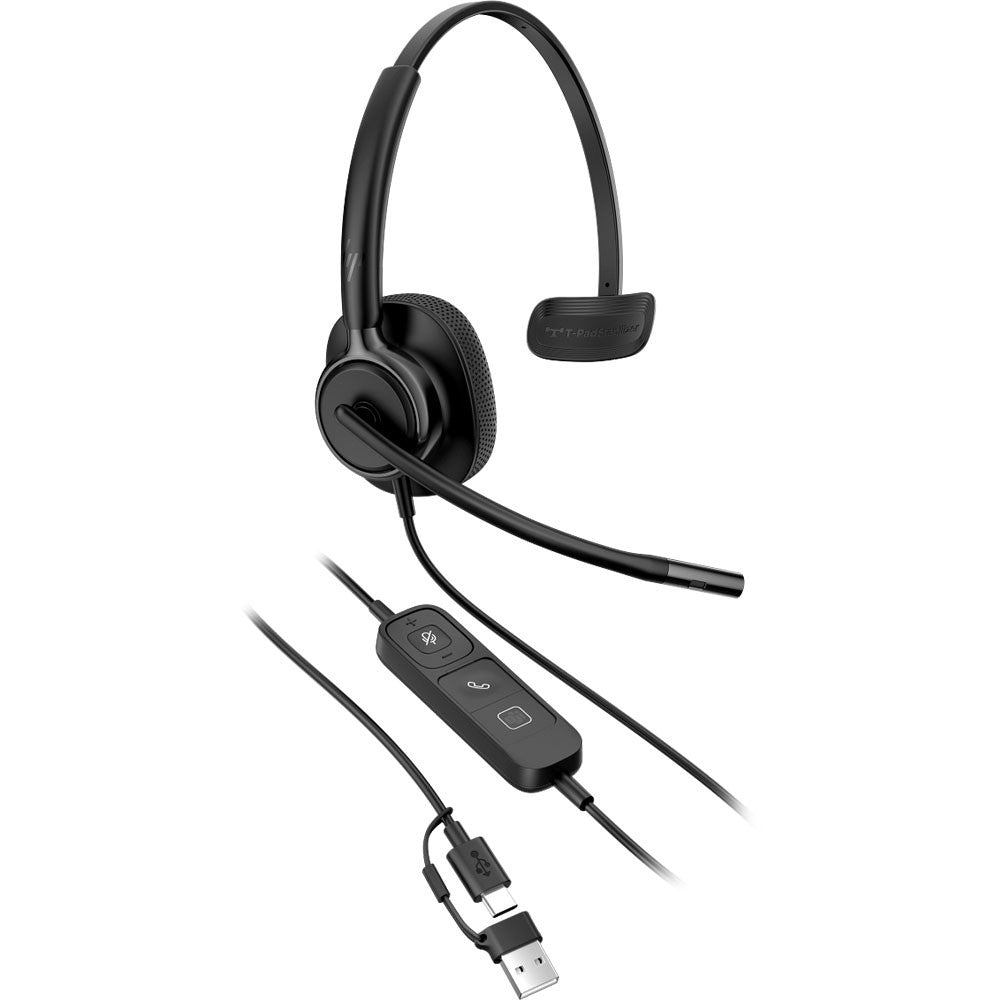
Once the console interface is settled, the headset is the interchangeable part — but dispatch work has its own preferences, favoring ultra-light, all-day comfort and enhanced receiver clarity over office features. The Poly H31CD StarSet is the long-running dispatch and controller standard for exactly this reason.
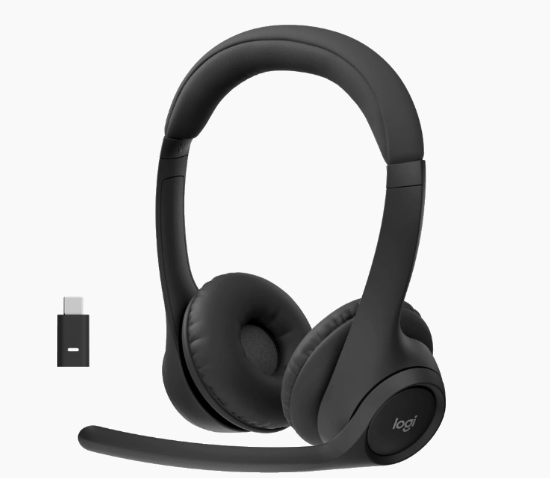
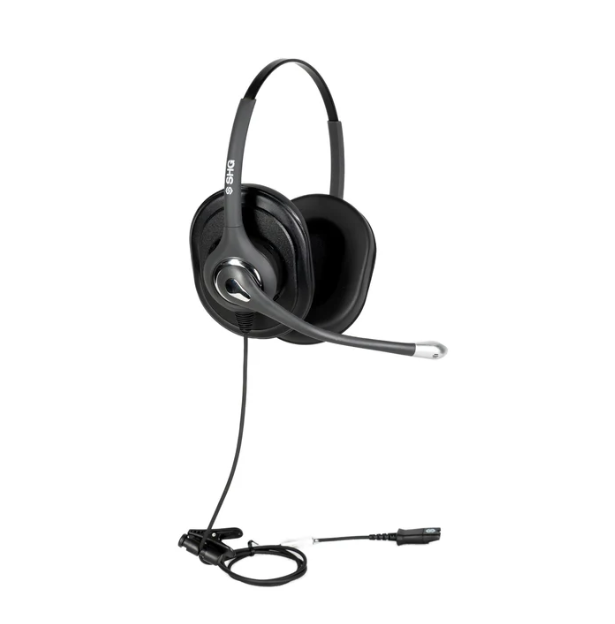
For operators who prefer dual-ear coverage in a loud communications center, over-the-head noise-cancelling models like the HW261N-DC seal out more of the room. Whether one ear or two suits a given position comes down to how much of the surrounding floor an operator needs to hear — the same awareness-versus-isolation trade that applies to any headset. The full dispatch lineup, with the wearing styles and connectors confirmed current, sits in the 911 dispatch headsets collection.
What headset do I need for a 911 dispatch console?
You need a dispatch headset plus a push-to-talk (PTT) interface matched to your console's wiring — most commonly 6-wire, sometimes 4-wire or TA6ML. For a 6-wire console, the Poly SHS1890 amplifier (corded) or Poly CA22CD-SC adapter (wireless) is the standard. The headset itself is interchangeable, but the PTT interface must match your specific console.
How do I know if my dispatch console is 6-wire or 4-wire?
The 6-wire configuration is by far the most common in 911 and dispatch consoles, with 4-wire being less common. The safest way to confirm is to check your console documentation or ask a headset specialist, because the wiring determines which PTT amplifier or adapter you need. Since these are non-returnable special-order items, confirming before ordering is essential.
What is the difference between the Poly CA22CD-SC and the CA12CD-S?
The Poly CA22CD-SC is the current wireless PTT adapter that replaced the older Plantronics CA12CD-S. They differ in encryption, battery packs, and remote design, and the battery packs are not cross-compatible — CA22CD packs have four contacts, CA12CD packs have two. For a full breakdown, see the dedicated CA22CD versus CA12CD-S comparison.
Can I use a wireless headset at a dispatch position?
Yes. For a 6-wire console, the Poly CA22CD-SC wireless PTT adapter gives operators wireless freedom with secure encrypted audio. For a 4-wire console, a Poly CS540 with a PJ-327 adapter works, though transmit is keyed from the console's foot pedal or button. Wireless dispatch adapters are special-order items, so confirm console compatibility first.
Are dispatch and 911 headsets returnable?
No. Dispatch, 911, and air traffic control PTT amplifiers, adapters, and specialized headsets are non-returnable special-order items, because they're built for specific console configurations. Defective units are replaced under manufacturer warranty, but wrong-configuration orders can't be returned. This is why confirming your console's wiring type before ordering is critical.
Which dispatch headset is most comfortable for all-day wear?
The Poly H31CD StarSet is a long-standing favorite for all-day dispatch and controller wear, weighing under half an ounce with an over-the-ear design and enhanced receiver clarity. For operators who prefer dual-ear coverage in a noisy center, over-the-head models like the HW261N-DC seal out more surrounding noise. Wearing style comes down to how much of the room the operator needs to hear.
Start with the console, not the headset. Identify whether your position is 6-wire, 4-wire, or TA6ML, match the PTT amplifier or adapter to it, and the headset choice becomes the easy last step. Because every part here is special-order and non-returnable, the smartest move on a mission-critical position is to confirm the configuration with a specialist before the PO goes out — browse the 911 dispatch headsets collection, then call our team at 877-999-3838 and we'll verify the exact interface your console needs.

Comments (0)