

























Dispatch Headsets and PTT Amplifiers
Dispatch headsets are half of a dispatch position
Dispatch headsets do not plug into a console. They plug into a push-to-talk amplifier, and the amplifier is the part that has to match how the position is wired. Get that wrong and the headset is fine and unusable at the same time.
Settle the wiring first, because it is the only irreversible decision here: every top on this page ends in the same quick disconnect, so the headset itself stays swappable.
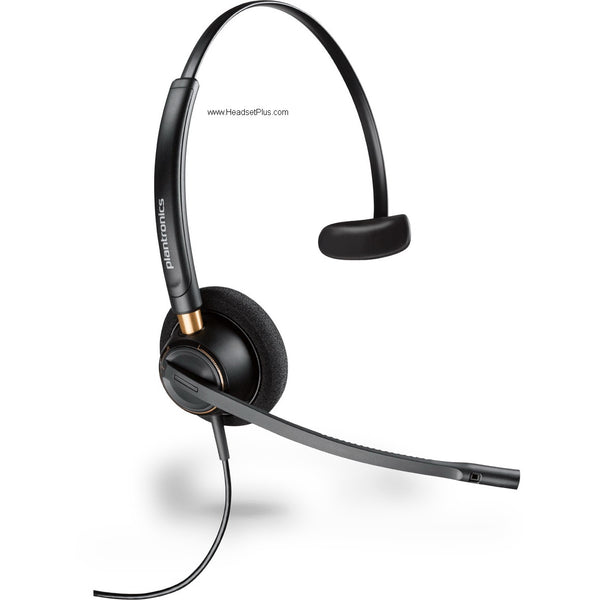
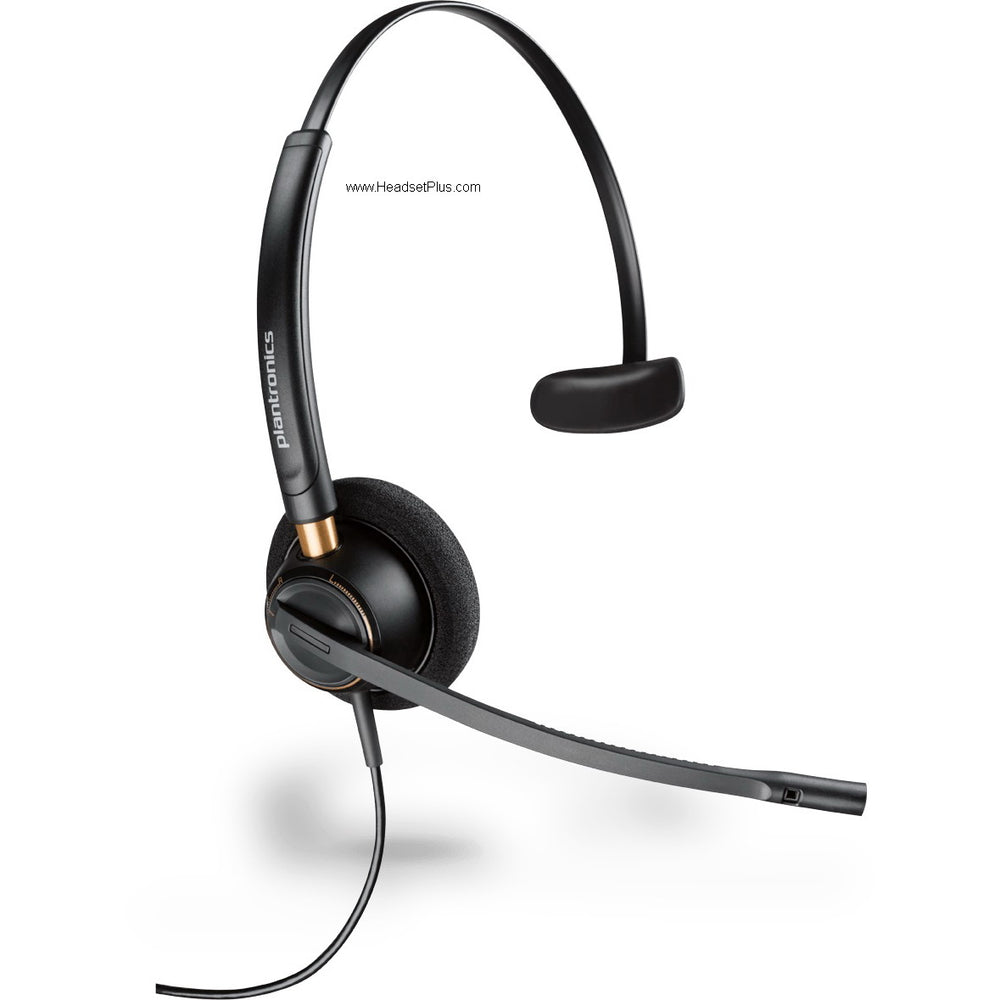
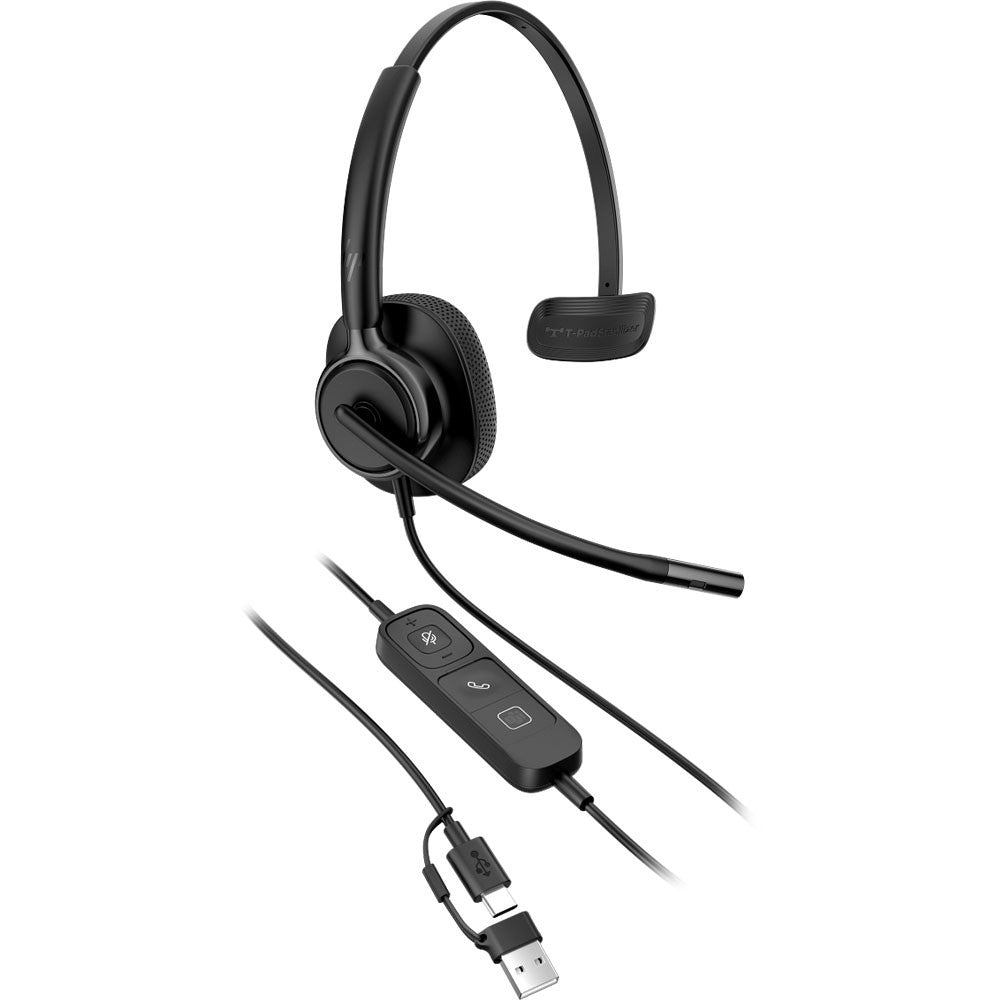
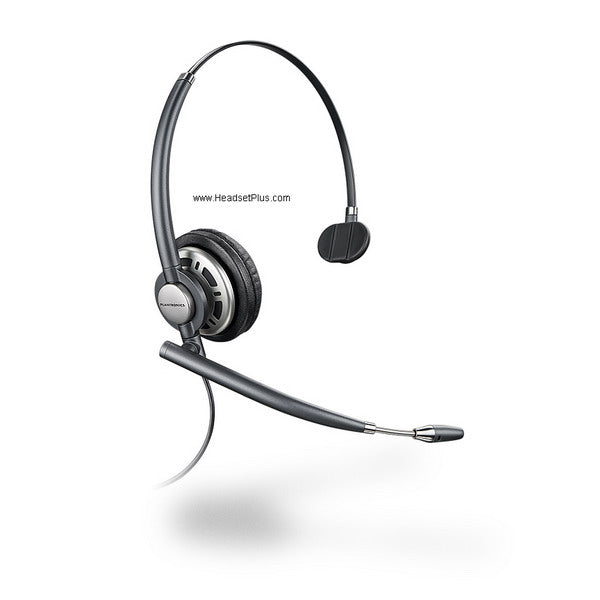
Plantronics EncorePro HW510 Mono Wired Headset (Noise-Canceling or Voice Tube)
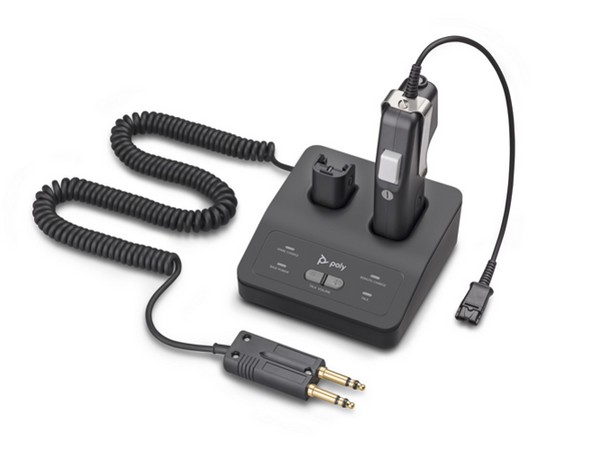
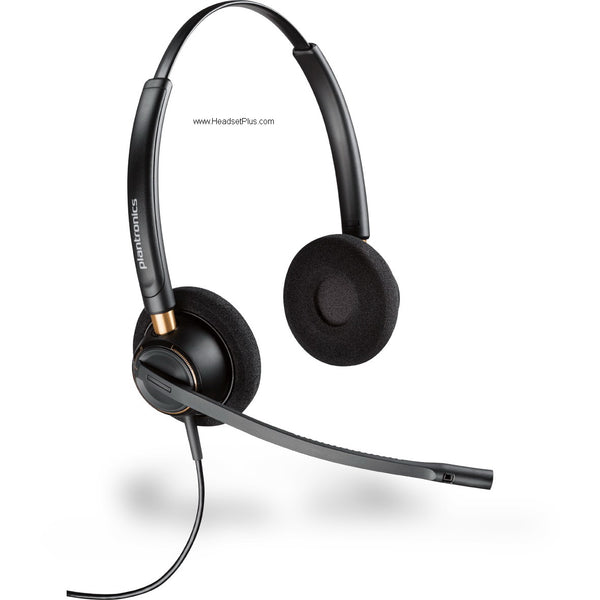
Plantronics EncorePro HW520 Binaural Wired Headset (Noise-Canceling or Voice Tube)
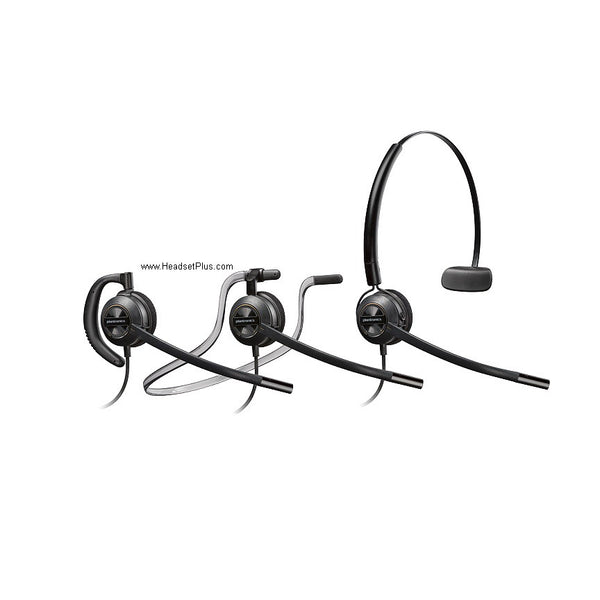
Plantronics EncorePro HW540 3-in-1 Convertible Wired Headset (QD or Phone-Specific)
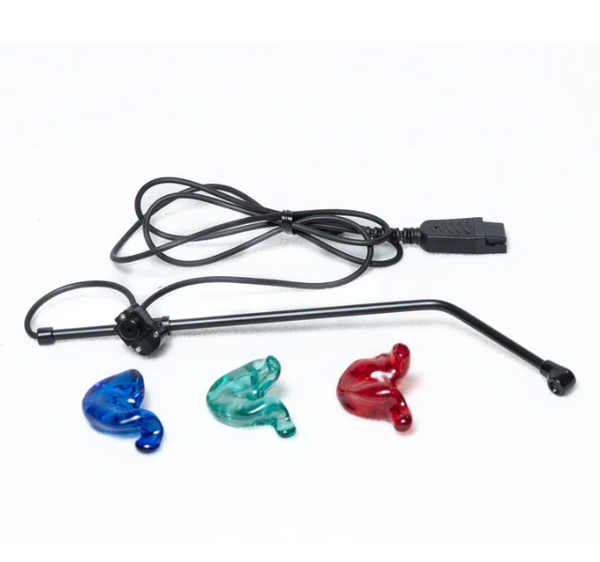
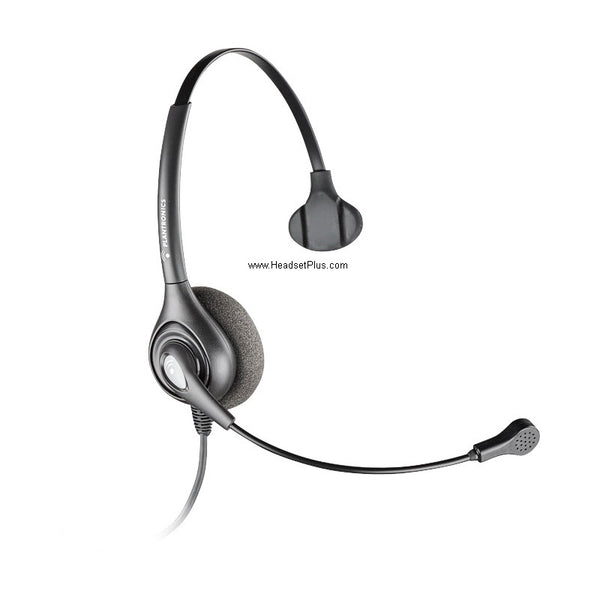
SHG S 131-PL In-Ear Headset with Non-Noise Canceling Mic
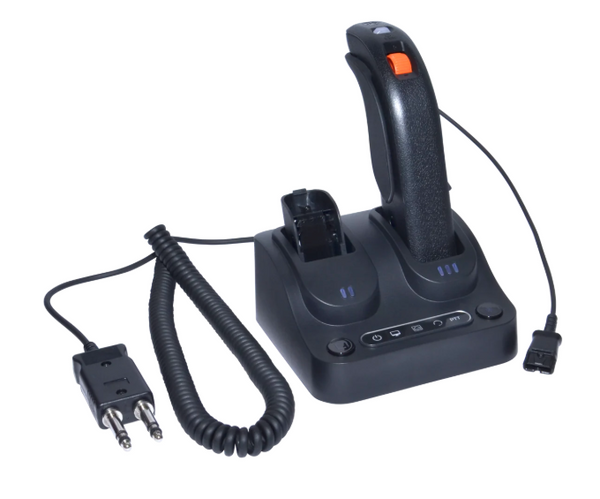
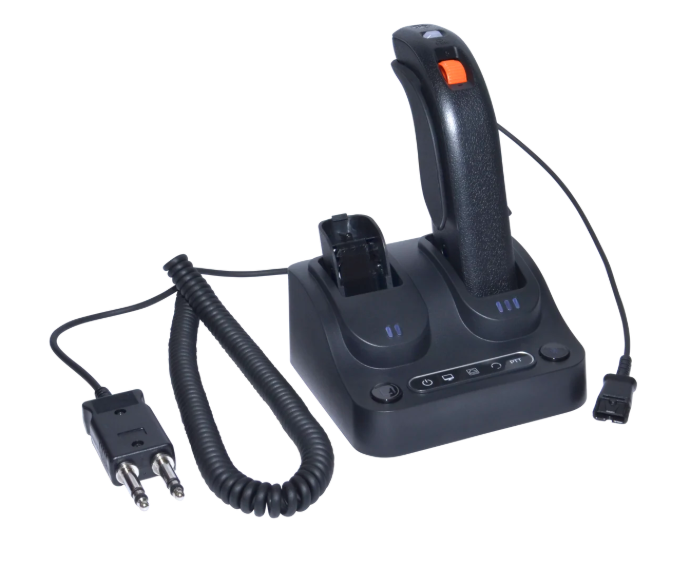
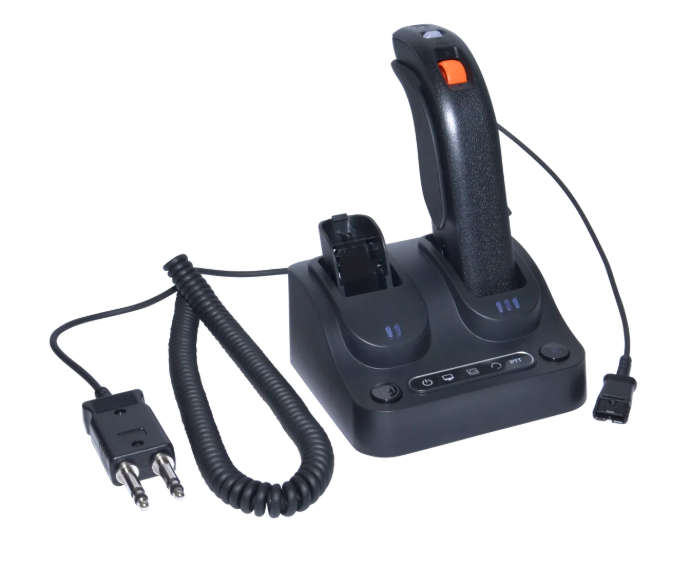
JPL Scout 3100 DECT Push-to-Talk PTT Wireless Amplifier
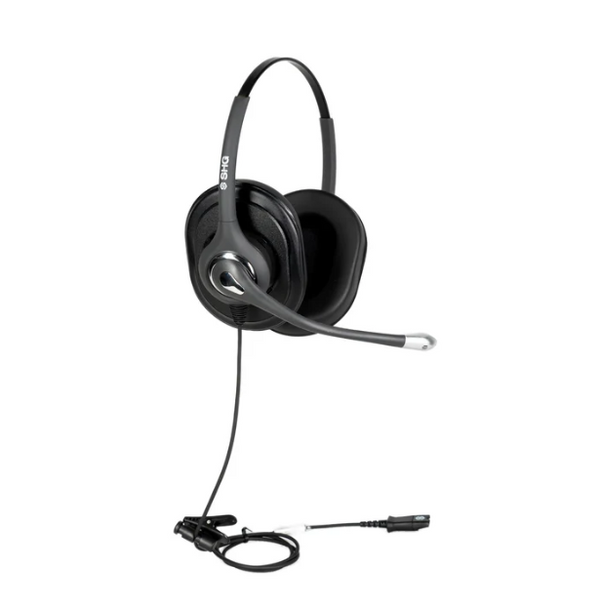
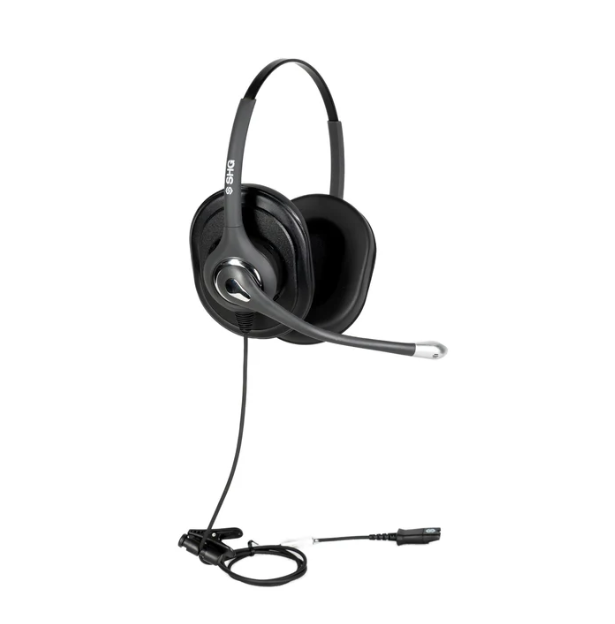
SHG S 620 NC PL Triple XL Ear Cushion Headset with Passive Noise Canceling Mic
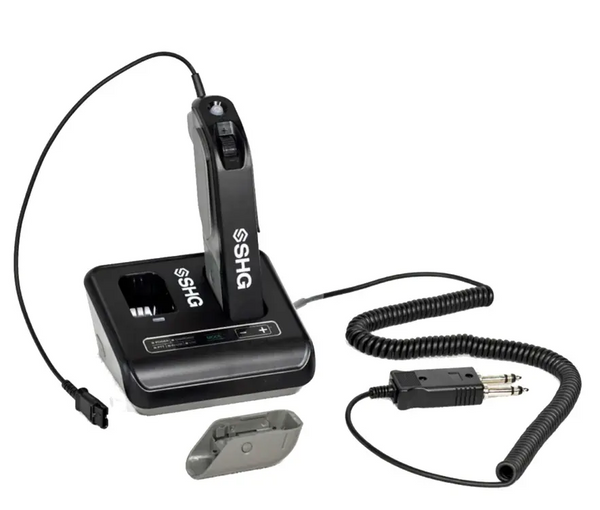
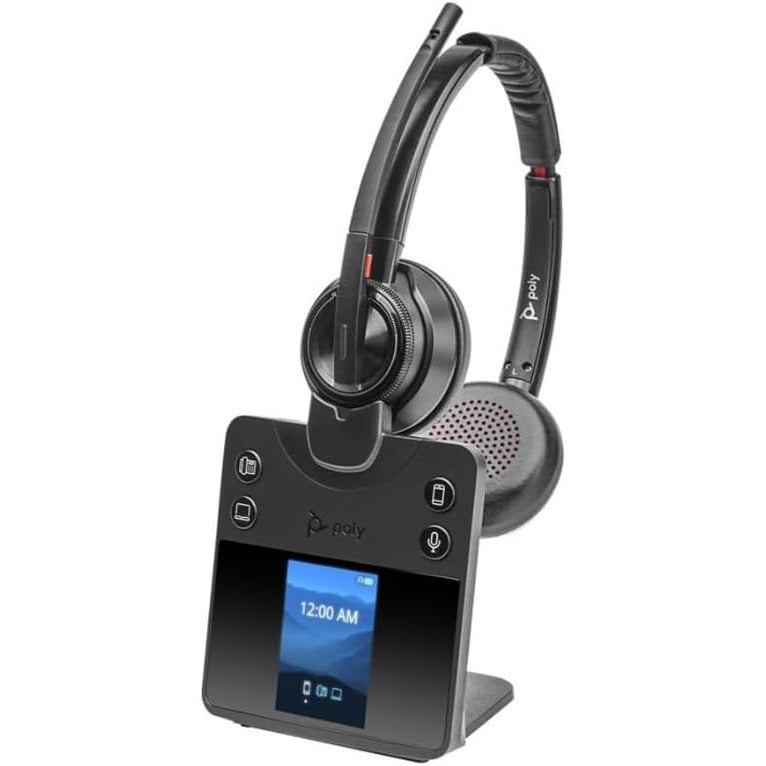
SHG S D200 DECT Cordless PTT (Push-To-Talk) Headset Adapter
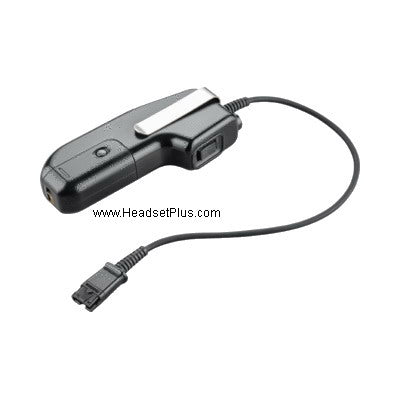
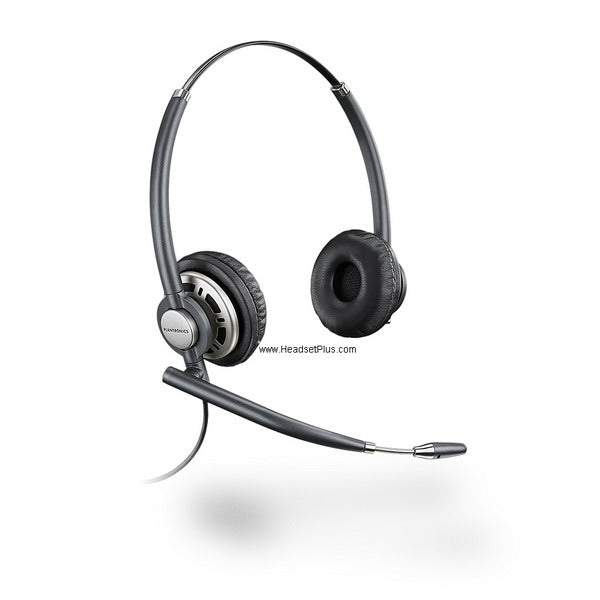
Plantronics EncorePro HW720 Binaural Wired Headset (QD or Phone-Specific)
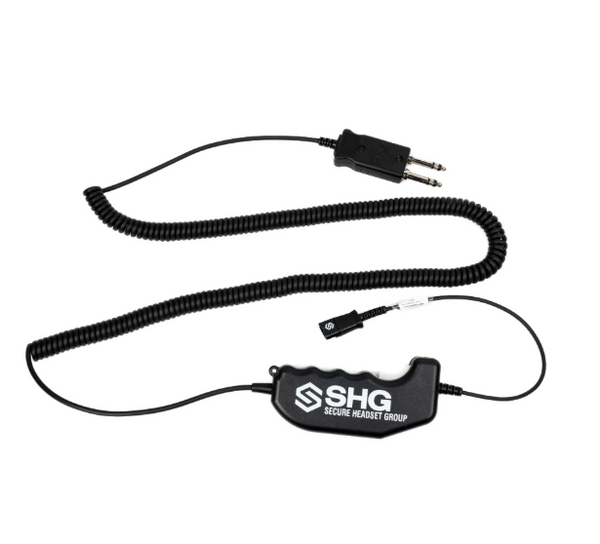
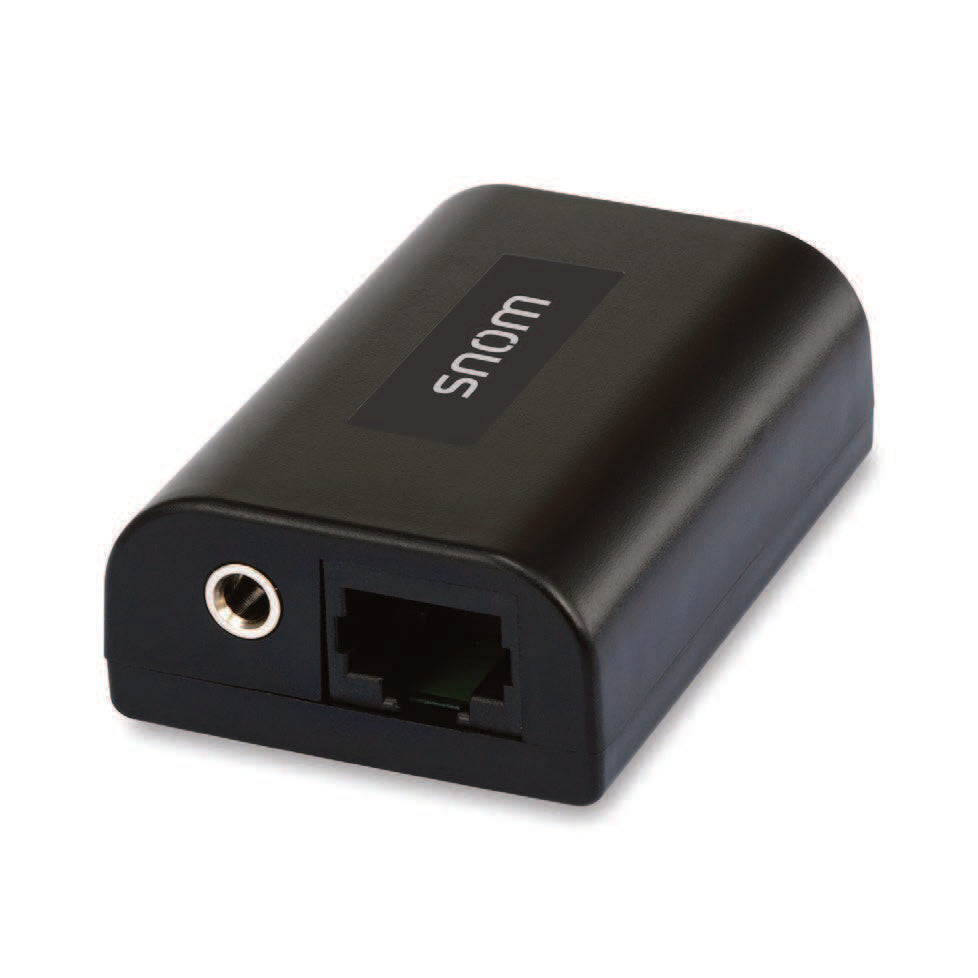
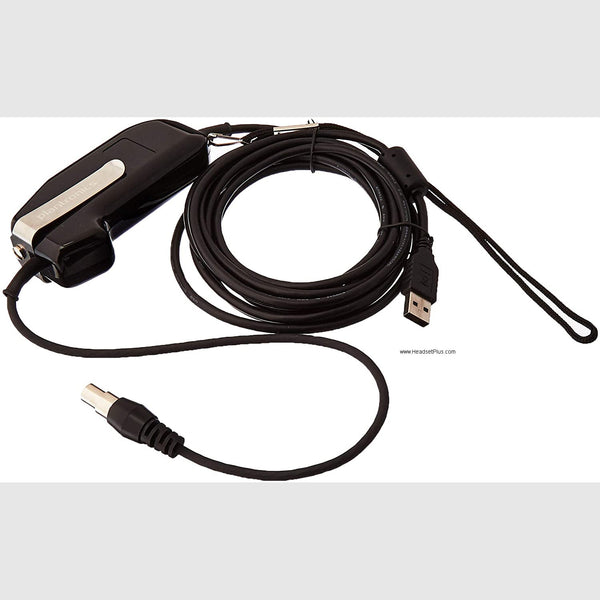
SHG S D145-PTT/AMP Push-to-Talk Amplifier
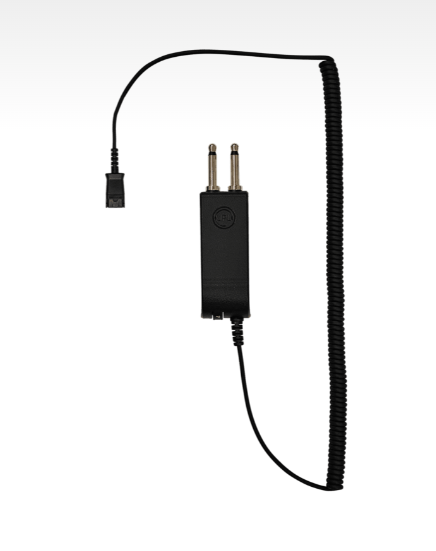
JPL BL-22+P Dual-Prong PJ-7 to QD Headset Adapter
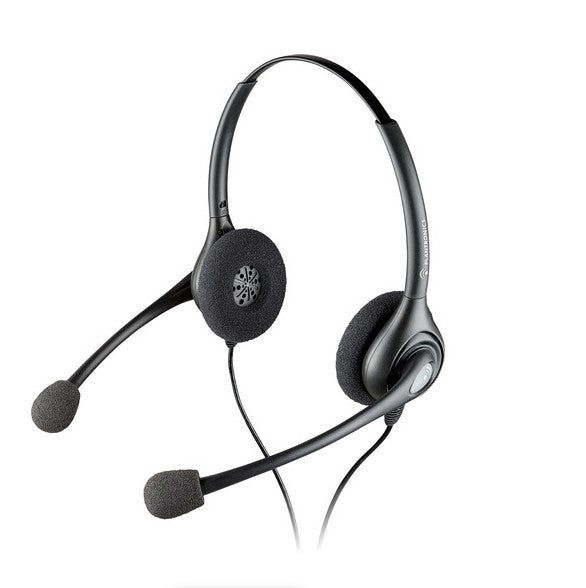
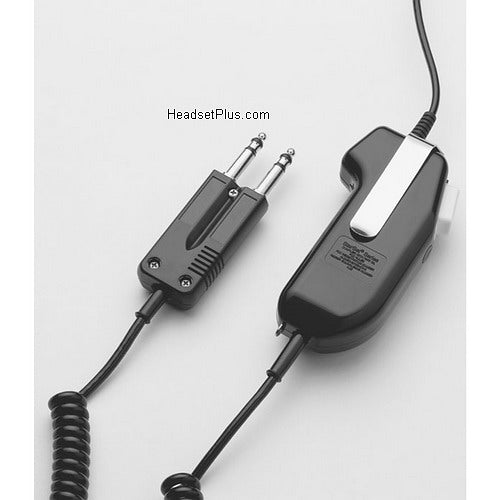
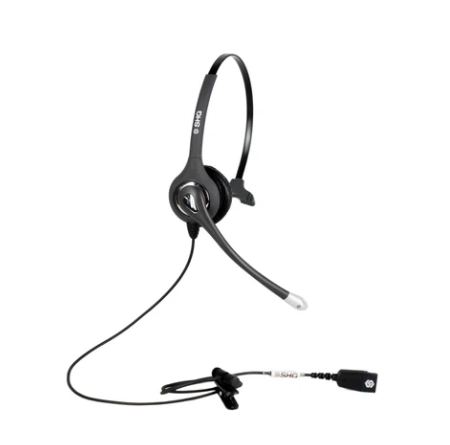
SHG S 500-PL Headset with Passive Noise Canceling Mic
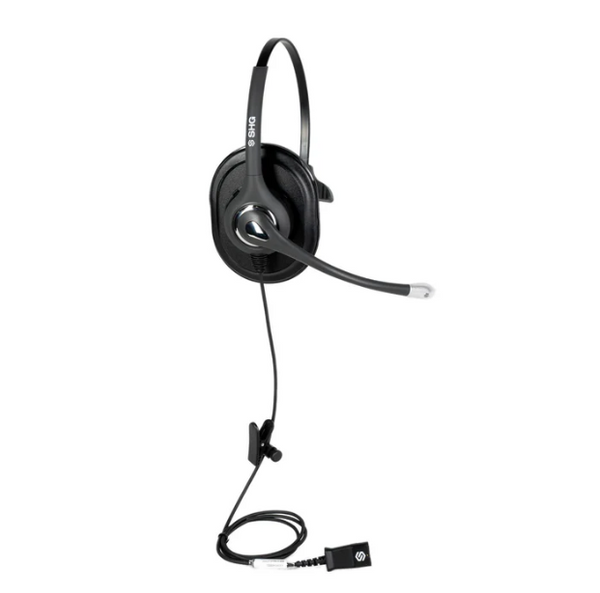
SHG S 520 NC PL Triple XL Ear Cushion Headset with Passive Noise Canceling Mic
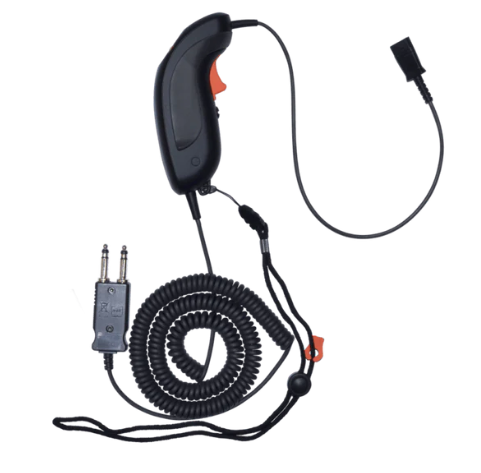
JPL Scout 300 Push-to-Talk PTT Amplifier
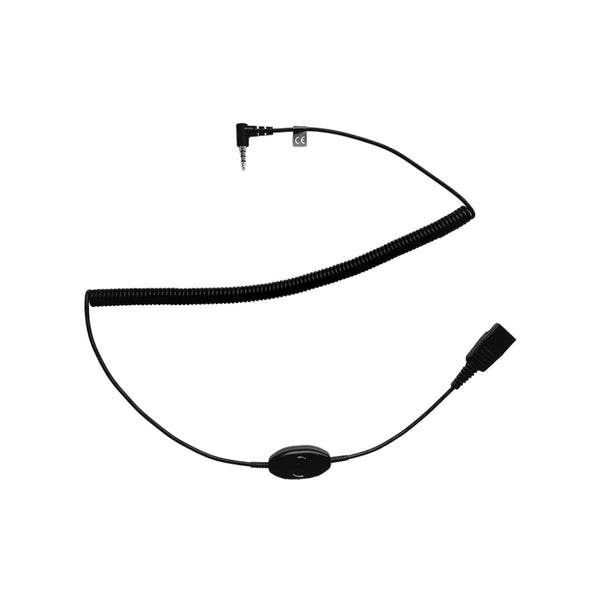
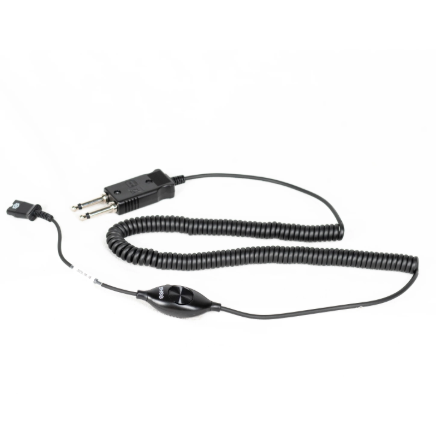
SHG S D144-Amp Cable
No products match “” in Dispatch Headsets and PTT Amplifiers.
Matching the amplifier to 4-wire or 6-wire
Two questions decide the amplifier: whether the console is 4-wire or 6-wire, and whether the operator stays at the position. Everything else follows from those.
| Amplifier | Console | Works with | Worth knowing |
|---|---|---|---|
| SHG S D144 | 4-wire | Any SHG or Poly QD headset | PJ-7 two-prong, TAA compliant |
| SHG S D145 | 6-wire | Any SHG or Poly QD headset | PJ-7 two-prong, TAA compliant |
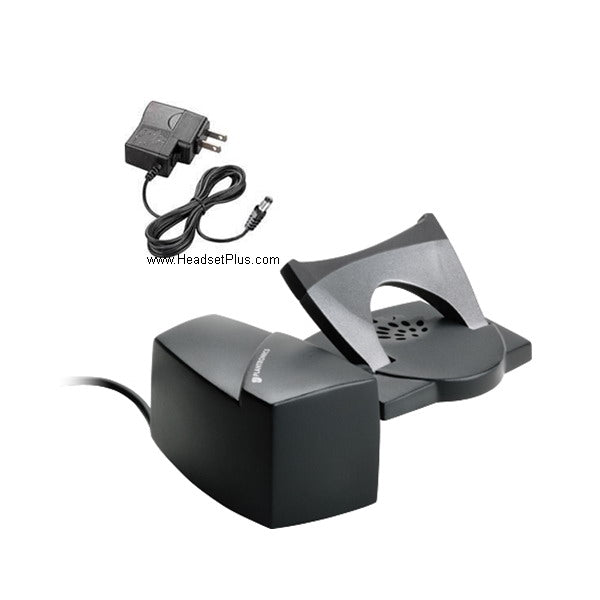
| Plantronics SHS1890-10 | 6-wire | Plantronics H-series tops | Limited stock, while supplies last |
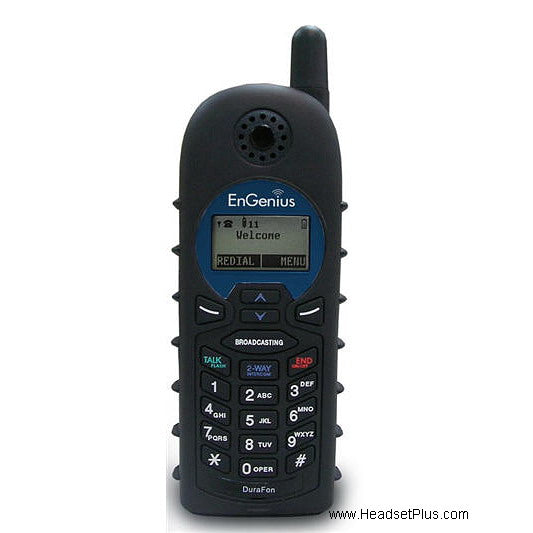
| Poly CA22CD-SC or SHG S D200 | PJ-7, cordless | Any Poly or SHG QD headset | DECT wireless, for operators who leave the position |
If you are reordering an SHS1890
The Plantronics SHS1890 is on limited stock, and its own listing pairs it with Plantronics H-series headset tops, which are discontinued. The SHG S D145 is the 6-wire replacement and it is described as the alternative for SHS1890-15 users. It takes any SHG or Poly quick-disconnect top, so the headsets already on your floor keep working and only the amplifier changes.What dispatch headsets need that office headsets do not
One ear, usually. A dispatcher has to hear the caller and the room at once, so a monaural top is the floor standard and a binaural one is the exception for a genuinely loud center. That trade is operational, not acoustic, and it is the reason a supervisor is rarely in a binaural headset.
The noise control sits on the microphone rather than the ears. These are noise-canceling boom microphones, not active noise cancelling headsets, and that is deliberate: dispatcher headsets that seal out the room would remove the awareness the job runs on. If anyone on your floor wears hearing aids, the EncorePro HW510 and HW520 ship in hearing aid compatible versions.
FAQ
Frequently Asked Questions
Check the console documentation or ask a headset specialist before ordering, because the wiring decides the amplifier and dispatch headsets themselves are interchangeable. The SHG S D144 serves 4-wire positions and the SHG S D145 serves 6-wire, and they do not substitute for one another.
The SHG S D145 is the 6-wire replacement, described on its own listing as the alternative for Plantronics SHS1890-15 users. The SHS1890-10 is still available on limited stock while supplies last. Both are PJ-7, so a 911 dispatch headsets & amps order can move to the SHG amplifier without changing the headset tops.
The Plantronics H31CD StarSet is discontinued, and the replacement depends on wearing style rather than on the amplifier. Operators who want the same single-ear, ultra-light feel move to the SHG S 131-PL; those who want dual-ear coverage move to the EncorePro HW520 or HW720. All three use quick disconnect, so the existing amplifier stays in place.
Monaural is the dispatch standard, because 911 dispatcher headsets have to leave one ear open to the room, the floor and the supervisor. Binaural is the better choice on a very loud floor or where a side conversation cannot be allowed to bleed into a call, at the cost of that awareness.