








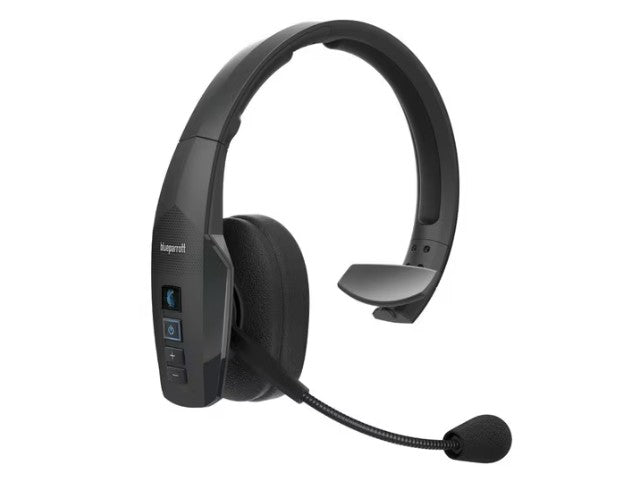

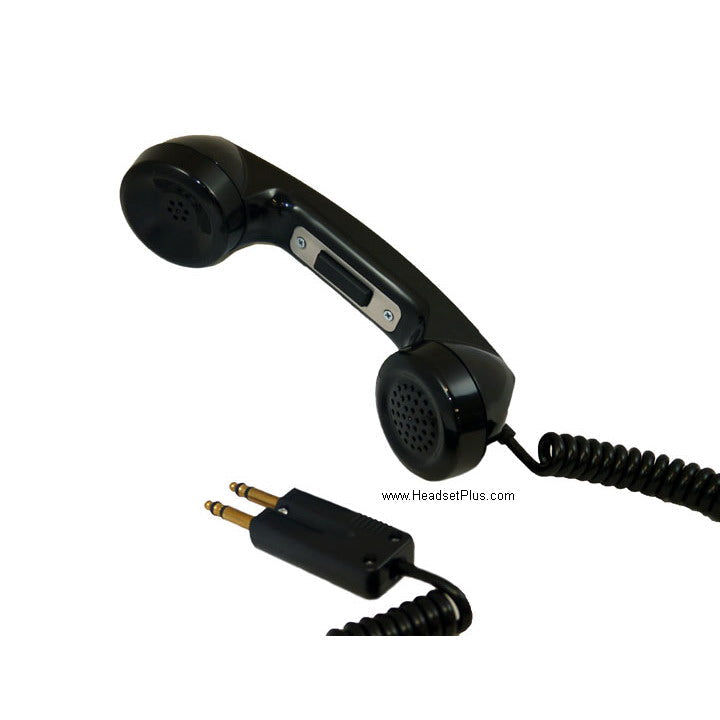

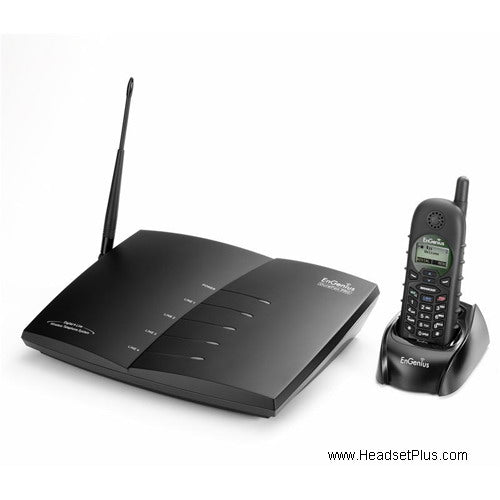

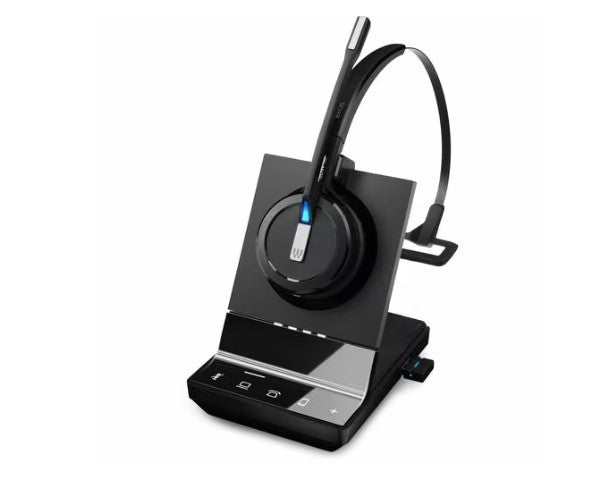












Hearing loss is common in the workplace — around one in six adults has some degree of it — and the good news is there are professional headset solutions that work genuinely well with hearing aids. The important thing to understand up front is that they split into two very different approaches, and which one is right for you depends on your hearing aids, not your phone.
This guide covers both: telecoil headsets you wear over your hearing aid, and Bluetooth pendant systems that stream audio straight into it with no headset at all.
Quick answer
Last updated July 2026
What makes a headset hearing aid compatible?
Hearing aid compatibility comes down to one component in most modern hearing aids: the telecoil. Understanding it explains why a special headset is needed rather than just a louder one.
Telecoil (T-coil) — A small copper coil inside many hearing aids that receives sound as a magnetic signal instead of through the microphone. Switching the hearing aid to "T" mode lets it pick up audio directly from a telecoil source — a HAC headset speaker, a neckloop, or a room hearing loop — which eliminates the feedback squeal and background noise you'd get from a regular speaker held near a hearing aid. It's built to the EIA 504 standard, and US law requires landline telephones to be telecoil compatible.
Myth
Any headset works with hearing aids if I just turn the volume up.Reality
Turning up a normal headset held over a hearing aid usually makes things worse, not better — it causes feedback (that squealing whistle) and distortion. A true HAC telecoil headset instead uses a speaker that emits a clean magnetic signal your hearing aid's telecoil picks up directly, with no feedback and no room noise. It's not about volume; it's about coupling to the telecoil the right way. Headsets that aren't HAC-certified simply don't emit the right magnetic energy to do this.Telecoil headsets: worn over your hearing aid
This is the main approach and suits most hearing aid wearers. You wear a HAC-certified headset as normal, switch your hearing aid to T mode, and the headset's magnetic speaker couples to the telecoil. They come in corded, USB, and wireless versions.
Corded HAC headsets for desk phones
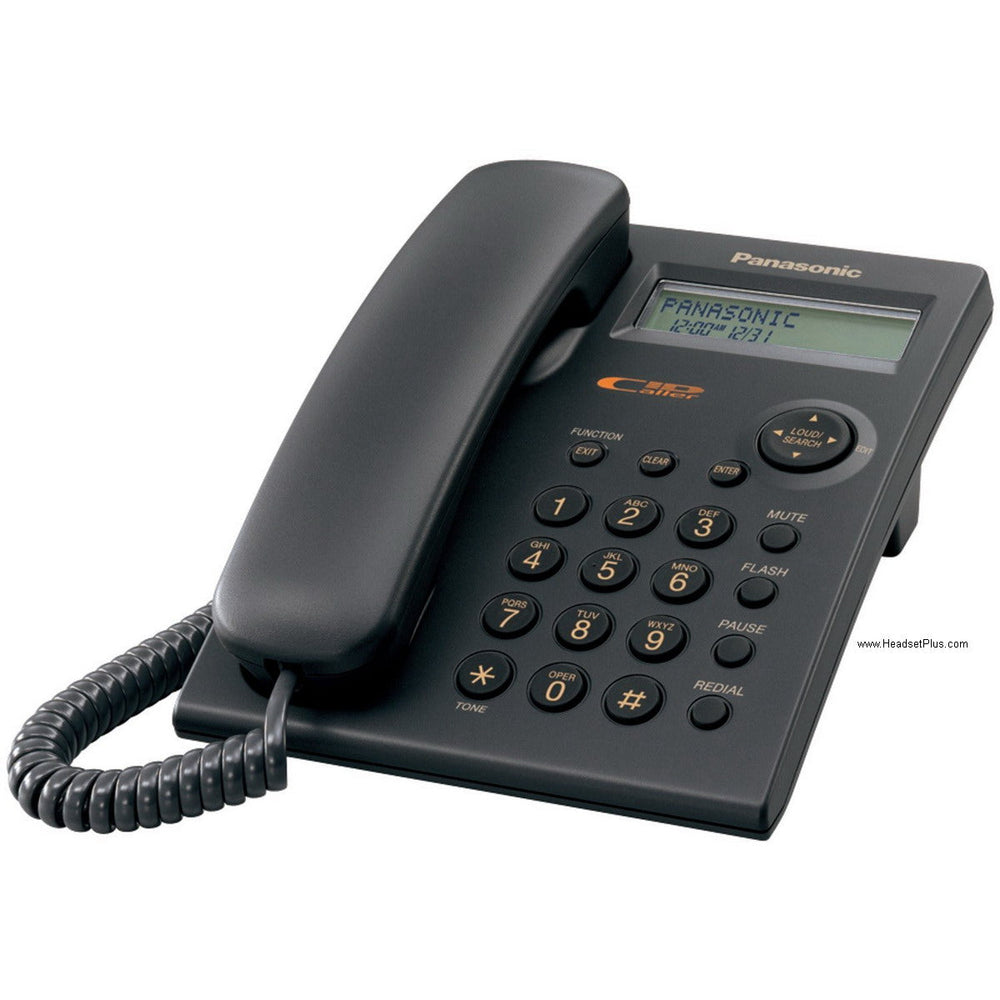
For a desk phone, the Poly EncorePro 500 series is the standard, fitted with HAC telecoil speakers:
- Poly EncorePro HW510 — mono (one ear), with a noise-cancelling mic so your caller hears you clearly.
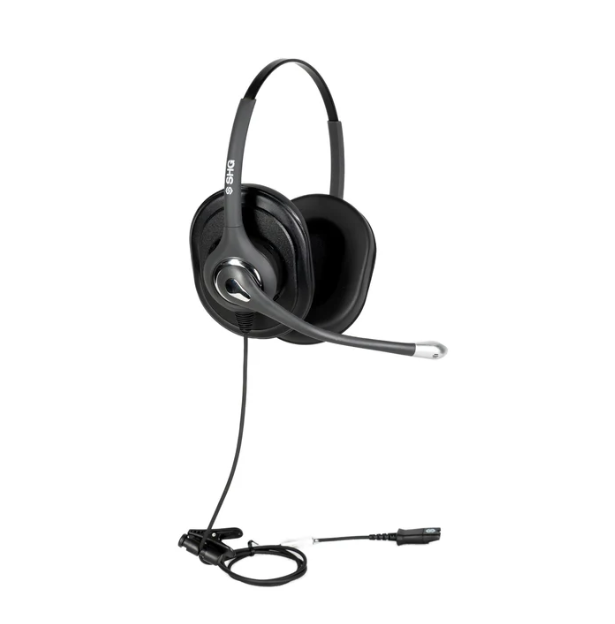
- Poly EncorePro HW520 — binaural (both ears), the recommended pick for hearing aid wearers since it delivers the telecoil signal to both ears. A voice-tube version (HW510V/HW520V) is also available and replaced the older H251H and H261H.
One correction to older guides: these connect to a desk phone through a bottom cable if your phone has a headset port, or through a Poly MDA524 amplifier if it doesn't — the previously required M22 amplifier has been discontinued. For a noisy office, adding circumaural (over-the-ear) leather cushions helps the headset seal around the ear.
USB HAC headsets for computers and softphones
If you work on a computer with a softphone, these USB headsets are telecoil hearing aid compatible:
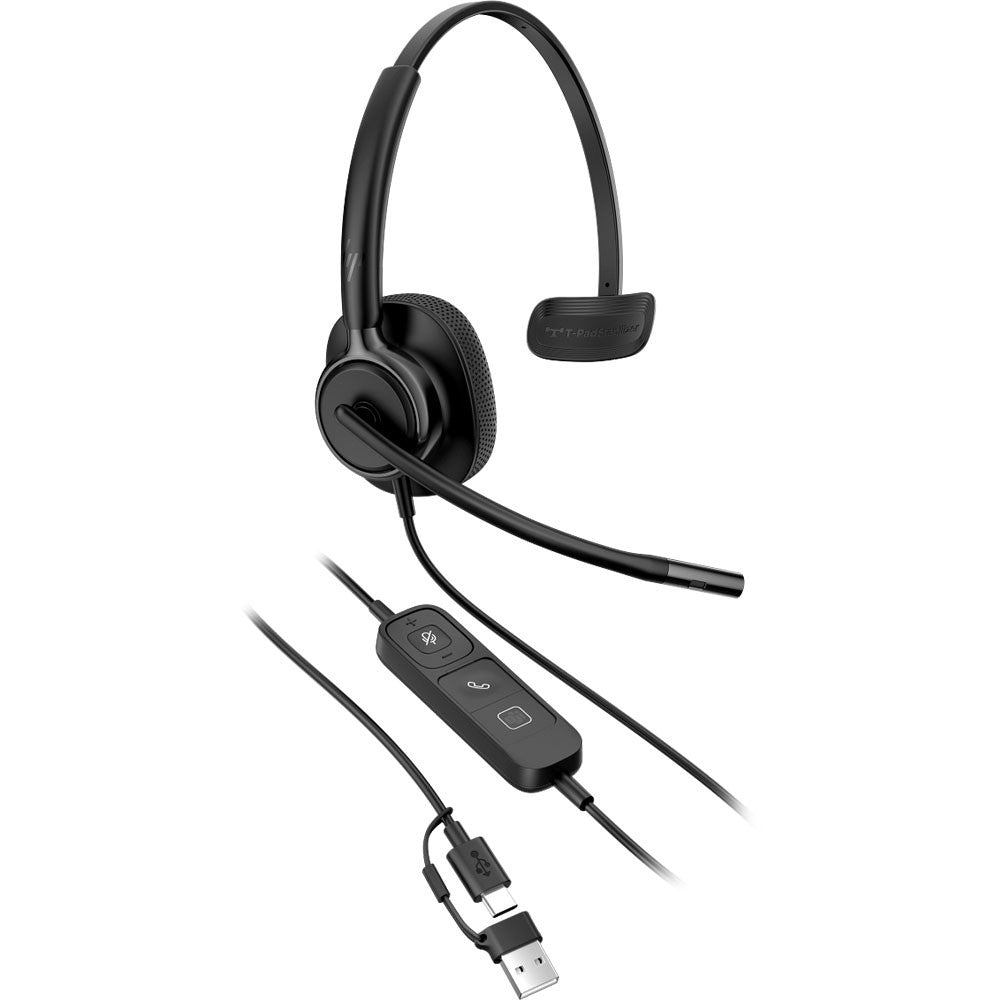
- Poly EncorePro EP515-M — a light 52g mono headset, Microsoft Teams certified, with both USB-A and USB-C connectors included and digital wideband audio.
- Poly EncorePro EP525 — the binaural (dual-ear) version, ideal for a call center, with USB-A and USB-C and inline controls. There's also a convertible EP545.
- Poly Blackwire 3320 — an affordable HAC stereo USB headset, Teams certified, in USB-A and USB-C versions.
- Poly Blackwire 8225 — the top-of-the-line HAC USB headset, adding active noise cancellation and a busylight for the noisiest environments.
Wireless HAC headsets
Poly's Savi wireless series includes telecoil-compatible models for users who want to move around while on a call. Because the wireless lineup updates regularly, the current HAC-certified Savi model is best confirmed for your setup — call our specialists and we'll match a current wireless telecoil headset to your desk phone and computer.
Bluetooth pendant systems: no headset, stream to your hearing aid
The second approach is completely different, and it's the answer for people who can't comfortably wear a headset over their hearing aids, or whose hearing aids support direct Bluetooth streaming. Here, there's no headset at all.
Neckloop / pendant — A device worn around the neck that receives audio over Bluetooth and converts it into a magnetic signal your hearing aid's telecoil picks up by induction — streaming sound directly into the hearing aid. The pendant has a built-in microphone that captures your voice and sends it back to the phone. Neckloops are made by hearing aid brands such as Phonak, Oticon, Siemens, and Starkey, and are supplied by your audiologist.
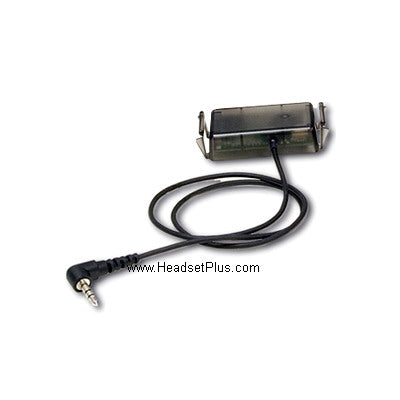
The setup works like this: a Bluetooth adapter connects to your desk phone (a Plantronics MDA220 with a compatible Bluetooth dongle) or to your computer for softphones. Incoming call audio streams over Bluetooth to your hearing aid's pendant/neckloop, which induces it into the telecoil. The pendant's microphone captures your voice and sends it back. The desk phone pairs with the pendant, not the hearing aid directly — and no headset is worn.
These systems are known to work with Bluetooth hearing aid accessories including the Phonak ComPilot, Oticon Streamer, Phonak iCom, Unitron uDirect, Starkey SurfLink, Widex M-Dex, and ReSound Unite Phone Clip+, among others. Because this setup depends entirely on your specific hearing aids and requires a pendant from your audiologist (we don't sell the pendants themselves), it's very much a call-us-first solution — our specialists at 877-999-3838 can spec the phone-side adapter once you know your hearing aid's streaming accessory.
Which solution do you need?
Start with your hearing aids. If you're comfortable wearing a headset and your hearing aids have a telecoil, a HAC telecoil headset is the simpler, lower-cost route — the EncorePro HW520 for a desk phone or the EP525 for a computer covers most people. If you can't wear a headset over your hearing aids, or your hearing aids already stream over Bluetooth through a pendant, the Bluetooth pendant system is the fit. When in doubt, your audiologist can tell you whether your hearing aids have an active telecoil and a streaming accessory, and we'll match the hardware to it.
What is a hearing aid compatible (HAC) headset?
A hearing aid compatible headset is one fitted with a telecoil-compatible magnetic speaker that couples directly to the telecoil in a hearing aid, so the wearer hears the call without feedback or background noise. Examples include the Poly EncorePro HW510 and HW520 for desk phones and the EP515 and EP525 for computers. Regular headsets aren't HAC unless they meet the EIA 504 telecoil standard.
How does a telecoil headset work with my hearing aid?
You switch your hearing aid to "T" (telecoil) mode and wear the HAC headset as normal. The headset's speaker emits a magnetic signal that your hearing aid's telecoil picks up directly, instead of the hearing aid's microphone picking up sound through the air. This eliminates the feedback squeal and background noise you'd otherwise get, giving a clearer call.
What if I can't wear a headset over my hearing aids?
Then a Bluetooth pendant system is the alternative — it uses no headset. A Bluetooth adapter on your phone streams call audio to a neckloop or pendant worn around your neck, which induces the sound directly into your hearing aid's telecoil, while the pendant's microphone captures your voice. The pendant is supplied by your audiologist and matched to your specific hearing aids.
Which HAC headset is best for a desk phone?
For a desk phone, the Poly EncorePro HW520 (binaural) is the recommended HAC telecoil headset for most hearing aid wearers, since it delivers the telecoil signal to both ears and includes a noise-cancelling microphone. The mono HW510 is the single-ear option. Both connect through a bottom cable or a Poly MDA524 amplifier, depending on your phone.
Are USB computer headsets hearing aid compatible?
Yes, several are. The Poly EncorePro EP515-M (mono) and EP525 (stereo) are telecoil hearing aid compatible USB headsets with both USB-A and USB-C connectors, and the Blackwire 3320 and Blackwire 8225 are HAC as well. They work with softphones like Microsoft Teams and Zoom, and the 8225 adds active noise cancellation for loud environments.
Whichever route fits, the key is matching the solution to your hearing aids rather than guessing — a telecoil headset for most, a Bluetooth pendant system for those who need it. Browse the range on the hearing assistance headsets collection, or call our specialists at 877-999-3838 with your hearing aid model and phone, and we'll build the right setup for you.