

























EPOS is one of the newer names in professional headsets, but the engineering behind it goes back decades — it's the direct continuation of Sennheiser's enterprise communications business under a new name. Here's the real history, the current product lineup, and how to choose between it.
Key takeaways
- EPOS was Sennheiser Communications until 2020 — a joint venture with Demant founded in 2003, now a standalone Demant-owned company.
- EPOS launched its Enterprise Solutions and Gaming segments simultaneously in 2020, not gaming-first with enterprise added later.
- The Impact D10 II is the current desk-phone wireless headset, with up to 500 ft of line-of-sight range (roughly 200-250 ft in a typical office).
- The IMPACT 5000 series (successor to the SDW series) offers dual or triple connectivity — desk phone, computer, and Bluetooth.
- The Adapt 660 is a boomless Bluetooth headset with adaptive ANC and BrainAdapt technology, aimed at remote workers and frequent travelers.
Origins: from a farmhouse to enterprise audio
Sennheiser was founded in 1945 in a farmhouse near Hanover, Germany, and built its reputation on professional audio for concerts, broadcast, and studio work — the kind of environment where a microphone has to isolate a single voice from a room full of noise while giving the clearest possible sound.
How EPOS came from Sennheiser
In 2003, Sennheiser formed a joint venture with Demant — the Denmark-based, world-leading hearing healthcare group — called Sennheiser Communications, applying Sennheiser's audio engineering to headsets for desk phones, computers, and Bluetooth devices. That venture ended in 2018, and by 2020 the business had fully evolved into a new, independent company: EPOS, wholly owned by Demant.
Myth
EPOS started as a gaming headset brand and later added enterprise/office headsets.Reality
Not quite — EPOS launched its Enterprise Solutions and Gaming segments at the same time in 2020, both inheriting the existing Sennheiser Communications product portfolio. They've always been parallel business lines under one company, not one growing out of the other.EPOS wireless headsets for desk phones
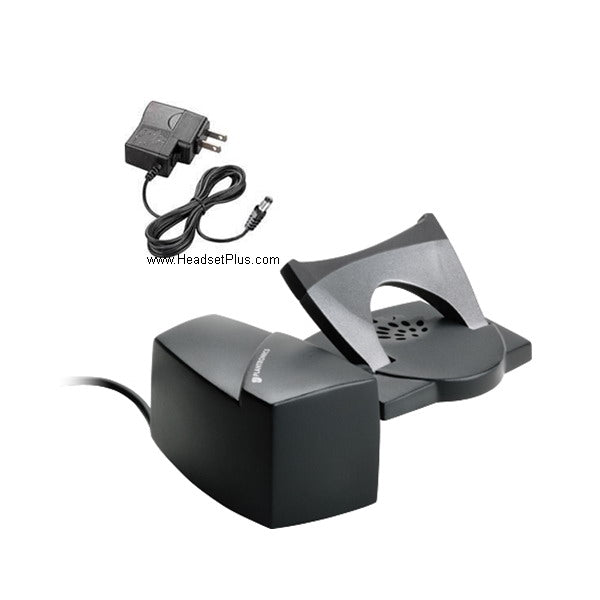
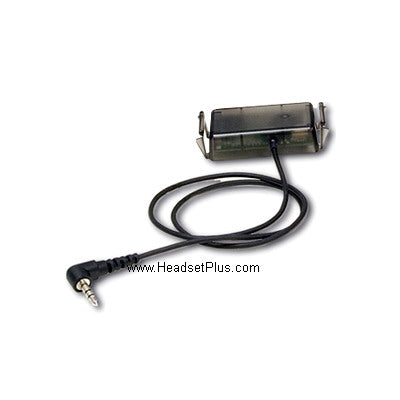
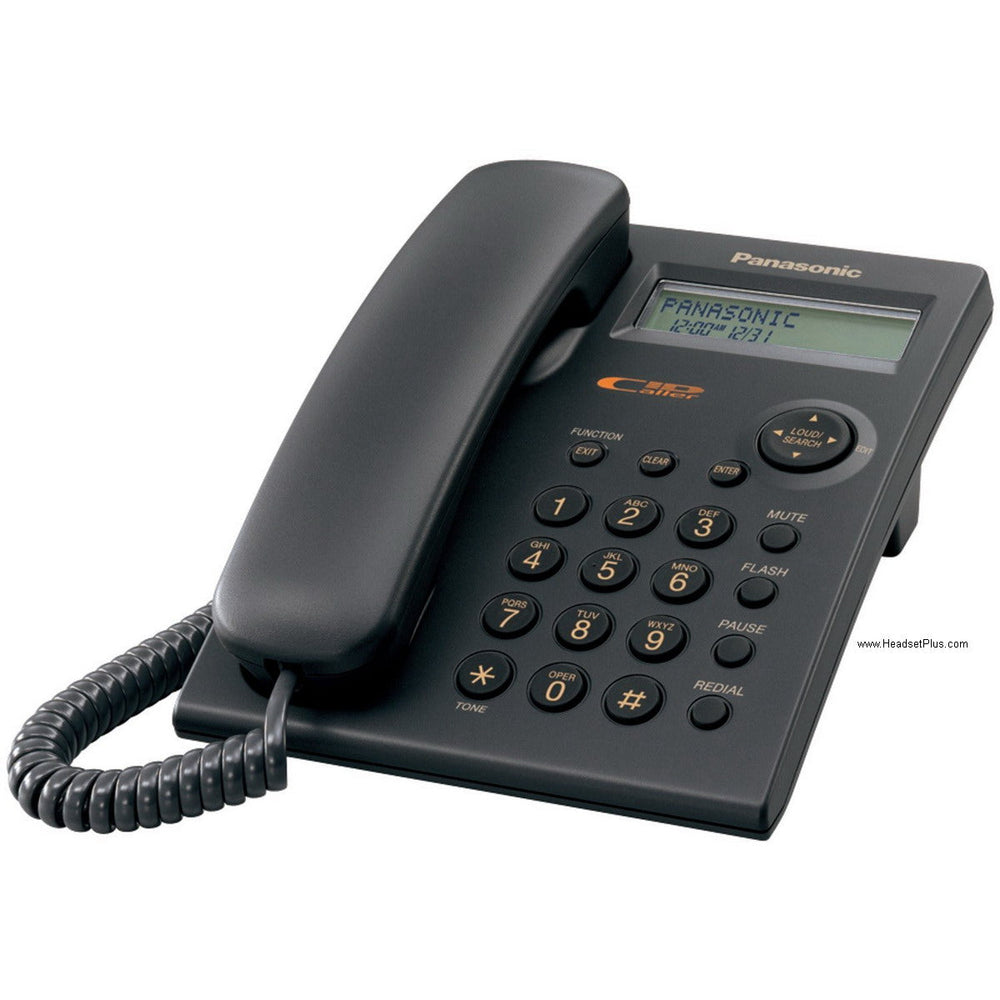
The EPOS Impact D10 II is the current generation of EPOS's classic wireless desk-phone headset, fully compatible with any desk phone and rated up to 500 feet of line-of-sight range — which typically translates to about 200-250 feet in a real office. It pairs with the EPOS HSL10 II handset lifter, which physically raises the phone's handset when you press answer/end on the headset, working with any EPOS (including legacy Sennheiser-branded) wireless headset and any desk phone with a corded handset.
EHS options for advanced desk phones
For desk phones with built-in Electronic Hook Switch (EHS) support, EPOS offers adapters matched to your phone brand: the EPOS CEHS-PO for Polycom desk phones, and the EPOS CEHS-CI for Cisco 8900-series phones. Matching the right adapter to your exact phone can be confusing — if you're unsure which you need, it's worth calling and confirming with a specialist before ordering.
EPOS wireless headsets for desk phone + computer
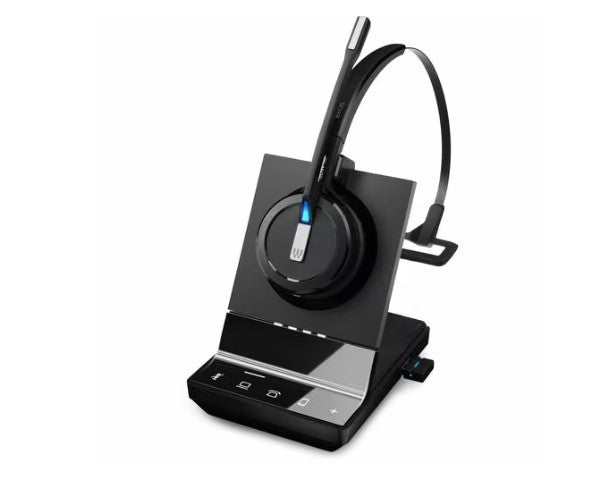
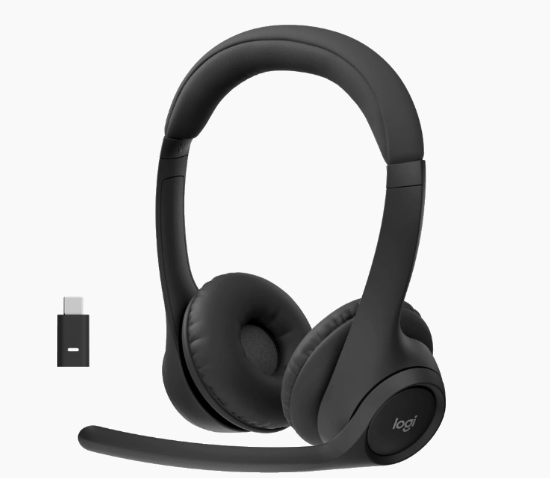
EPOS's dual and triple-connectivity wireless line is now sold under the IMPACT 5000 series naming (the successor to the earlier SDW series). These headsets combine a desk phone and computer into one wireless headset, in a compact design wearable over the head, over the ear, or behind the neck, with up to 590 feet of line-of-sight range and EPOS's signature sound quality. The higher-tier binaural models add Bluetooth as a third connection, so you can also take calls or listen to music from a smartphone or tablet through the same headset — with larger earcups for stronger passive noise isolation, useful when you want to focus on a call or meeting without outside distraction.
BrainAdapt: EPOS's fatigue-reduction technology
BrainAdapt is EPOS's umbrella term for a set of technologies designed to reduce listening fatigue and improve focus during calls — the company points to work with the Aston Martin Formula One team as a real-world example of the underlying research being applied outside headsets. In EPOS's own framing, less fatigue during a call supports better decision-making and performance over a long day of calls. BrainAdapt technology runs across the EPOS lineup — the SC corded headsets (QD or USB), the Impact wireless family, and the Adapt corded and wireless computer headsets.
EPOS Adapt 660: the boomless Bluetooth option
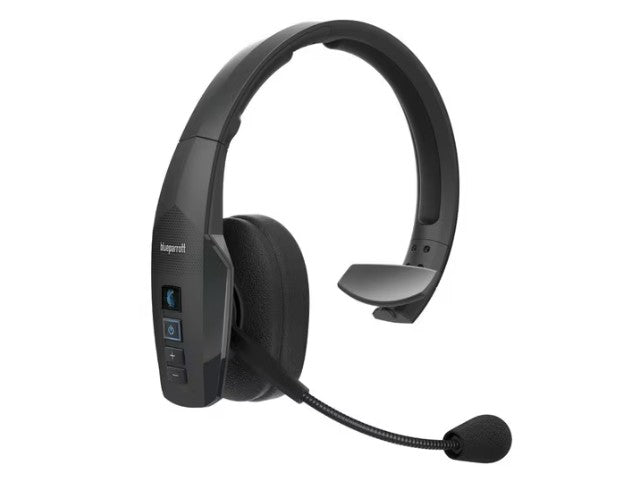
The EPOS Adapt 660 is a boomless Bluetooth headset for computers and mobile devices, with adaptive Active Noise Cancelling and EPOS AI — a machine-learning system that isolates the user's voice from background noise across its 3-microphone array. It includes a 2.5mm-to-3.5mm audio cable, letting it double as a corded headset on flights or anywhere Bluetooth isn't practical — a genuinely useful feature for frequent travelers.
Choosing the right EPOS headset
Before picking a model, work through these questions:
- Corded or wireless?
- Desk phone, computer, or both?
- Which wearing style do you prefer — over-the-head, over-the-ear, or behind-the-neck?
- Do you need studio-grade sound for audio work like mixing or editing?
- How long will you wear it per day — occasional calls, or all-day use?
Is EPOS the same company as Sennheiser?
EPOS was Sennheiser Communications, a joint venture Sennheiser formed with Demant in 2003. The venture ended in 2018, and by 2020 the business became EPOS, a standalone company now wholly owned by Demant rather than Sennheiser.
Is EPOS a gaming brand or a business/office brand?
Both, launched together. EPOS started its Enterprise Solutions (office/business headsets) and Gaming segments at the same time in 2020, both inheriting the existing Sennheiser Communications product line — neither came before the other.
What is the current EPOS wireless headset for a desk phone?
The EPOS Impact D10 II is the current wireless headset for desk phones, offering up to 500 feet of line-of-sight range. For dual or triple connectivity (desk phone, computer, and optionally Bluetooth), the current IMPACT 5000 series is the equivalent, succeeding the earlier SDW naming.
What is BrainAdapt technology?
BrainAdapt is EPOS's umbrella term for technologies aimed at reducing listening fatigue and improving focus during calls, applied across the SC corded, Impact wireless, and Adapt headset families.
Can the EPOS Adapt 660 be used corded, like on a flight?
Yes. It includes a 2.5mm-to-3.5mm audio cable, letting it work as a corded headset when Bluetooth isn't available or allowed, such as on an airplane.
EPOS carries Sennheiser's audio engineering forward under a new name, with a current lineup that covers desk phones, computers, and Bluetooth devices. Start with the questions above to narrow down corded vs. wireless and your connection needs, then browse the current range on our wireless headsets collection, or call our team at 877-999-3838 for help matching the right EPOS model to your setup.
Was this article helpful?
Thanks for letting us know.
Comments (0)