


























If you're buying headsets for a federal agency, Section 508 is part of the procurement conversation — but it's often misunderstood. Here's what it actually requires, what documentation to ask vendors for, and which headset features are the ones that matter for accessibility.
Key takeaways
- Section 508 requires federal agencies to make their ICT accessible; it was substantially revised in the 2017 ICT Refresh, effective January 2018.
- The revised standards align Section 508 with WCAG 2.0 Level A and AA (36 CFR Part 1194).
- A VPAT is the template; a completed, published one is an Accessibility Conformance Report (ACR). The current template version is VPAT 2.5.
- A product isn't automatically disqualified for not meeting every standard — it's compared against similar commercially available products.
- For headsets, hearing aid compatibility (telecoil/HAC) and amplification are the accessibility features that matter most.
What Section 508 actually requires
Section 508 is part of the Rehabilitation Act of 1973, significantly strengthened by 1998 amendments. It requires federal agencies to ensure that the information and communication technology they develop, procure, maintain, or use is accessible to people with disabilities — giving disabled employees and members of the public access comparable to that available to everyone else.
The important thing many older guides miss: the technical standards were substantially revised. The 2017 ICT Refresh, which took effect in January 2018, restructured the standards and aligned them with WCAG 2.0 Level A and AA, published as the Revised 508 Standards (36 CFR Part 1194). Any guidance describing the pre-2017 framework is out of date.
Myth
Under Section 508, a federal agency must buy the most accessible product available, so a product that doesn't meet every standard is disqualified.Reality
Not quite. Section508.gov states directly that a product will still be considered for purchase even if it doesn't meet every Section 508 technical standard — it's evaluated in comparison with similar commercially available products. What matters is honest, criterion-by-criterion documentation of where a product does and doesn't conform, not a perfect score. Procurement officials generally prefer accurate disclosure over inflated claims.VPAT vs. ACR: the documentation vendors provide
These two terms get used interchangeably, but they're distinct stages of the same document:
- VPAT (Voluntary Product Accessibility Template) — the standardized template, maintained by the Information Technology Industry Council (ITI). The current version is VPAT 2.5, which includes separate conformance tables for WCAG, Section 508, and EN 301 549 (the European standard).
- ACR (Accessibility Conformance Report) — what a VPAT becomes once a vendor completes it for a specific product and publishes it.
Within an ACR, each standard is marked with one of four conformance levels: Supports, Partially Supports, Does Not Support, or Not Applicable, with explanatory remarks where a product only partially conforms.
Because ACRs are product-specific and get updated as products change, the practical step is to request the current ACR for the exact model you're evaluating rather than relying on documentation compiled for older products.
Which headset features actually matter for accessibility
For headsets specifically, the accessibility conversation usually comes down to a few concrete capabilities:
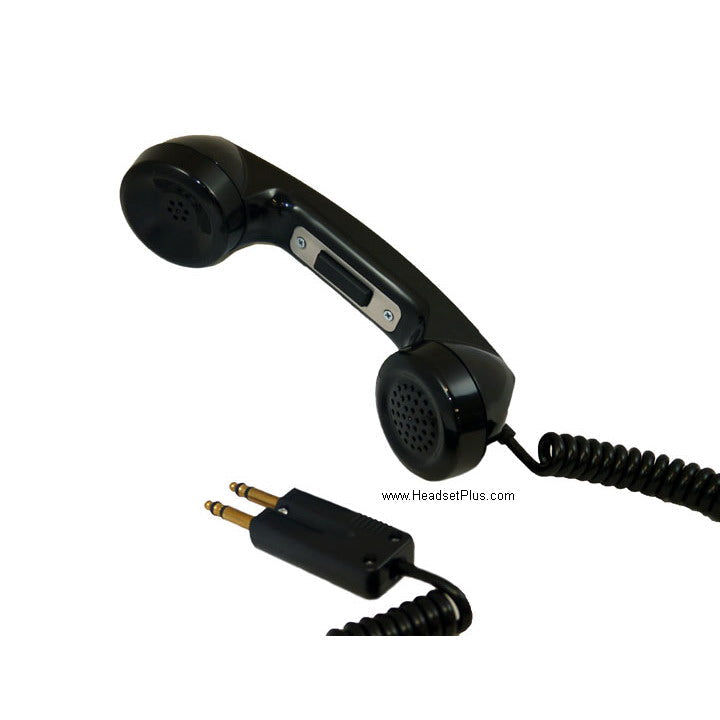
- Hearing aid compatibility (HAC/telecoil) — headsets with a telecoil-compatible magnetic speaker couple directly to the telecoil in a hearing aid, eliminating the feedback and background noise a standard speaker causes. This is the single most relevant accessibility feature in the category.
- Amplification and volume range — sufficient receive-volume range for users with partial hearing loss, and independent transmit adjustment where needed.
- Physical operability — whether controls can be located and operated without fine motor precision or simultaneous actions.
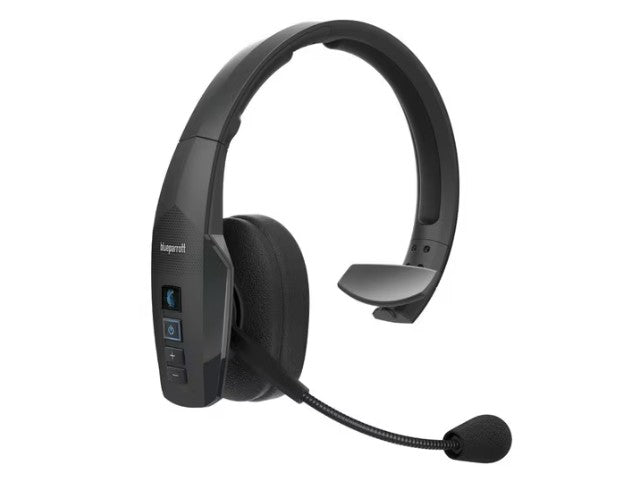
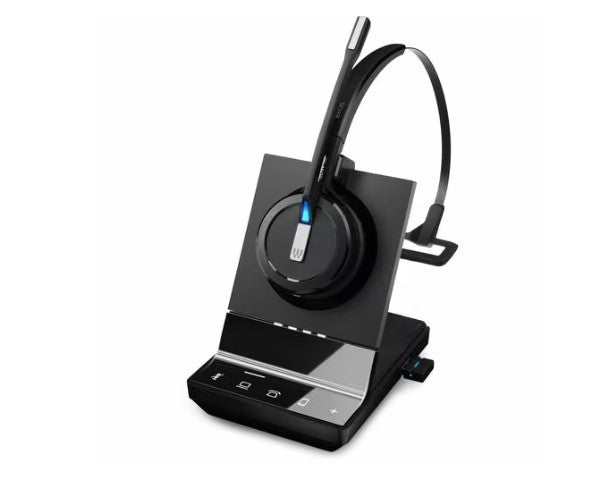
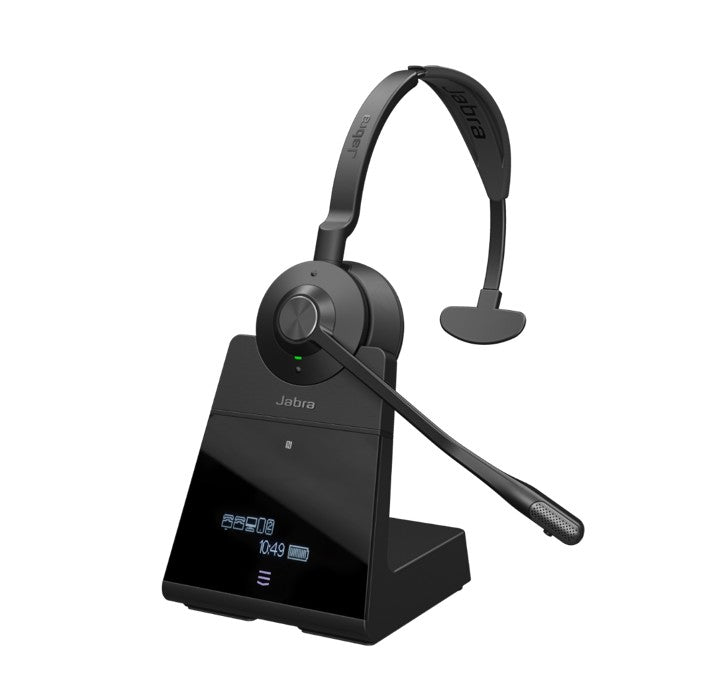
- Wearing style flexibility — convertible headsets accommodate a wider range of physical needs than a single fixed style.
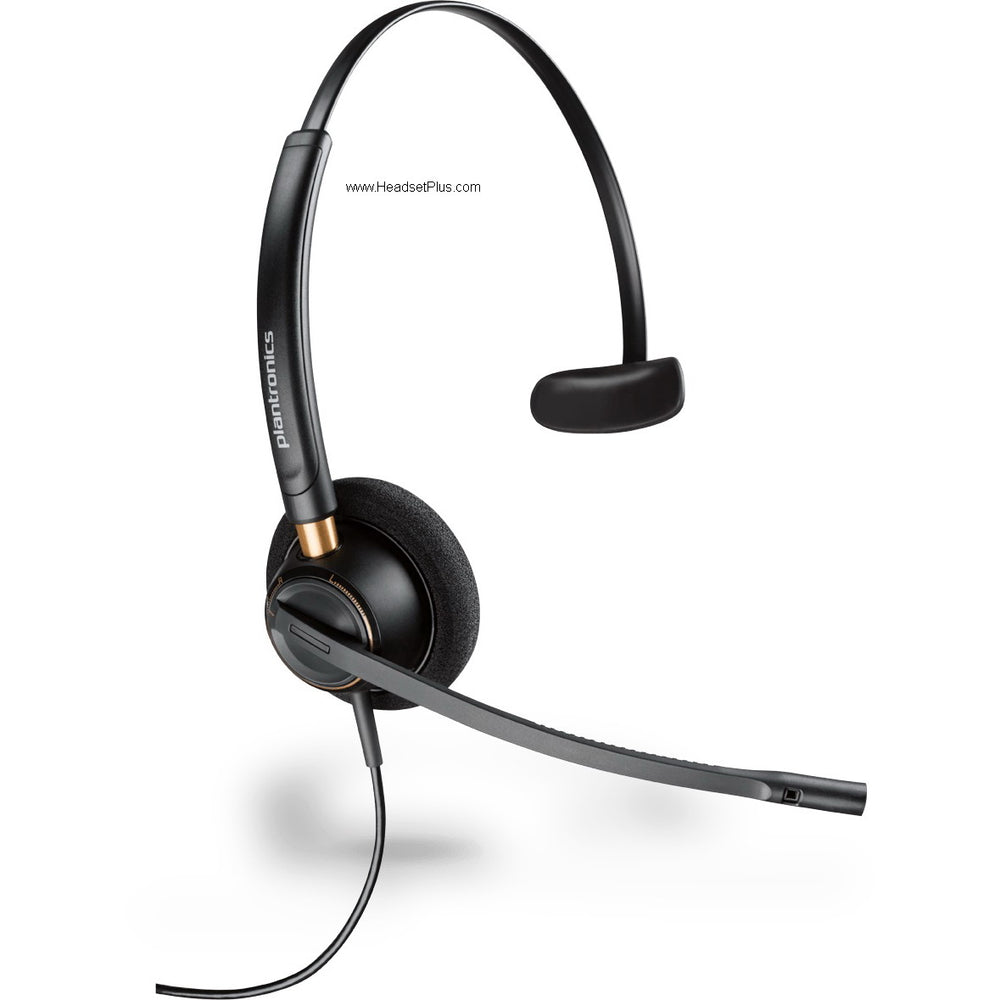
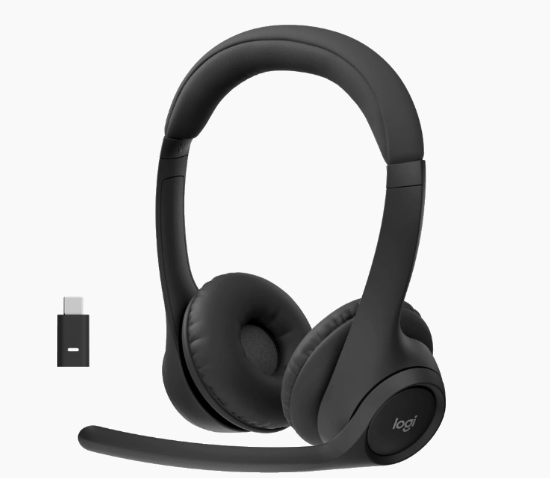
The Poly EncorePro 500 series includes telecoil hearing-aid-compatible models, listed with the rest of the EncorePro range. For a fuller picture of hearing-aid-compatible options, including Bluetooth pendant systems for users who can't wear a headset over a hearing aid, ask our team about the current HAC range.
Getting documentation for a specific purchase
If you're preparing a procurement and need accessibility documentation, request the current ACR from us for the specific models under consideration — we can obtain manufacturer documentation for current products. For the standards themselves, Section508.gov is the authoritative federal source, including its own guidance on ACRs and VPATs.
One note: this is general information for procurement planning, not legal advice. For a binding determination about your agency's specific obligations, your agency's Section 508 coordinator is the right authority.
What is Section 508?
Section 508 of the Rehabilitation Act requires federal agencies to make their information and communication technology accessible to people with disabilities. The technical standards were substantially revised in the 2017 ICT Refresh, effective January 2018, aligning them with WCAG 2.0 Level A and AA.
What's the difference between a VPAT and an ACR?
A VPAT is the standardized template maintained by ITI (currently version 2.5). Once a vendor completes it for a specific product and publishes it, it becomes an Accessibility Conformance Report (ACR). Agencies use ACRs during procurement to evaluate products criterion by criterion.
Does a headset have to meet every Section 508 standard to be purchased?
No. Section508.gov states that a product will still be considered for purchase even if not all technical standards are met — it's compared against similar commercially available products. Accurate documentation of where a product does and doesn't conform matters more than a perfect score.
Which headset features matter most for Section 508 accessibility?
Hearing aid compatibility (telecoil/HAC) is the most significant, since it lets a headset couple directly to a hearing aid without feedback. Volume range, physical operability of controls, and wearing-style flexibility also factor into accessibility evaluation.
How do I get accessibility documentation for a specific headset?
Request the current Accessibility Conformance Report (ACR) for the exact model you're evaluating, since these are product-specific and updated as products change. Our team can obtain manufacturer documentation for current models — call 877-999-3838.
For headset procurement specifically, the practical path is straightforward: identify whether hearing aid compatibility is required, request the current ACR for the models you're considering, and document the comparison. Call our team at 877-999-3838 with your agency's requirements and we'll help assemble what you need.