
If you opened your laptop this year and found the Poly Lens app wearing a different name, nothing broke. In January 2026, HP renamed it — Poly Lens is still very much alive, but the thing on your desk is now called the HP Poly Studio App, and the two names now mean different halves of the same platform.
That split is the whole confusion, and it's worth ninety seconds of your time: one name is for IT, one is for you. Here's what Poly Lens does, what changed, and whether you actually need it.
Quick answer
Last updated July 2026
What is Poly Lens?
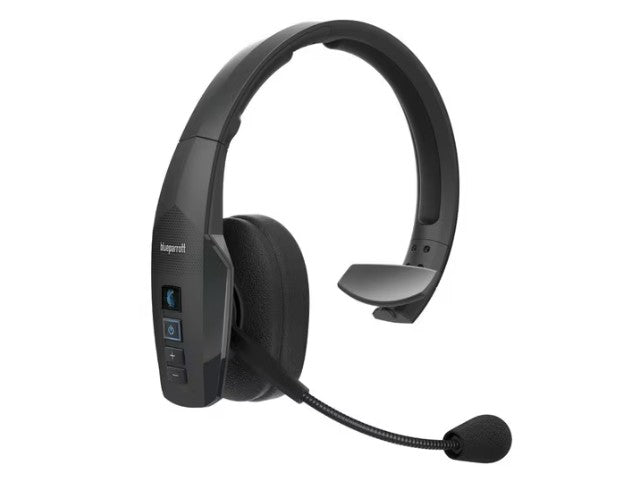
Poly Lens is the software platform that connects your Poly headset to the computer and softphone it's working with — handling firmware updates, headset settings, and the call controls that let you answer from the headset instead of hunting for a button on screen. It's free, and it's the successor to Plantronics Hub.
The platform has two halves, and knowing which one you're dealing with saves a lot of confusion:
| Layer | Poly Lens Cloud | HP Poly Studio App |
|---|---|---|
| Who it's for | IT admins and device managers | End users — you, at your desk |
| What it does | Deploy, configure, monitor and manage devices across the organization | Firmware updates, headset settings, remote call control, wellbeing reminders |
| Name in 2026 | Unchanged — still Poly Lens | Renamed from Poly Lens Desktop / Mobile / Room |
| Where it runs | Browser (lens.poly.com) | Your PC, Mac, phone or meeting room |
Poly Lens is now the HP Poly Studio App: what changed in 2026
In January 2026, HP renamed the Poly Lens Desktop, Mobile and Room apps to the HP Poly Studio App, redesigned the interface, and left the underlying device management completely alone. The old name now refers to the cloud platform only.
What the Desktop app gained alongside the new name: a rebuilt home page and flat device inventory, light and dark modes, calendar integration for one-click Teams and Zoom meeting joins, support for HP docks, displays and AI PCs, redesigned wellbeing reminders, and — the practical one for anyone on a newer laptop — Windows ARM support, which Poly Lens never had.
Myth
My Poly Lens Desktop app will auto-update itself to the new HP Poly Studio version.Reality
It won't. HP deliberately blocked the automatic upgrade — including for organizations that set a policy to always run the latest Desktop version. Moving to HP Poly Studio Desktop is a manual step you take from your Poly Lens Cloud account when you're ready. One trap worth knowing: if you're still on Poly Lens Desktop 1.x, you can't jump straight across. It's a stepped upgrade — 1.x to 2.3.1 first, then on to Poly Studio Desktop 5.0.There's a clock on that, though. HP has said it plans to mark an upcoming Poly Studio Desktop release as the "latest" version inside Poly Lens — at which point every organization running a "use latest" policy moves automatically, ready or not. If you manage a fleet, testing the current Studio Desktop build before that flips is the difference between a migration and a Monday morning.
What does the Poly Lens app actually do?
The app does five jobs, and remote call control is the one most people install it for:
- Remote call control — answer and end softphone calls from the headset button instead of the on-screen interface
- Firmware updates — keeps the headset current, with automatic update notifications
- Headset customization — sidetone, ringtones, mute reminders, voice prompt language, busylight behavior
- Softphone integration — works with Microsoft Teams, Zoom, Cisco and other standard UC clients
- Device visibility — battery life, connection status, usage, and network diagnostics
Smart sensors are the underrated one. Configure them and putting the headset on answers the incoming call — no button, no mouse. Wellbeing reminders sit at the other end of the usefulness scale: prompts to stand up, stretch, and drink water. Genuinely helpful for some people, the first thing switched off by everyone else.
What is headset remote call control?
Remote call control means your softphone rings in your headset and you answer it by pressing the call button on the headset itself — then end it with the same button. Without it, every call means finding and clicking the answer button in whichever softphone interface you're using, and those interfaces all work differently.
Remote call control — The link between a headset's physical buttons and a softphone application, so answer, end and mute work from the device rather than the screen. On a wireless headset it also means taking a call while away from the computer — which is the entire point of buying wireless.
This is why the software matters more than it sounds. On a wireless headset, remote call control is what makes the range useful: without it, you can walk 300 feet from your desk and still have to walk back to answer. It's also closely tied to platform certification — a Teams-certified headset with the app installed gives you working Teams controls, which is one of the five things worth deciding before you buy anything, as we cover in our guide to choosing a wired headset.
Do you need the app for remote call control?
Yes. The app provides the integration layer between the headset and the softphone, so without it installed, the buttons on your headset won't drive your softphone. You may also need to switch it on inside the softphone: open its settings, find Audio & Video, and enable the built-in or native call controls option.
What operating systems does the Poly Lens app support?
The HP Poly Studio Desktop App runs on Windows x64, Windows ARM, and Mac. The Mobile app covers iOS and Android, and the Room app runs on Windows x64.
- Desktop: Windows x64, Windows ARM, macOS
- Mobile: iOS, Android
- Room: Windows x64
Windows ARM is the meaningful addition. If you're on one of the ARM-based AI PCs that arrived over the last couple of years, Poly Lens simply didn't run — HP Poly Studio does, on its own separate deployment path.
What replaced Plantronics Hub?
Poly Lens replaced Plantronics Hub, and the changeover is long finished — Poly announced end of commercial sale in March 2022, effective that May, retiring Plantronics Manager and Plantronics Manager Pro at the same time.
If you're still running Hub on an old machine, you're four years past the end of the line and missing every firmware update since. The replacement path is the HP Poly Studio Desktop App. One honest caveat for anyone holding onto older hardware: the app will manage a legacy headset like a Savi W730, but there won't be new firmware waiting for it — very old devices simply stopped receiving updates. If your headset has aged past the point of support, the Poly headsets buyer's guide covers what replaced it, and the current computer and PC headsets all work with the app out of the box.
Where to download the Poly Lens / HP Poly Studio app
Individual users download the HP Poly Studio Desktop App free from HP's Poly software page; IT admins managing a fleet sign in at the Poly Lens Cloud portal instead, where the app deployment settings live under Account Settings. The two entry points serve the two halves of the platform — pick the one that matches your job.
Worth knowing before you install: the app manages the headset, it doesn't improve it. If your calls sound poor, the fix is a headset with a proper noise-cancelling boom mic rather than a settings panel — the USB headsets range carries its own soundcard and does more for call quality than any slider in the app.
What is Poly Lens used for?
Poly Lens is HP's device management platform for Poly headsets, cameras and speakerphones. IT teams use Poly Lens Cloud to deploy, configure and monitor devices across an organization, while individual users get firmware updates, headset customization and remote call control through the end-user app — now called the HP Poly Studio App. It's free to use.
What happened to Poly Lens? Is it discontinued?
Poly Lens is not discontinued. In January 2026, HP renamed the Poly Lens Desktop, Mobile and Room apps to the HP Poly Studio App, while Poly Lens Cloud kept its name and all of its device management functionality unchanged. Nothing was removed — HP confirmed all existing functionality carried across, so the rename is a rebrand rather than a replacement.
Is Poly Lens the same as the HP Poly Studio App?
They're two halves of one platform. Poly Lens now refers to the cloud admin portal that IT uses, while the HP Poly Studio App is the end-user application on your PC, Mac, phone or meeting room. If you're an individual user with a Poly headset, the HP Poly Studio Desktop App is the one you want.
Do I need Poly Lens to answer calls from my headset?
Yes. Remote call control — answering and ending softphone calls with the headset's own button — requires the Poly Lens app, now the HP Poly Studio App, to bridge the headset and the softphone. You may also need to enable built-in call controls inside your softphone under its Audio & Video settings.
What replaced Plantronics Hub?
Poly Lens replaced Plantronics Hub, which reached end of commercial sale on 31 May 2022 along with Plantronics Manager and Plantronics Manager Pro. The current end-user application is the HP Poly Studio Desktop App. Older headsets are still recognized by the app, though the oldest models no longer receive new firmware.
What operating systems does Poly Lens support?
The HP Poly Studio Desktop App supports Windows x64, Windows ARM and macOS. The mobile app runs on iOS and Android, and the room app runs on Windows x64. Windows ARM support is new with the Studio release — the older Poly Lens Desktop app did not run on ARM-based PCs.
Will Poly Lens Desktop update itself to HP Poly Studio automatically?
No. HP deliberately blocked the automatic upgrade, including for organizations set to always run the latest Desktop version, so the move is a manual step from your Poly Lens Cloud account. If you're on Poly Lens Desktop 1.x, it's a stepped upgrade: 1.x to 2.3.1 first, then to Poly Studio Desktop 5.0. HP plans to mark a future Studio release as "latest," at which point "use latest" policies will move automatically.
Install it, then forget it — that's the correct relationship with this software. Ten minutes of setup buys you working call buttons, current firmware, and a headset that answers when you put it on. If you're on a fleet, the useful action this quarter is testing the Studio Desktop build before HP marks it "latest" and your policy makes the decision for you. And if the app can't fix what's wrong, the problem is the hardware: start with the computer and PC headsets that ship ready for it.


