



























If you're wondering whether you're legally required to use a hands-free headset while driving, the honest answer is: almost certainly yes, in some form, wherever you are — and the specifics have changed a lot over the past decade. Here's the current picture, and why a hands-free headset is worth having regardless of the exact law where you drive.
Key takeaways
- Most states now ban holding or manually operating a phone while driving, not just require "hands-free while talking."
- The number of states with this kind of law has grown substantially in recent years, with several new laws taking effect in 2025 and 2026.
- Rules, exemptions, and penalties vary meaningfully by state — check your state's current law before assuming what's allowed.
- Regardless of the exact legal requirement, a hands-free headset reduces the physical distraction of holding a phone while driving.
- Companies with a mobile workforce benefit from a company-wide headset policy — safer, and it standardizes support and cost.
The current legal landscape
Hands-free driving laws have expanded significantly since they first started appearing in the mid-2000s. Early laws (California and Washington in 2008, Arizona in 2009, among the first) mostly required drivers to use a hands-free device to talk on the phone, while still allowing some handheld functions like dialing. Since then, the trend has moved toward much broader laws: many states now prohibit holding or manually operating a phone at all while driving — covering calls, texting, and other handheld interactions — not just talking.
Myth
Only a handful of states have hands-free driving laws, so it's probably not a big deal where I drive.Reality
That was roughly true in the late 2000s, when only a small number of states had passed this kind of law. It's no longer accurate — the number of states with comprehensive hands-free requirements has grown substantially since then, with new states adopting laws as recently as 2025. The specifics (what's banned, what's exempt, how it's enforced) vary by state, so it's worth checking your own state's current law rather than assuming based on what you remember from years ago.Because this is an active, evolving area of state law — not something settled once and left alone — we're intentionally not publishing our own state-by-state list here, since it would go stale quickly. The Governors Highway Safety Association maintains a current, state-by-state breakdown of handheld and hands-free cell phone laws, including penalties and exemptions, and is a good starting point for checking your specific state. This isn't legal advice — if you need a definitive answer for your situation, your state's official DMV or vehicle code resources are the authoritative source.
Why a hands-free headset makes sense regardless of the exact law
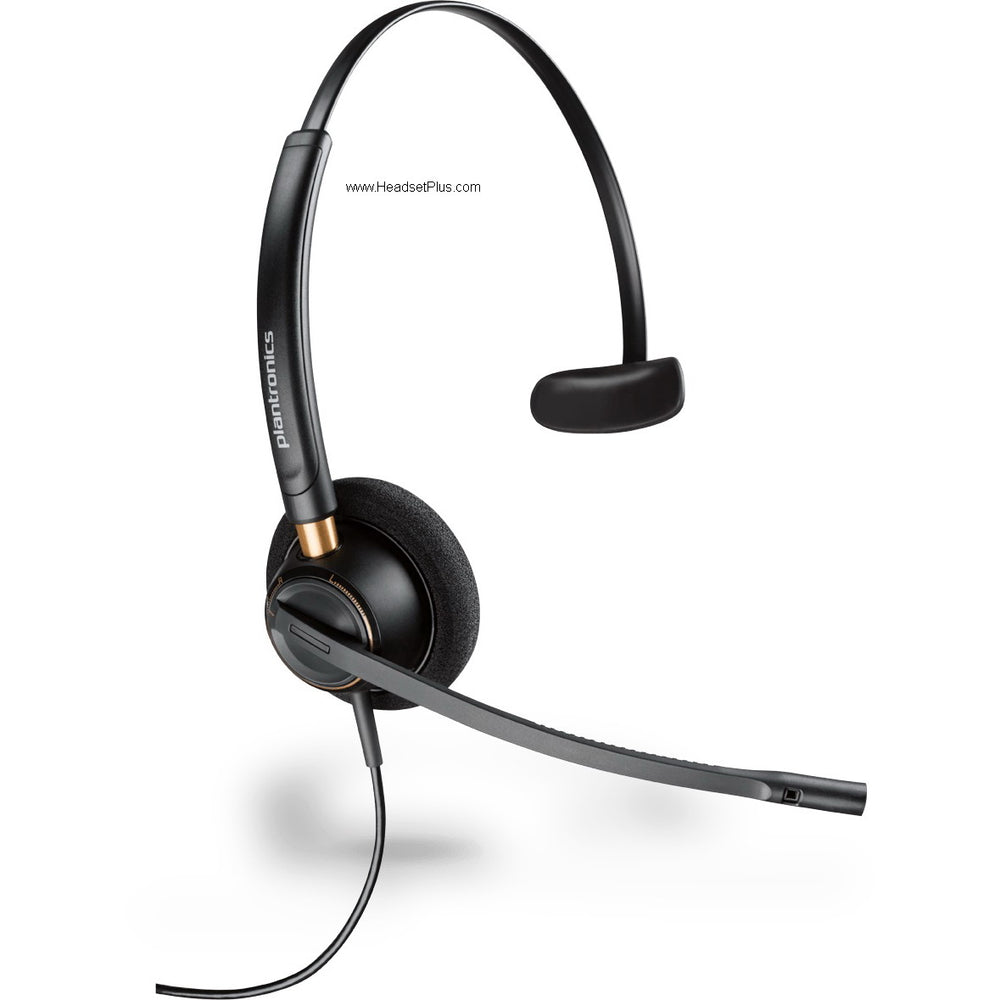
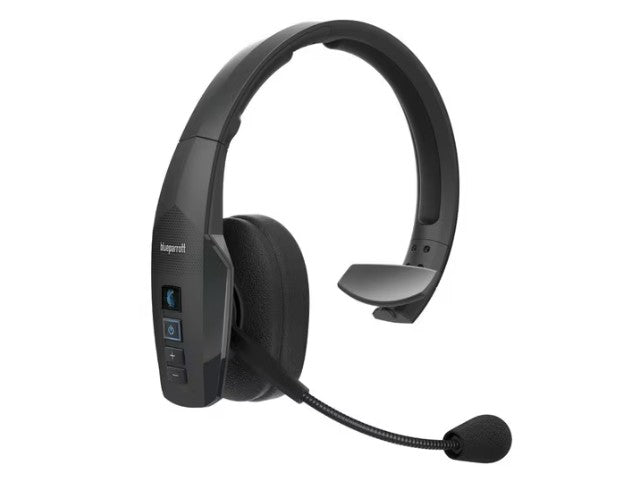
Whatever your state's specific requirement, the underlying safety case for a hands-free headset doesn't depend on the letter of the law. Holding a phone while driving is a physical distraction — one hand off the wheel, attention split between the conversation and the road. A headset removes that specific problem, letting you keep both hands on the wheel and your eyes on the road while still handling a call.
For businesses with a mobile workforce
If your company has employees who drive for work — sales reps, field technicians, delivery staff — a company-wide hands-free headset policy is worth establishing independent of any specific legal requirement:
- Standardize on a small number of models rather than reimbursing whatever employees buy at retail — it reduces support time and keeps costs predictable.
- Provide the headset as standard equipment with any company-issued phone, rather than leaving hands-free compliance to individual employees.
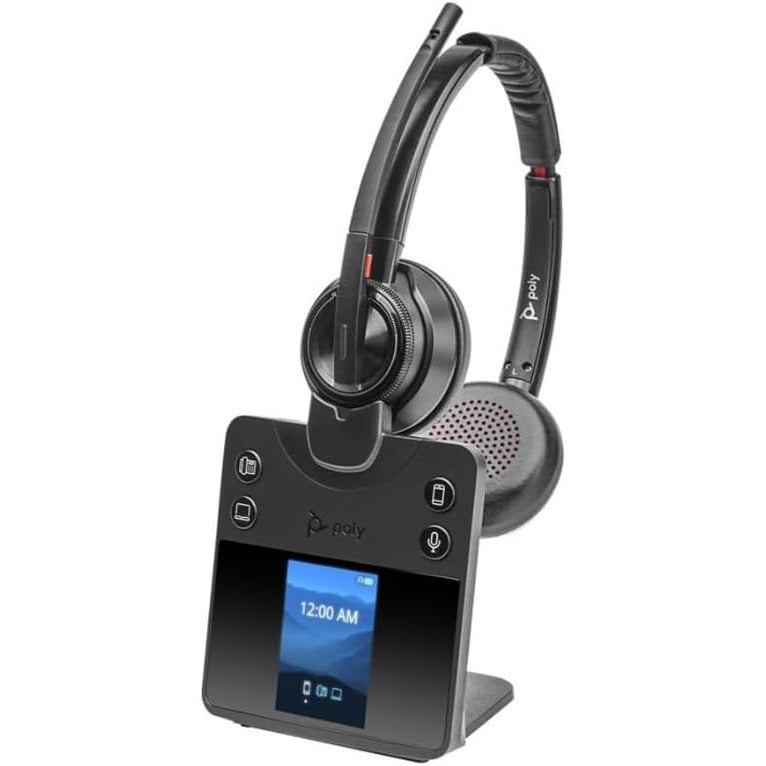
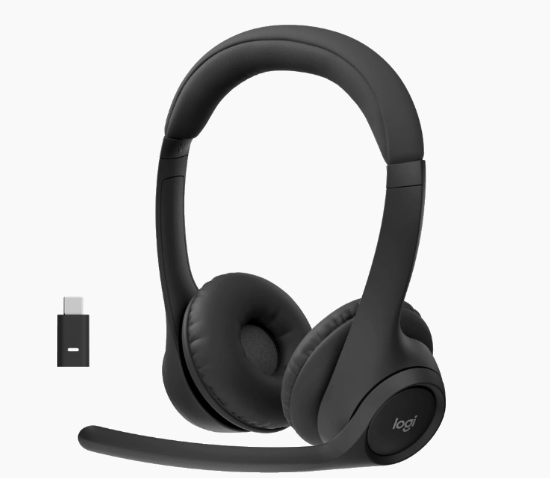
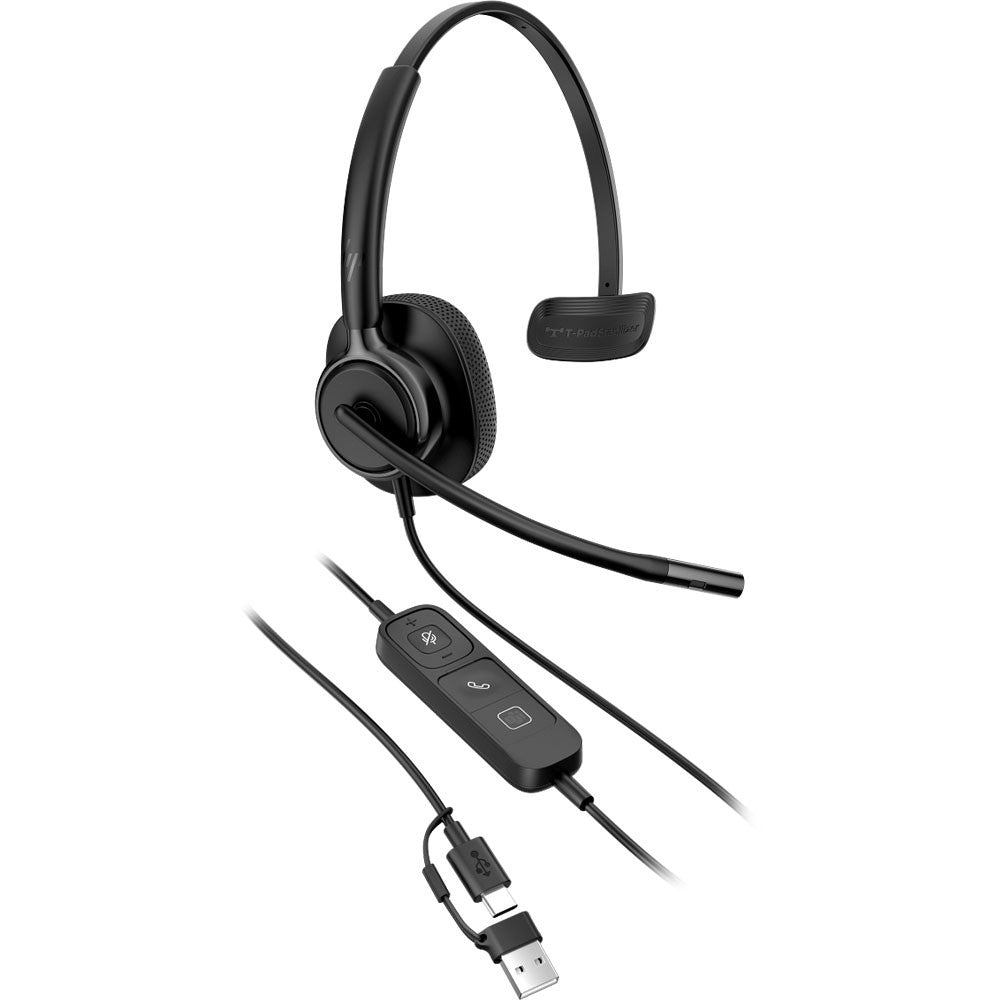
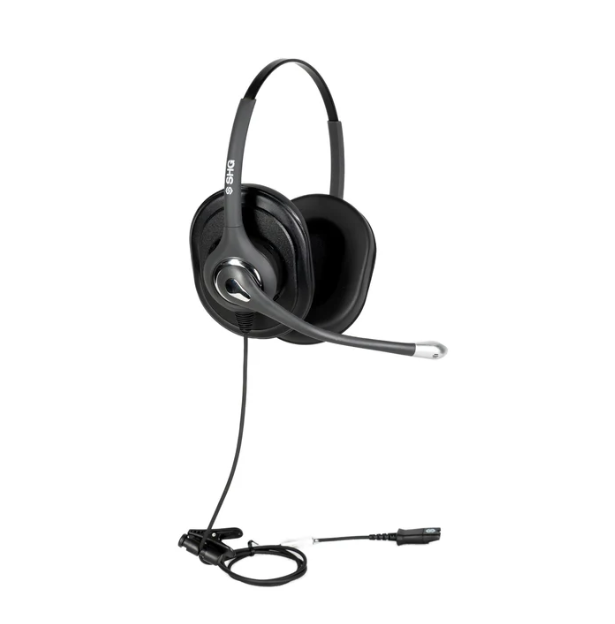
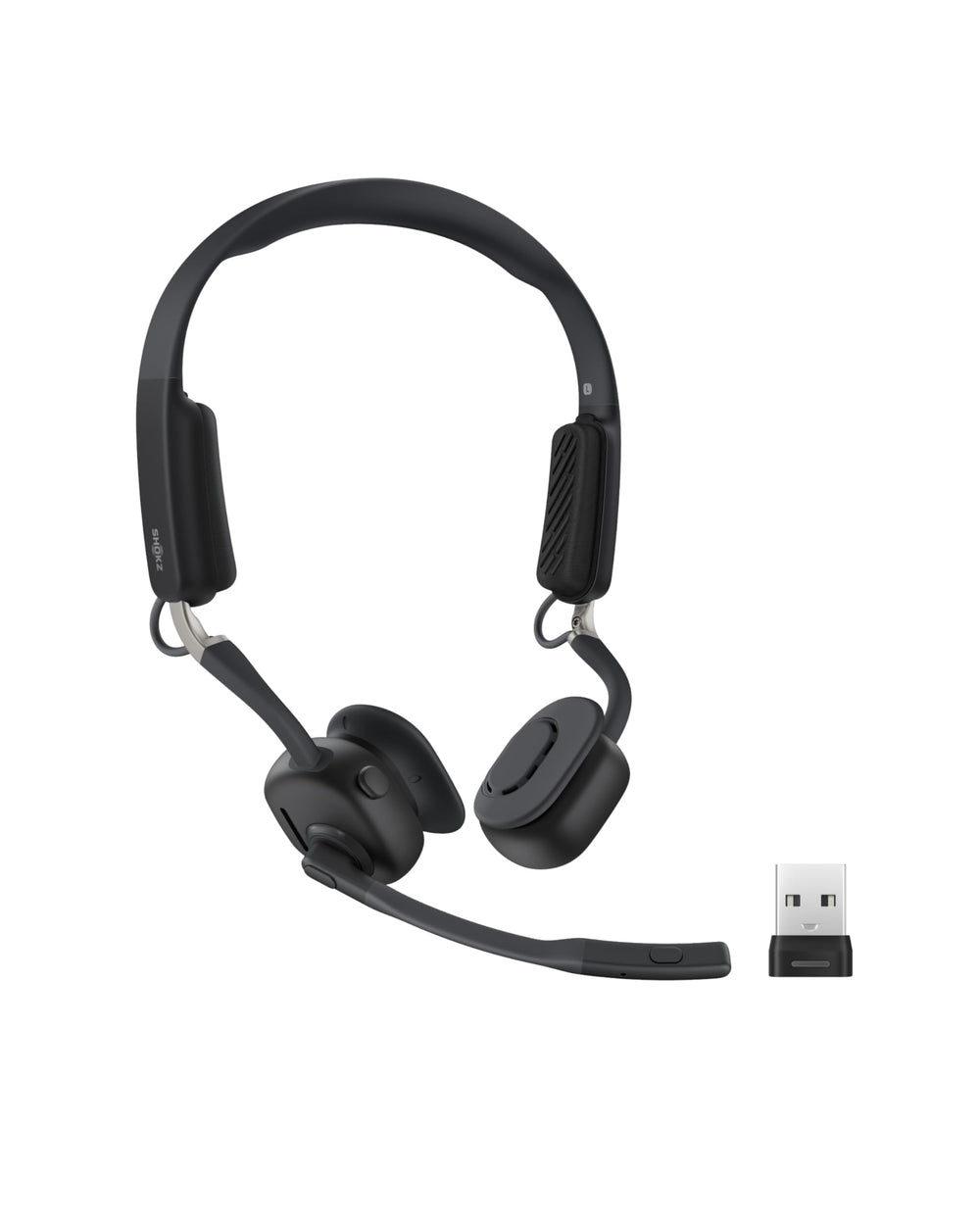
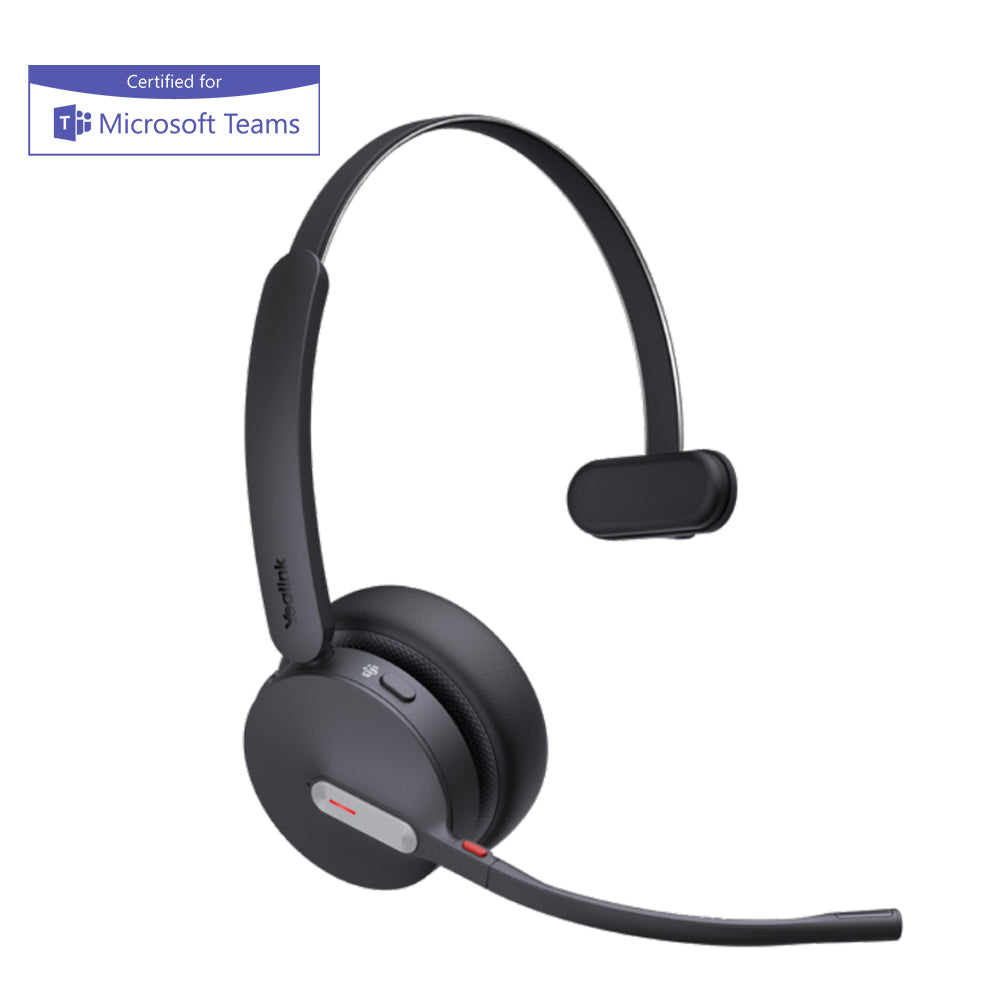
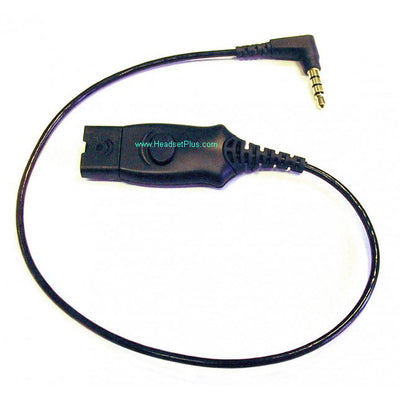
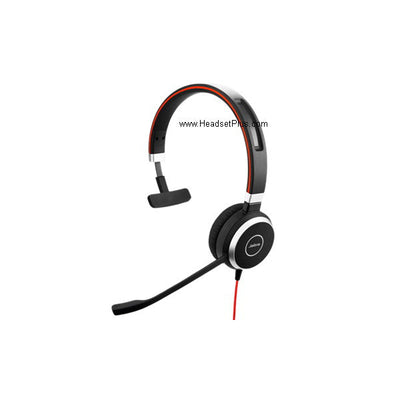
- Choose based on how the headset will actually be used — a Bluetooth headset for a phone without a headset jack, or a corded 3.5mm option for phones that support it.
For a Bluetooth-compatible phone, see our Bluetooth headset guide, and for drivers who spend long hours on the road in especially noisy vehicles, our guide to headsets for truck drivers covers options built for that use case specifically.
Is it illegal to hold my phone while driving?
In most U.S. states, yes, in some form — the majority of states now require hands-free phone use while driving, and many have moved beyond older "hands-free while talking" rules to ban holding or manually operating a phone at all. Since exact rules and exemptions vary by state and continue to change, check your state's current law through an official source rather than assuming.
Which states currently have hands-free driving laws?
The number of states with comprehensive hands-free requirements has grown substantially in recent years, with new states adopting laws as recently as 2025. Because this list changes fairly often, the most reliable current source is the Governors Highway Safety Association's distracted driving page, which tracks state-by-state law status.
Does a hands-free headset make me fully compliant with distracted driving laws?
Usually, but not always — some newer state laws restrict more than just handheld phone use, and specifics like whether dialing is allowed, what counts as "hands-free," and applicable exemptions vary by state. A hands-free headset addresses the handheld-use restriction specifically; check your state's current law for the full picture.
Whatever the exact legal requirement where you drive, a hands-free headset is a low-cost way to remove one real source of distraction. Browse our current range of cell phone and Bluetooth headsets, or call our team at 877-999-3838 for help choosing the right one for your phone and use case.
Comments (0)