



























Avaya headset setup on a one-X softphone, start to finish
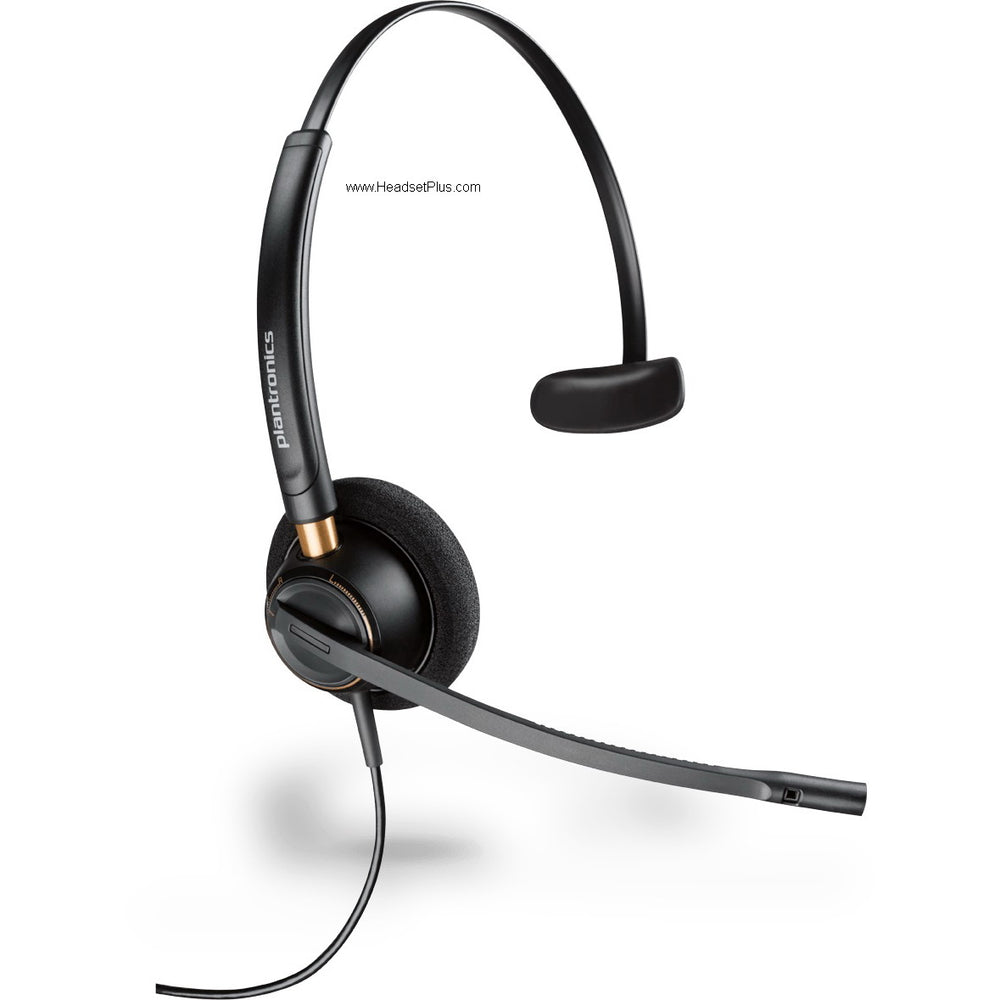
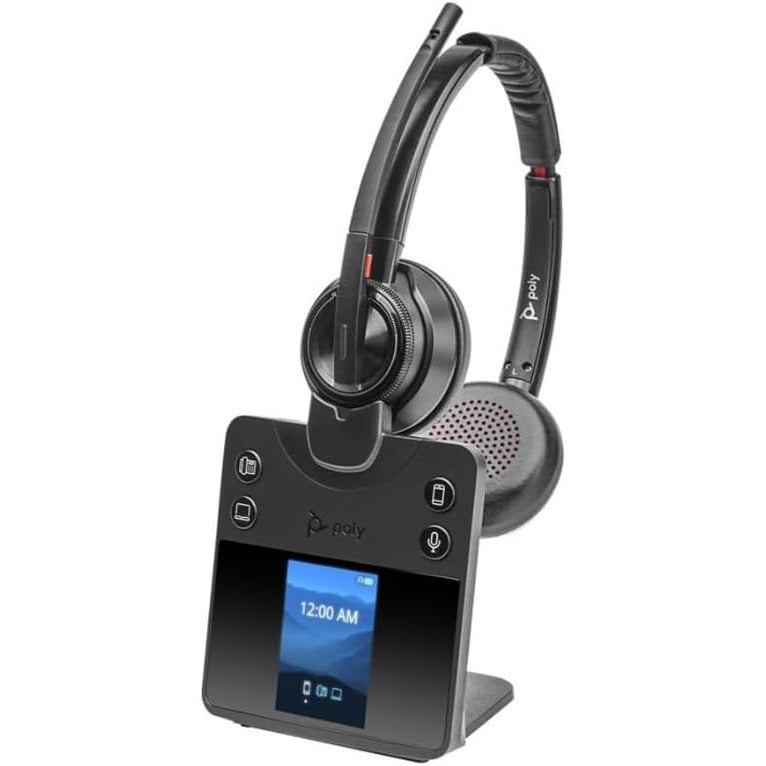
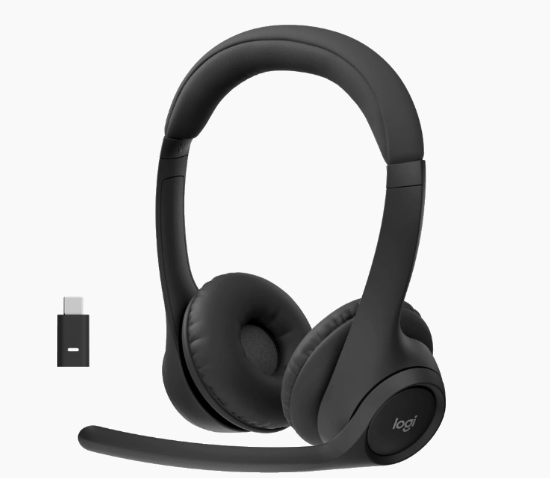
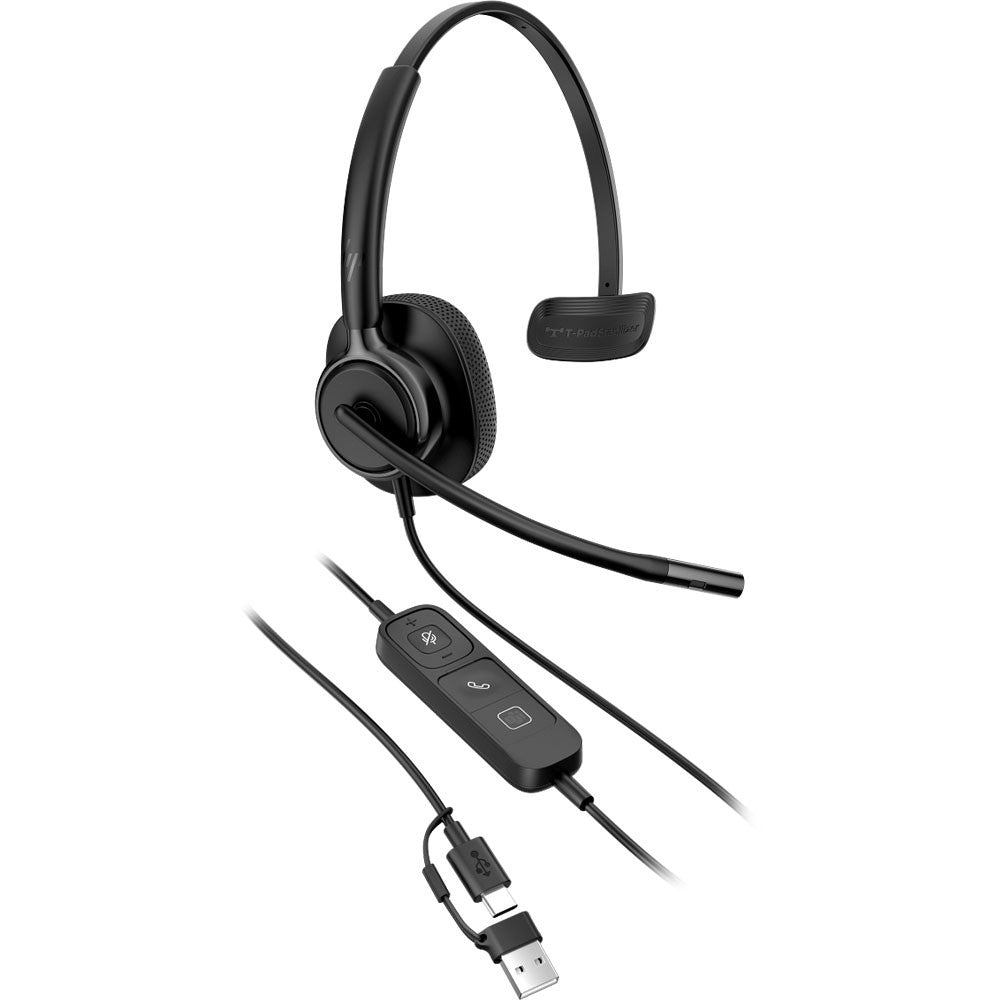
Avaya headset setup for one-X Agent and one-X Communicator happens on the computer, because both clients are softphones and the call audio never reaches a desk phone. Connect the headset to a USB port on the PC running the client, then make it the default playback and recording device in Windows before opening one-X at all. In one-X Agent, the device pickers sit under Tools, then Preferences, then Audio Devices, with test buttons for the speaker and the microphone. In one-X Communicator, they sit behind the Settings link at the top of the login box, under Audio, as a Microphone choice and a Speaker choice. Those two settings cover the sound. The answer, end and mute buttons on the headset are a separate mechanism, and on most deployments they need the headset maker's companion software running alongside the client before they do anything.
What changes once the phone is software
- The headset plugs into the PC. No EHS cable, no HIS cable, no headset jack on the phone.
- Windows picks the device first. one-X Agent and one-X Communicator then each have their own audio picker on top of that.
- Buttons and audio travel over different parts of USB, which is why the sound can be perfect while the answer button is dead.
- The USB port on a 9611G deskphone is for memory sticks and login profiles, not for headsets.
one-X Agent is the contact center client and one-X Communicator is the general business client, and for headset purposes they differ by about three menu clicks. Everything that makes an Avaya headset order complicated on the desk phone side, the modular headset jack, the HIS cable, the EHS lead that lets a wireless headset answer a ringing phone, stops applying the moment the call runs inside a PC.
Why a one-X headset connects to the computer, not the phone
A softphone keeps the entire audio path inside the computer, so the headset is a PC peripheral and the desk phone's accessory rules never come into it.
That is worth spelling out, because most Avaya headset buying advice is written about the other case, where the question is which cable ends the argument. Wikipedia's definition of the part is the clearest short one.
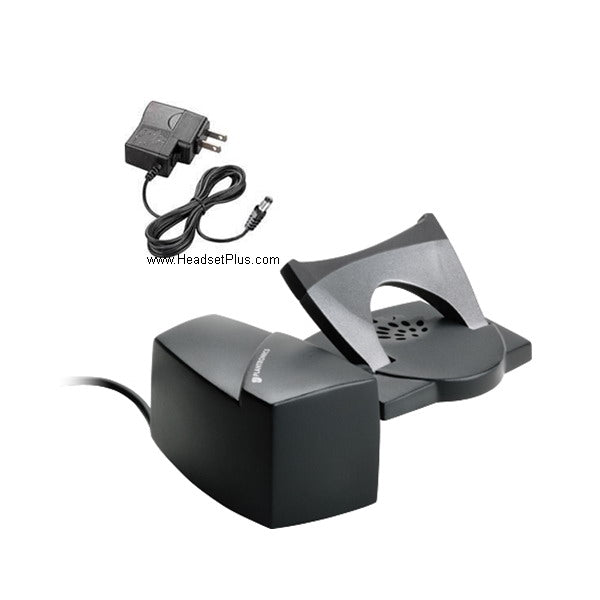
electronic hook switch: An electronic hook switch: a device that electronically connects a wireless headset and a phone, so the user can answer a call, end a call and hear the phone's ring in the headset rather than at the handset. one-X Agent and one-X Communicator need nothing of the kind, because no desk phone sits in the audio path.
So a buyer with a 9608 or a J179 on the desk is choosing between an HIS cable and an EHS lead, and getting the model exactly right matters. A buyer on one-X is choosing a USB headset, and the desk phone does not enter into it. If you are buying for both, the model-by-model side of it lives on our avaya headset pages, and nothing there applies to the softphone.
Setting the headset up in one-X Agent and one-X Communicator
Work in this order, because Windows has to accept the headset before either client will list it in a menu.
Plug the headset into the computer
USB-A or USB-C, into the machine running the client. If your agents work from a docked laptop, use a port on the dock rather than the laptop body, so the device does not vanish from every menu the first time somebody undocks.Make it the Windows default device
Open the Windows sound settings and set the headset as the default playback and recording device before you launch one-X. Setup guides for one-X Agent put this step first for a practical reason: the client offers you what the operating system has already accepted, so a headset Windows has not adopted is a headset that will not appear in the picker.Point one-X Agent at the headset
In one-X Agent, open Tools, then Preferences, then Audio Devices, and choose the headset for both Playback and Recording. Each has a test button next to it. Use them: a two second test finds a wrong-device setting that a customer would otherwise find on a live call.Point one-X Communicator at the headset
In one-X Communicator, click Settings at the top of the login box, open Audio, and set the Microphone and the Speaker to the headset. The same login screen asks where your voice should go, and the University of Oklahoma's setup instructions have staff select This Computer at that point. That choice decides whether the call sits in the PC at all, which is what puts it in the USB headset.Place a test call, then test the buttons separately
Listen for two different failures. Muffled or noisy pickup is a microphone problem: the same Oklahoma instructions warn plainly that lower-end microphones generate background noise complaints, which is the whole argument for a business-grade boom over a consumer earbud. Clean audio with a dead answer button is the second failure, and it is not an audio problem at all.
Why the answer button is a different problem from the audio
Sound and button presses share the cable but not the channel, so one can work perfectly while the other does nothing. Audio moves as a USB audio device. A button press moves as a Human Interface Device report, and the USB HID usage tables set aside an entire page for telephony, page 0x0B, with named usages including Hook Switch at 0x20, Flash at 0x21, Redial at 0x24 and Phone Mute at 0x2F. Your headset already speaks that vocabulary. Pressing the answer key makes it say hook switch, into the void, unless something on the PC is listening and knows to tell one-X to pick up.
That listener is the headset vendor's companion application on most builds, which is why call control is the feature that survives a headset swap least well and the one to test before a rollout rather than after. Avaya's own paperwork is the place to check a specific pairing: the company publishes application notes for third-party products, described as detailed implementation guidance with step-by-step configuration guidelines, and says it partnered with the interoperability test house TekVizion to validate third-party contact center and UC products. If you are standardizing forty seats on one model, read the note for your exact client version before the purchase order, not after.
What the USB port on an Avaya 9611G is actually for
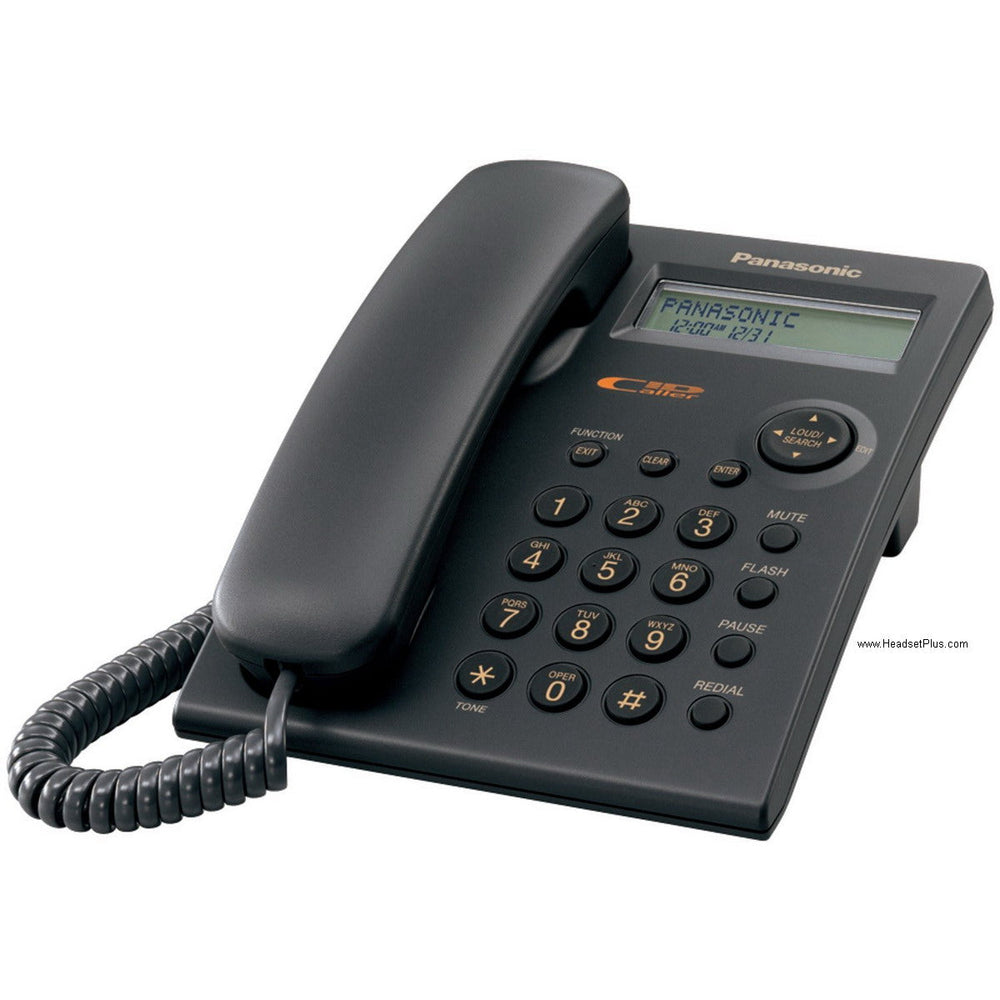
The USB port on a 9611G handles data from a memory device, not audio from a headset. Avaya's own support forum thread on that port describes importing and exporting contacts, displaying digital pictures from a flash drive as a screensaver, and carrying login credentials so the phone registers with a login profile. No USB audio device appears anywhere in it.
This trips people up in exactly one situation, and it is a common one: an agent runs one-X Agent on the PC and has a 9611G on the same desk, sees a USB port at eye level, and plugs the headset into the nearer socket.
What gets plugged in
The USB port on the front of an Avaya 9611G will run a USB headset for a one-X call.What the port does
The 9611G's USB port is documented for memory sticks: contact import and export, pictures for the screensaver, and login profiles. A USB headset for one-X Agent or one-X Communicator belongs in the computer, because that is where the call is.What to settle before you standardize a floor
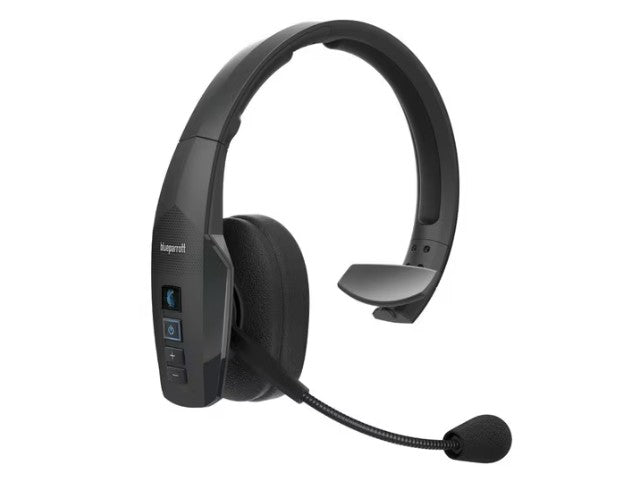
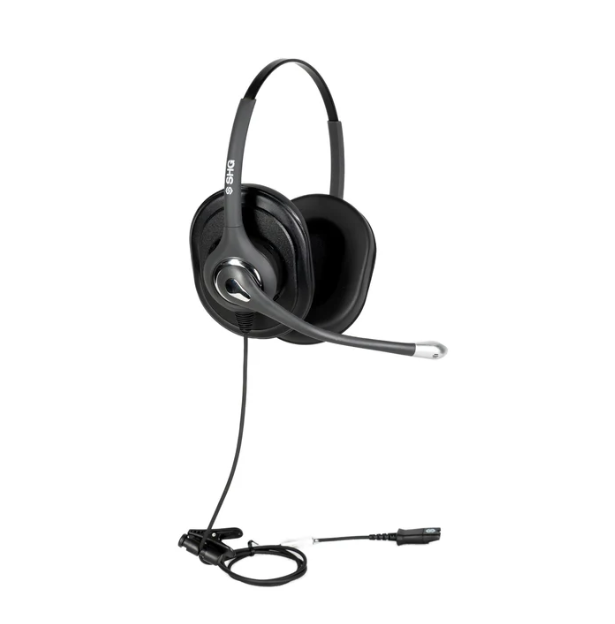
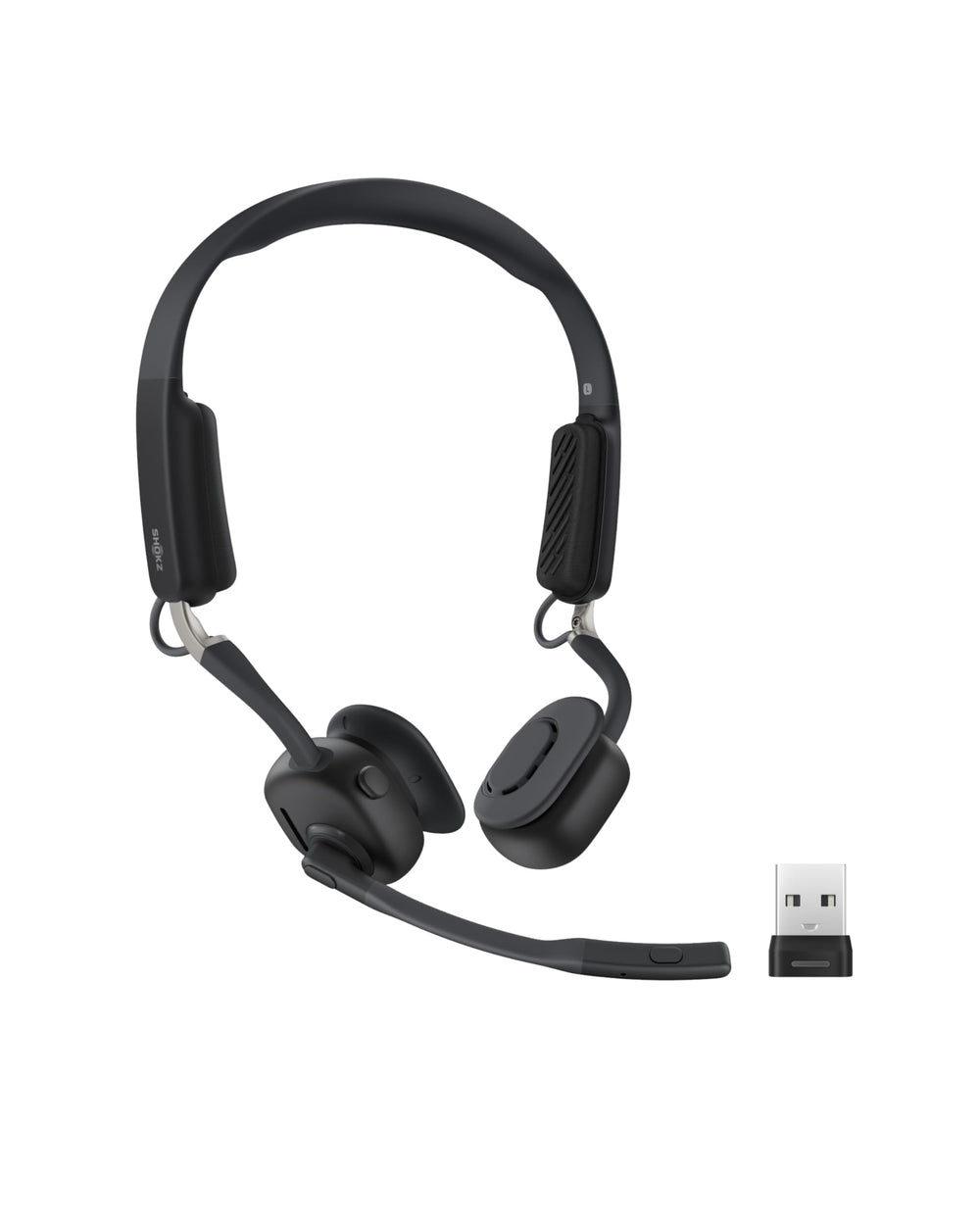
Three things decide a one-X headset order once the audio works, and none are about sound quality. First, connector: a fleet halfway through a USB-C refresh needs a headset with both, or an adapter budget nobody has approved. Second, whether IT will deploy the vendor's companion app to every agent machine, since without it the answer and mute keys are decoration. Third, mono against stereo, which on a contact center floor is a supervision question as much as a comfort one.
Do one-X Agent and one-X Communicator need a certified headset?
one-X Agent and one-X Communicator take their call audio from the device you select in the client's own audio settings, which in turn lists what Windows has accepted, so a USB headset the computer recognizes will carry the call. Certification in Avaya's world takes the form of a document rather than a badge: Avaya publishes application notes for third-party products with step-by-step configuration guidelines, and those notes are what to look for when you are buying in volume rather than one at a time.
Can I plug a USB headset into the USB port on an Avaya 9611G?
The Avaya 9611G USB port is documented for memory devices, covering contact import and export, digital pictures for the screensaver, and login credentials that register the phone with a login profile. A USB headset for one-X Agent or one-X Communicator goes into the computer running the client instead, since the softphone call never touches the deskphone.
Why does my headset's answer button do nothing in one-X?
The answer button is not part of the audio stream. It sends a USB HID telephony report, the standard's Hook Switch usage, and something on the PC has to receive that report and tell one-X to answer the call. On most setups that job belongs to the headset manufacturer's companion application, so if the audio works and the buttons do not, the missing piece is software on the PC rather than the headset or the client.
Where do I change which headset one-X Agent uses?
In one-X Agent, open Tools, then Preferences, then Audio Devices, and set the headset for both Playback and Recording. Test buttons next to each let you check the levels without placing a call. one-X Communicator keeps the same choice behind the Settings link at the top of the login box, under Audio, as separate Microphone and Speaker menus.
If you are specifying headsets for a one-X floor, call our team on 877-999-3838 with your client version in front of you.
Comments (0)