

























When RingCentral audio is not working
If you hear nothing on RingCentral calls, check that the app is sending sound to the right speaker or headset in its audio settings. If you can hear but the call is choppy, delayed or echoing, RingCentral's own guidance points first to your network connection, and its built-in call quality test will show you whether that's the cause.
Each problem has its own section below. If you're choosing a headset for RingCentral, start with our ringcentral headsets.
No sound, or you can't hear the caller
RingCentral plays calls through the speaker chosen in its own settings, which can differ from the one your computer uses. Open Settings, then Audio, in the RingCentral app and pick your headset as the speaker.
On Windows, open the Sound control panel and check the Playback tab too. RingCentral's help pages suggest three settings there: make sure your headset is the selected device, untick "Allow applications to take exclusive control of this device", and on the Communications tab choose "Do nothing".
If the sound stopped after you installed security software, RingCentral notes that some antivirus firewalls block the ports its calls use. Its network requirements page lists the ports to allow.
Echo, delay or choppy call quality
RingCentral lists three network causes for choppy, dropped and delayed calls: congestion on your office network, too little bandwidth, and a weak Wi-Fi signal.
Start with a cable: RingCentral recommends a wired network connection for the best call audio. On Wi-Fi, move closer to the router. A 2.4 GHz network gets through walls better, while 5 GHz carries more data.
If your router has Quality of Service settings, ask whoever manages it to give voice traffic priority. For echo on a speakerphone, turn the speaker volume down, or use a headset instead of the speakerphone.
How to run a RingCentral network test
Start with the "Test call quality" feature in the RingCentral desktop or web app. Then run a speed test at speedtest.net and compare it with RingCentral's targets:
If your results fall short, the fixes in the section above will help more than any change to your headset.
Setting up a headset in RingCentral's audio settings

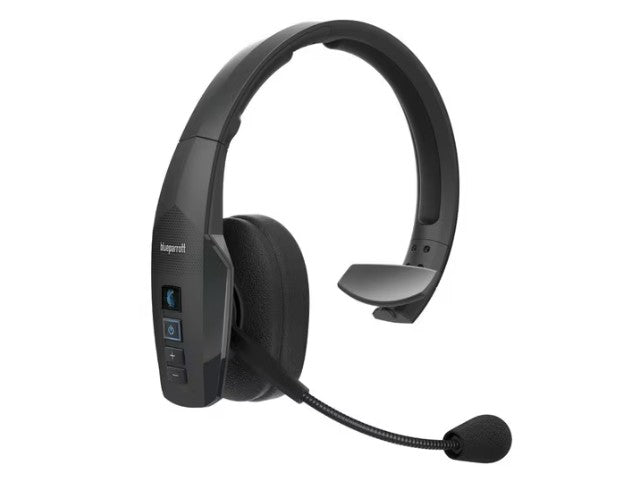
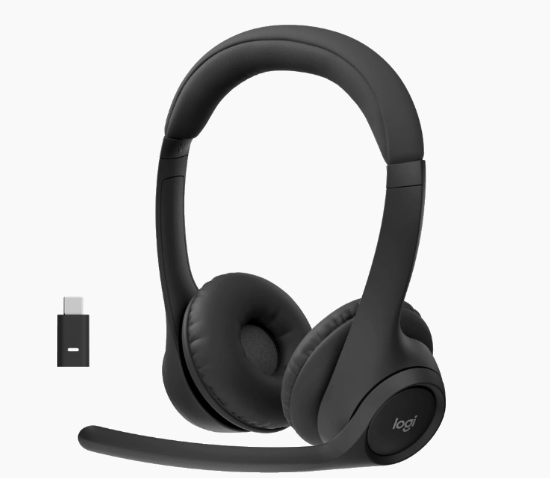
Connect the headset first, then open Settings, then Audio, in the RingCentral app and choose it as both the microphone and the speaker. If you have more than one headset connected, RingCentral treats the one you plugged in last as the active one.
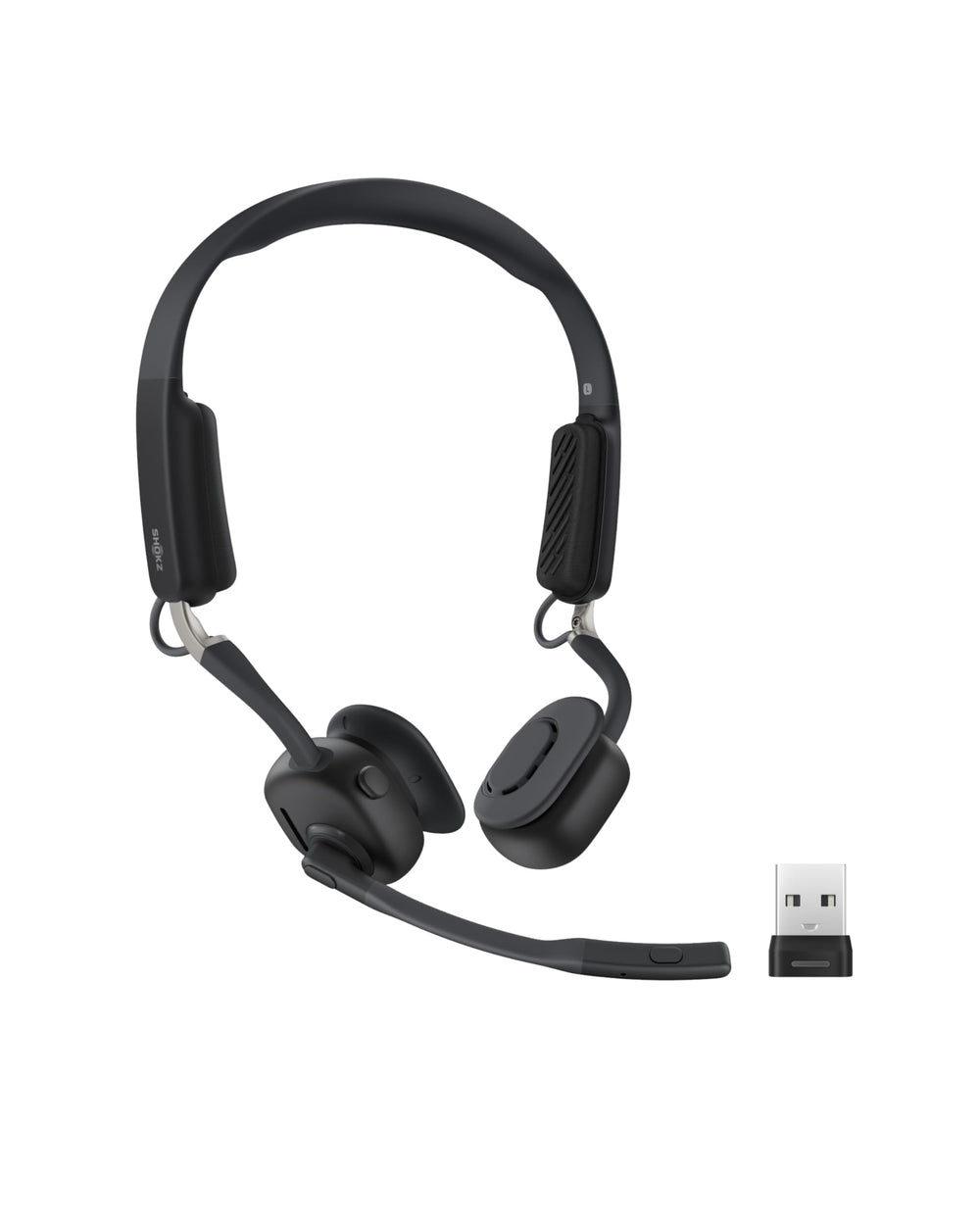
A Bluetooth headset works for talking and listening when it's paired straight to your computer. To use its buttons with RingCentral, connect it through the USB adapter it came with, because RingCentral's headset controls work over USB.
If the caller can't hear you, rather than you not hearing them, see ringcentral microphone not working.