














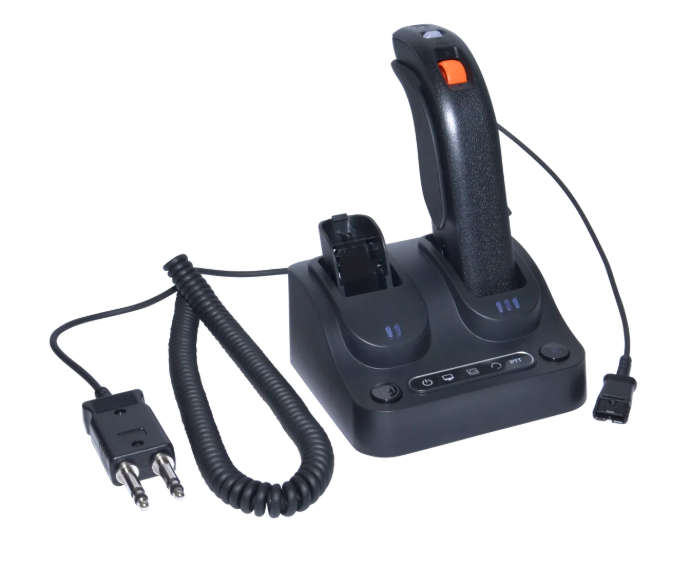


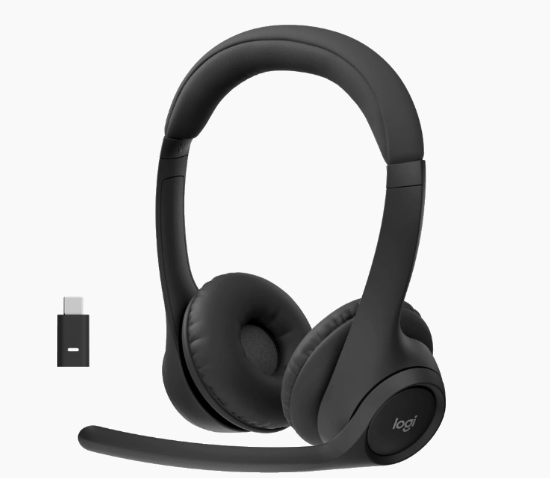









When your RingCentral microphone is not working
If RingCentral isn't picking up your voice, check three things in this order: which microphone the RingCentral app has selected, whether Windows, macOS or your browser is letting RingCentral use it, and whether your computer can see the headset at all.
If you see the message "Access to your microphone is blocked", it's the second one, and the fix is a permission setting.
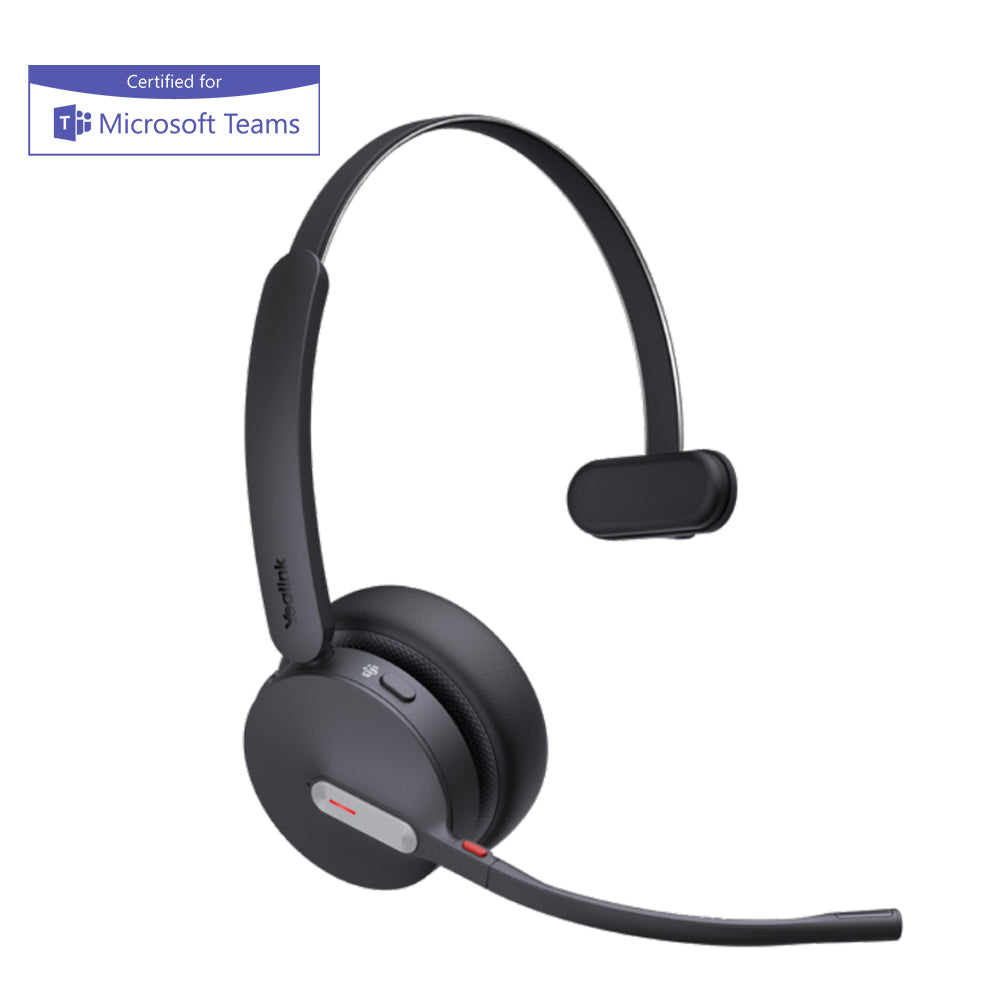
The sections below go through each fix. If you're still choosing a headset for RingCentral, start with our ringcentral headsets.
"Access to your microphone is blocked"
This message means your computer or browser isn't giving RingCentral permission to use the microphone. It isn't a fault in the headset.
On Windows 11, open Start, then Settings, then Privacy & security, then Microphone. Turn on Microphone access, and turn on "Let desktop apps access your microphone" for the RingCentral desktop app. On Windows 10 the same settings are under Settings, then Privacy.
On a Mac, open the Apple menu, then System Settings, then Privacy & Security, then Microphone, and turn it on for RingCentral.
If you use RingCentral in Chrome, the permission lives in the browser. Go to Settings, then Privacy and security, then Site settings, then Microphone, and set RingCentral to Allow.
If the desktop app still shows the message with every permission on, try the RingCentral web app in Chrome. On RingCentral's community forum, Windows 11 users with this error found the web app worked when the desktop app didn't, and a RingCentral moderator called it a known issue.
RingCentral is using the wrong microphone

RingCentral uses the microphone chosen in its own settings, which isn't always the one your computer uses. Open Settings, then Audio, in the RingCentral app and pick your headset as the microphone.
On Windows, also open the Sound control panel and check the Recording tab. RingCentral's help pages suggest unticking "Allow applications to take exclusive control of this device", so another app can't hold on to the microphone.
The caller can't hear you
First make sure you aren't muted in two places. A headset's own mute button is separate from the mute button in RingCentral, unless you've turned on headset controls (covered below).
Then run the "Test call quality" check in the RingCentral desktop or web app before your next call.
Your headset isn't detected, or its buttons don't work
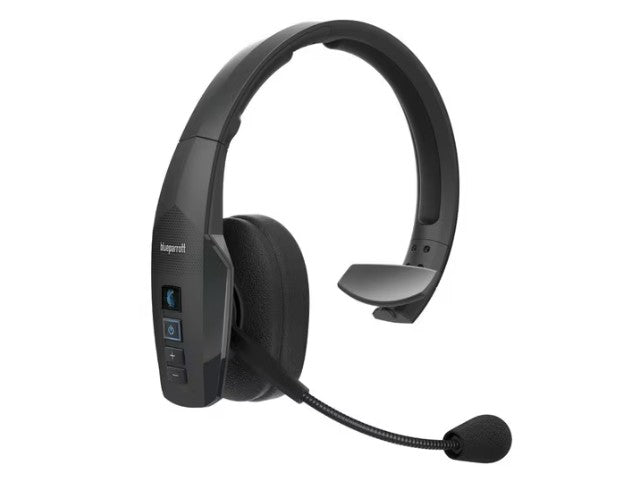
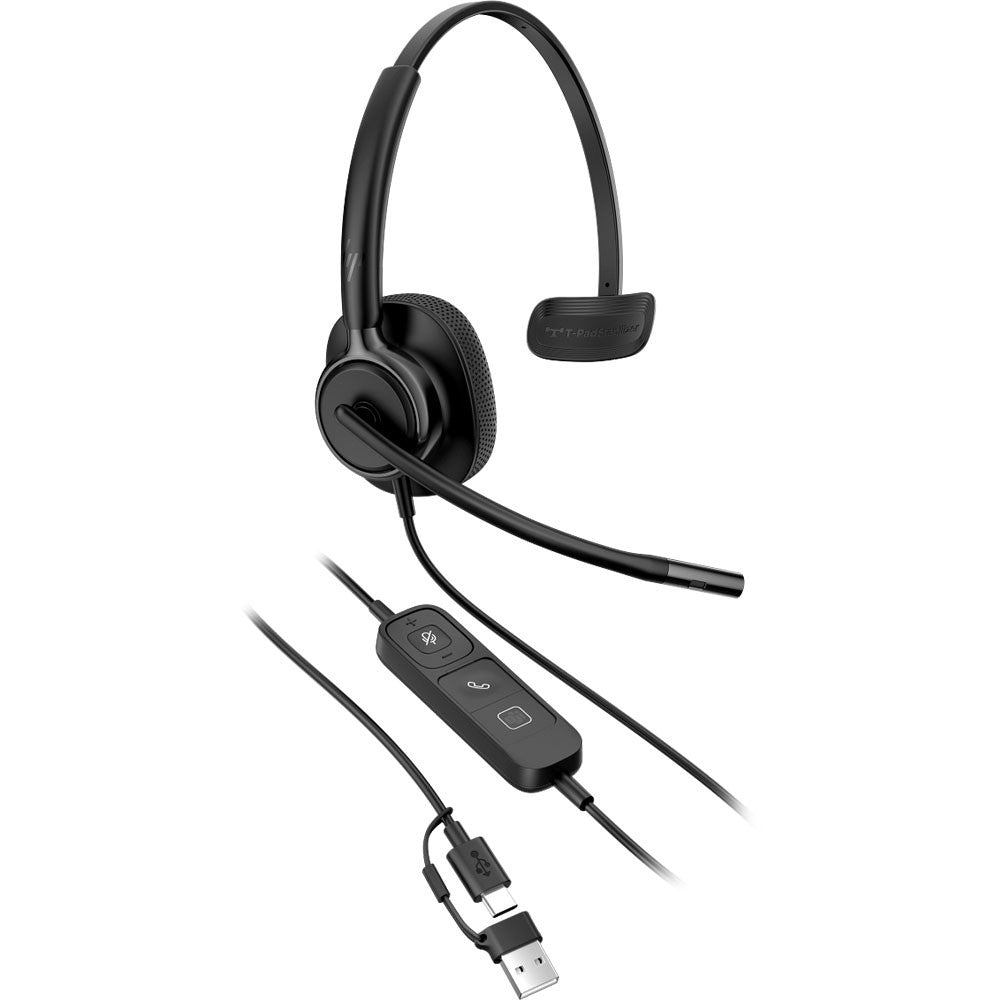
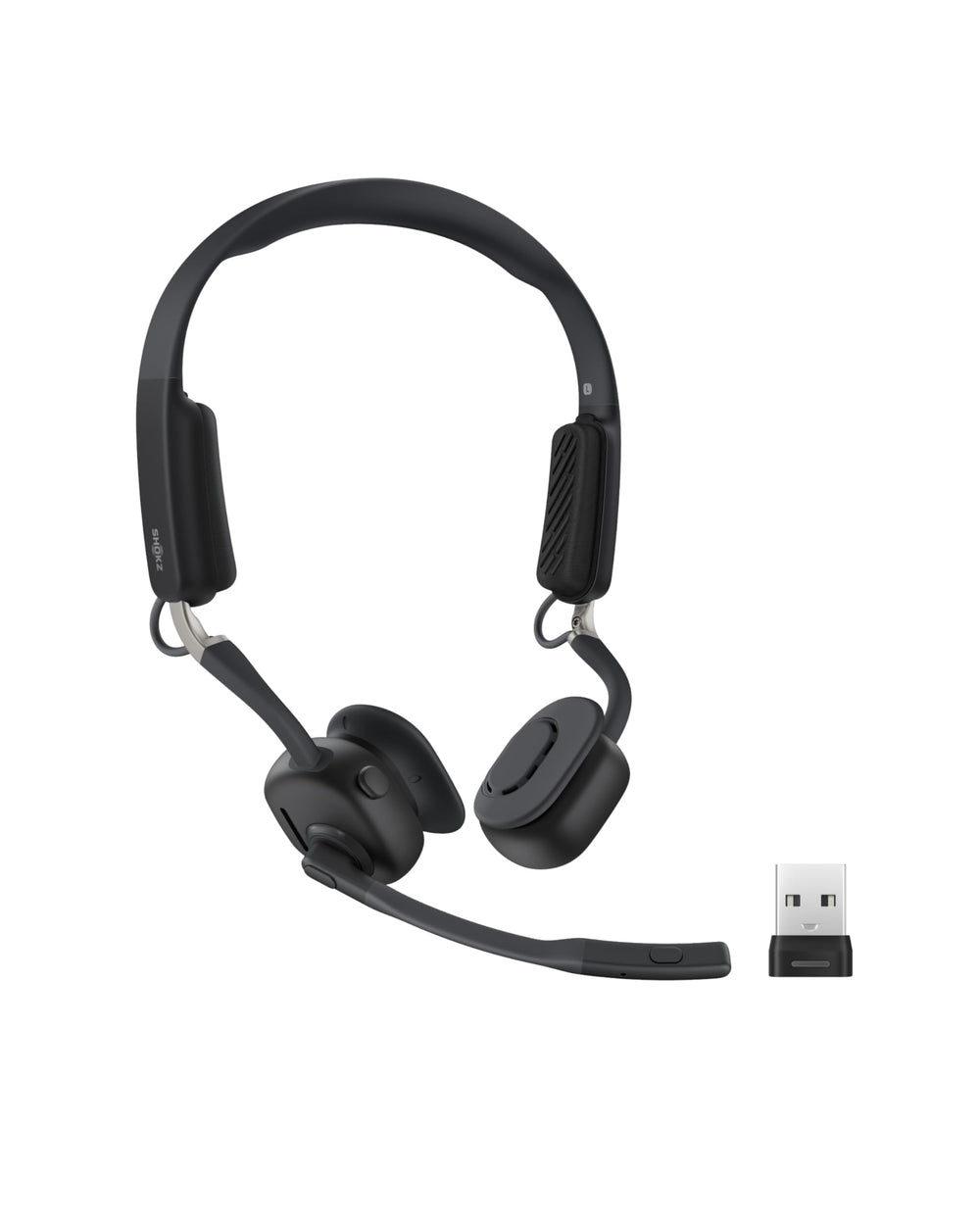
RingCentral controls a headset over USB, so connect it with its USB cable or, for a wireless headset, the USB adapter it came with. If the headset connects straight to your computer's Bluetooth, the buttons won't control RingCentral.
To make the answer, end and mute buttons work, open Settings, then Audio, turn on "Use headset control buttons to answer, end, and mute phone calls", then turn on HID headsets. If you have more than one headset plugged in, RingCentral uses the one you connected last.
If the computer doesn't see the headset at all, RingCentral recommends installing the drivers from the headset maker's website. With a docking station, turn the microphone off, wait 30 seconds and turn it back on.
If you can hear nothing on your calls, rather than the caller not hearing you, see ringcentral audio not working.