




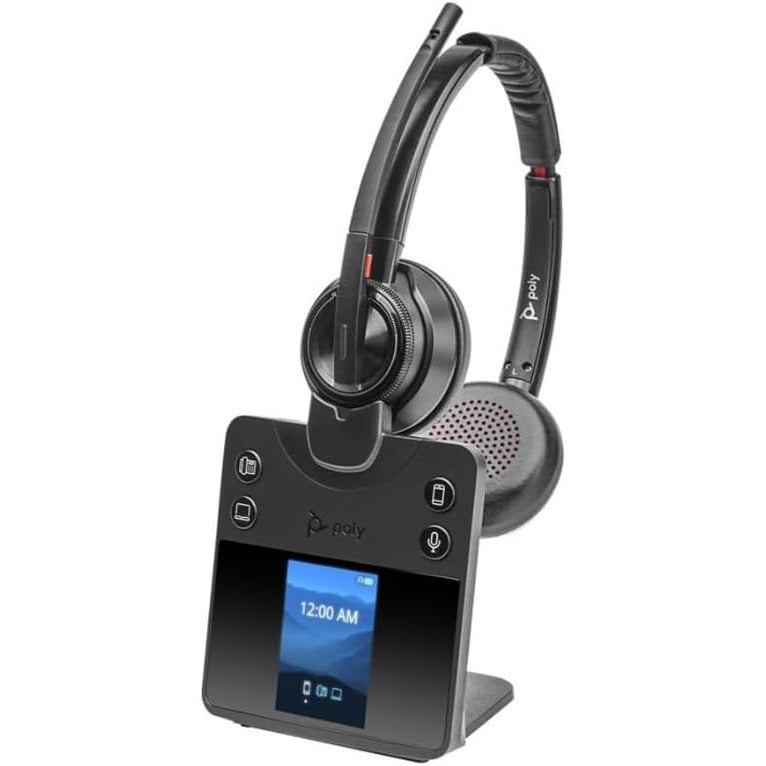















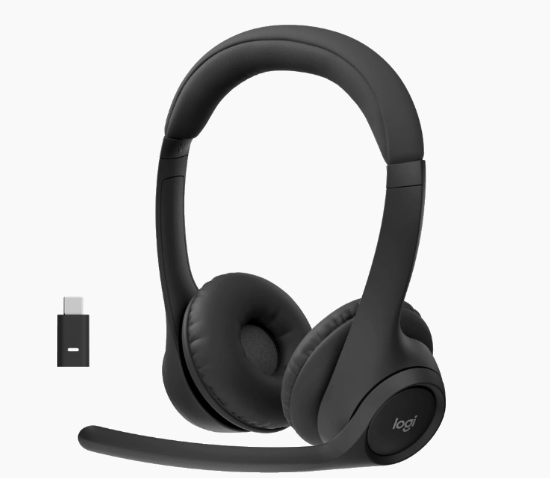



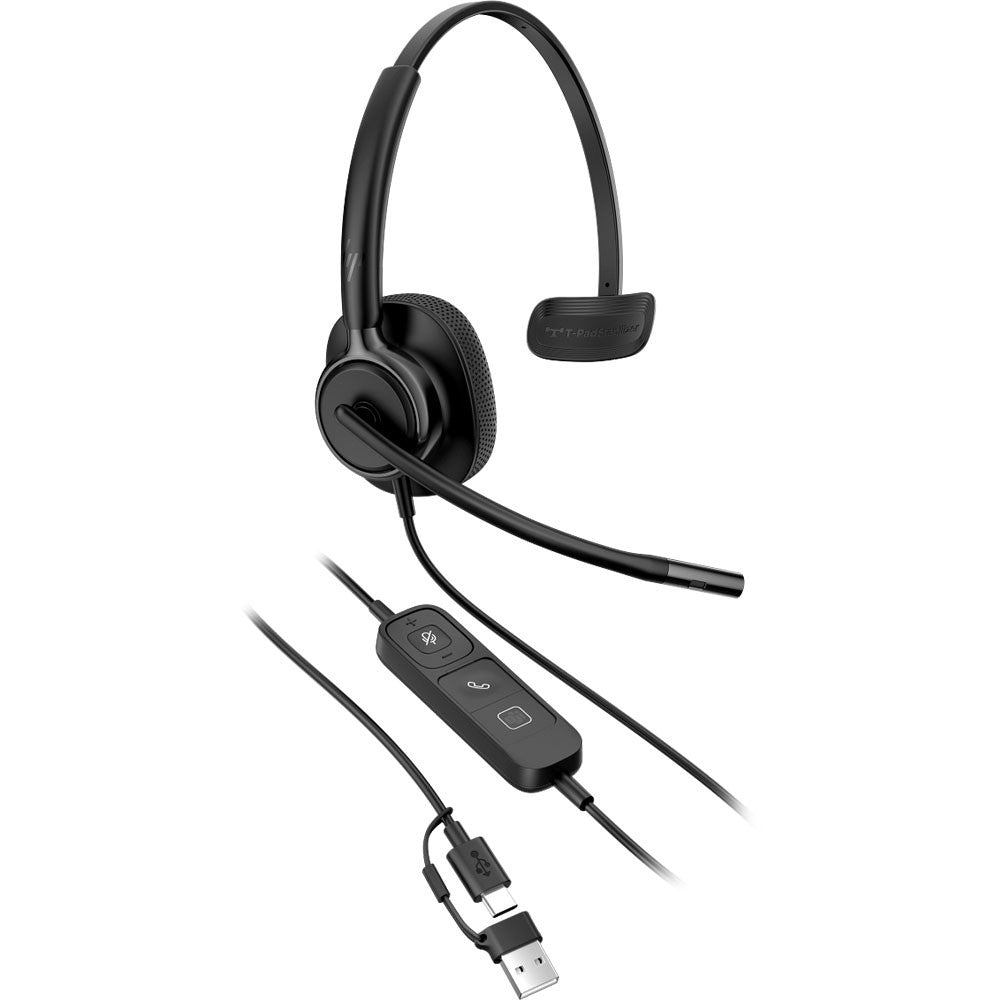

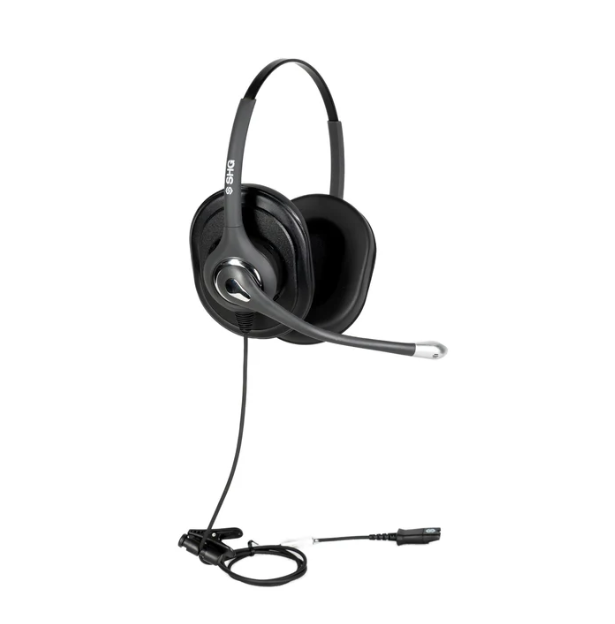

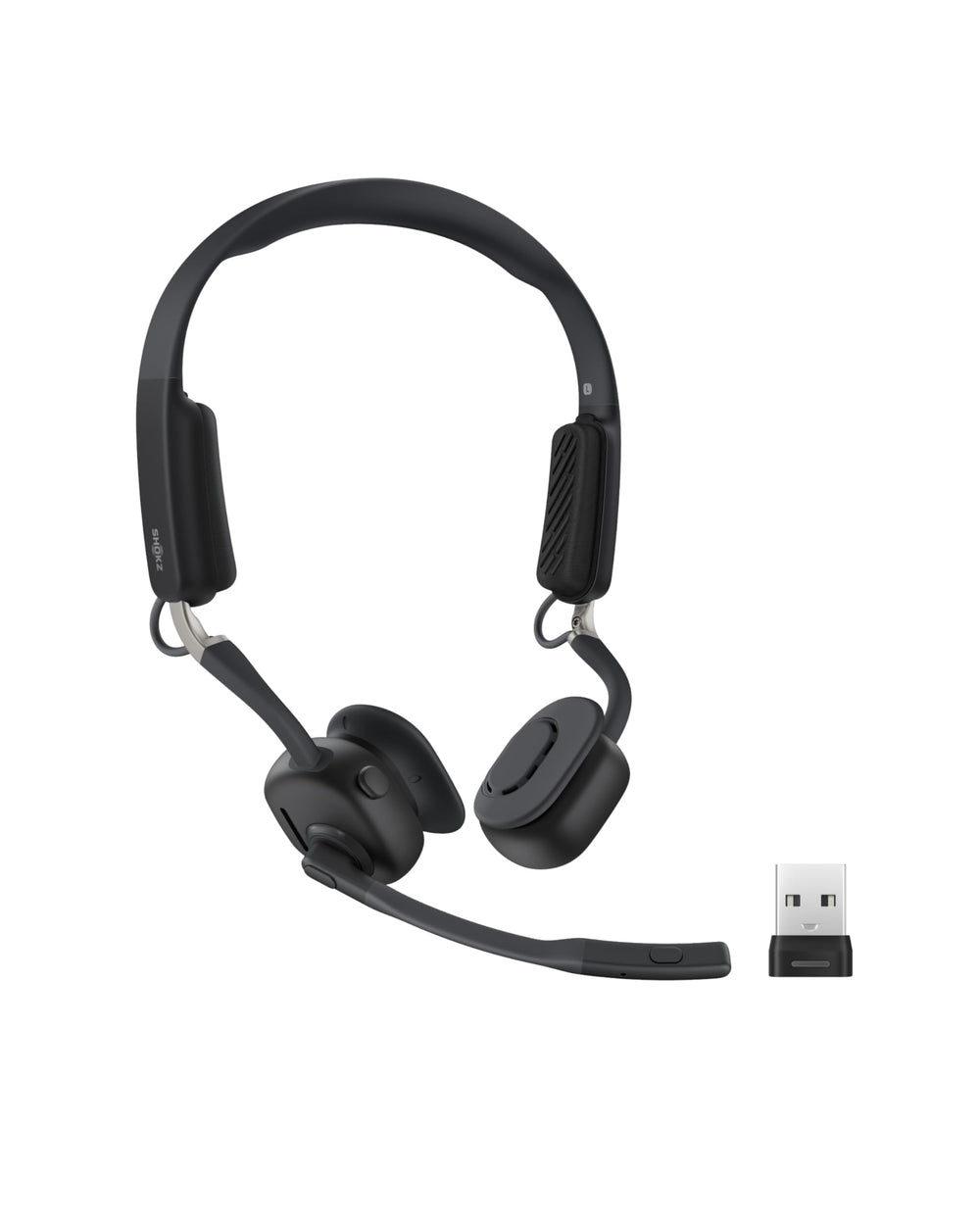

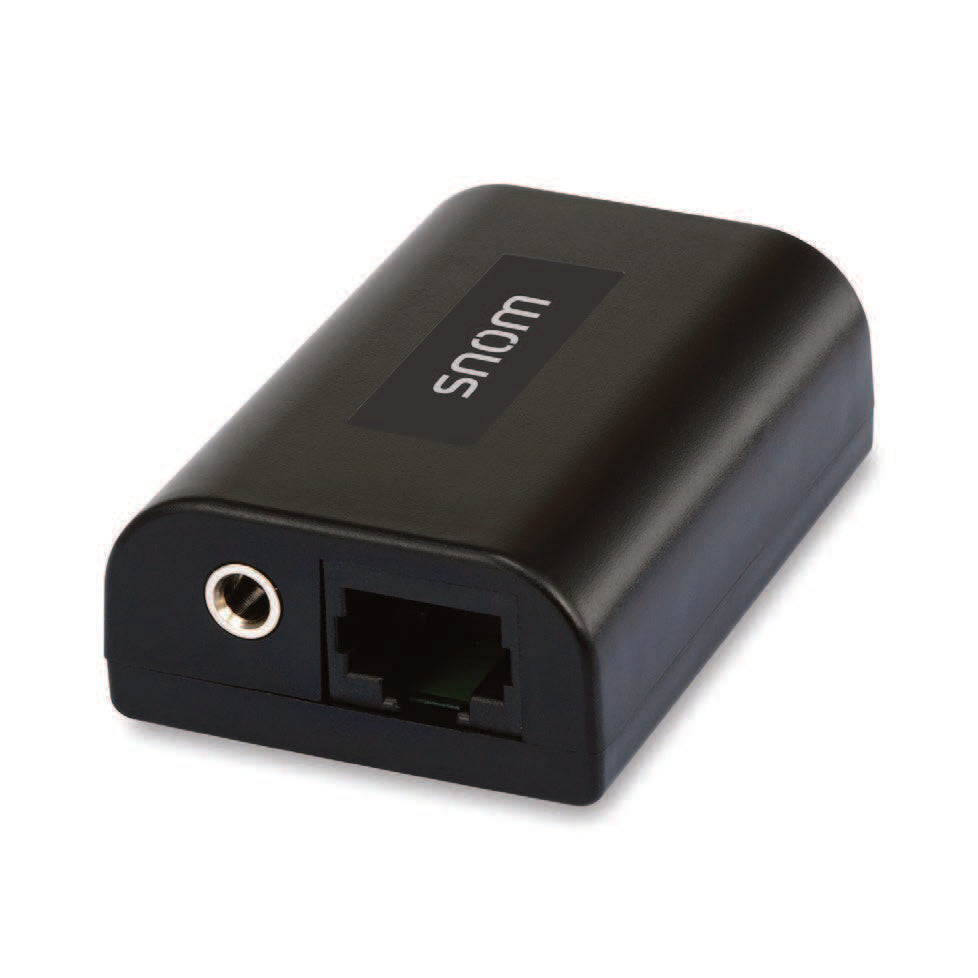
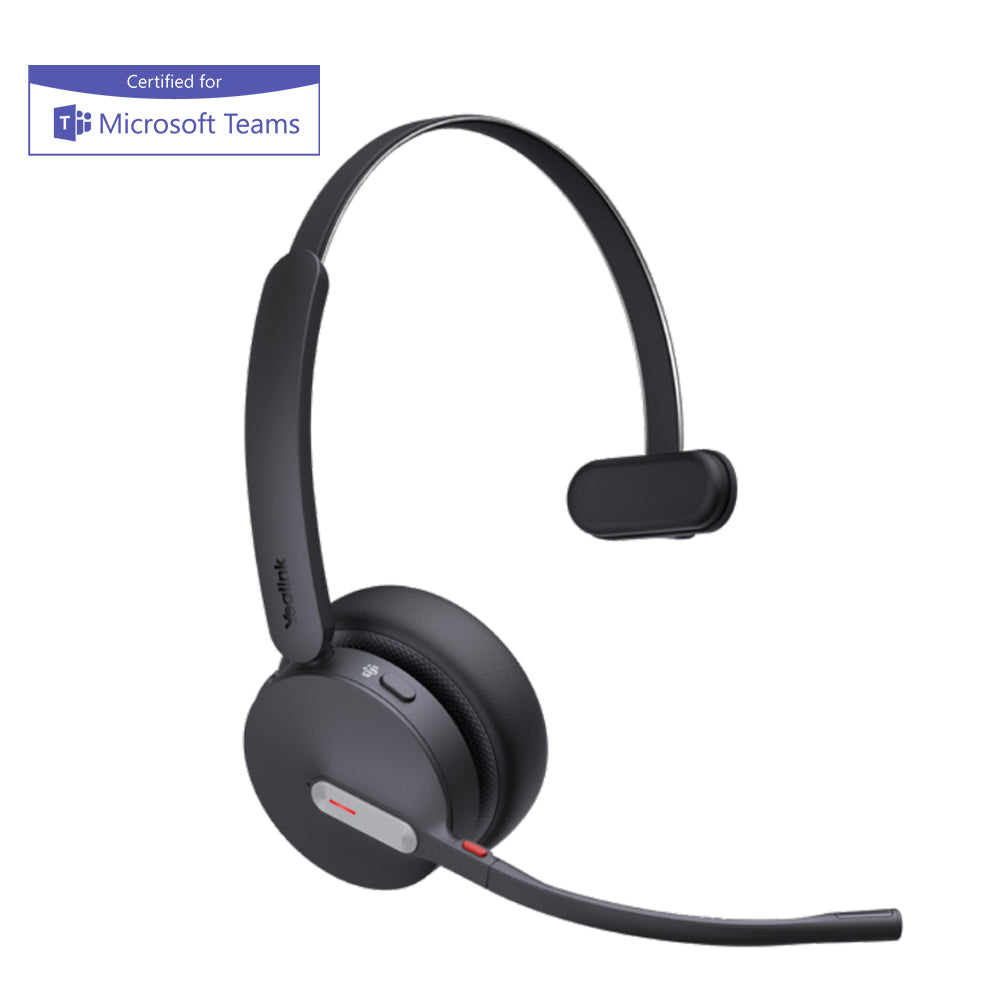


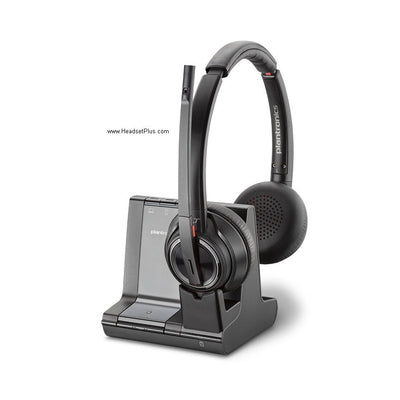
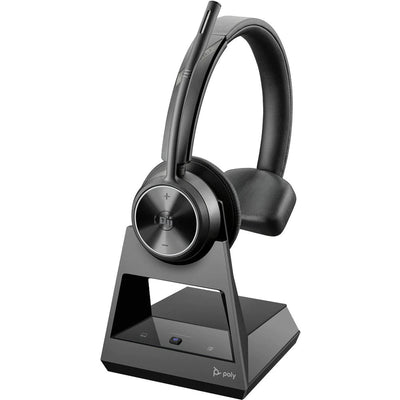
Two Poly Bluetooth headsets, both with the same BT700 dongle and the same charging stand — and a decision that comes down to two things: how long you need the battery to last, and whether you need active noise cancelling. Here's how they compare after real testing.
Key takeaways
- Both use the same BT700 Class 1 dongle — we measured roughly 30% more range than the previous generation.
- The 4320 wins on battery: we measured 24 hours 44 minutes of talk time against a 24-hour rating.
- The Focus 2 wins on noise: Digital Hybrid ANC with three levels, plus a five-mic Acoustic Fence array.
- The 4320 has USB-C; the Focus 2 has micro USB, because it was designed first.
- Both work as corded headsets — turn Bluetooth off and plug in the charging cable.
Poly Voyager 4320 UC
The Voyager 4320 replaces the older Voyager 4220 and lands as the value option in Poly's Bluetooth range — without feeling like one.
Battery. Rated at 24 hours of talk time. In our testing it went further: 24 hours and 44 minutes, which translates to roughly 47 hours of listening-only use. For anyone who forgets to charge things, that's the headline feature.
Sound. The larger earcups deliver noticeably richer audio than the size suggests. We tested across YouTube, SiriusXM, and 8x8, and it held up on all three — it's not just a call headset.
Range. Ships with the BT700 Class 1 dongle. We measured roughly 30% more range than the previous generation, enough to walk outside the office and keep both streaming audio and a working microphone. That's without a booster antenna.
Microphone. Acoustic Fence with three microphones — two facing you, one facing outward to identify and suppress ambient noise before it reaches your caller.
Corded fallback. Includes a USB-C to USB-A cable. Turn Bluetooth off, plug in, and it works as a corded headset — useful if you've left the dongle at home. Microphone performance actually improves slightly on the direct connection.
Myth
The cheaper headset must be the compromise — the more expensive one wins on everything.Reality
Not here. The 4320 beats the Focus 2 on two real measures: battery life (over 24 hours against 19) and port type (USB-C against micro USB). That's because the Focus 2 came first — Poly designed the 4320 later, using feedback from the Focus 2. The Focus 2 is still the better headset for noise control, but "newer entry-level" doesn't mean "worse in every way."Where the 4320 falls short
Two genuine complaints from daily use. The mute key sits under the boom arm and is small enough to be awkward to find, particularly if you wear the boom on the opposite side to the button. And the volume controls are hard to locate by feel — you'll want the level tone switched on to confirm you're actually adjusting volume.
Verdict: a solid B−. Strong value, exceptional battery, held back by fiddly controls.
Poly Voyager Focus 2 UC
The Voyager Focus 2 sits a tier above, and the difference is almost entirely about noise.
Microphone. A stronger Acoustic Fence array — five microphones (three facing you, two outward) against the 4320's three. We tested it on a live call with a vacuum cleaner running beside it, and the person on the other end couldn't hear it.
Active noise cancelling. Digital Hybrid ANC with three adjustable levels, so you set how much of the room to block rather than choosing on or off.
Mute by boom. Swing the boom up to mute, down to unmute. No hunting for a button — a direct answer to the 4320's main weakness.
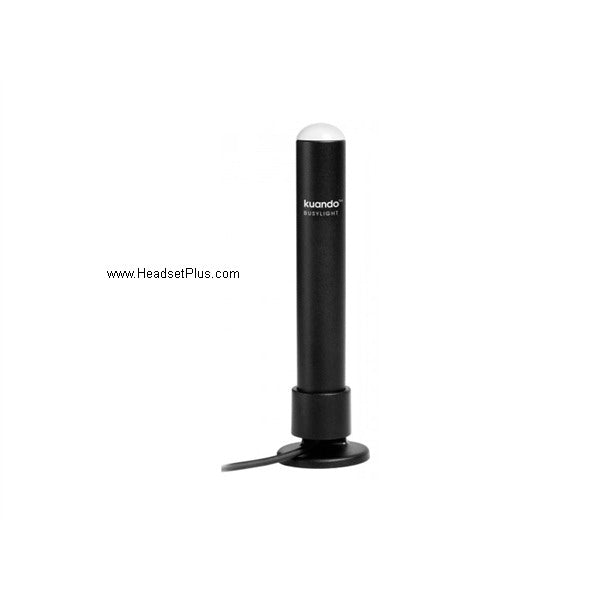
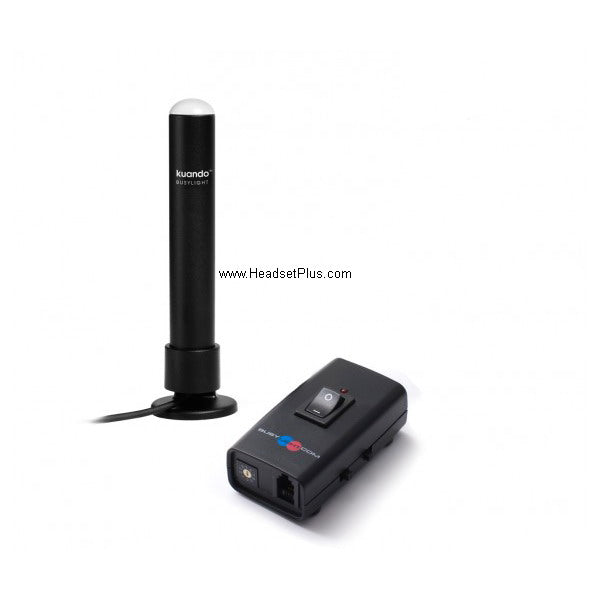
Busylight. Built in, which matters in an open office or at a front desk.
Multi-device memory. Remembers up to eight devices, so moving between a laptop, phone, and tablet doesn't mean re-pairing.
Battery. Rated 19 hours of talk time, dropping to around 16 with ANC active — noticeably less than the 4320.
Where the Focus 2 falls short
Battery is the main one: 19 hours against the 4320's 24-plus. The other is the micro USB port rather than USB-C, which is the more dated connector. Both trace to the same cause — the Focus 2 was designed first.
Verdict: a solid B+. Better Acoustic Fence, adjustable ANC, and a more discreet boom, at the cost of battery life.
Side by side
| Voyager 4320 UC | Voyager Focus 2 UC | |
|---|---|---|
| Talk time (rated) | 24 hours | 19 hours (about 16 with ANC) |
| Talk time (our test) | 24 hrs 44 min | — |
| Active noise cancelling | — | Digital Hybrid, 3 levels |
| Acoustic Fence mics | 3 (2 in, 1 out) | 5 (3 in, 2 out) |
| Mute | Button under boom | Boom up/down |
| Busylight | — | Yes |
| Charging port | USB-C | Micro USB |
| Dongle | BT700 Class 1 | BT700 Class 1 |
| Corded use | Yes, via cable | Yes, via cable |
| Charging stand | Same stand | Same stand |
Which should you buy?
Choose the Voyager 4320 if battery life matters most, your environment is moderately quiet, and you'd rather have USB-C. It's the better value and genuinely lasts longer.
Choose the Voyager Focus 2 if you work somewhere noisy, want adjustable ANC, or value mute-by-boom and a busylight. Charging it nightly makes the shorter battery a non-issue for most people.
If you also need a desk phone connection rather than just a computer and mobile, the Focus 2 Office version adds that. Our Poly headsets buyer's guide covers how the wider range fits together.
Which has better battery life, the Voyager 4320 or Focus 2?
The 4320, by a clear margin. It's rated at 24 hours and we measured 24 hours 44 minutes in testing. The Focus 2 is rated at 19 hours, dropping to around 16 with ANC active.
Does the Voyager 4320 have active noise cancelling?
No. It has Acoustic Fence with three microphones, which reduces background noise for your caller, but no ANC to reduce what you hear. The Focus 2 adds Digital Hybrid ANC with three adjustable levels.
Why does the cheaper 4320 have USB-C when the Focus 2 has micro USB?
Because the Focus 2 was designed first. Poly took feedback from it when developing the 4320, which is why the newer, lower-tier headset picked up the more modern port.
Can either headset be used as a corded headset?
Yes, both. Turn Bluetooth off and plug in the charging cable — USB-C on the 4320, micro USB on the Focus 2. Microphone performance is slightly better on the direct connection, which makes it a useful fallback if you've forgotten the dongle.
How much range does the BT700 dongle give?
Both ship with the same BT700 Class 1 dongle. In our testing it delivered roughly 30% more range than the previous generation — enough to step outside the office and keep both audio streaming and the microphone working, without a booster antenna.
The short version: the 4320 for battery and value, the Focus 2 for noise control. Both share the same dongle, the same stand, and the same corded fallback, so the decision really is those two axes. Call our team at 877-999-3838 if you want to talk it through.

Comments (0)