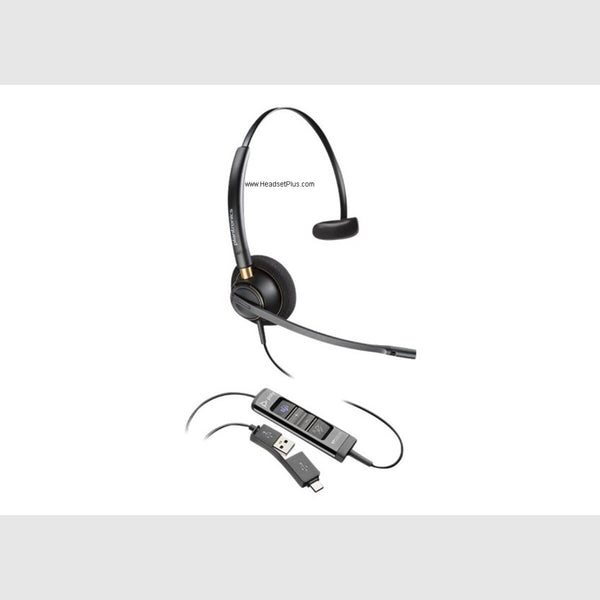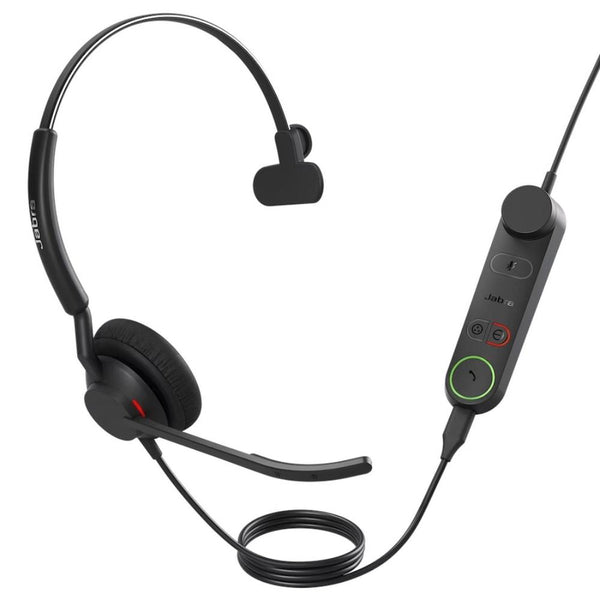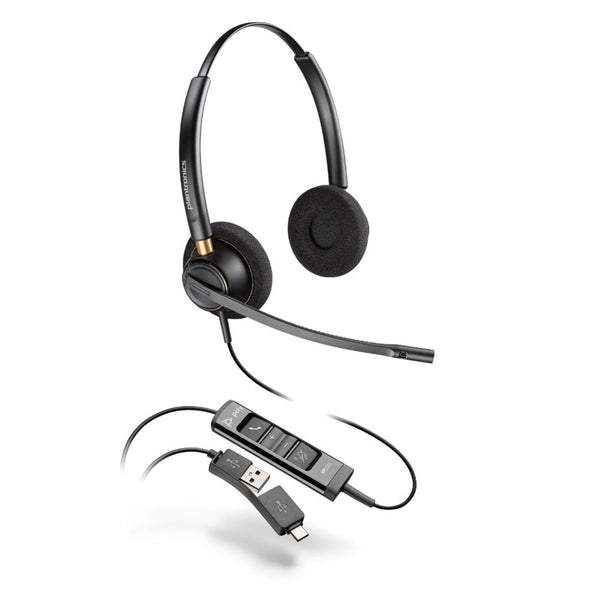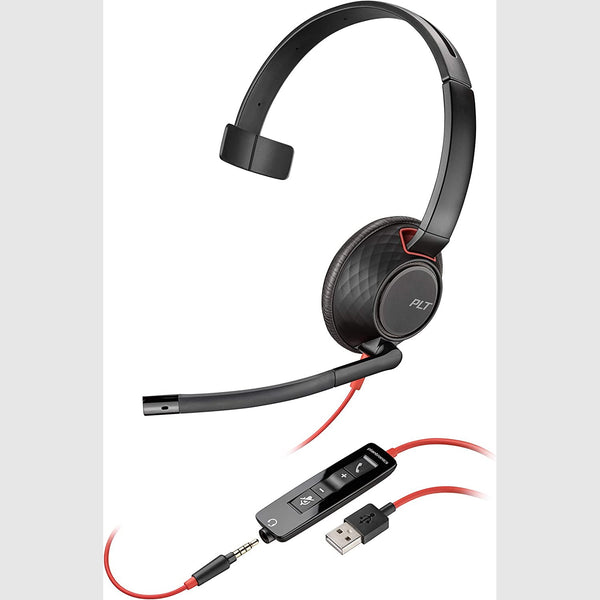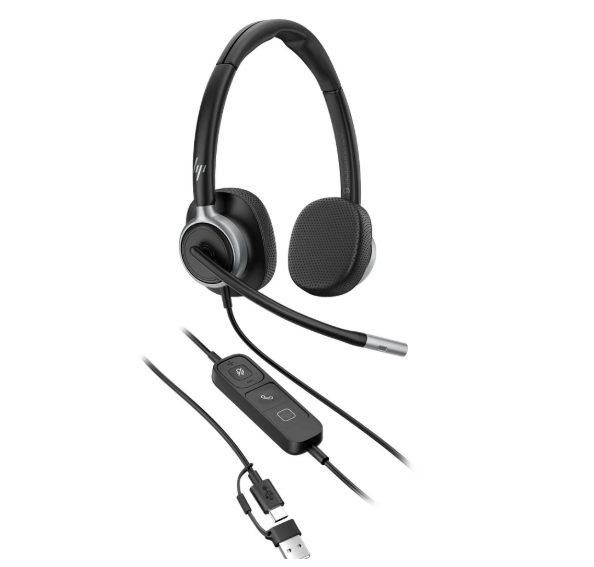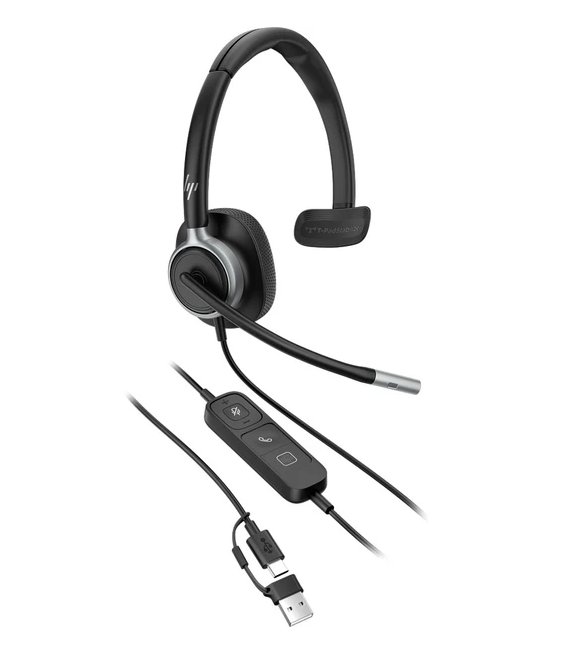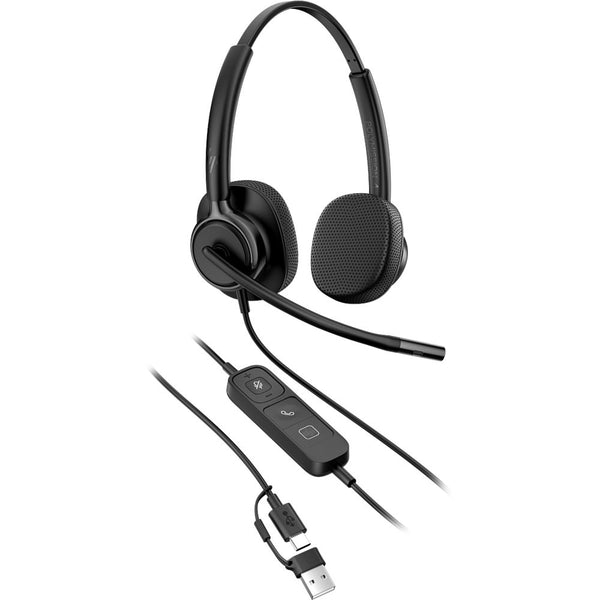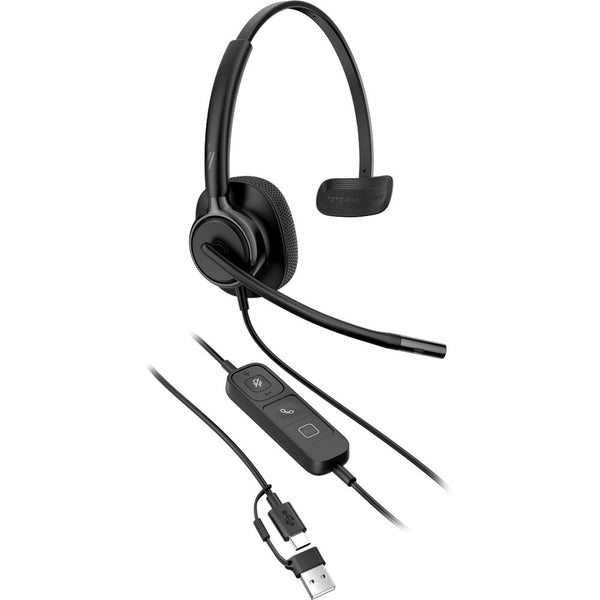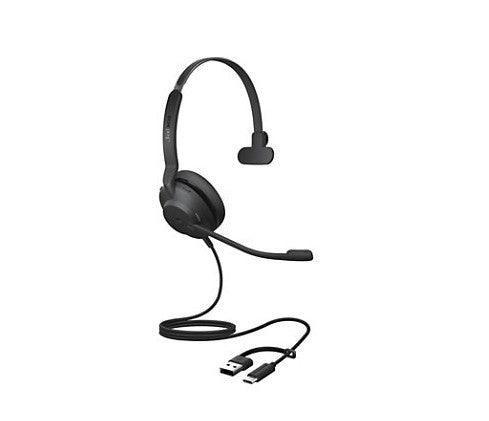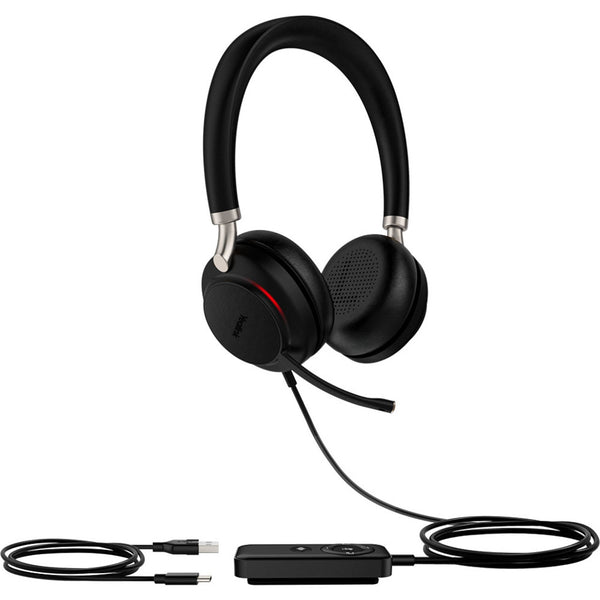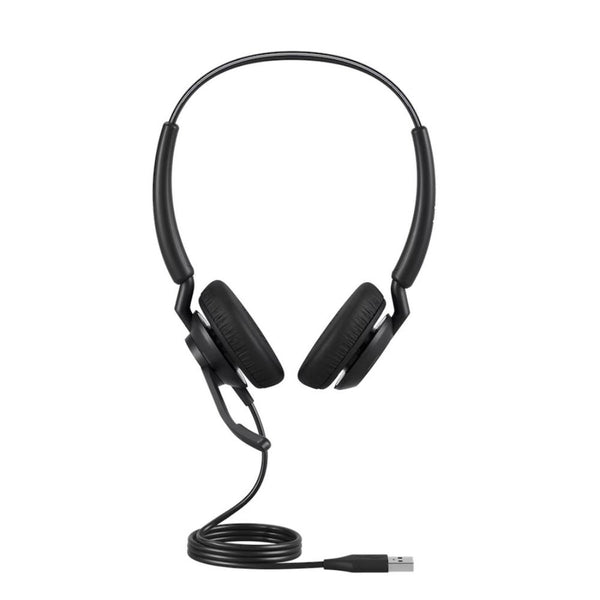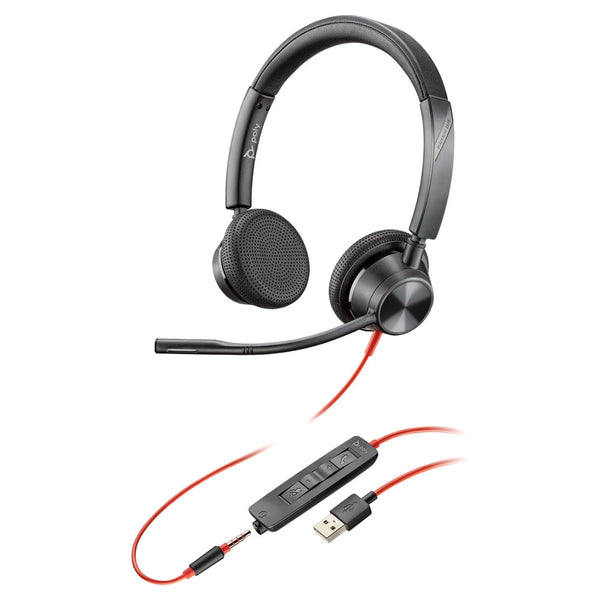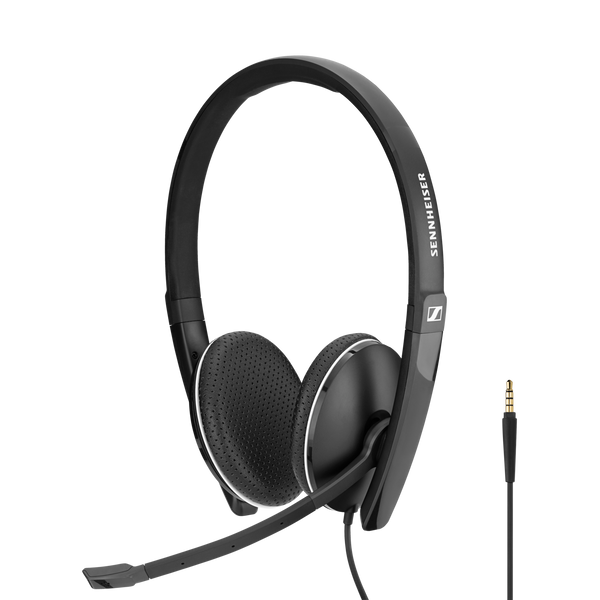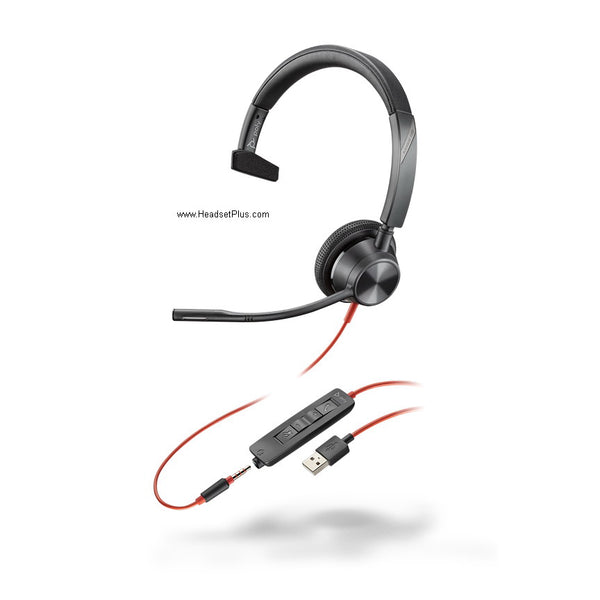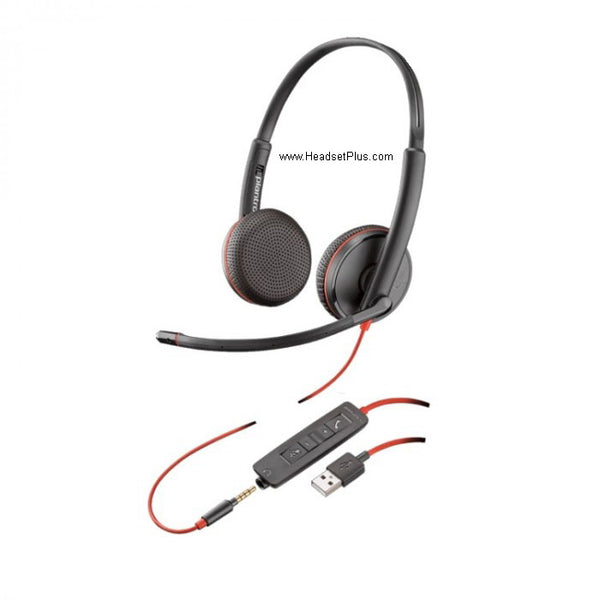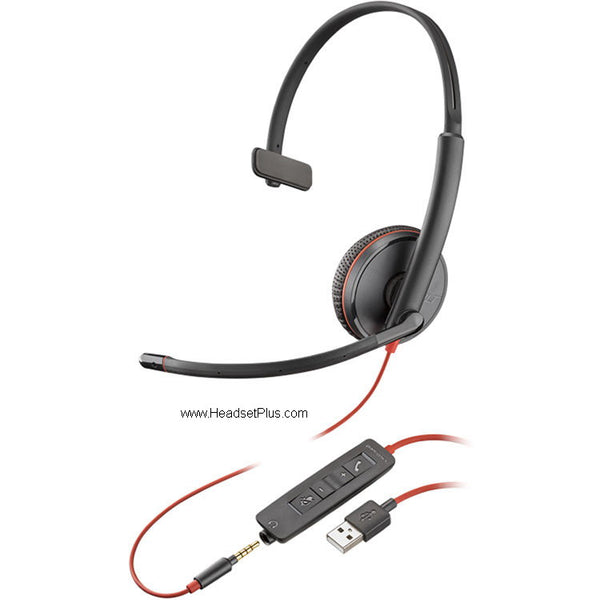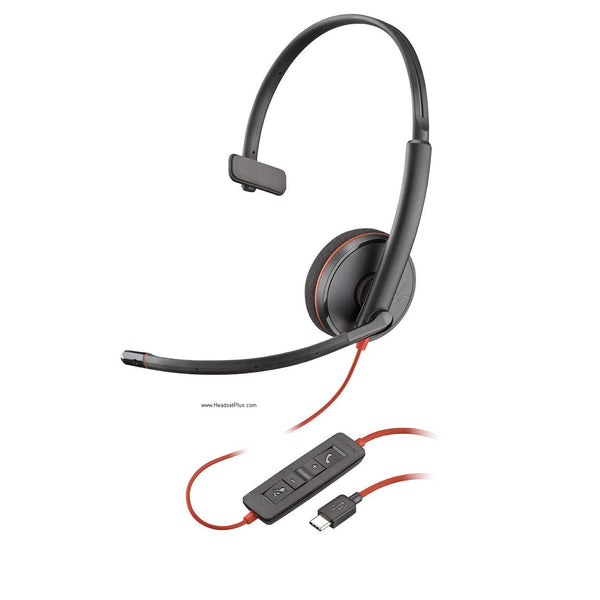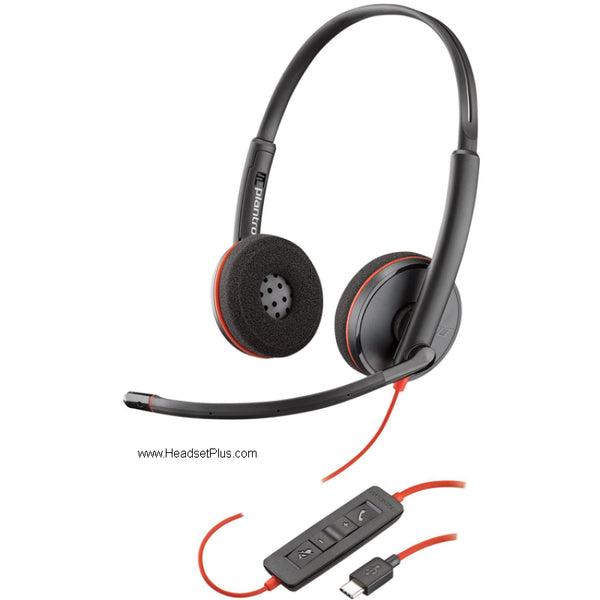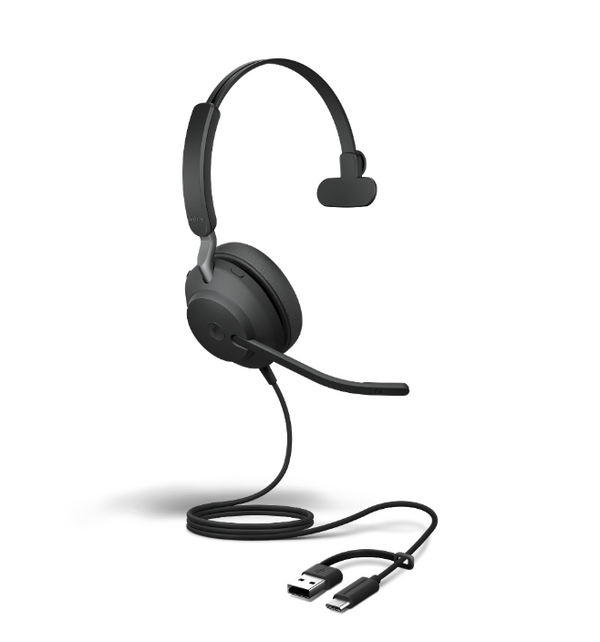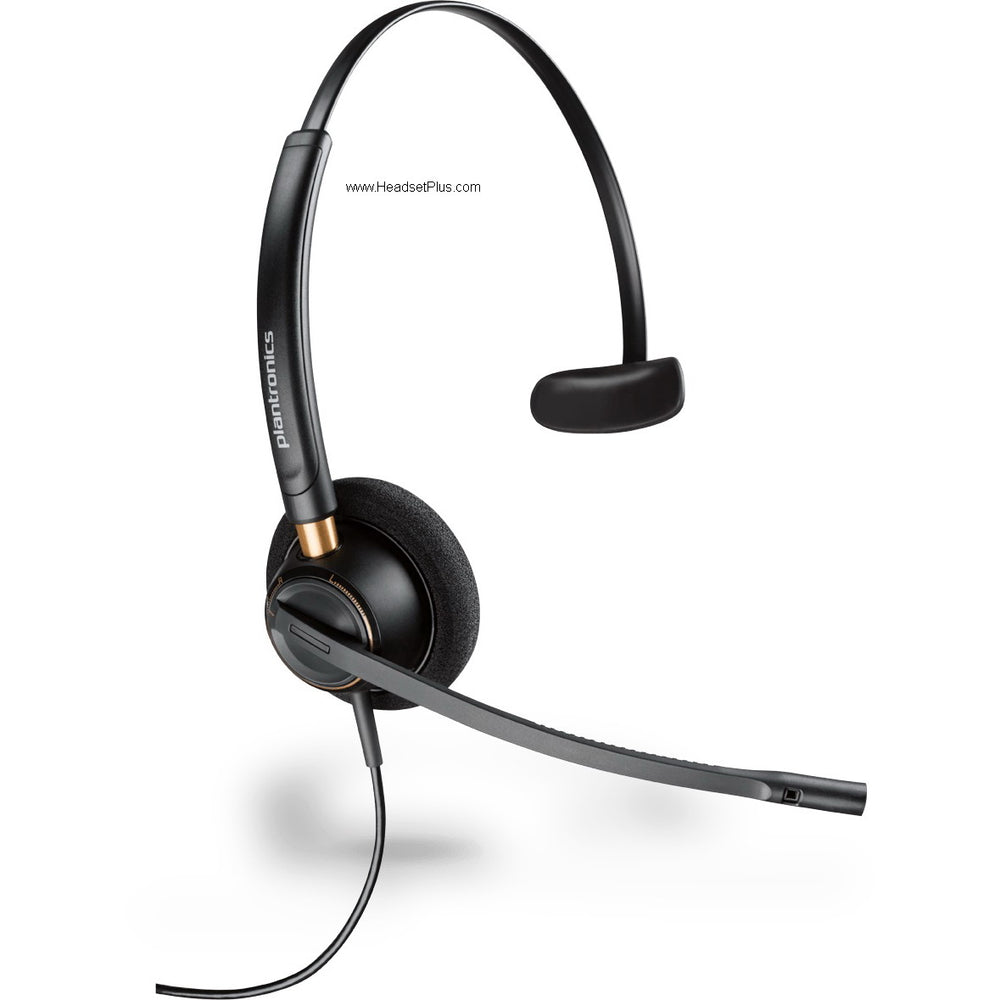
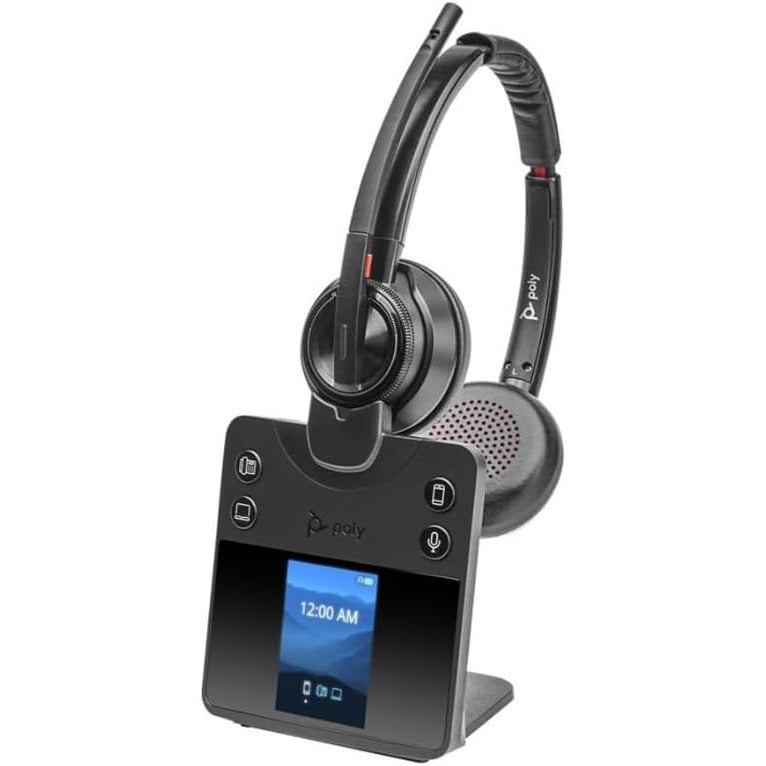
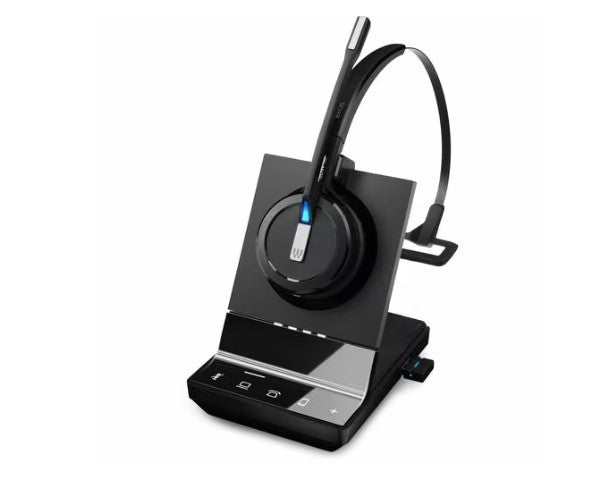
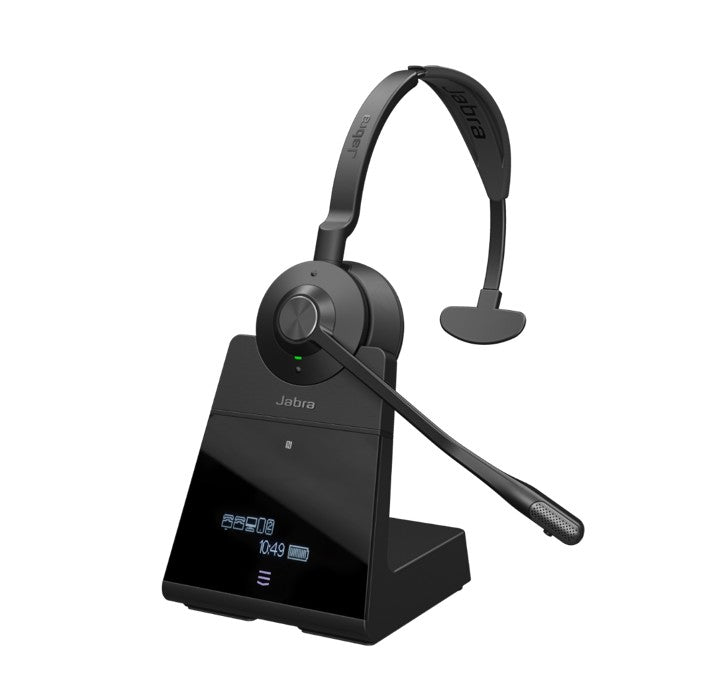
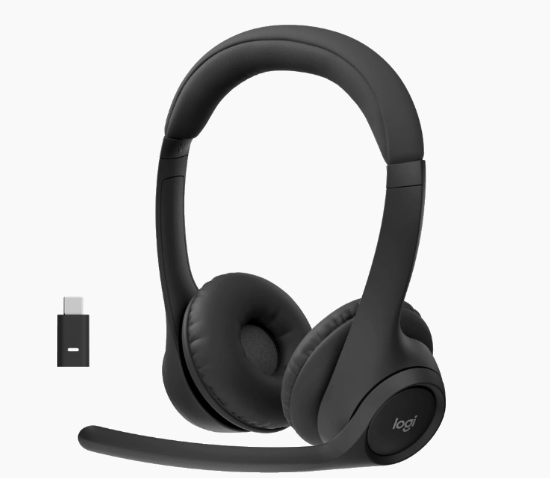
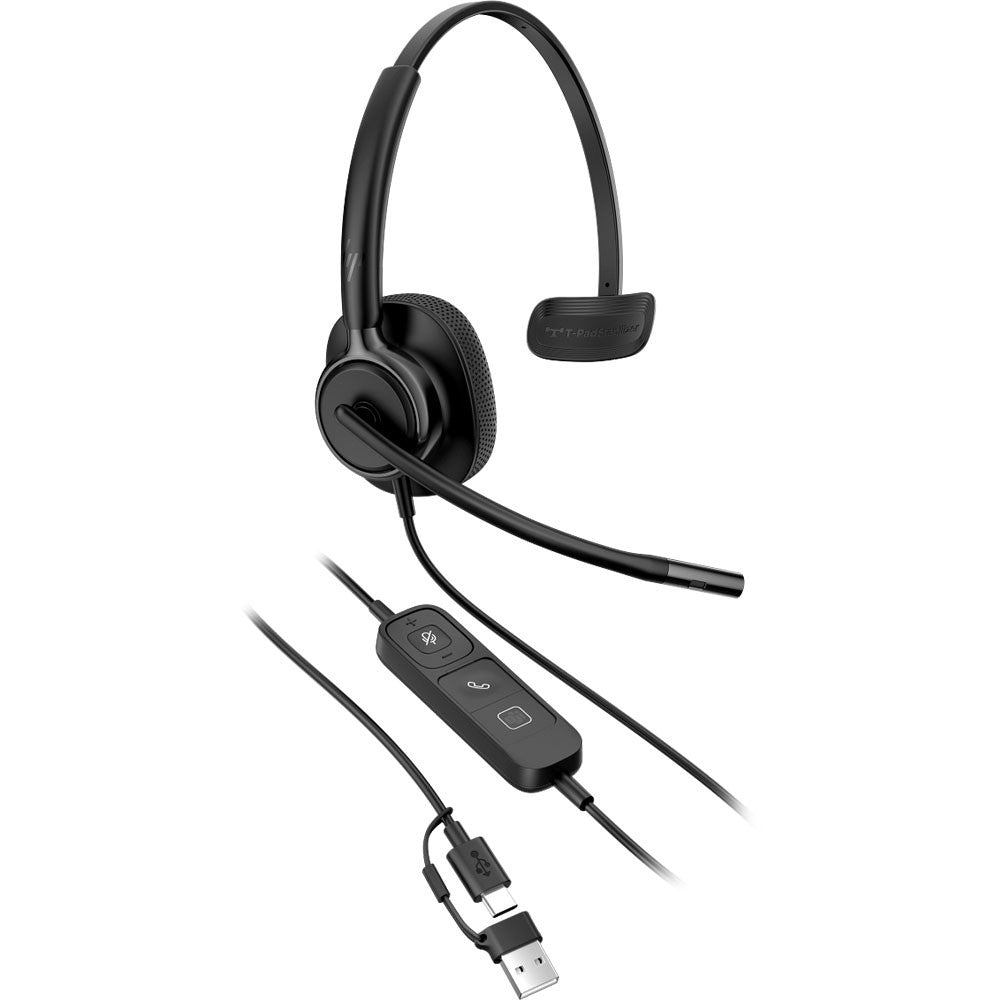
The 3.5mm headphone jack is nearly gone — and for once, that's simplified things. Laptops, Android phones, and, since 2023, iPhones have all standardized on USB-C, which means a single USB-C headset now works across your whole kit. It also sounds better and does more than the old analog jack ever could. Here's why, and which USB-C headsets are worth buying, corded and wireless.
Quick answer
Last updated July 2026
Why USB-C headsets beat the old 3.5mm jack
The switch from the analog 3.5mm jack to USB-C isn't just a different plug — it changes how the audio is handled, and for the better.
Myth
USB-C is just a different-shaped headphone jack.Reality
It's a fundamentally different connection. The old 3.5mm jack passed analog audio, so your sound quality depended on the little digital-to-analog converter built into each phone or laptop — good in some, poor in others. USB-C carries digital audio and lets the headset do its own processing, so you get consistent, clean sound on every device. It also carries power and data, which is why USB-C headsets can offer active noise cancellation, busylights, and on-headset call controls that an analog jack never could.The practical upshot: one good USB-C headset performs the same plugged into your work laptop, your Android phone, or a current iPhone — no adapters, no quality lottery. The trade-off is simply corded reach versus wireless freedom, which the two sections below sort out. If you want the full plug-by-plug picture, our guide to headset connector types covers USB-A, USB-C, and the rest.
Best corded USB-C headsets
Corded USB-C is the simplest, lowest-cost route: plug in and it works, with no battery to charge. These are the ones worth buying.
Jabra Evolve2 40 (value pick). The Evolve2 40 is the sweet spot — memory-foam cushions, a 3-mic noise-cancelling boom that mutes when you flip it up, a busylight, and a carrying case, in mono or stereo and UC or Microsoft Teams versions. It's comfortable, well-built, and priced for everyday use.
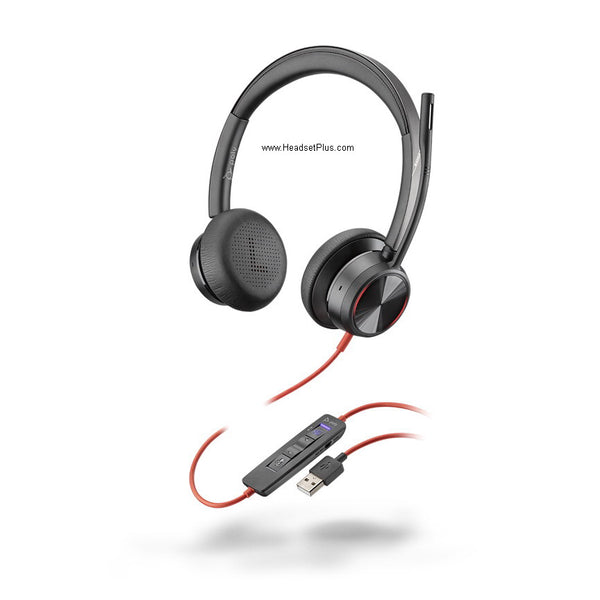
Poly Blackwire 8225 (premium corded, top pick). The Blackwire 8225 was the first corded USB-C headset with active noise cancellation, and it's still the one to buy for a genuinely loud room — four microphones, Poly's Acoustic Fence boom to isolate your voice, a busylight in the USB-C connector, and on-ear media controls. If focus in noise is the priority, this is the pick.
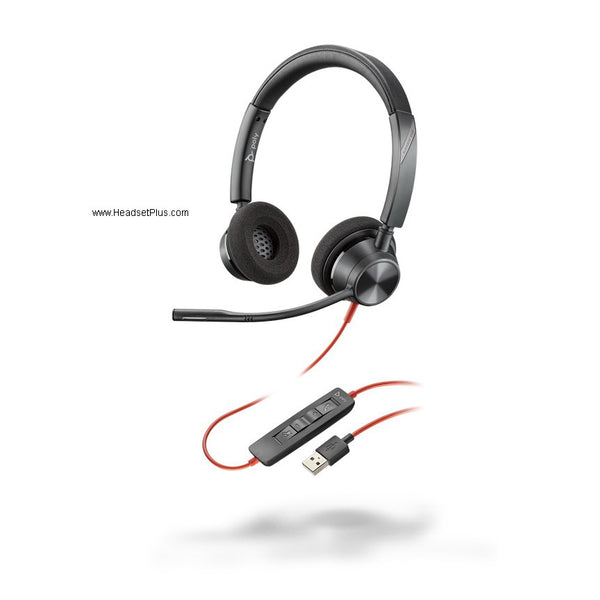
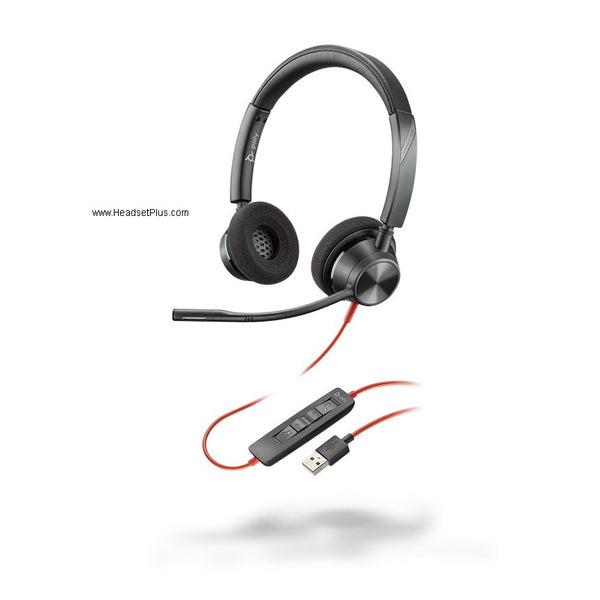
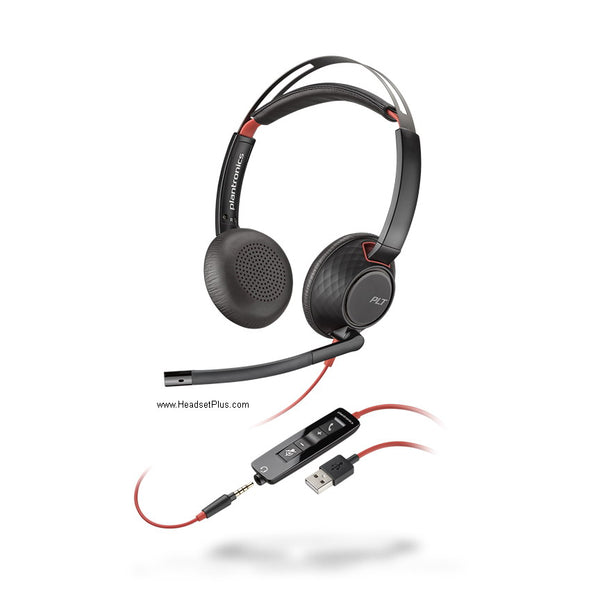
Also worth considering: the Jabra Engage 50 II (the current version of the Engage 50) brings a contact-center-grade 3-mic system and an optional Link control unit, ideal for call floors; and the Poly Blackwire 5220 is a budget dual-connector option with USB-C, USB-A, and a 3.5mm jack in one headset for maximum device flexibility.
Best wireless USB-C headsets
Wireless USB-C headsets pair to your phone over Bluetooth and connect to your computer through a bundled USB-C dongle — the best of both, if you want to move around on calls.
Jabra Evolve2 65 (battery pick). The Evolve2 65 leads on endurance — up to 37 hours per charge, with fast charging that adds about 90 minutes of talk from 15 minutes on the cable. Memory-foam cushions, a noise-cancelling boom with flip-to-mute, dual-sided busylights, and multi-device connectivity via its USB-C dongle make it the wireless workhorse. Its USB-C variant comes with an optional charging stand.
Poly Voyager Focus 2 (ANC pick). The Voyager Focus 2 adds hybrid active noise cancellation with adjustable levels, an Acoustic Fence boom, and smart sensors that answer a call when you put the headset on. It's the wireless choice when you want to dial out the room, and how ANC differs from a noise-cancelling mic is worth understanding — we cover it in noise-cancelling mic vs active noise cancellation.
On a budget: the Poly Voyager 4310 is a single-ear wireless USB-C headset that keeps a proper boom mic and a desk stand at a lower price, for people who want wireless without the full over-ear build.
Corded or wireless — and what about my old USB-A headset?
Choose corded USB-C for the lowest cost and no battery to manage, or wireless USB-C if you take calls on the move and want your phone in the mix. Either way, you're buying into a connection that will outlast the devices you own now.
If you already own a good USB-A headset and just bought a USB-C laptop or phone, you don't necessarily need to replace it — a USB-A-to-USB-C adapter lets most wired and wireless USB-A headsets work on USB-C devices. It's a cheap way to bridge the gap. Browse the full range of current USB headsets, USB-A and USB-C, on the USB headsets collection.
What is the best USB-C headset?
For a corded USB-C headset, the Jabra Evolve2 40 is the best value and the Poly Blackwire 8225 is the top pick for noisy environments thanks to its active noise cancellation. For wireless USB-C, the Jabra Evolve2 65 leads on battery life and the Poly Voyager Focus 2 on adjustable noise cancellation. The right one depends on whether you need corded simplicity or wireless freedom.
Are USB-C headsets better than 3.5mm headsets?
Generally yes, for consistency and features. USB-C carries digital audio, so the headset processes the sound itself and delivers the same quality on any device, while the analog 3.5mm jack depends on each device's built-in converter. USB-C also enables active noise cancellation, busylights, and on-headset call controls that an analog connection can't support.
Will a USB-C headset work with my iPhone?
Yes, if you have an iPhone 15 or newer, since those use USB-C. A USB-C headset plugs straight in and works for calls and audio. Older iPhones with a Lightning port would need an adapter. USB-C headsets also work with USB-C Android phones, tablets, and laptops.
Can I use my old USB-A headset on a USB-C laptop?
Yes. A USB-A-to-USB-C adapter lets most wired and wireless USB-A headsets connect to a USB-C laptop, tablet, or phone, so you don't have to replace a headset you already like. This works for both corded USB-A headsets and wireless models that use a USB-A dongle. It's an inexpensive way to move to newer devices.
Do USB-C headsets need software or drivers?
No drivers are required — a USB-C headset works as soon as you plug it in. Optional software adds control: the HP Poly Studio App for Poly headsets, or Jabra Direct for Jabra, lets you update firmware and adjust settings like sidetone and busylight behavior. The headset's core calling and audio work without installing anything.
USB-C headsets are the safe long-term buy now that every device is converging on the connector. Decide corded or wireless, pick for your noise level, and you're set for whatever laptop or phone you own next. Compare the current range on the USB headsets collection, or call our specialists at 877-999-3838 to match one to your devices.


Comments (0)