


























Why do headphones hurt my ears?
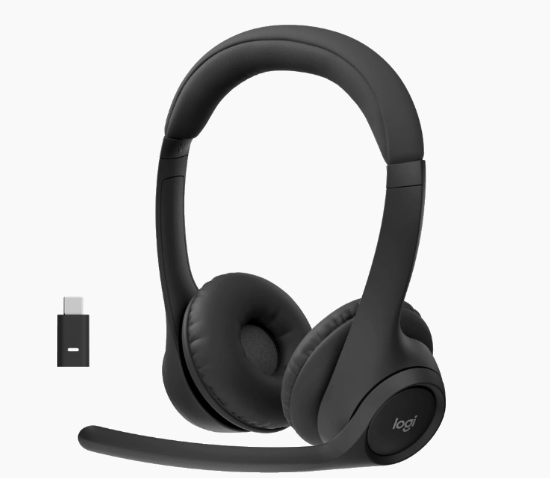
Headphones usually hurt because they press too hard: the headband squeezes the sides of your head, the ear cups pinch your ears, or your glasses get pushed into your skin. Loosen the fit, change to softer or larger cushions, and take short breaks.
If your ears ache from the sound rather than the pressure, the fix is volume, not fit.
This comes up most for people on calls all day from home, where a headset stays on for hours instead of a single meeting. If you are shopping, the headsets we suggest for long days of calls at home lean toward lighter, adjustable designs for exactly this reason. If you already own one, work through the steps below first.
Pressure headaches from headphones are a known thing
Doctors have a name for a headache caused by something pressing on your head: external-compression headache. A published medical review of the condition lists in-ear and over-ear headphones among its common triggers, alongside tight hats, helmets and goggles, and says taking regular breaks or loosening the device reduces how often it happens. The International Classification of Headache Disorders describes it as easing within an hour once the pressure is gone, which is a useful test: if the ache fades soon after you take the headset off, the fit is the problem.
How to make headphones more comfortable
Start with the cheapest changes and stop when the ache does.
Loosen the headband
Extend the headband so the ear cups sit on your ears without the band pulling them inward. Many headsets are left at their tightest setting from the box.Move the pressure off your ears
On-ear cups press on the ear itself, over-ear cups rest around it. If the ear cartilage is what hurts, an over-ear design or larger cushions usually helps.Change the cushions
Worn, flattened cushions put the hard plastic closer to your head. Most work headsets take replacement ear cushions, and a softer, thicker cushion spreads the pressure over a wider area.Make room for glasses
Glasses arms trapped under the cushion press into the side of your head. Thin, flat arms help, and so does sitting the cushion so it rests over the arm rather than pinning it at an angle.Try one ear or no ear
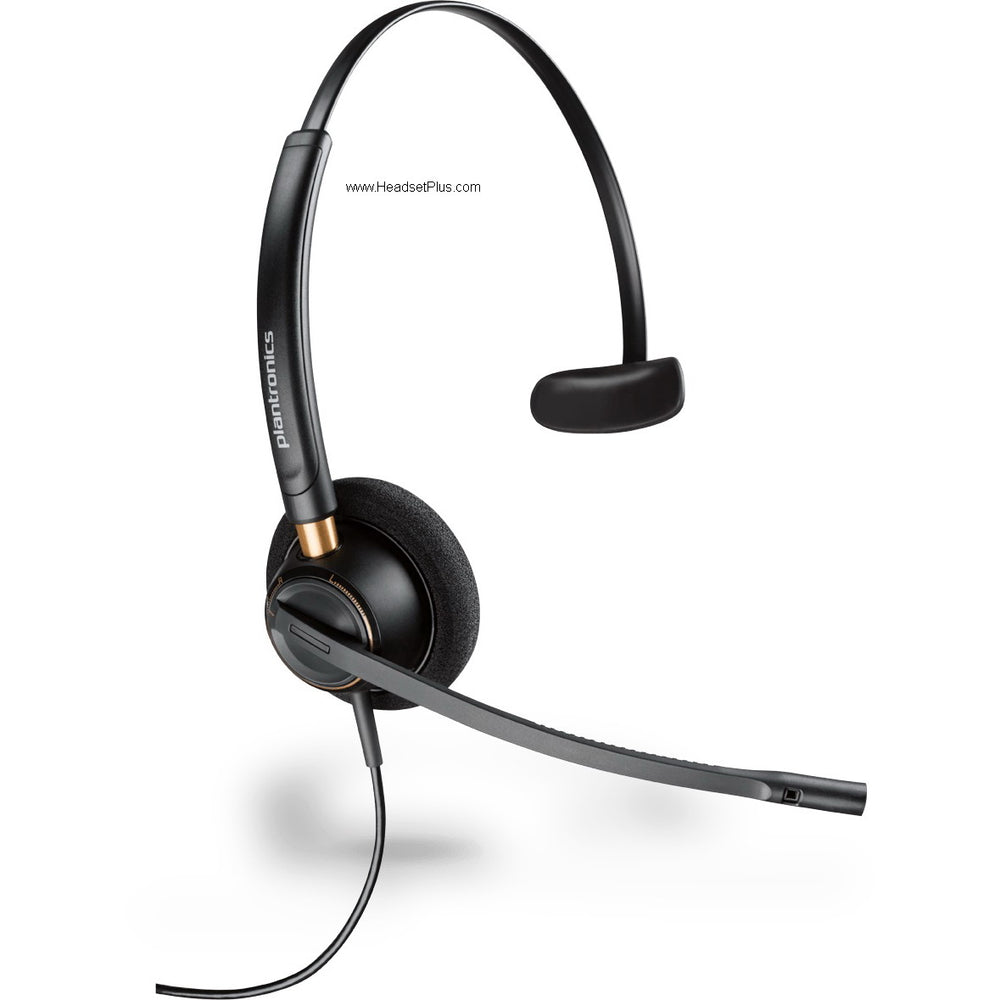
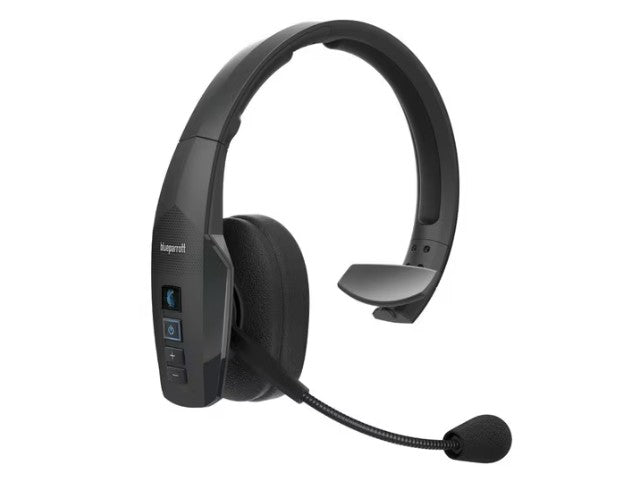
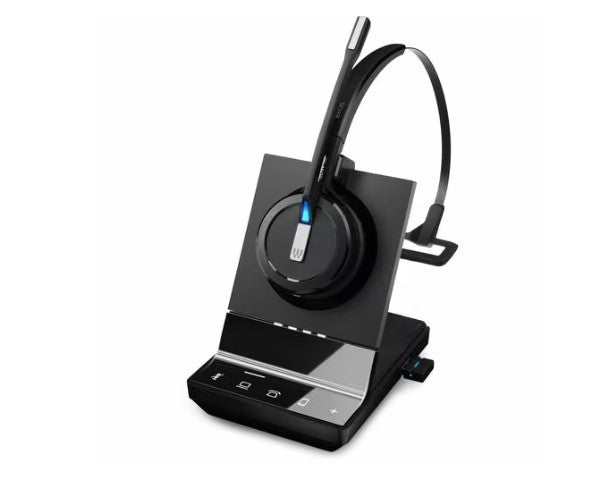
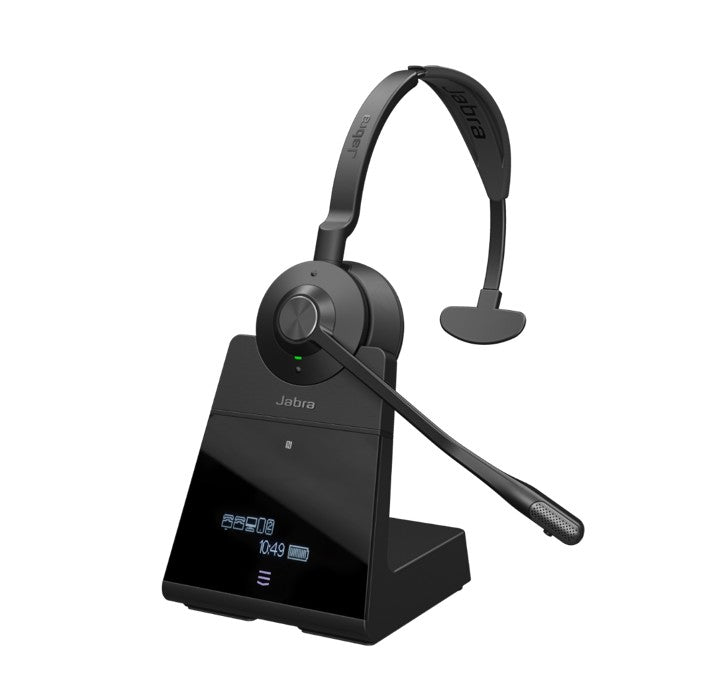
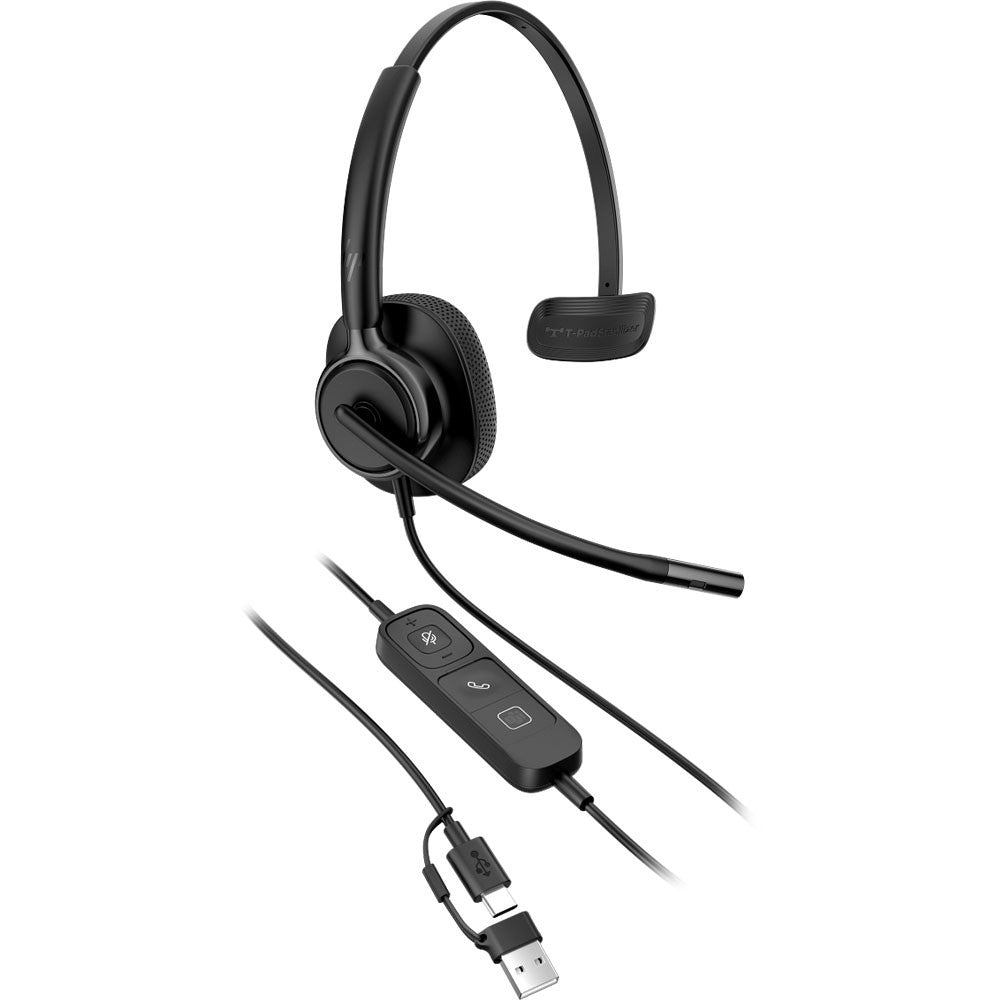
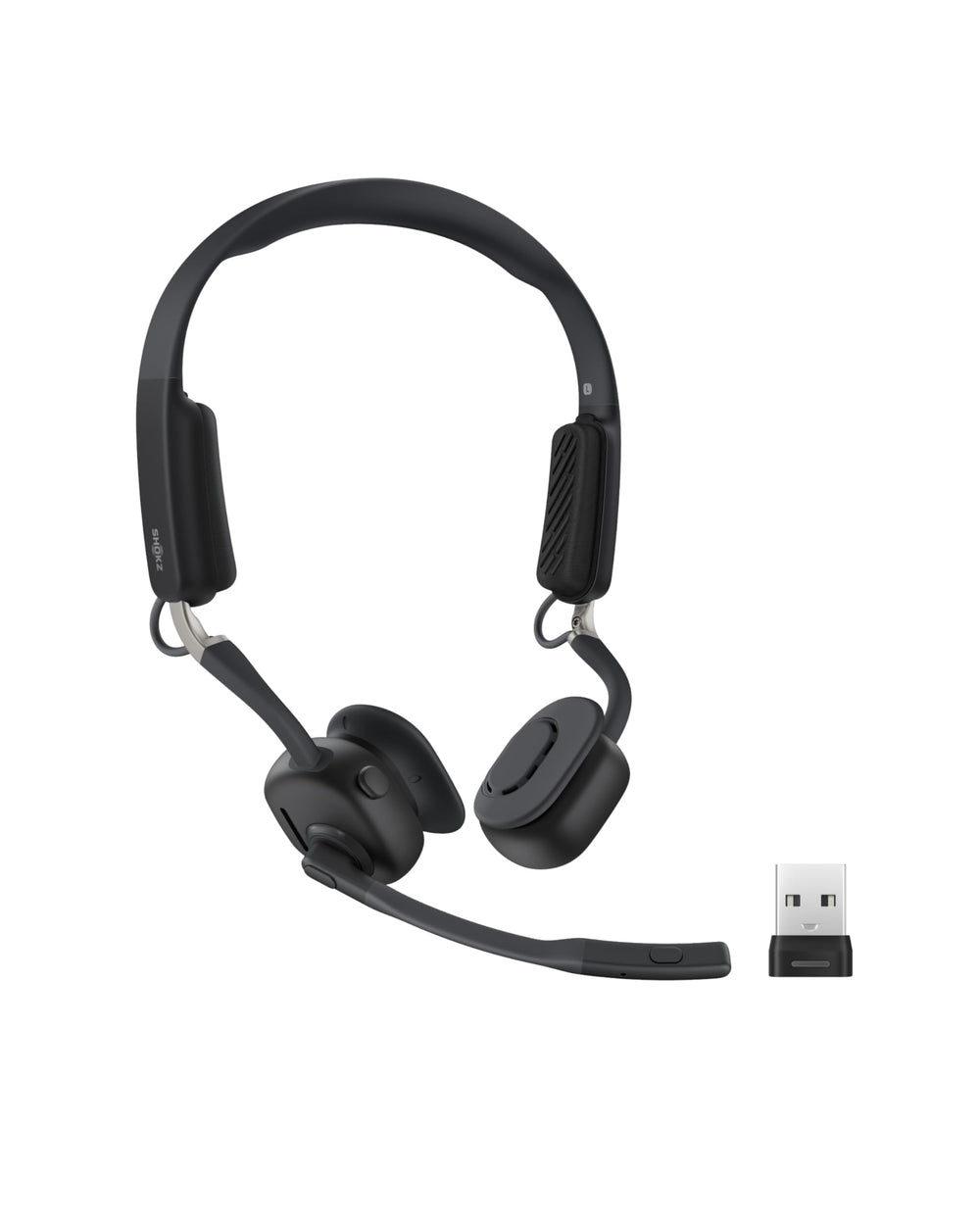
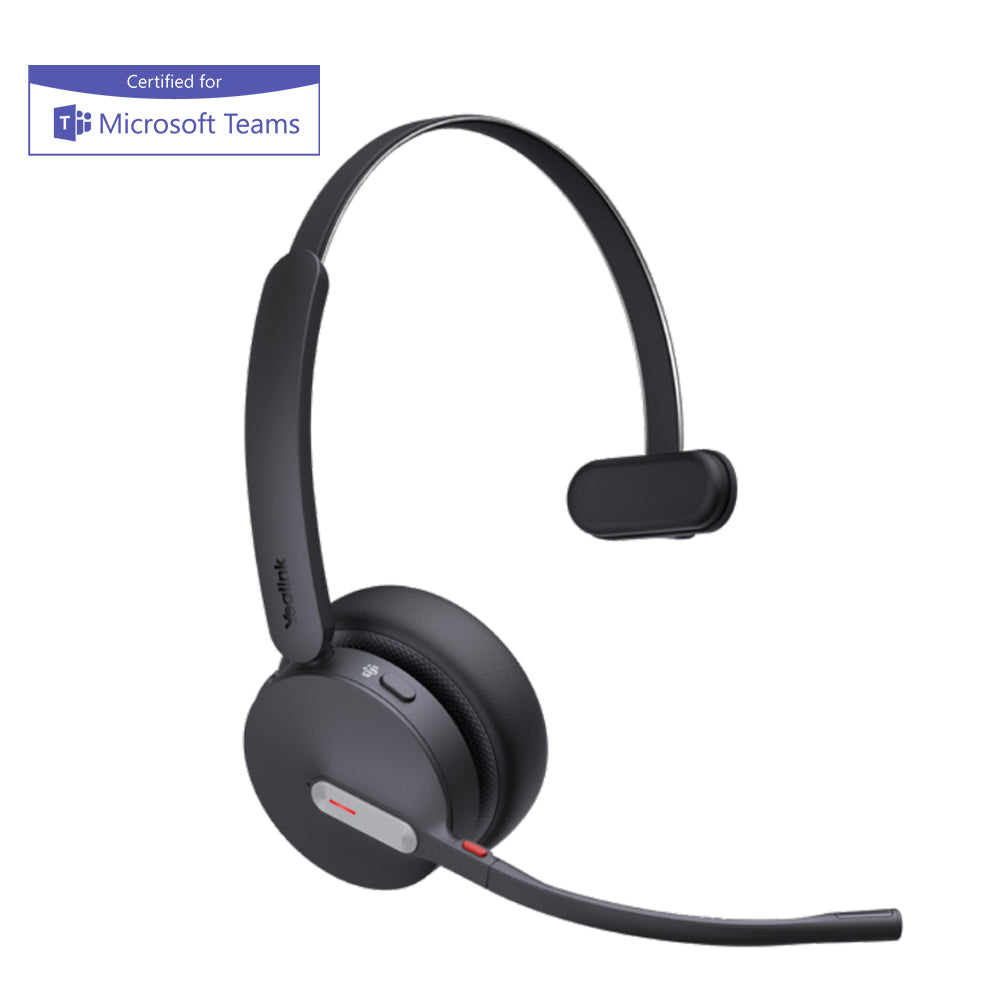
A mono headset leaves one ear free and puts less pressure on your head overall; one ear or two is worth weighing if you wear a headset all day. Bone conduction headsets like the Shokz OpenComm2 UC rest in front of the ears and leave both open.Take the headset off between calls
Short breaks let the pressure points recover, and they are the one fix that works on every headset.
When it is the volume, not the fit
If your ears feel sore, ring or feel full after a day of calls, the volume is the more likely cause. The World Health Organization puts safe listening at 80 dB for up to 40 hours a week and suggests keeping device volume at no more than 60 percent of maximum. A headset that seals out room noise lets you keep the volume lower, because you are not turning it up to hear over the house.
Once the headset is comfortable, the next thing people notice is how they sound; why a mic sounds quiet on calls and what a boom mic does cover that side.
Is it normal for a new headset to hurt at first?
A new headset often clamps harder than one that has been worn for a while, and the cushions are firmer. Loosening the headband and wearing the new headset in shorter sessions for the first few days usually helps. If it still hurts after that, the size or shape is wrong for your head.