
























Noise cancelling vs noise isolating
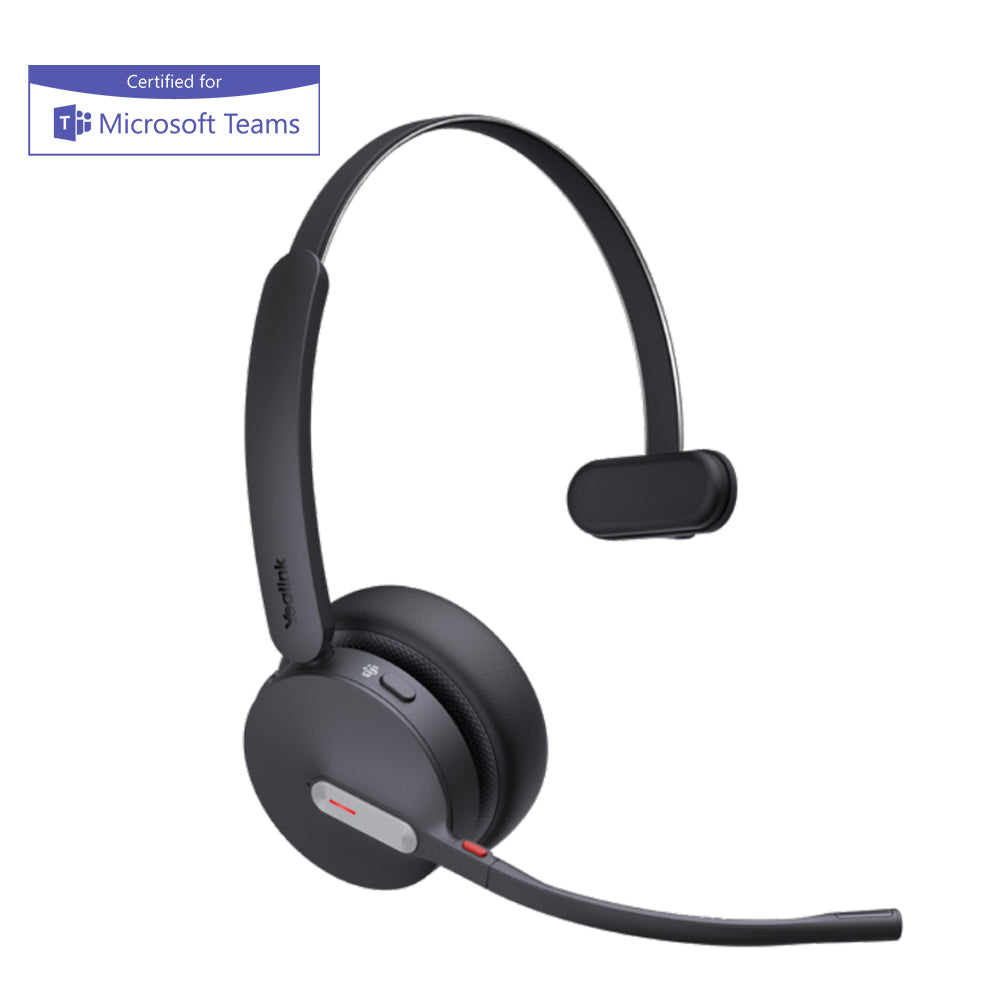
Noise isolating headphones block sound physically, with cushions or ear tips that seal out the room. Noise cancelling headphones use microphones and electronics to create an opposite sound wave that cancels noise before you hear it. Isolation works best on higher sounds like voices; cancelling works best on steady low hums like fans and engines.
Most good noise-cancelling headsets do both.
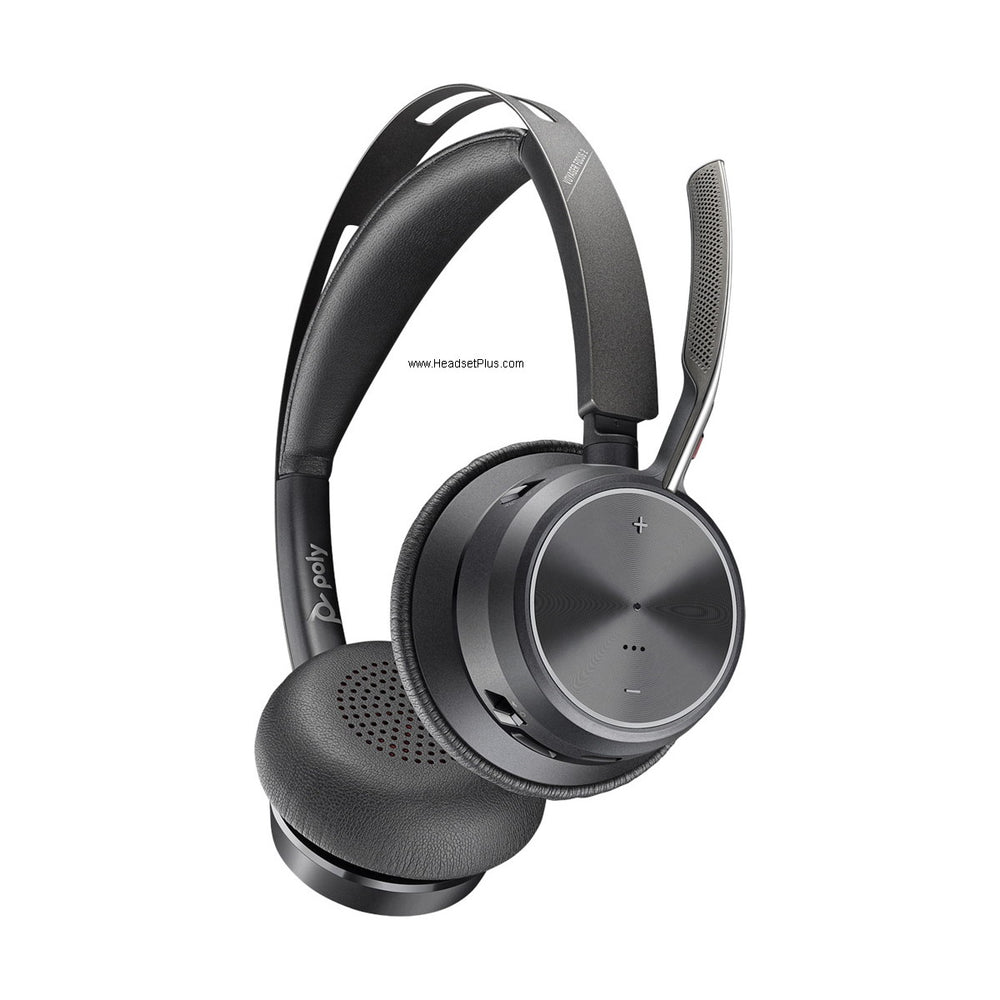
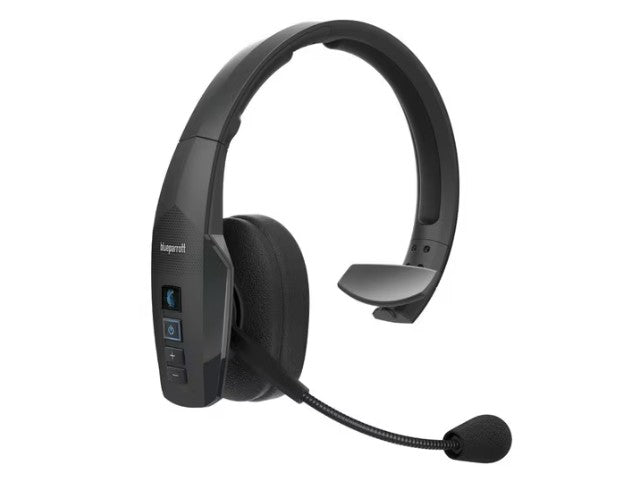
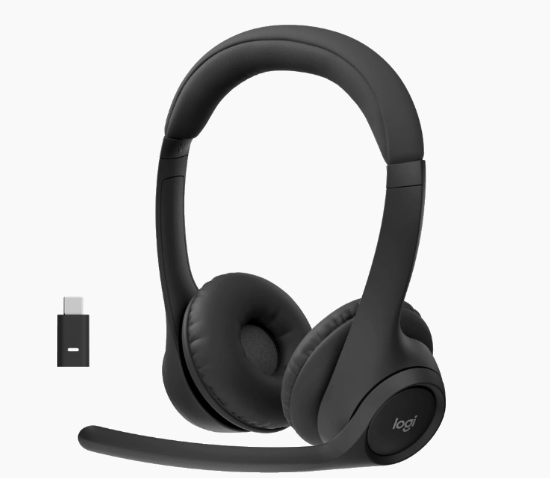
If your goal is quieter calls in a busy office or at home, the headsets with active noise cancelling combine the two. The rest of this explains which part does what.
How each one works
Noise isolation is a barrier. Thick ear cushions or a snug ear tip stop sound from reaching your ear, and they need no power. Logitech puts passive isolation at roughly 15 to 30 dB of reduction in the mid and high frequencies.
Noise cancelling is active. Small microphones on the ear cups listen to the room, and the headset plays an inverted version of that sound so the two cancel out. It needs battery power, and it works best on constant noise rather than sudden sounds.
Which noises each one handles
| Noise | Noise isolating | Noise cancelling | Both together |
|---|---|---|---|
| Fans, air conditioning, engine hum | Some | Strong | Strong |
| Nearby voices, keyboards | Good | Weaker | Good |
| Sudden sounds, like a door | Some | Weak | Some |
| Needs a battery | No | Yes | Yes |
The split comes from physics: high-frequency sound has short wavelengths that are hard to cancel electronically, so headsets rely on the seal for those and on the electronics for the low drone.
What neither one does for your callers
Both features change what you hear, not what the person on the other end hears. Keeping room noise off your calls is the microphone's job, which is a separate feature covered in noise-cancelling mic vs active noise cancellation.