


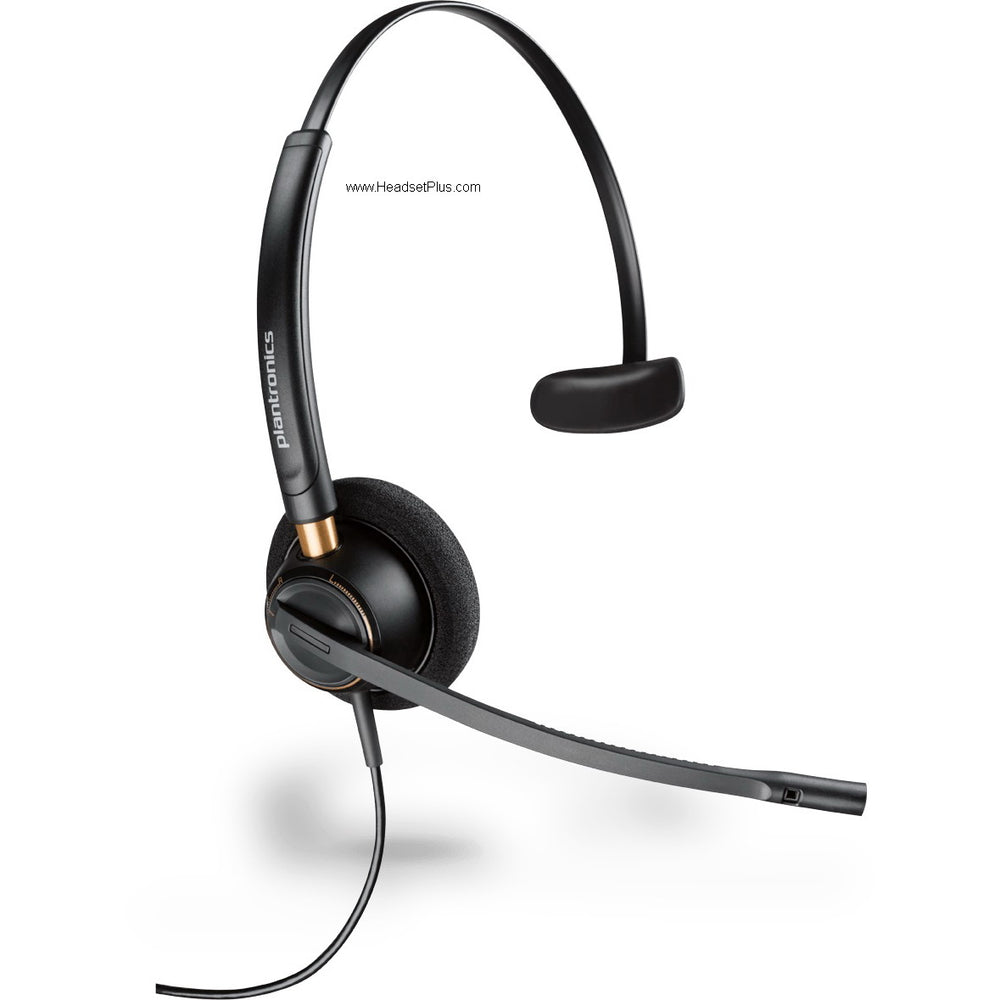


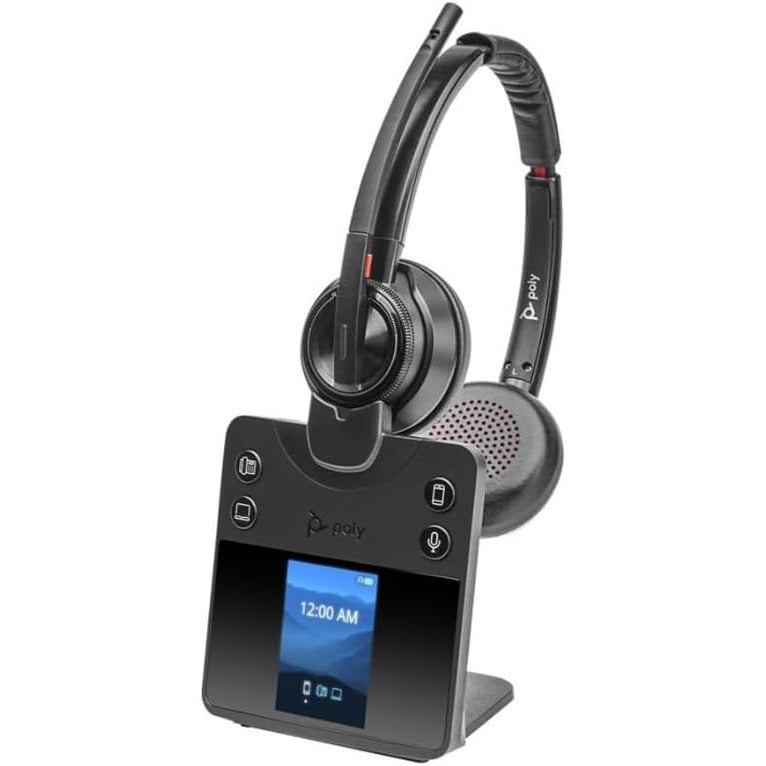








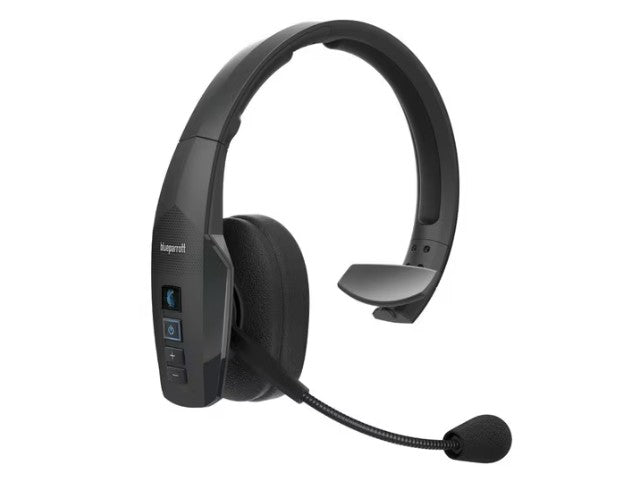










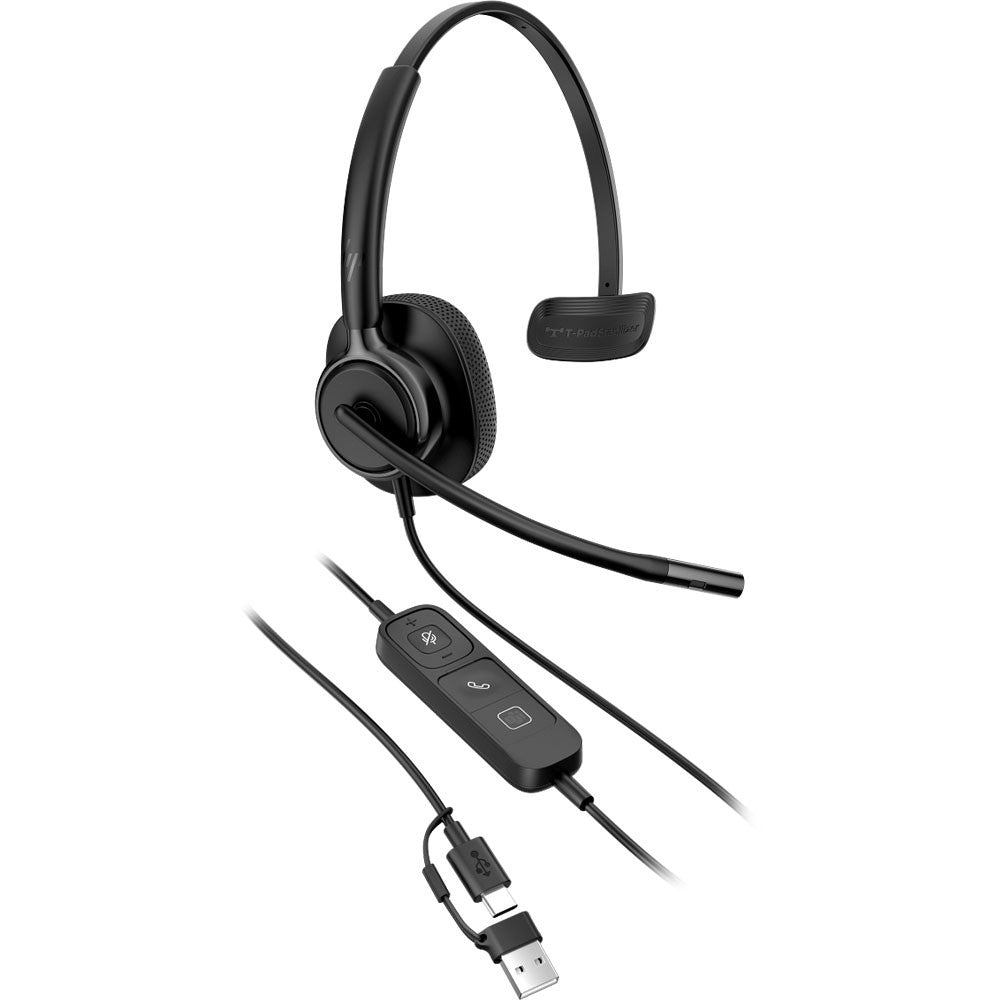

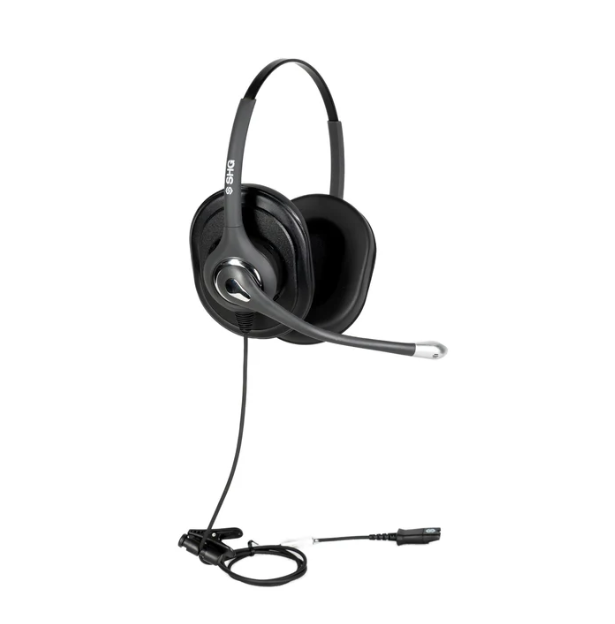

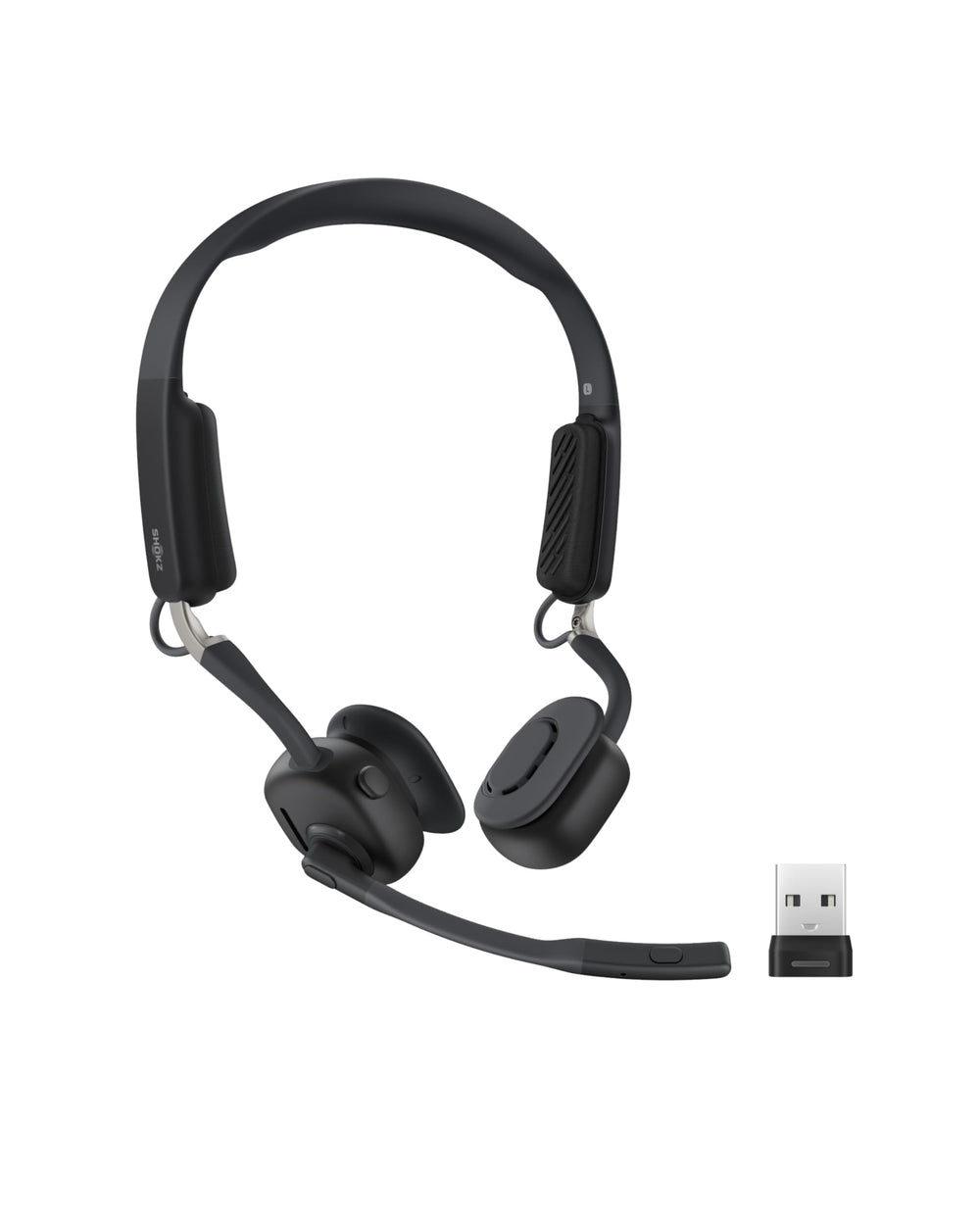

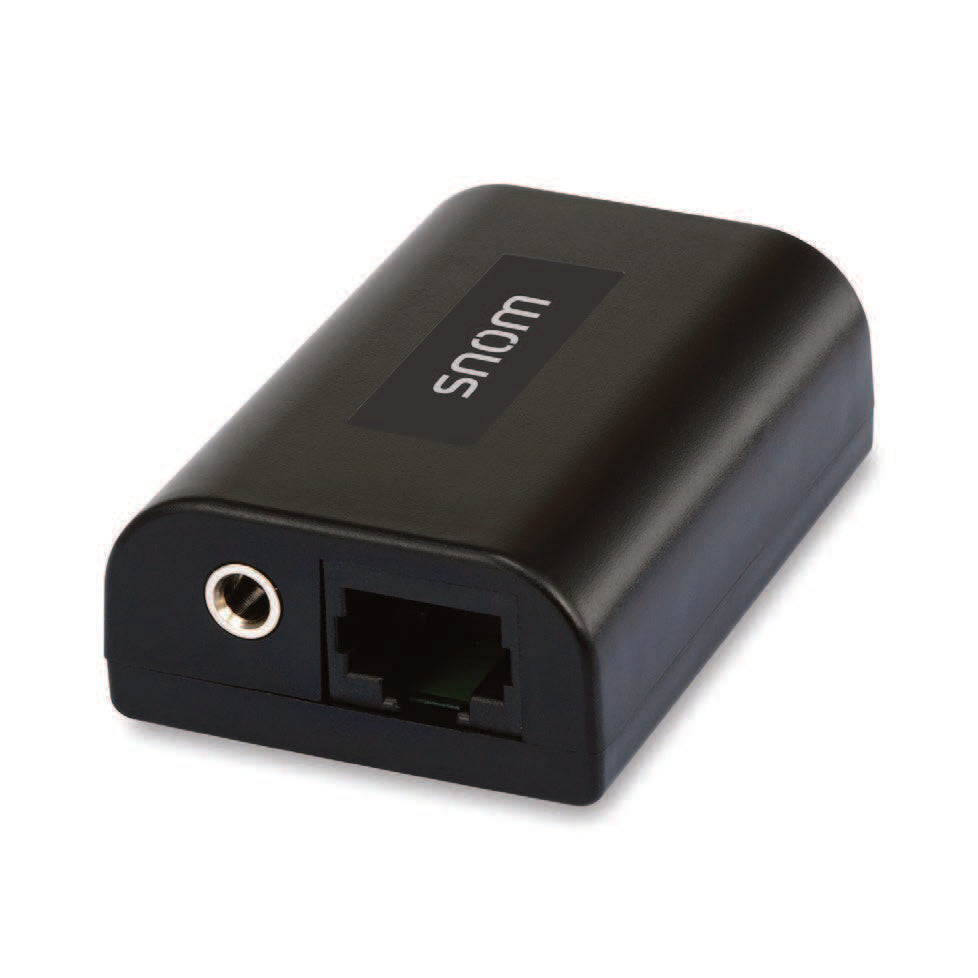



Professional headsets from Plantronics/Poly and Jabra have always shipped as two separate pieces: the headset itself, and a "bottom cable" that connects it to your specific phone. It's a design choice that confuses first-time buyers — why not just make one complete unit? Here are the seven real reasons the industry has built headsets this way for decades.
Key takeaways
- Quick Disconnect (QD) lets you unplug from the phone and walk away without removing the headset.
- Splitting the cable from the headset let older phones use a separate amplifier without doubling the whole unit's cost.
- Every phone brand wires its headset port differently — there is no universal headset connector.
- Changing phone systems only requires a new cable, not an entirely new headset.
- The two-part design also enables training cables, computer/mobile adapters, and simpler manufacturer inventory.
Reason 1: Quick Disconnect (QD) lets you walk away
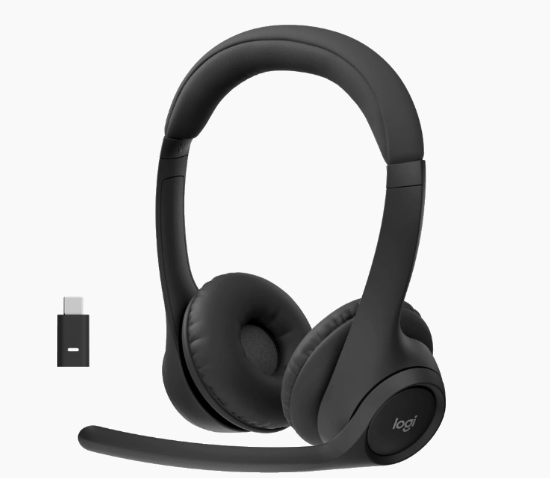
Early office headsets were awkward to put on and take off — adjusting the ear fit and securing the clothing clip took real time. By putting a quick-disconnect connector in the middle of the cord, you could unplug from the phone instantly and walk away — to get water, grab a fax, step away for a moment — without removing the headset at all, then reconnect the instant you sat back down. That single design choice measurably improved office productivity, and it's why every corded professional headset still uses a QD connector today.
Reason 2: splitting the cost of the amplifier
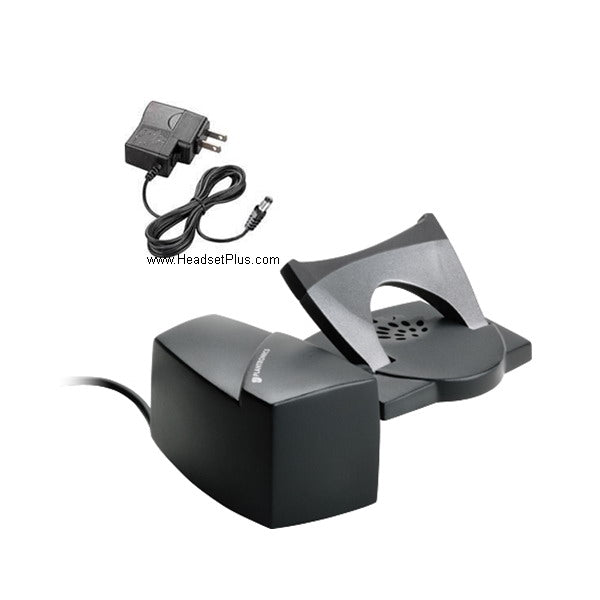
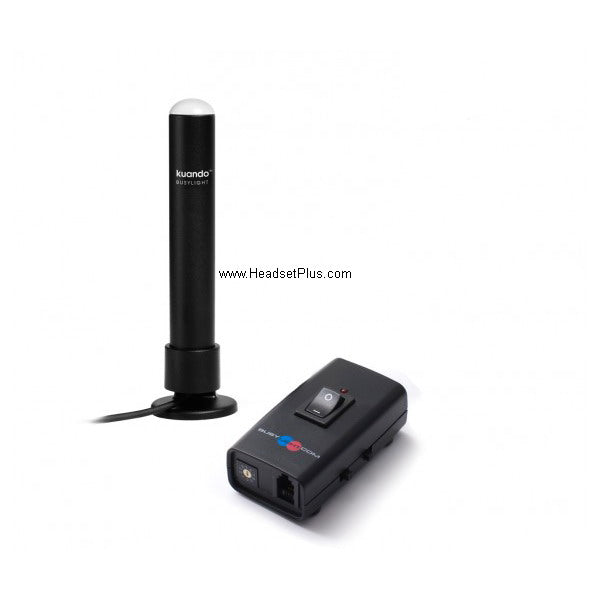
Older phones needed an external amplifier just to power a headset properly, and amplifiers like the Plantronics M22 (now discontinued, replaced by the Poly MDA524) often cost nearly as much as the headset itself. Splitting the headset from the cable and amplifier meant that when one half eventually wore out, you only had to replace that half — not the whole system.
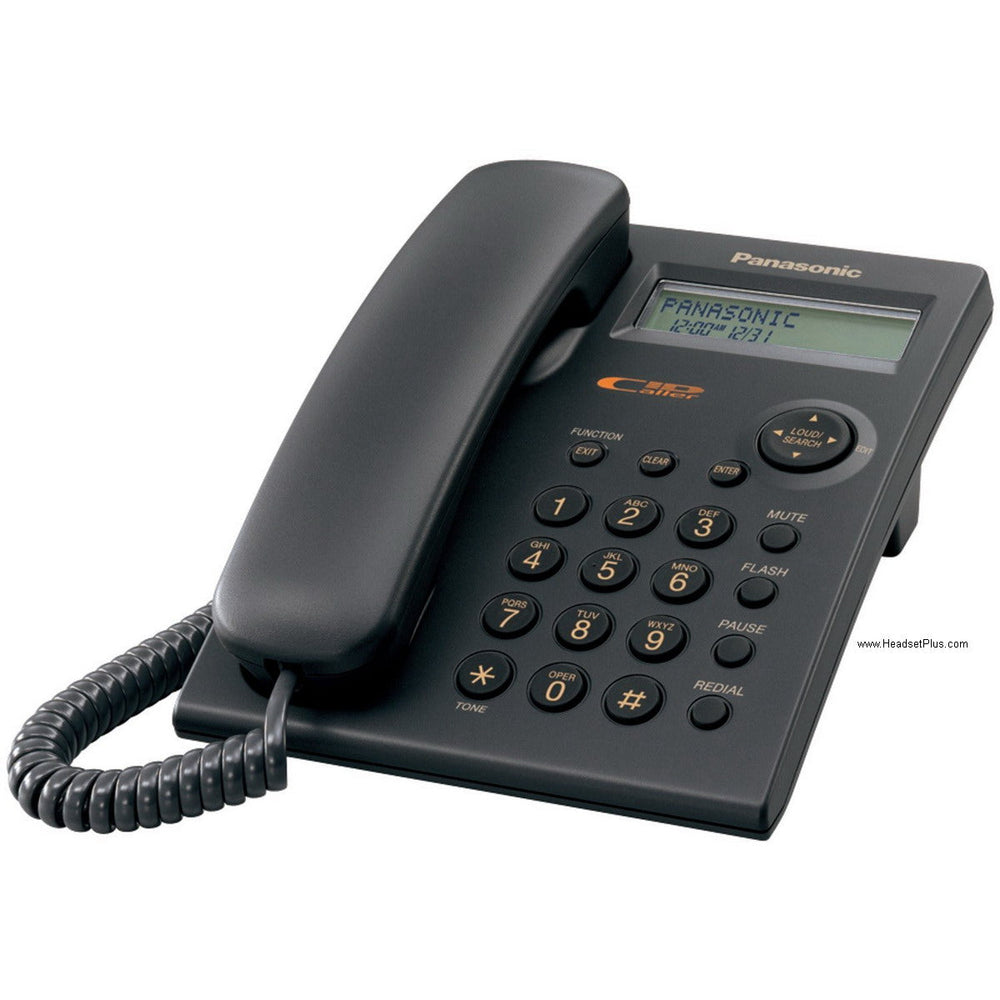
Reason 3: every phone wires its headset port differently
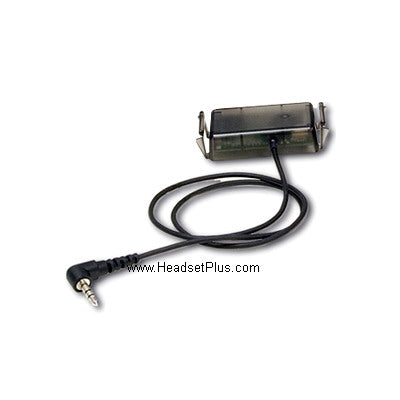
Modern phones with a built-in headset port eliminate the need for an external amplifier, but introduce a different problem: there's no universal headset connector. Even the most common design — a four-wire RJ9 jack, the same size as a standard handset cord — is wired differently by different manufacturers. Two visually identical cables can be completely incompatible; Avaya alone has two RJ9 cables that look the same but are wired differently. Plantronics makes seven different RJ9-to-QD cables just for its H-Series headsets, and over twenty bottom cables across its full corded line. Our guide to identifying Plantronics QD headset cables helps you tell them apart.
Myth
If two headset cables look the same, they're interchangeable.Reality
Looks are not a reliable guide. The most common cable design — a four-wire RJ9 jack — is wired differently by different phone manufacturers, and even within one brand, two visually identical cables can carry different wiring. Avaya, for instance, has two nearly identical-looking cables that aren't interchangeable. Always match the cable to your exact phone model, not just the connector shape.Reason 4: changing phone systems only costs you a cable
When your office switches phone systems — not an everyday event, but one that does happen — a two-part headset means you only need a new bottom cable, not entirely new headsets for everyone. The time saved versus waiting on a full headset replacement, and the cost saved versus buying new units for the whole office, often more than offsets the price of new cables.
Reason 5: flexibility for training, computer, and mobile use
A two-part system opens up configurations a single fused unit never could. You can add a Y-training cable with a second headset for onboarding new staff, or swap in a cable that connects the same headset to a computer (USB or dual 3.5mm) or a home/mobile phone (2.5mm or 3.5mm) — all without buying a different headset for each scenario.
Reason 6: two headsets, one USB connection
This flexibility genuinely enables something a fused USB headset can't do at all: a computer only recognizes one USB device at a time, so two separate USB headsets plugged in simultaneously won't both work. With a USB adapter and a Y-training cable, though, the computer sees a single USB device while two headsets are actually connected — letting a trainer and trainee share a live call on separate headsets, which is otherwise impossible on a standard USB setup.
Reason 7: it keeps manufacturer inventory manageable
From Plantronics' and Jabra's side, this design also avoids needing twenty-plus versions of every single headset model — one for each phone brand's wiring. By making one headset and pairing it with the right cable for your specific phone, manufacturers keep inventory manageable, which keeps costs down for everyone.
Why do Plantronics and Jabra headsets come with a separate cable?
The two-part design lets you quick-disconnect from the phone without removing the headset, accommodates the fact that every phone brand wires its headset port differently, and means a phone system change only requires a new cable rather than an entirely new headset.
Can I use the same headset cable on a different phone?
Only if the cable is designed for your specific phone model. Even visually identical connectors can be wired differently between phone brands and sometimes within the same brand, so always match the exact cable to your phone rather than assuming based on connector shape.
Why did older phones need a separate amplifier for a headset?
Many older phones didn't supply enough power through the handset port to properly drive a headset, so a separate amplifier boosted the signal. Splitting the amplifier from the headset meant only the worn-out half needed replacing over time, rather than the entire system.
Can I connect two USB headsets to one computer at the same time?
Not directly — a computer only recognizes one USB audio device at a time. However, a USB adapter combined with a Y-training cable lets two headsets share a single USB connection, which the computer sees as one device, enabling a trainer and trainee to both listen on separate headsets during the same call.
The two-part headset design isn't a limitation — it's what gives you the flexibility to change phone systems cheaply, add training setups, and connect the same headset to a computer or mobile device. Not sure which cable your phone needs? Call our team at 877-999-3838, or start with our QD cable identification guide.
Comments (0)