






















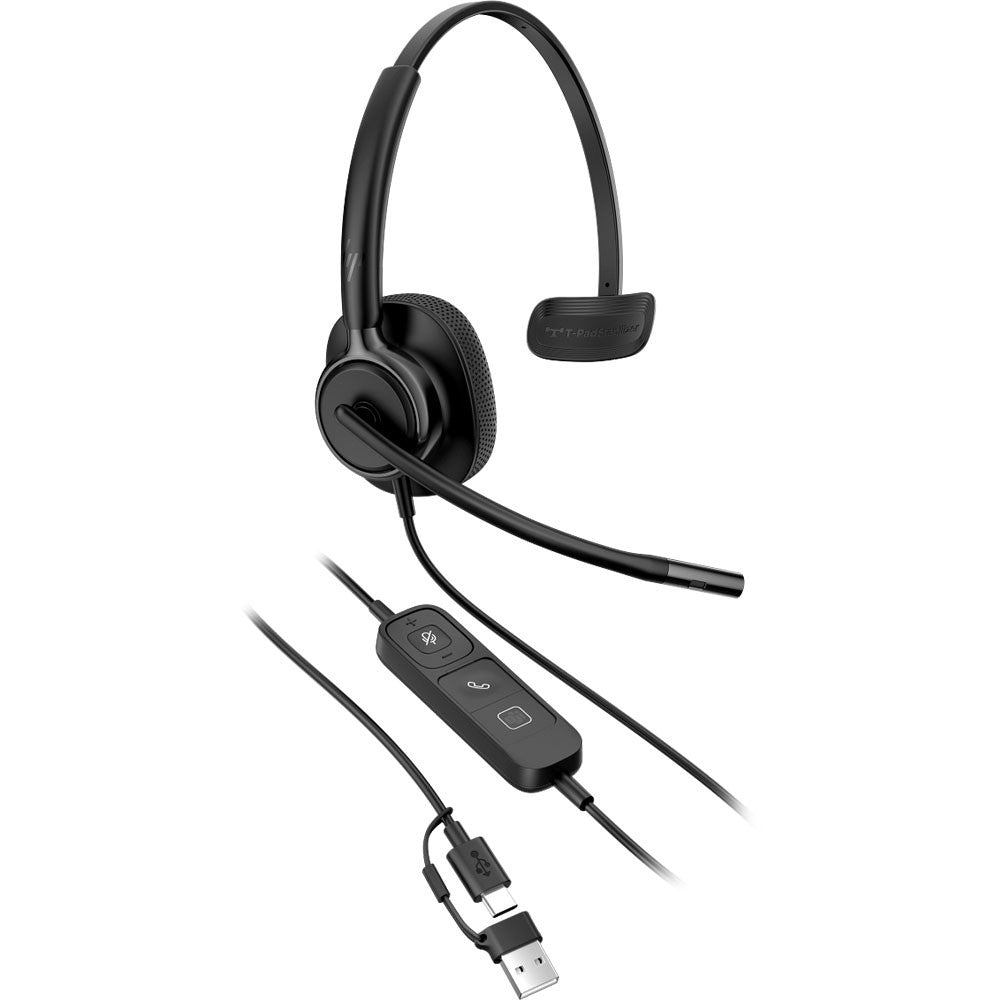

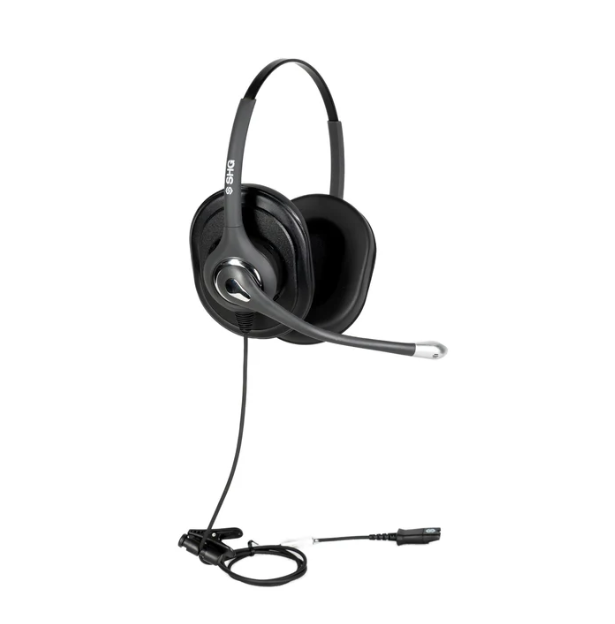


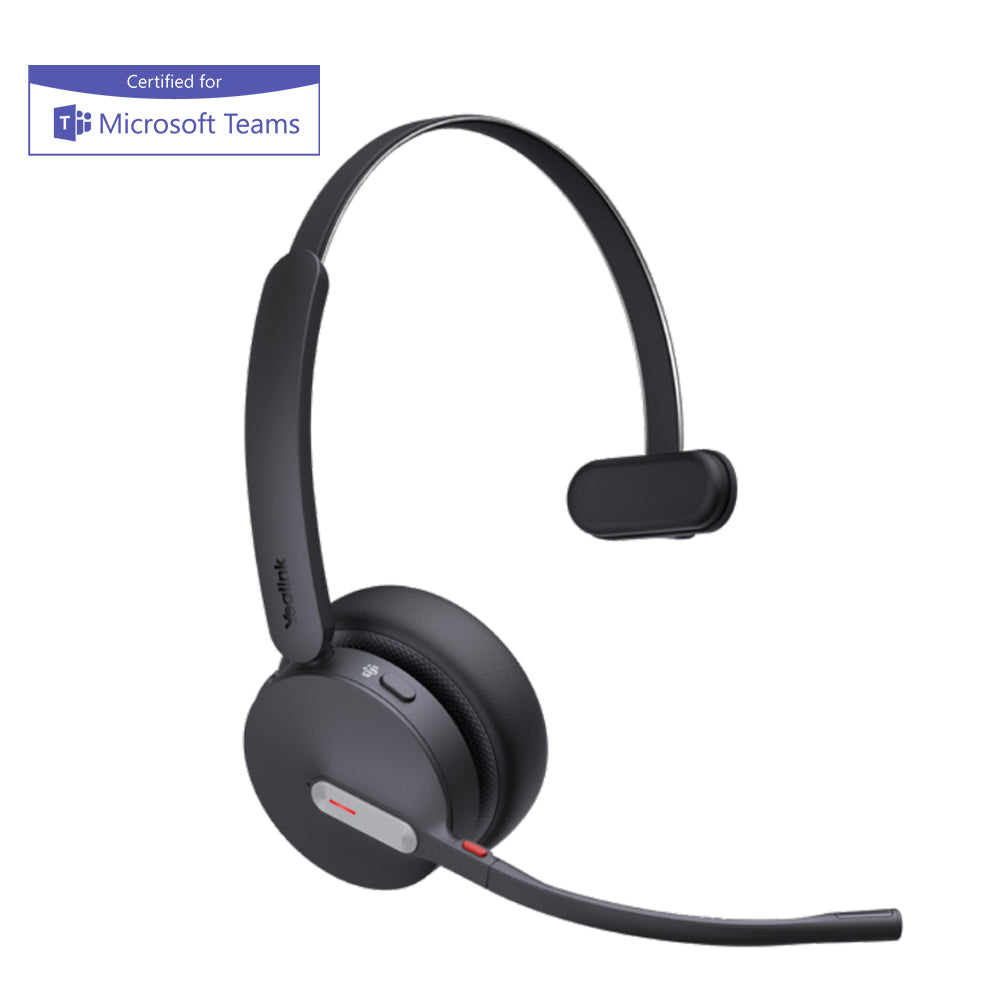


Headphones that block out background noise when you are talking rely mainly on the headset’s microphone system, not the noise cancellation you hear in the earcups. A boom microphone sits close to your mouth, while additional microphones and signal processing identify sounds arriving from farther away. The headset, computer or calling app then reduces those sounds before sending your voice to the other person. Active noise cancellation, or ANC, solves a different problem: it reduces what you hear. For a busy office or home, prioritize microphone placement and transmitted-voice performance first, then add ANC if the surrounding noise also distracts you.
What matters on a call
- Microphone noise cancellation changes what the other person hears.
- ANC changes what the headset wearer hears.
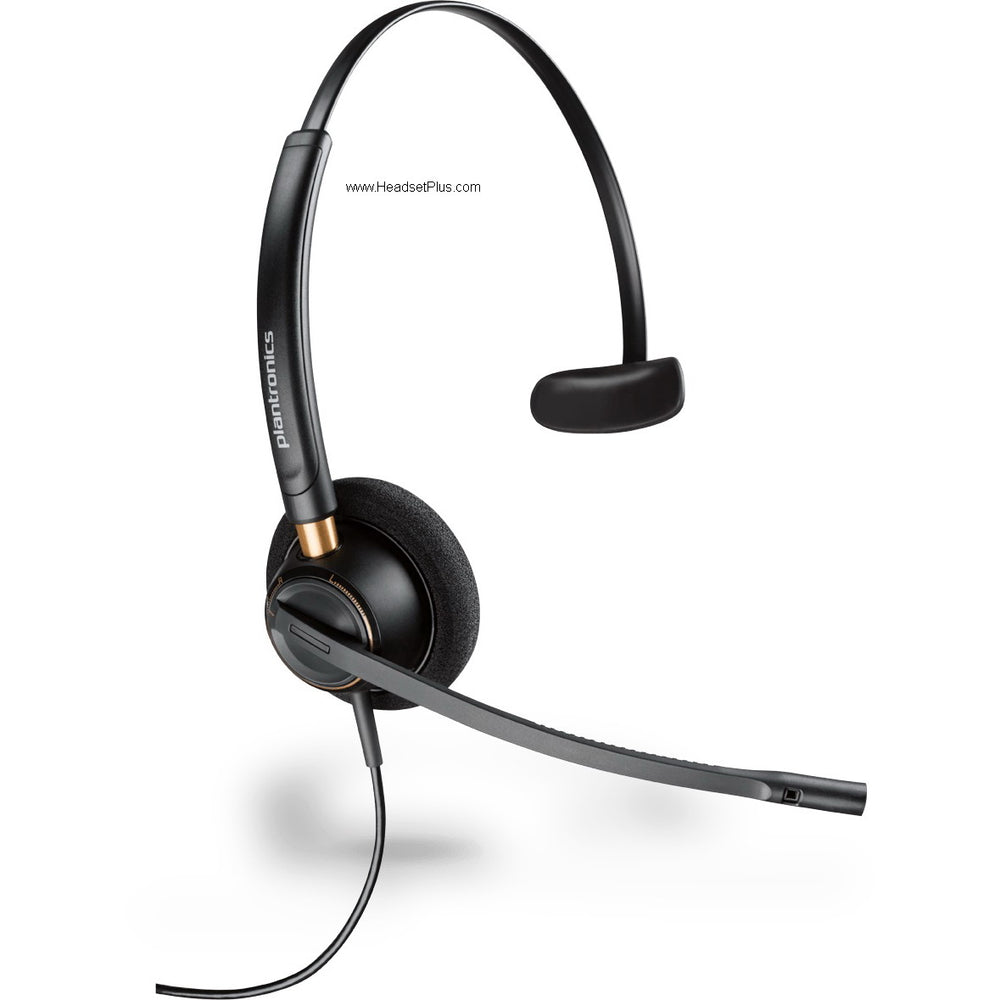
- A boom microphone near the mouth usually gives the processing a cleaner voice signal.
- The headset, operating system and meeting app may each apply noise suppression.
- Test a recording, not only the silence you hear inside the earcups.
“Noise cancelling” is one of the least precise phrases in headset shopping. Two headsets can use the same wording while solving opposite sides of the conversation. One may make an air conditioner quieter for the wearer. Another may keep the air conditioner out of the voice sent to the customer. Some do both.
Microphone noise cancellation: Microphone noise cancellation is the combination of microphone placement, directional pickup and signal processing used to reduce unwanted sound in the outgoing voice signal.
How do headset microphones block background noise?
The first advantage is distance. Your mouth may be one or two inches from a boom microphone, while a keyboard, fan or nearby conversation is several feet away. That difference gives the headset a stronger voice signal to work with.
The second advantage is direction. A microphone can be designed to favor sound from the side facing your mouth and reject part of the sound arriving from other directions. This is not a force field; a loud voice beside you can still enter the microphone. It simply improves the ratio between your speech and the room.
The third advantage is processing. A headset with multiple microphones can compare the sound arriving at different points. Consistent nearby speech and diffuse background sound have different patterns. The headset can reduce part of the background before audio reaches the computer. The calling application may then apply another layer of suppression.
Microphone noise cancellation vs. ANC
Active noise cancellation in the earcups uses microphones to measure surrounding sound and creates an opposing signal that reduces steady low-frequency noise for the wearer. It is especially noticeable with ventilation, engines and other continuous hums.
That does not automatically make your transmitted voice cleaner. A headset can have excellent ANC and an average microphone. It can also have no ANC while sending a very clean voice signal. When the business problem is “customers hear my coworkers,” evaluate the microphone recording. When the problem is “I cannot concentrate because I hear the office,” evaluate isolation and ANC.
The earcups and outgoing microphone are separate audio paths. Quiet earcups tell you what happened to the sound entering your ears. They do not prove what the microphone sent to the call.
Why a boom microphone often beats an earbud microphone
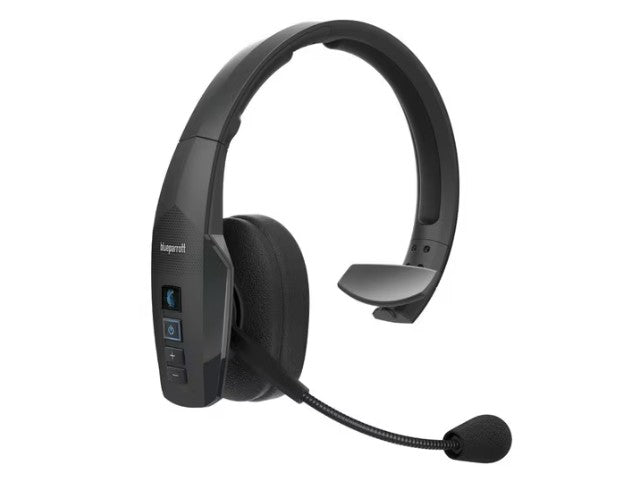
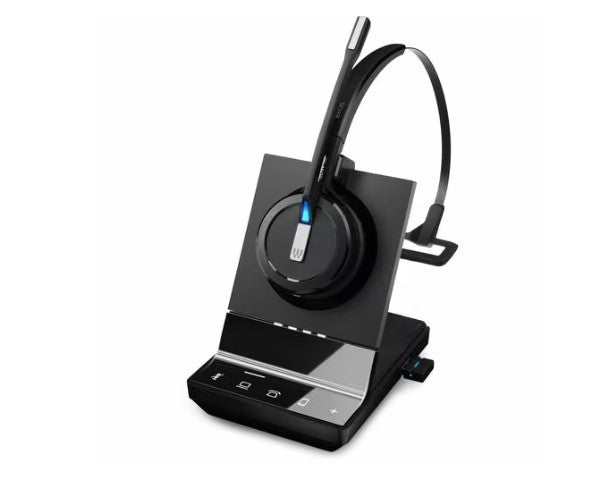
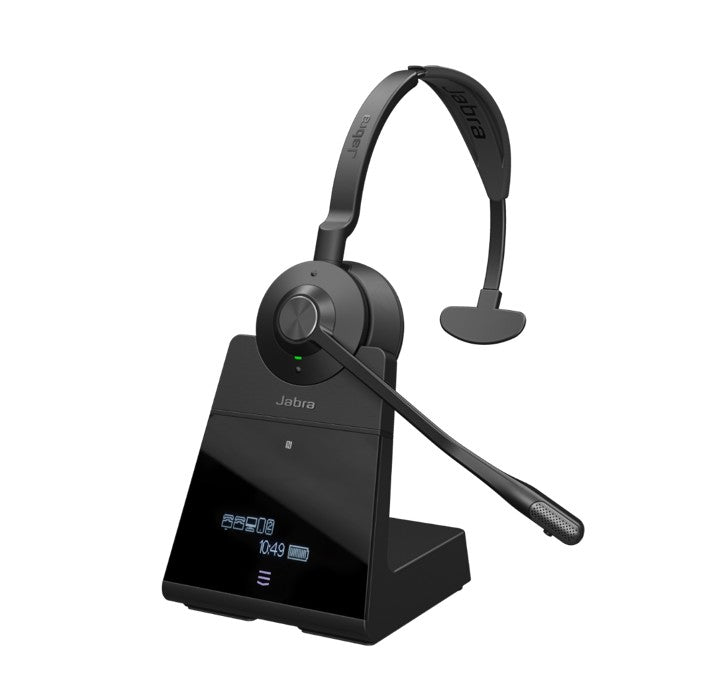
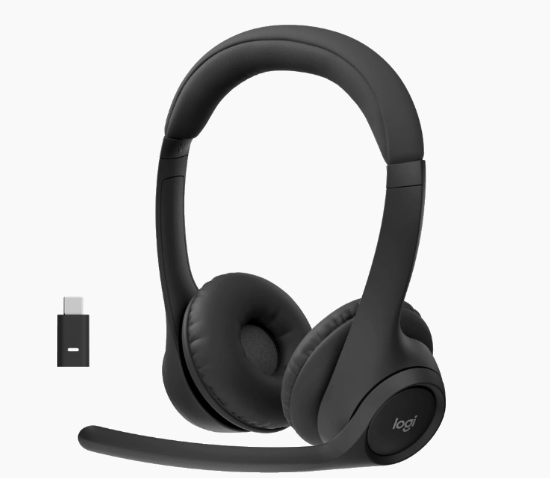
A boom places the microphone closer to your mouth and lets the manufacturer control its angle. An earbud microphone is farther away and must capture speech from the side of your face. Modern processing can narrow that gap, but difficult environments still expose the physics: the closer clean voice signal gives the system more information to preserve.
Fit matters too. A boom pointed at your cheek may reduce breath noise, while a boom positioned too far away makes your voice compete with the room. Follow the model’s placement guidance before judging its noise performance.
Which layer is removing the noise?
There can be three processors in the same call: the headset, the operating system or driver, and the calling platform. Strong suppression at every layer can make speech sound thin or clipped. If a voice sounds unnatural, compare recordings with one setting changed at a time.
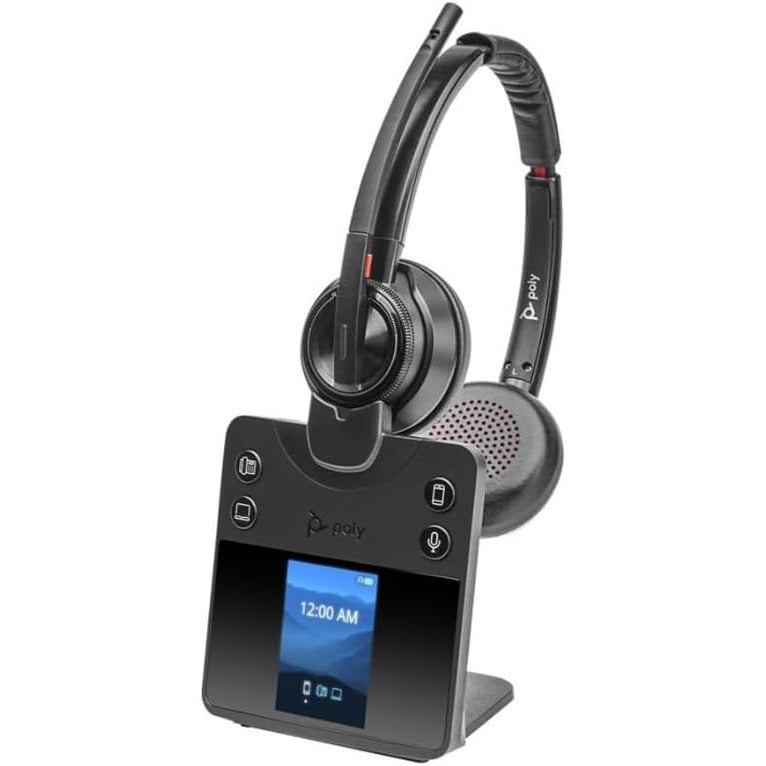
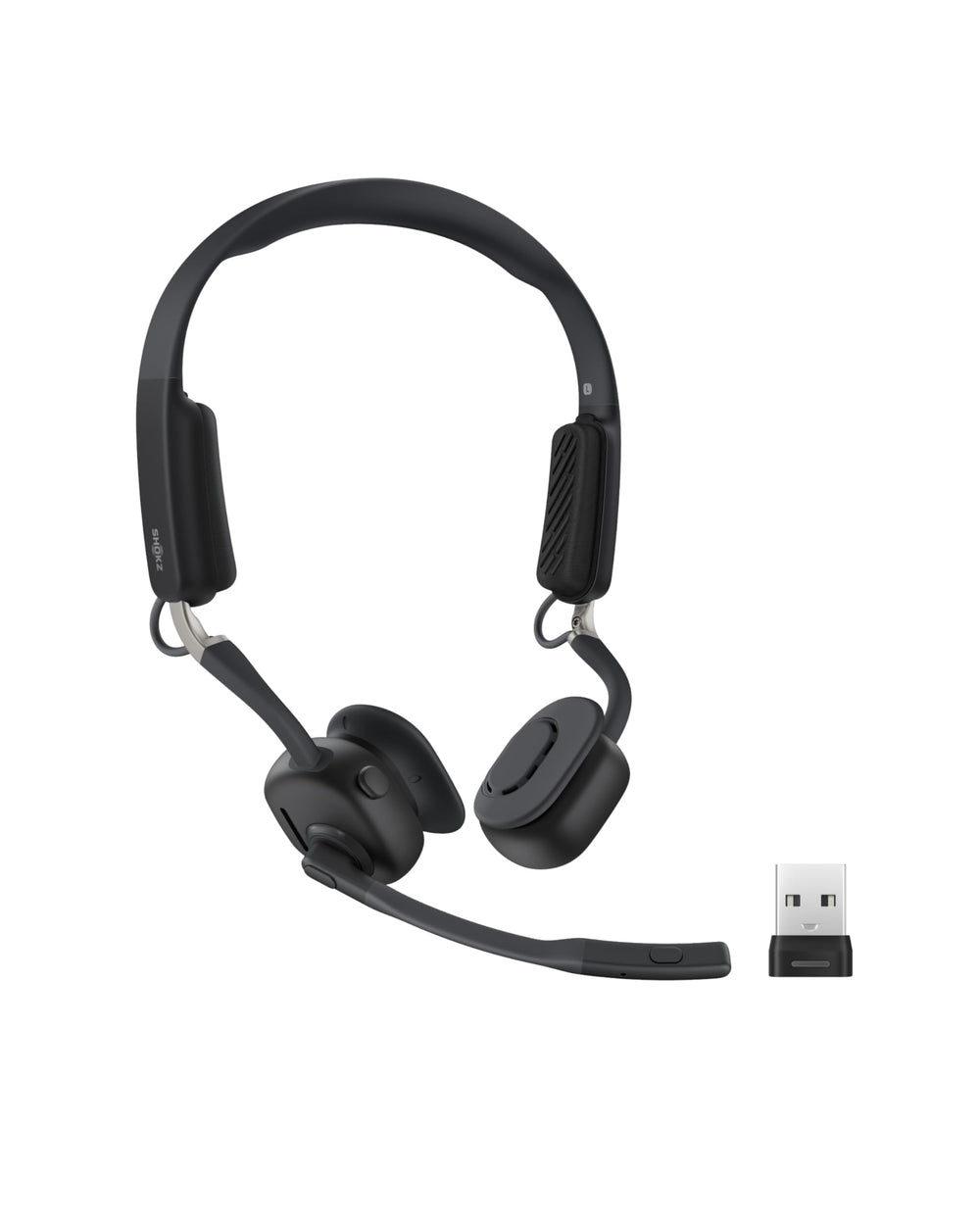
A wireless headset’s supplied USB adapter can also matter. The adapter gives the headset maker a controlled radio and software path. A direct Bluetooth connection may still carry audio, but it can use a different hands-free profile or expose fewer controls. Test the connection your employees will actually use.
How to test what callers actually hear
-
[step number="1" title="Create a repeatable noise source"]
Use the same fan setting, keyboard pattern or background speech at the same distance for every test.
[step number="2" title="Record a fixed sentence"]Use the operating system recorder or the calling app’s test-call feature. Speak at a normal volume and keep microphone placement consistent.
[step number="3" title="Listen to voice and noise separately"]Check whether words remain complete, whether consonants disappear and whether the noise changes only while you speak.
[step number="4" title="Change one variable"]Compare the supplied USB adapter with direct Bluetooth, or toggle the app’s suppression. Do not change the room, microphone position and software setting at the same time.
[step number="5" title="Repeat with a real interruption"]Steady fan noise is easier to suppress than a nearby human voice. Add a second speaker or a ringing phone before declaring the setup office-ready.
What to look for in a VoIP call headset
For regular calls, favor a stable connection, a microphone that stays in position and controls your calling platform recognizes. A model with strong outgoing-noise performance may be more valuable than the model with the strongest earcup ANC. If both sides of the problem matter, look for a headset that combines a well-positioned boom microphone with passive isolation or ANC.
See the VoIP headset collection after you know whether your priority is transmitted voice, wearer concentration, mobility or call control.
Frequently asked questions
Do noise-cancelling headphones block voices?
ANC is usually strongest against steady low-frequency sound. Passive isolation and microphone processing may reduce some voices, but nearby speech is variable and difficult to remove completely.
Can software remove all background noise from a call?
No. Suppression can reduce noise, but aggressive processing may also remove parts of speech. Microphone position and the acoustic environment still matter.
Why does my headset sound good in music but bad on a call?
Bluetooth calling may switch to a hands-free audio profile that supports the microphone and two-way speech. That mode can have different audio quality from the stereo music profile.
How can I tell whether ANC affects my microphone?
Make a recording with the room noise present. Compare the outgoing recording rather than judging only the noise reduction inside the earcups.



Comments (0)