



















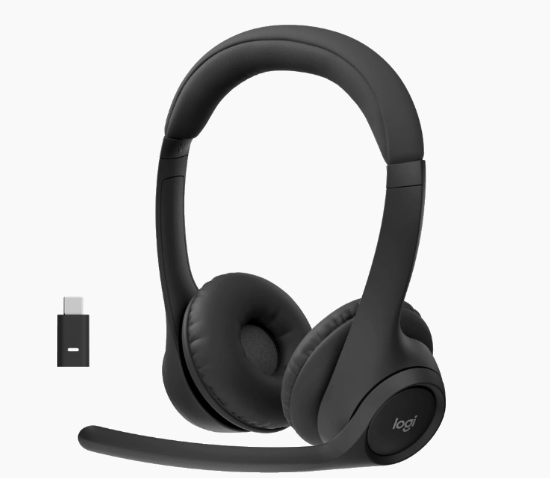


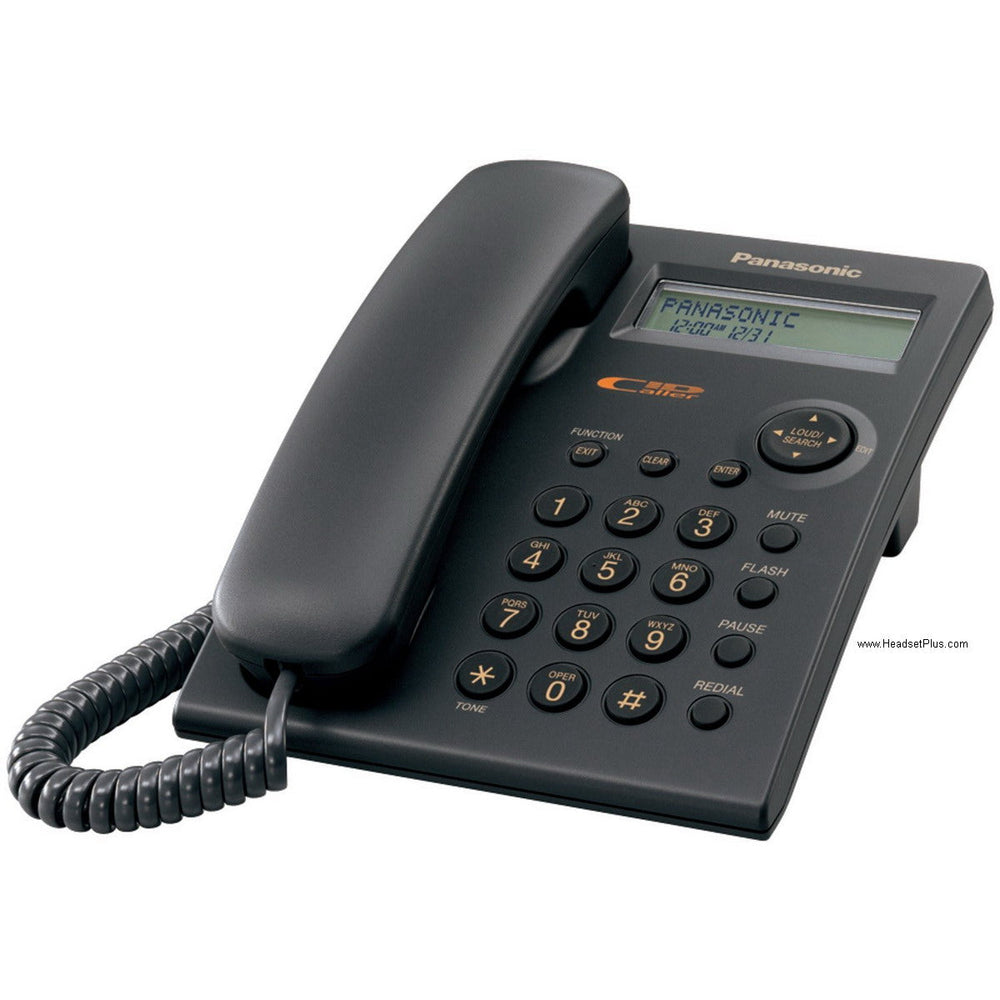




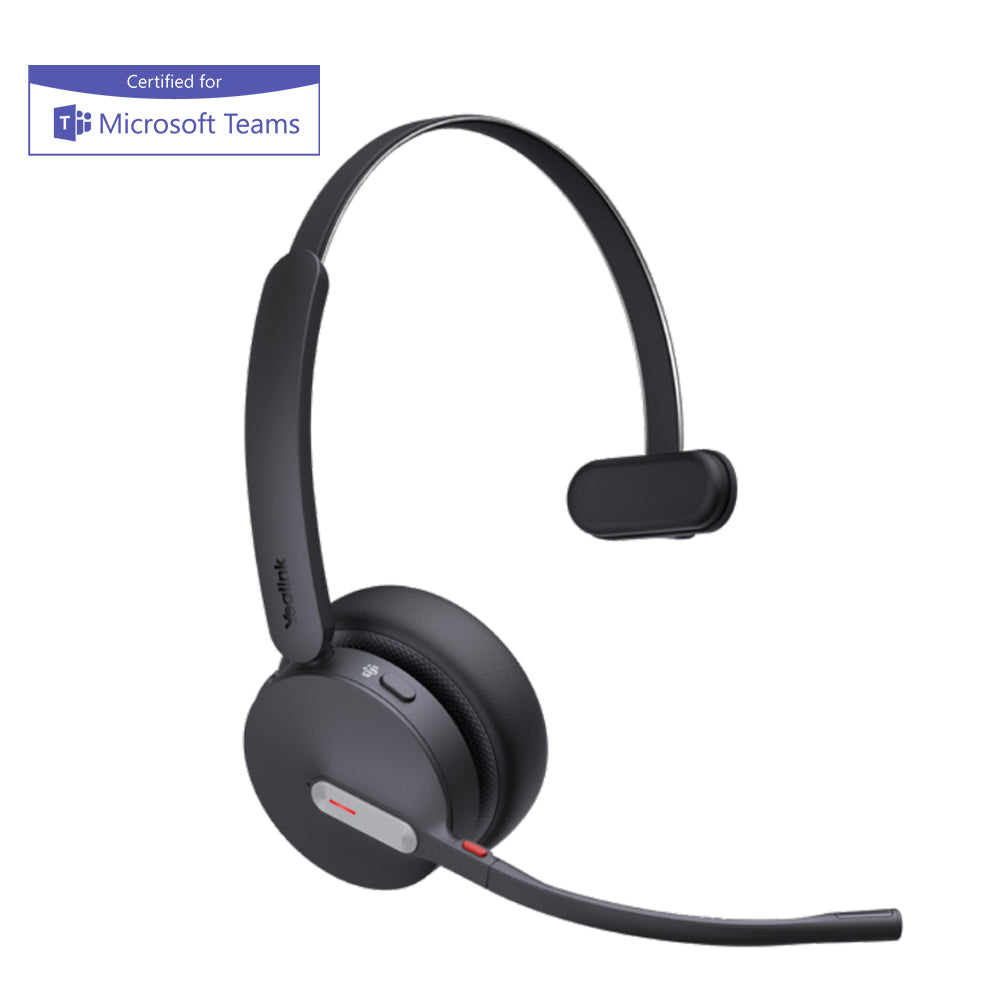
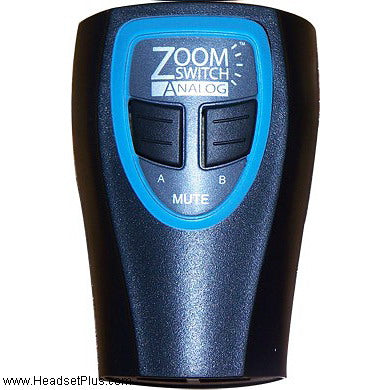


If you're using a headset with both a desk phone and a computer — for calls, softphone use, or streaming music — a ZoomSwitch lets you toggle between the two with one button, instead of unplugging and replugging cables. But if you also have a wireless headset with an EHS cable for remote answering, there's an important compatibility gotcha to know before you buy.
Key takeaways
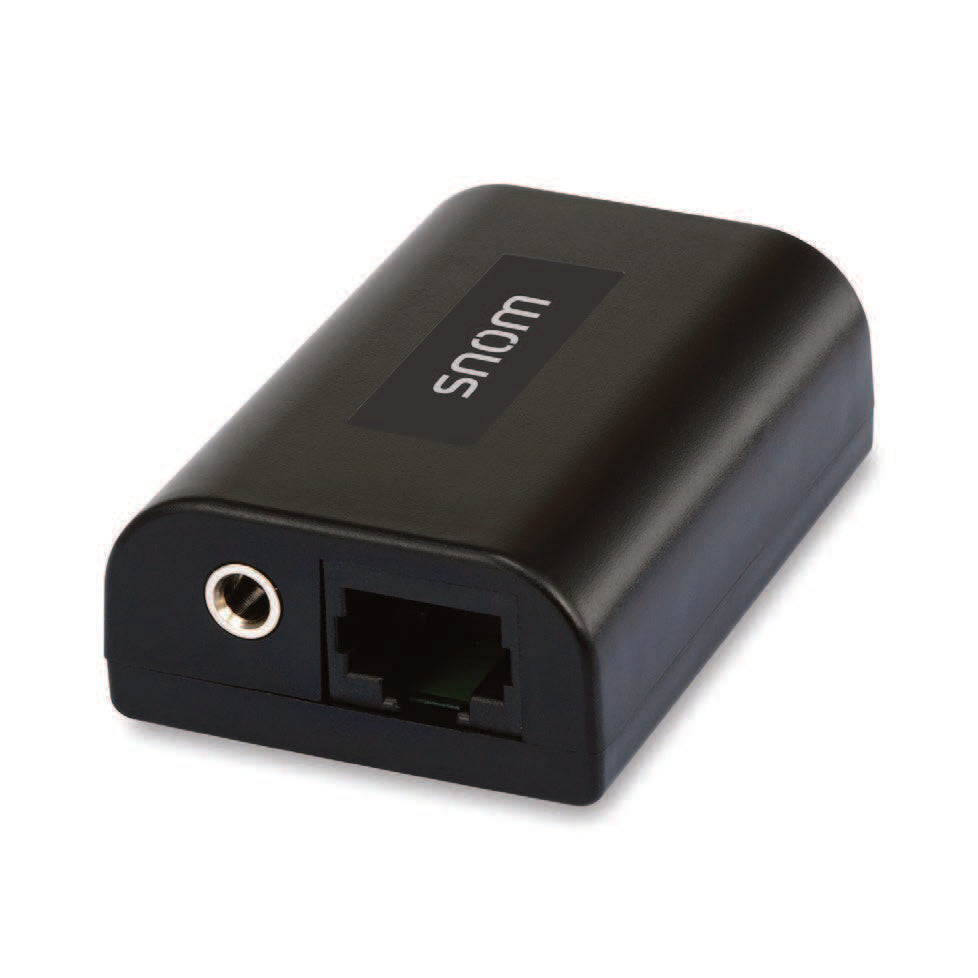
- The ZoomSwitch lets one headset toggle between a desk phone and a computer with one button.
- Three models: ZMS10-C (basic), ZMS20-UC (adds volume/mute), ZMS20-UC-A (adds stereo and Avaya HIC-1 compatibility).
- Most EHS cables are NOT compatible with the ZoomSwitch — the EHS signal turns the headset off when it's not on an active call.
- Some Avaya EHS cables are a confirmed exception, but not all Avaya models — confirm with our team before ordering.
- If remote answering is essential and your EHS cable isn't compatible, a mechanical lifter (HL10 or GN1000) is the workaround.
The three ZoomSwitch models
| Model | Features |
|---|---|
| ZoomSwitch ZMS10-C | The original model — basic switching between desk phone and computer, no volume or mute controls |
| ZoomSwitch ZMS20-UC | Adds volume control and amplification on the USB (computer) side, plus a mute button for both the phone and computer side |
| ZoomSwitch ZMS20-UC-A | All ZMS20-UC features, plus stereo sound and compatibility with the Avaya HIC-1 cable |
Why EHS cables usually don't work with the ZoomSwitch
If you have a wireless headset with an EHS cable for remote answering, there's an important limitation to know before adding a ZoomSwitch to your setup.
Myth
My EHS cable will work fine alongside a ZoomSwitch, since they're both just accessories for my headset.Reality
Usually not. When a wireless headset with an EHS cable is powered on but not actively connected to a call from the phone, the EHS cable sends a signal that turns the headset off. This directly conflicts with how a ZoomSwitch is meant to work, since it expects the headset to stay active while you switch between desk phone and computer audio. The two systems are generally incompatible, with a small number of confirmed exceptions.The exception: some Avaya EHS cables
Not every EHS cable is incompatible — some Avaya EHS cables have been confirmed to work with the ZoomSwitch, though not all Avaya models do. Because compatibility varies by exact cable and phone model, call our team at 877-999-3838 for details on which specific Avaya EHS cable works before ordering.
The workaround: use a handset lifter instead
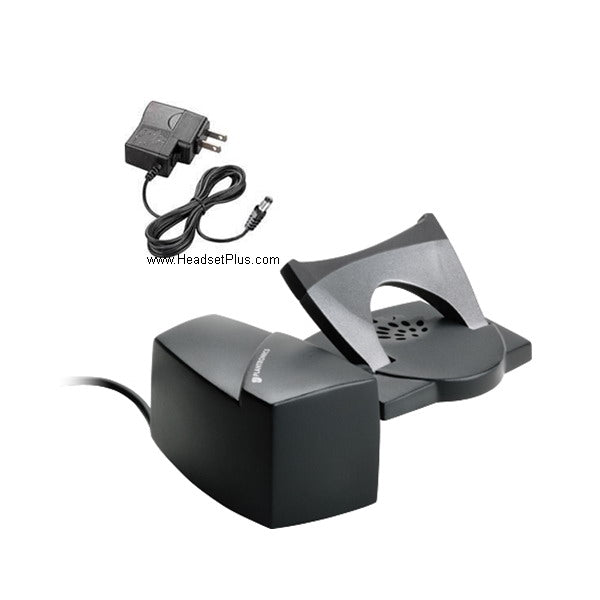
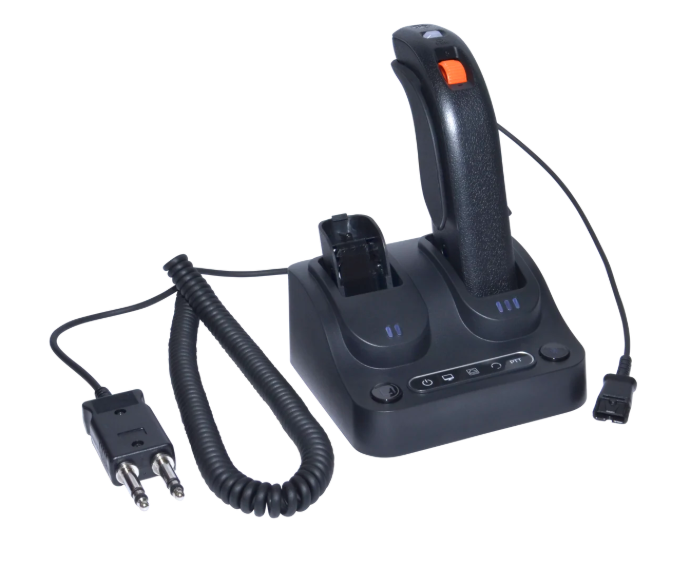
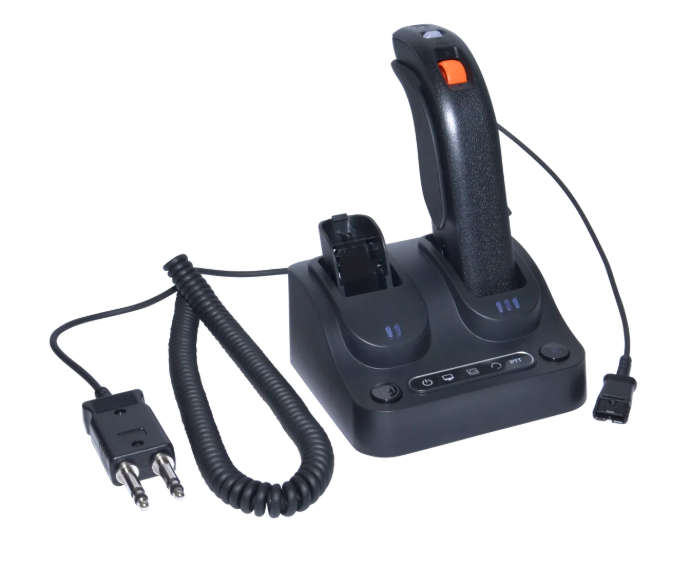
If remote answering is essential and your EHS cable isn't compatible with the ZoomSwitch, a mechanical handset lifter is the reliable alternative — it physically raises the phone's handset to answer, rather than sending an electronic signal that conflicts with the ZoomSwitch. The Poly HL10 and Jabra GN1000 both work alongside a ZoomSwitch without the EHS conflict. See our full handset lifter setup and FAQ for installation details.
Does an EHS cable work with a ZoomSwitch?
Generally, no. Most EHS cables send a signal to turn the wireless headset off whenever it's not on an active call, which conflicts with normal ZoomSwitch operation. Some Avaya EHS cables are a confirmed exception, but not all Avaya models — confirm your exact model with our team before ordering.
What's the difference between the ZoomSwitch models?
The ZMS10-C is the basic model with no volume or mute controls. The ZMS20-UC adds volume control and mute for both the phone and computer sides. The ZMS20-UC-A adds stereo sound and compatibility with the Avaya HIC-1 cable.
How do I get remote answering if my EHS cable doesn't work with a ZoomSwitch?
Use a mechanical handset lifter instead, such as the Poly HL10 or Jabra GN1000. A lifter physically raises the phone's handset rather than sending an electronic EHS signal, so it doesn't conflict with the ZoomSwitch the way most EHS cables do.
A ZoomSwitch is a simple way to use one headset across a desk phone and computer — just confirm your EHS situation before adding one if remote answering matters to your setup. Call our team at 877-999-3838 to check compatibility with your exact headset and phone.
Comments (0)