


























How to connect a headset to a laptop
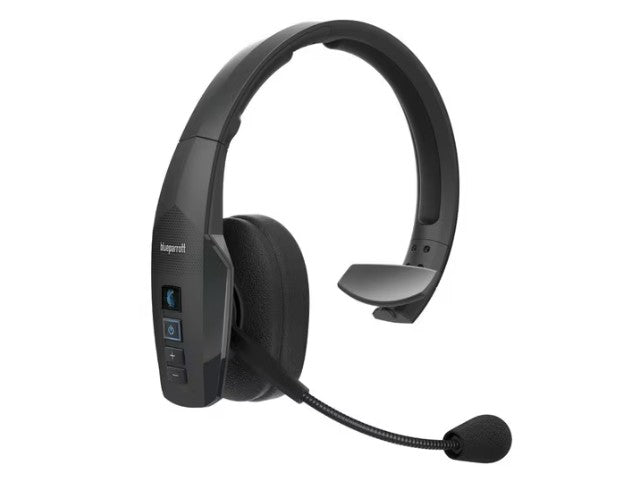
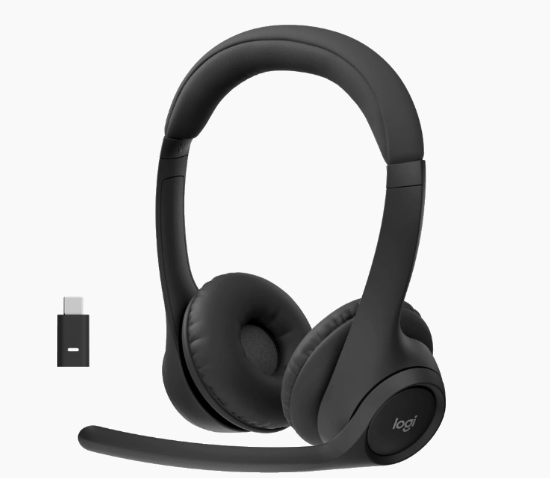
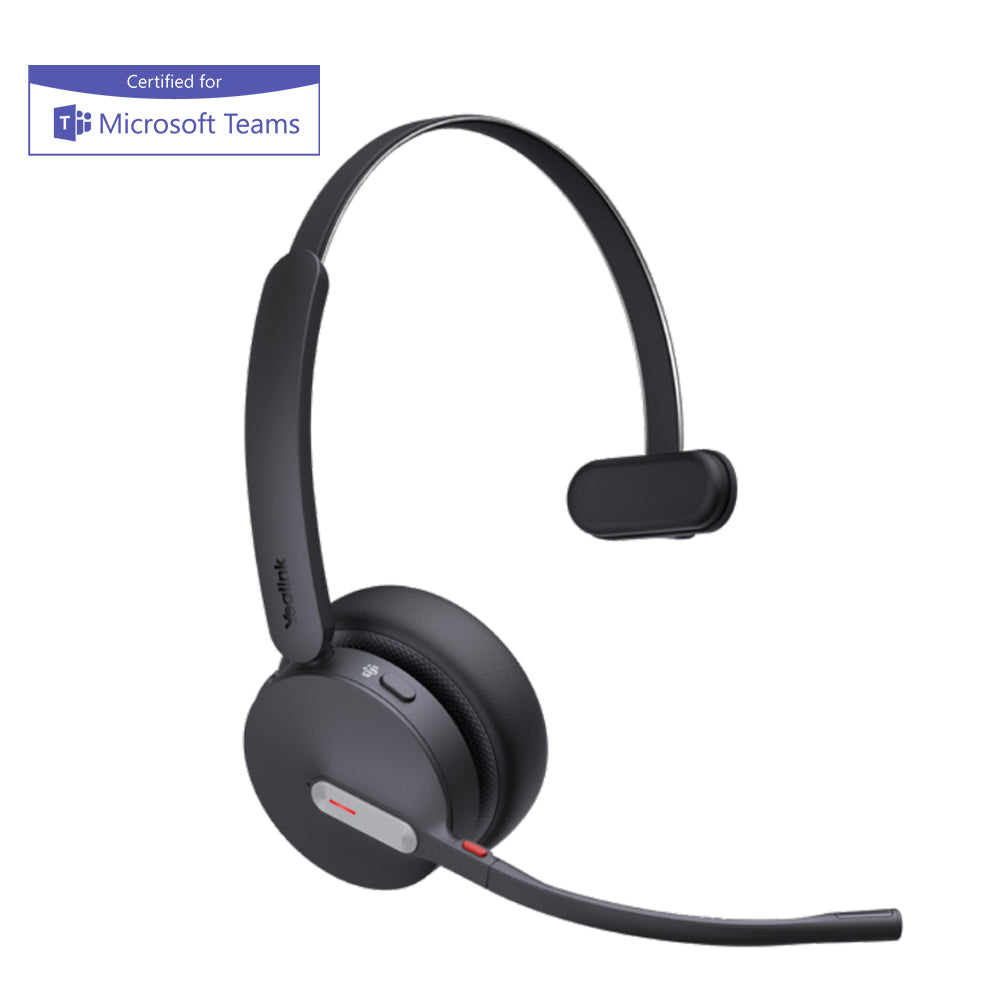
To connect a headset to a laptop, plug a USB headset into a USB port, plug a 3.5mm headset into the laptop's headset jack, or pair a Bluetooth headset in your laptop's Bluetooth settings. Then select the headset as both the speaker and the microphone in your sound settings and in your calling app.
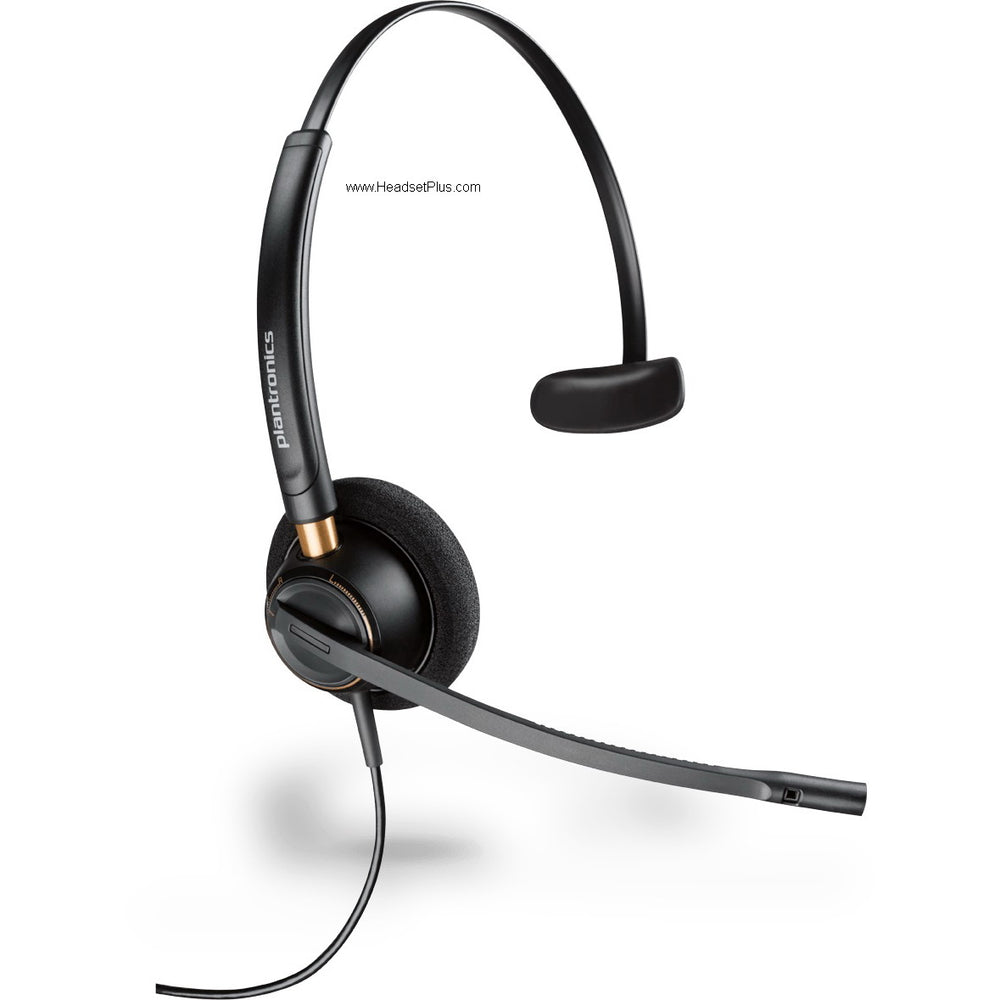
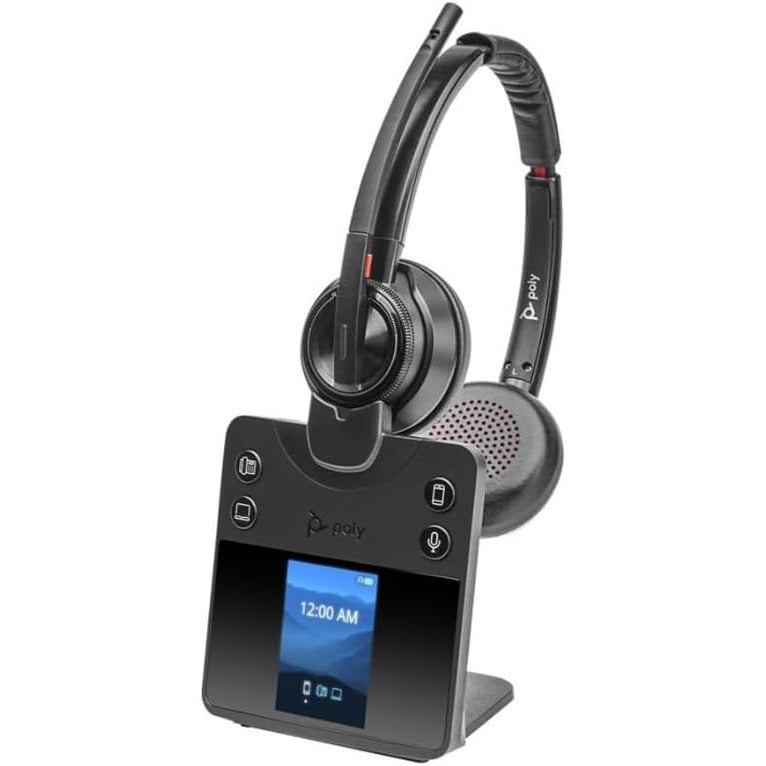
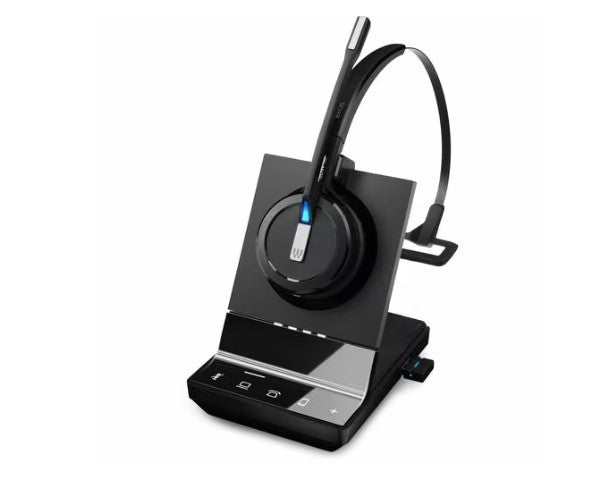
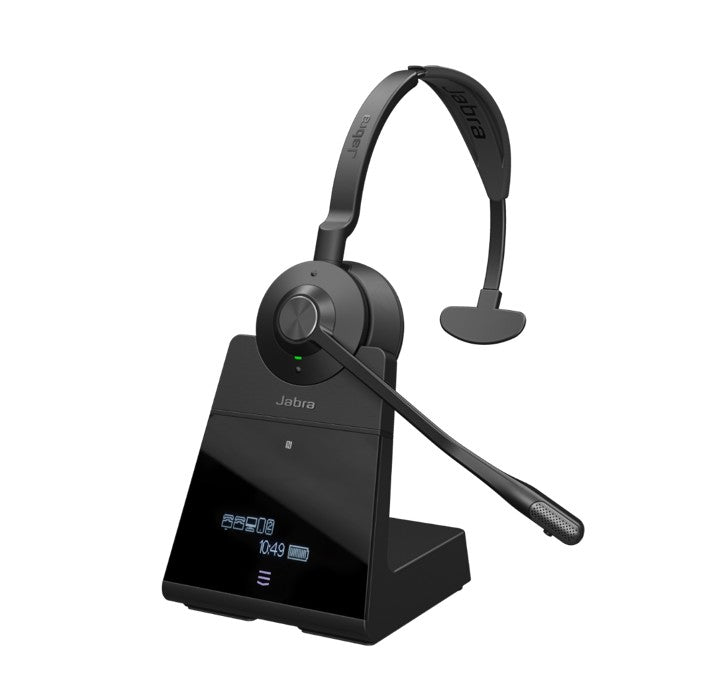
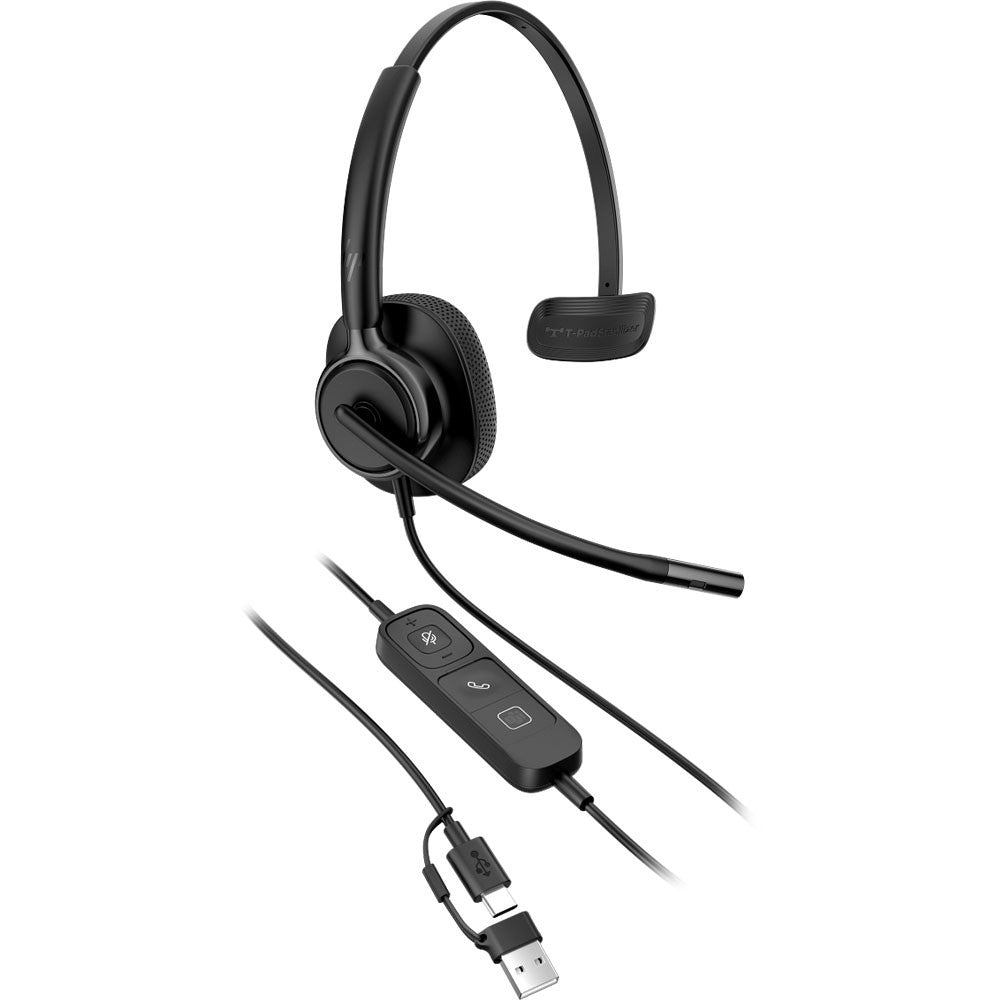
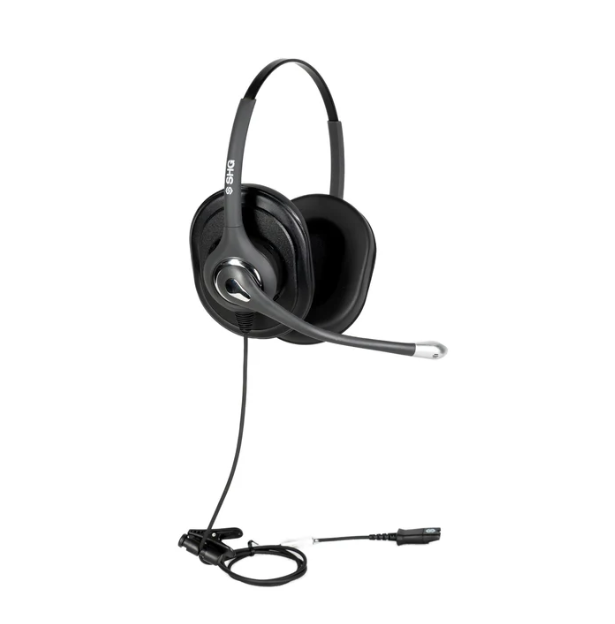
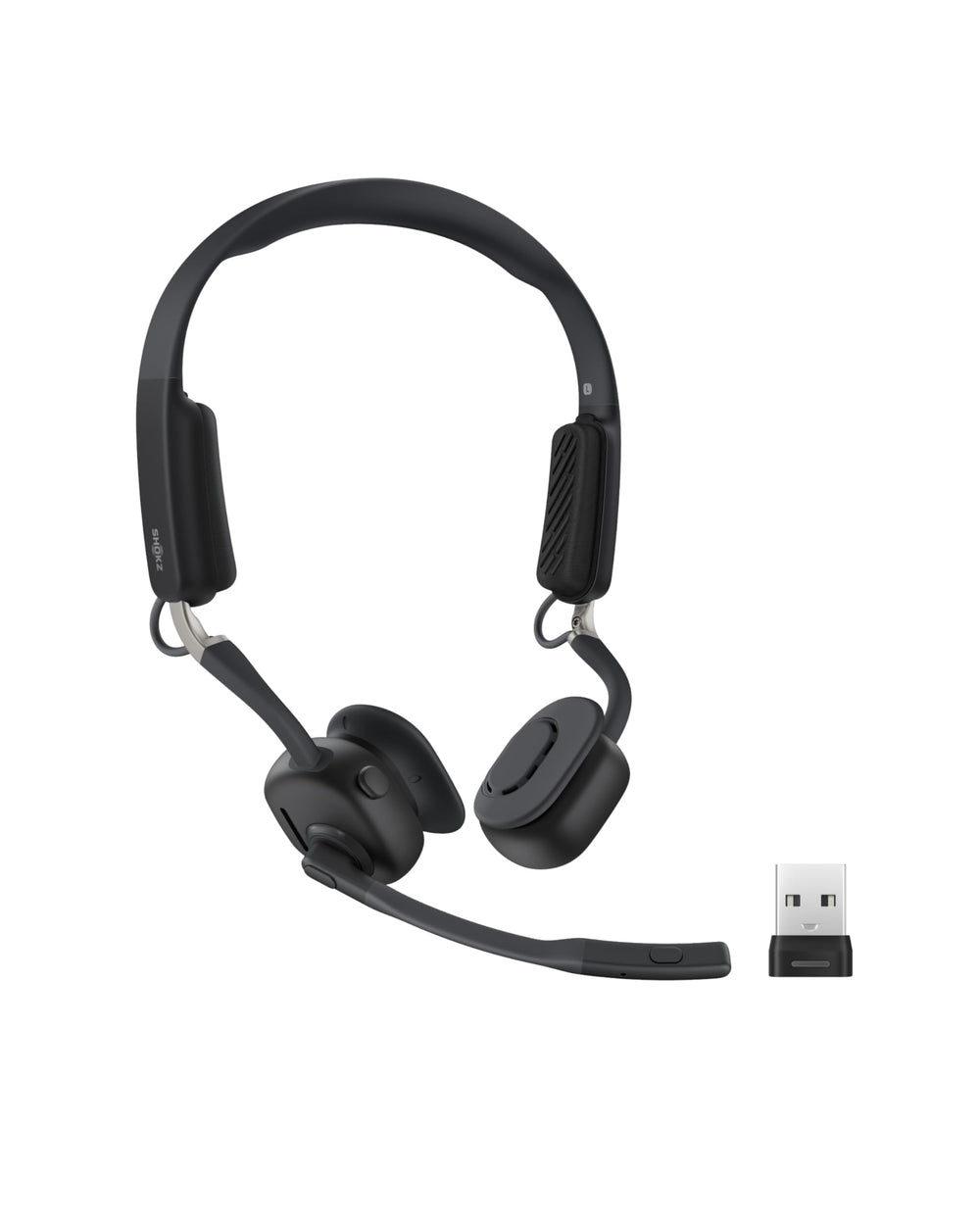
If you are still choosing, USB is the simplest for most people and works the same on any laptop; our computer headsets cover corded USB, Bluetooth and DECT. Here is how to connect each type.
Connect by plug type
USB headset
Plug it into a USB-A or USB-C port that matches the plug, or use an adapter. Then select it in your sound settings, as in the last step.3.5mm headset
Most laptops have one combined headset jack that carries both headphones and a microphone on a single four-contact plug. Older computers may have separate headphone and microphone jacks, which need a splitter for a single-plug headset.Bluetooth headset on Windows
Put the headset in pairing mode. In Windows 11, go to Settings, Bluetooth and devices, make sure Bluetooth is on, then choose the headset under new devices and follow the prompts. After that it reconnects on its own when it is in range.Bluetooth headset on a Mac
Put the headset in pairing mode, open System Settings, click Bluetooth, hold the pointer over the headset in the list and click Connect.Select it for calls
Pick the headset as the output and input device in your sound settings, then again in Teams, Zoom or your softphone. Apps often keep using the laptop's speakers until you change it.
USB or 3.5mm?
Both work for calls. USB headsets carry their own sound card, while a 3.5mm headset uses the laptop's. We compare the two in USB vs 3.5mm headsets. If a Bluetooth headset keeps dropping after you connect it, see why a Bluetooth headset keeps disconnecting.
Comments (0)