



























Teams echo: whose end is it?
A Teams echo almost always comes from one person whose speakers are playing the call into their own microphone. If you hear yourself echo back, the problem is at someone else's end. If other people hear themselves, it's probably yours. Whoever it is, switching that person to a headset stops the echo, because the sound goes into their ears instead of back into the mic.
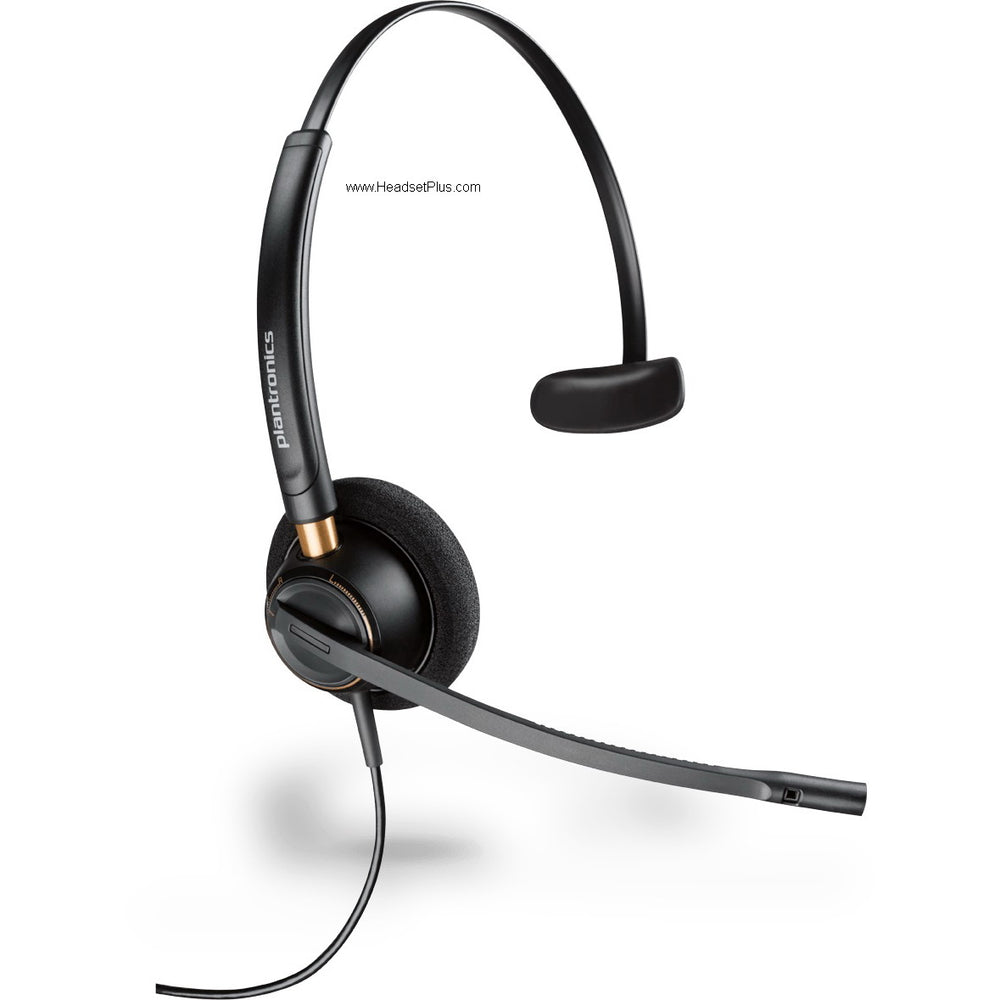
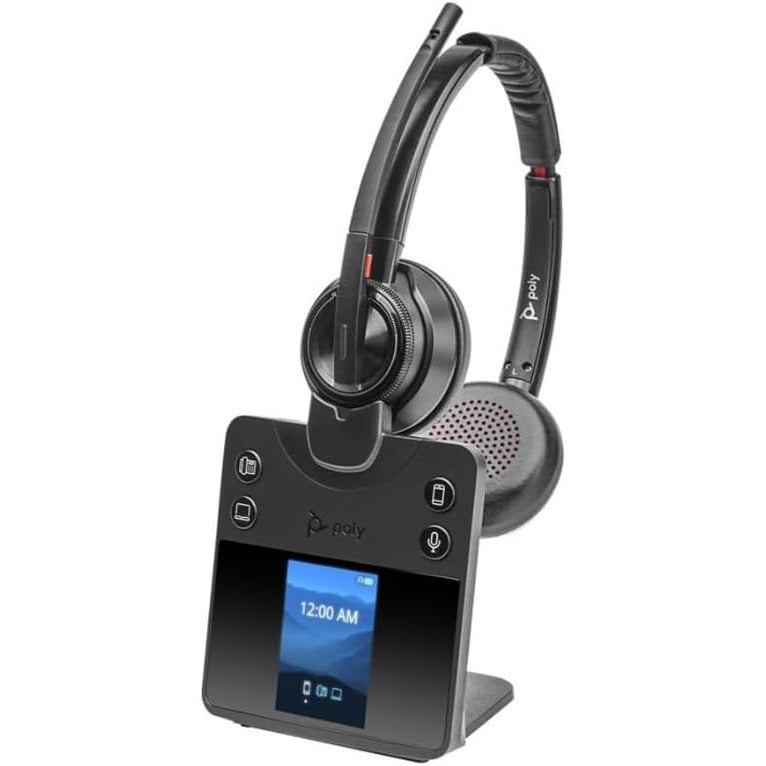
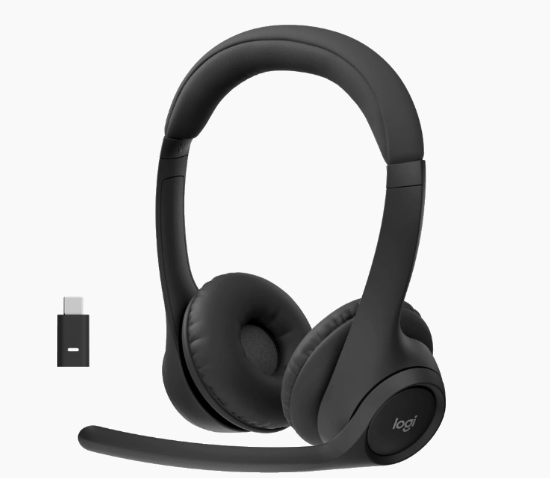
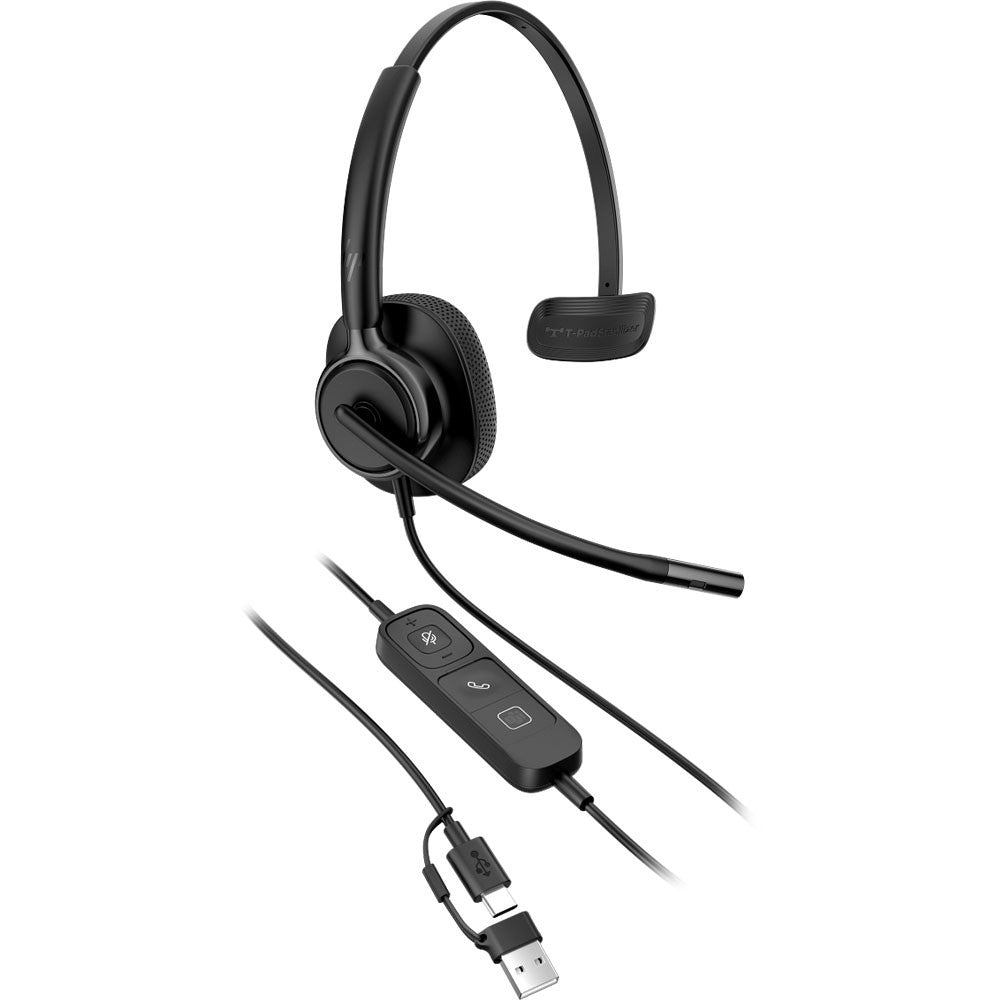
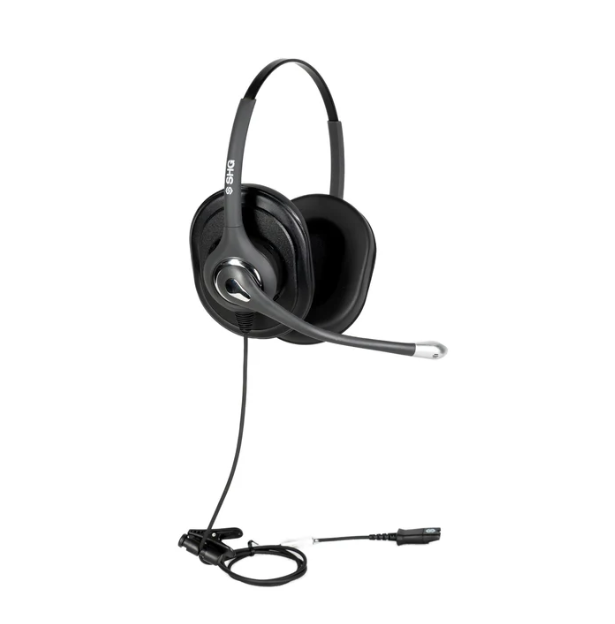
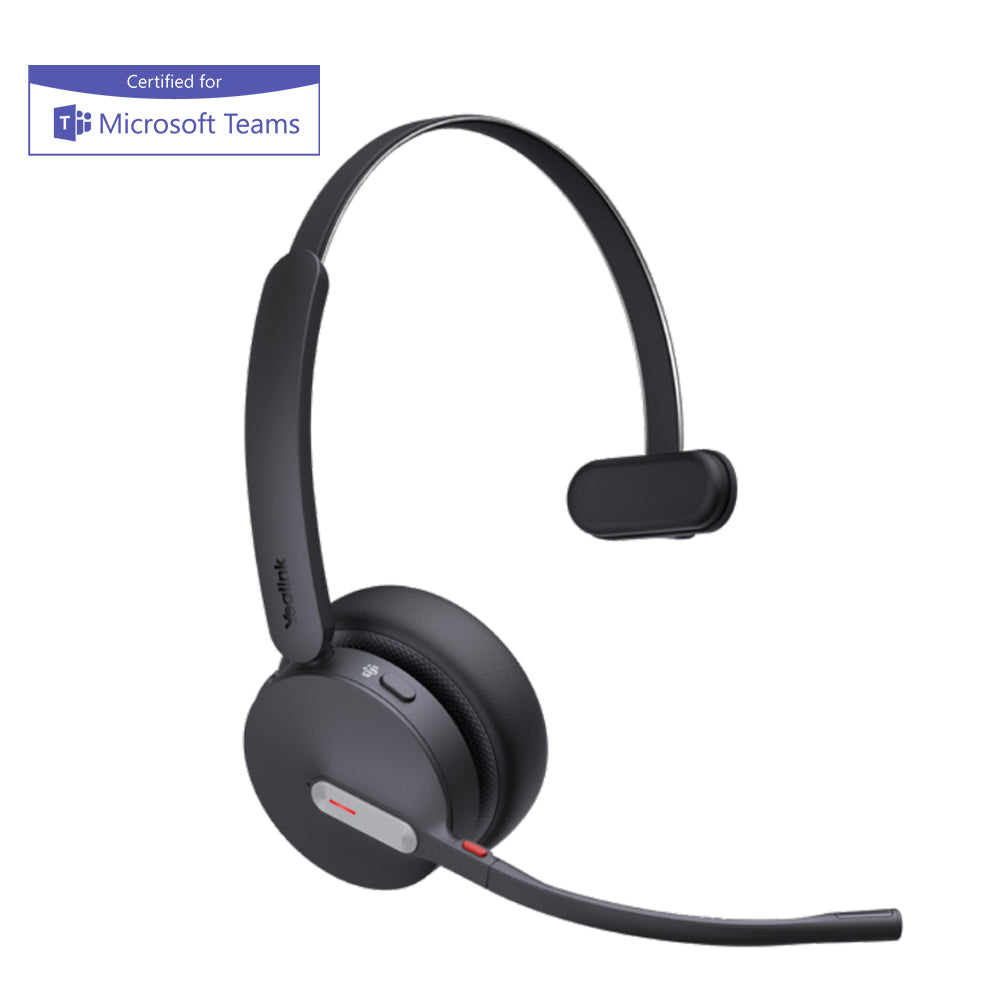
That's why echo is rare on calls where everyone wears a headset, and common when someone joins from laptop speakers. Every one of our headsets certified for Teams has passed Microsoft's testing, and echo is one of the things it covers: wideband audio with no echo or distortion, with echo cancellation built in.
How to stop a Teams echo
A Microsoft moderator on Microsoft's Q&A site lays out the order to work in: find the source first, then fix that one device.
Find who's causing it
Ask everyone to mute, then unmute one person at a time while you talk. When the echo comes back, the person who just unmuted is the source.Put that person on a headset
A headset is the quickest fix. If they don't have one, have them turn their speaker volume down and move the laptop mic further from the speakers.One device per room
If two people join from the same room on two laptops, each laptop's mic picks up the other's speakers. Only one device in the room should have its mic and speakers on. Everyone else mutes and turns their volume down.Turn noise suppression on
In Teams, go to Settings and more, then Settings, then Devices, and make sure Noise suppression is on. It filters some of the echo that still gets through.Split Teams and computer sounds
If there's an echo even when nobody else is unmuted, the computer may be feeding its own sound back into the mic. Send Teams to your headset and the rest of the computer's sound to your speakers, so the two don't share a device.
Teams echoing only when you share your screen with sound is the same problem in another form: the shared audio plays through your speakers and back into your mic. A headset fixes that too.
Hearing yourself in your headset isn't echo
If you hear your own voice in your headset at the same moment you speak, with no delay, that's sidetone, and it's on purpose.
Sidetone: Your own voice played back into your headset as you talk, so you don't end up shouting on calls.
You can turn it up or down. In Jabra Direct, select the headset, then Device, then Device settings, then Headset, and set the Sidetone level. The default is 0 dB. Choose +3 or +6 dB to hear yourself more, or a negative level to hear yourself less, then make a test call to check it. If you use another brand, look for Sidetone in its maker's app. An echo, by contrast, arrives a moment after you speak, and that delay is how you tell them apart.
Teams audio keeps cutting out on a wireless headset
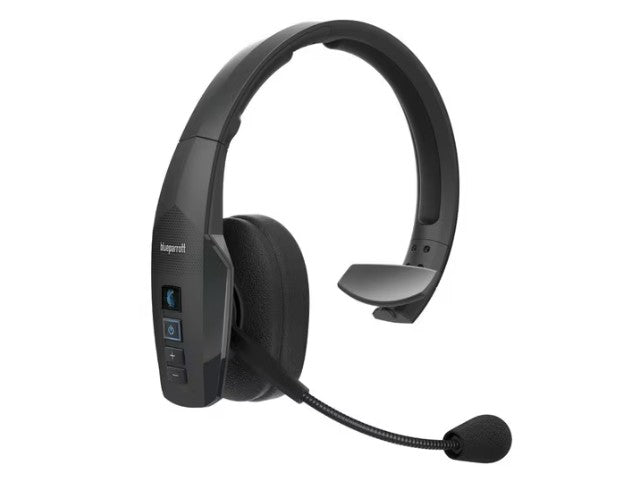
When Teams audio keeps cutting out, or cuts in and out mid-sentence, and you're on a wireless headset, the wireless link is the first suspect, not Teams. Poly's user guide for the Voyager 4300 puts it plainly: audio cutting out during softphone calls can be Bluetooth density, meaning too many Bluetooth devices nearby, like in an open office.
Try these, in order:
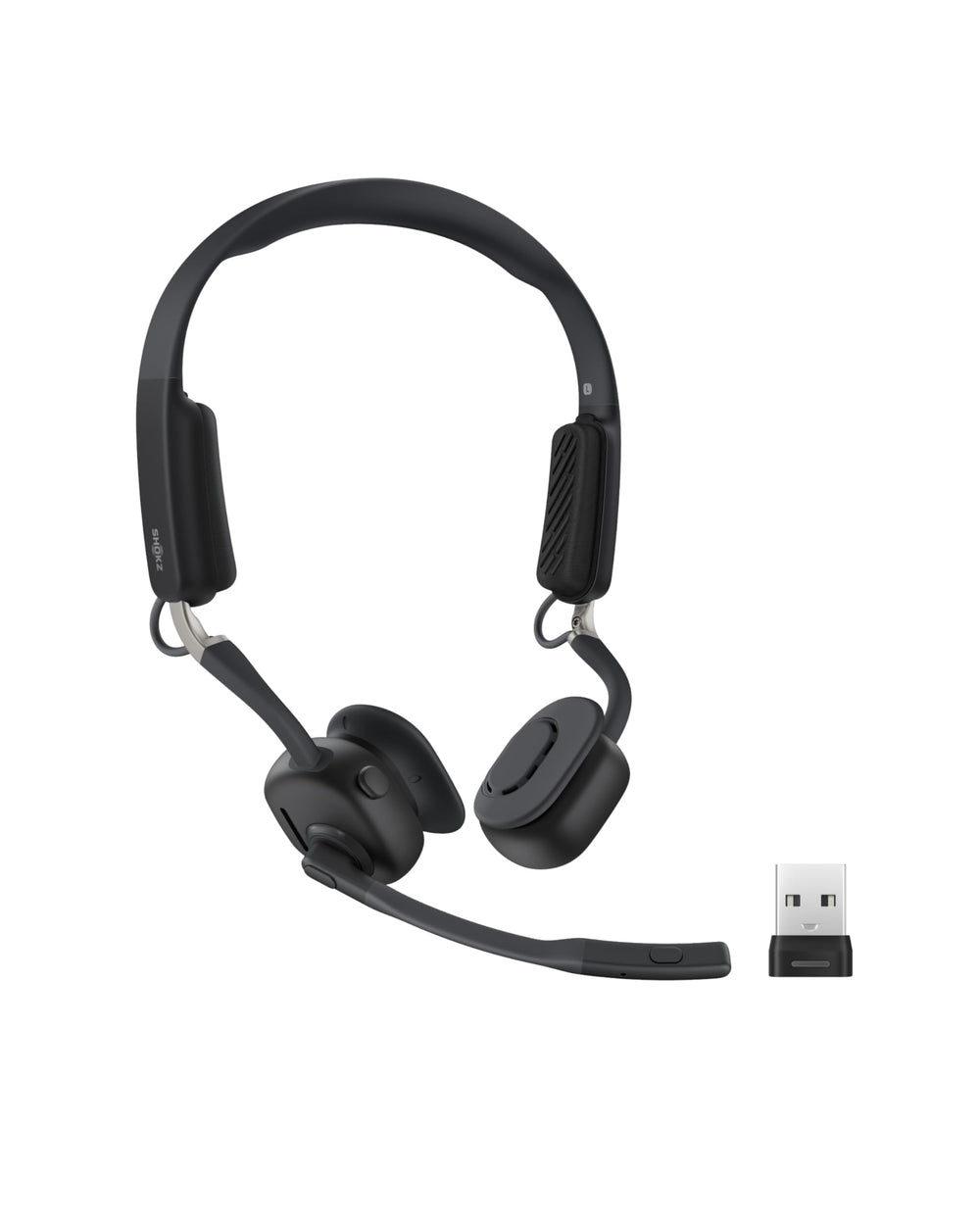
- Use the USB dongle, not the laptop's Bluetooth. Poly says its USB adapter gives the best connection and call sound, and Microsoft notes that some people need the dongle in busy radio environments or with laptops whose Bluetooth is weak.
- Plug in the cable. Some wireless headsets can carry calls over their USB cable. On the Voyager 4300, Poly's fix for dropouts is to unplug the dongle, connect the headset with its USB cable and switch the headset off, which it calls corded mode. The headset charges at the same time.
- Stay closer. Walls and distance weaken the signal, so test at your desk before you blame the headset.
If everyone on the call sounds choppy to you, not just you to them, the problem is more likely your internet connection than your headset, and a wired network connection is the next thing to try.
Robot voice and bad quality on a Bluetooth headset
A Teams Bluetooth headset with bad quality, where voices sound thin, muffled or robotic, is usually connected straight to the laptop's Bluetooth. When Teams turns the mic on, Bluetooth switches to its hands-free mode, which carries your voice but plays sound at much lower quality than music mode. The headset's USB dongle avoids that. Our guide to a Teams headset not working explains the switch in more detail, along with the other connection fixes.
Why is my headset beeping in Teams?
Work out first whether the beep comes from the headset or from Teams. If you hear it with Teams closed, it's the headset telling you something about itself, and its user guide lists what each tone or voice prompt means. Poly's Voyager 4300, for example, lets you turn its voice alerts up or down with the volume switch when you're not on a call. If the beeps only happen in Teams, they're Teams sounds, such as notifications arriving during the call.
Does Teams echo cancellation work with speakers?
Teams echo cancellation helps, but it can't catch everything when speakers and a microphone sit close together. A headset removes the cause by keeping the call out of the room, which is why it's the reliable fix.
Why is Teams audio choppy only for me?
If Teams audio is choppy only for you, the cause is on your side: most often a wireless headset connected through laptop Bluetooth, or a weak network connection. Switch to the headset's USB dongle or cable first, then try a wired network connection.


Comments (0)