
























Teams noise suppression, in short
Teams noise suppression is a setting that filters background sound out of your microphone, so the people on the call hear your voice and less of the room. It doesn't change what you hear. In the Teams desktop app it's under Settings and more, then Settings, then Devices, where you switch Noise suppression on or off.
Which setting to use
- Leave it on for everyday calls, especially from a laptop mic or a busy room.
- Turn it off if you play music or an instrument on the call, or use a studio microphone in a quiet room.
- Try Voice isolation if other people's voices behind you are the problem, not fans or traffic.
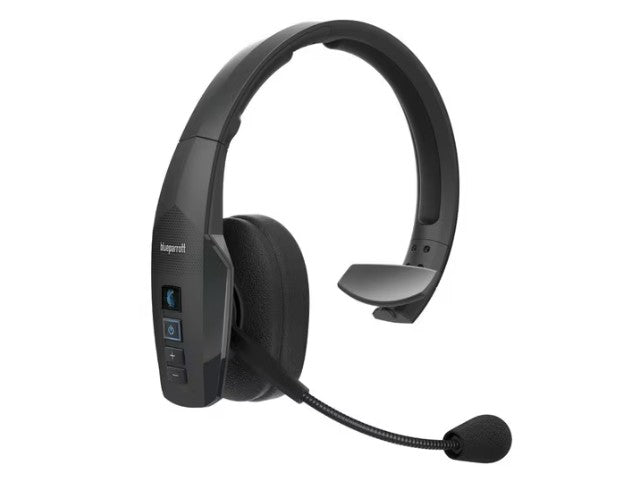
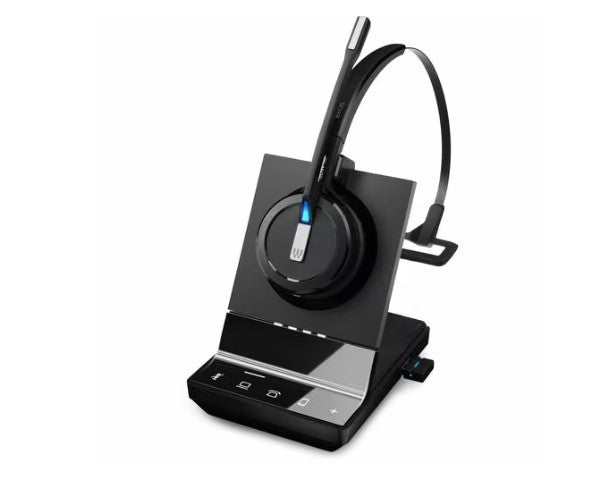
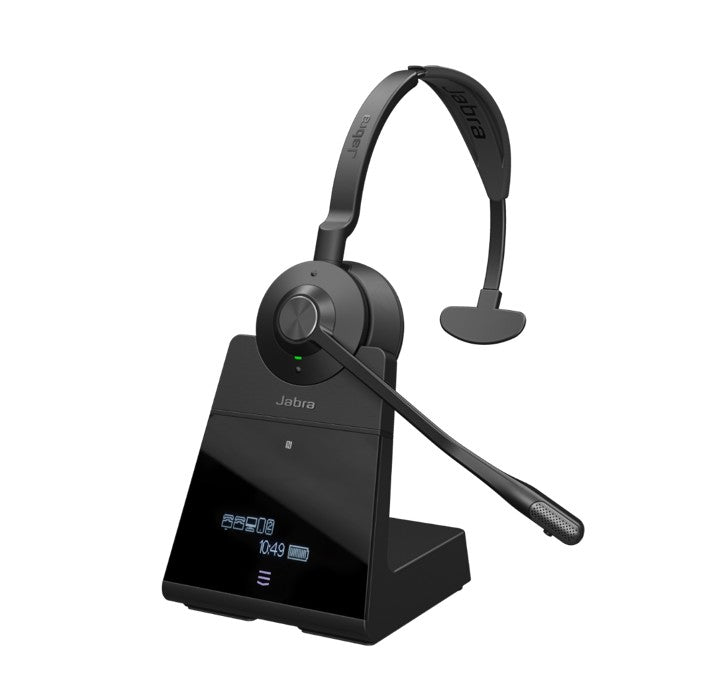
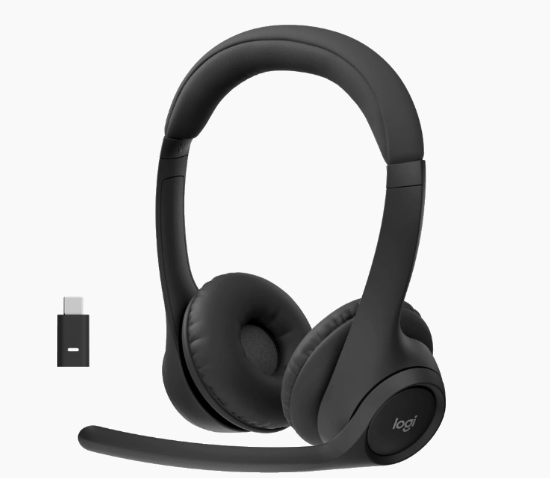
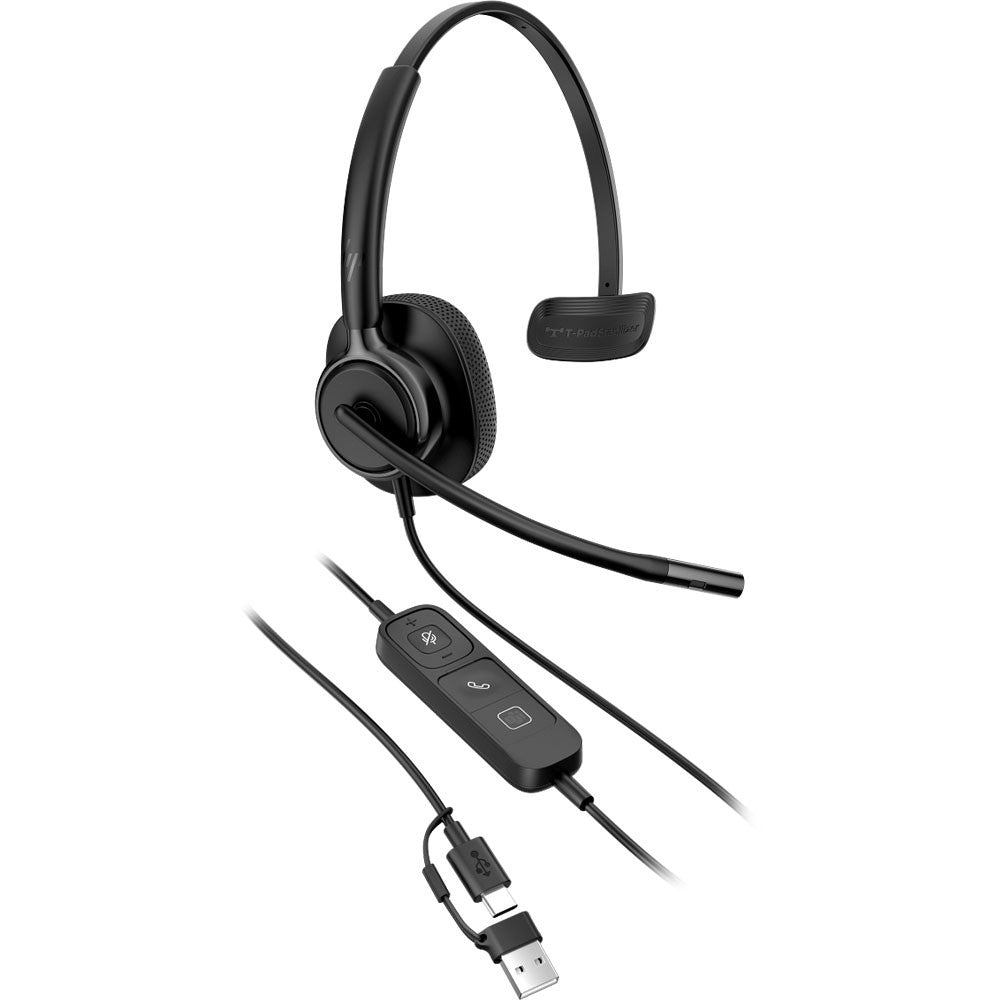
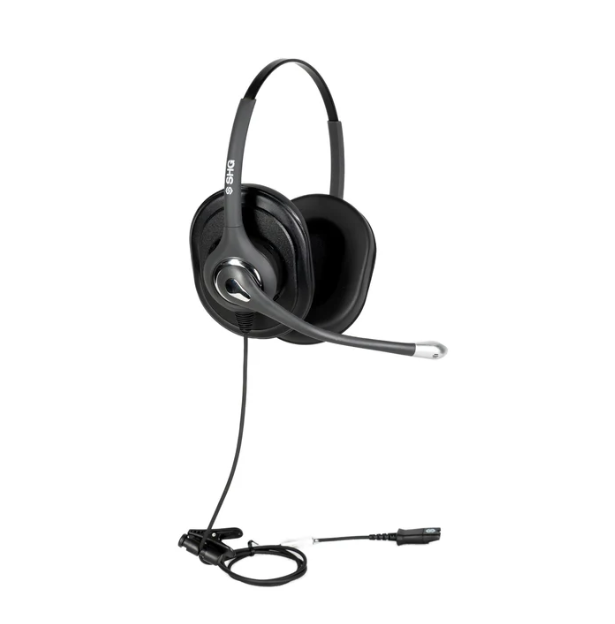
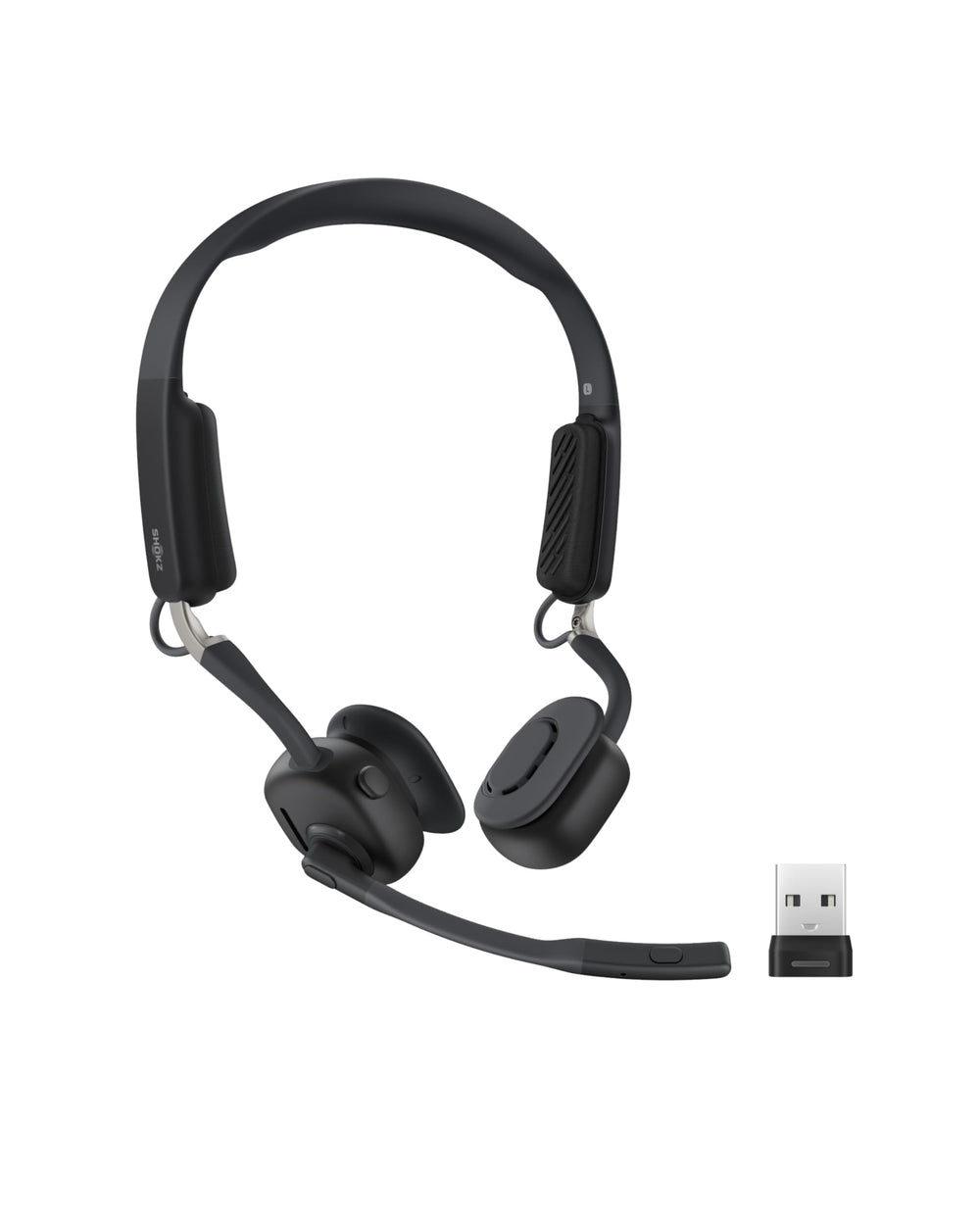
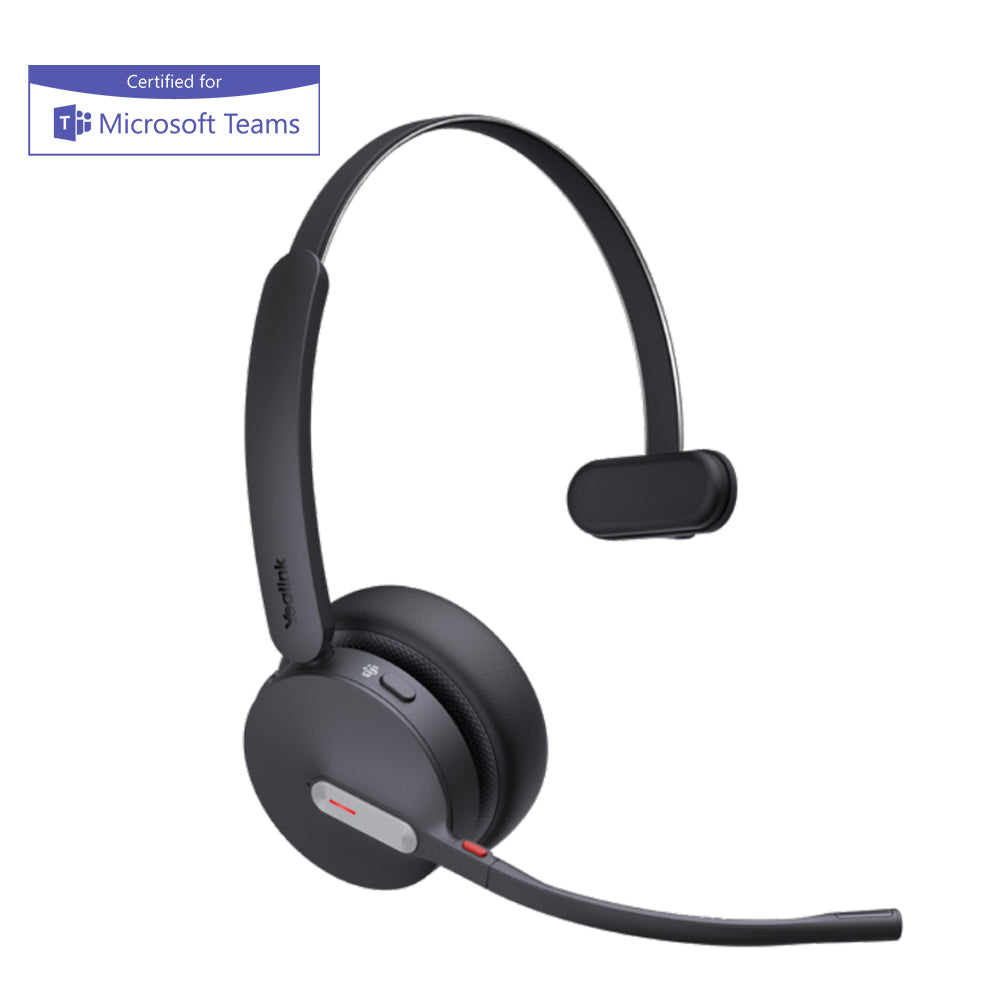
Noise suppression is software, and it can only work with what your microphone picks up. A headset mic that sits close to your mouth gives it far less noise to remove in the first place. Microsoft even gives some certified headsets a separate Premium Microphone for Open Office rating, for mics that pick up the wearer's voice without passing on the neighbors'. You'll find headsets like that among our Teams certified headsets.
How to change the noise suppression settings
You can change the setting before a meeting or during one, and the options depend on whether you're on a computer or a phone.
On a computer, before a meeting
In the Teams desktop app, click Settings and more (the three dots next to your picture), then Settings, then Devices, and switch Noise suppression on or off. This becomes your default for every call.
During a meeting
Click the arrow next to Mic in the meeting controls. You'll see two choices there. Background noise only filters steady sounds around you, like a fan, typing or traffic. Voice isolation goes further and removes other people's voices too, keeping only yours.
On the Teams mobile app
The phone app has more levels. Tap your profile picture, then Settings, then Calling, then Noise suppression, and choose one of three:
- Auto is the default. Teams decides how much to filter, and it's the right choice for most calls.
- Low filters only steady background noise like a fan or air conditioner. Microsoft suggests it when you want to play music to the meeting.
- High filters every background sound that isn't speech.
Should Teams noise suppression be on or off?
On, for most people, most of the time. Microsoft's own advice is to turn it off in two situations: when you're playing music, where you should use Teams' share sound option instead, and when you're using a high-quality microphone in a quiet room, like a home studio.
If your headset has a good noise-canceling boom mic, noise suppression has less left to do, and leaving it on is fine for a normal call. If people say your voice sounds watery or clipped at the start of words, switch it off for one call and ask whether it's better. Your own ears can't judge this one, because noise suppression only changes what others hear.
Teams noise suppression vs noise canceling on a headset
These are three different features that all get called noise canceling, and they clean up different sounds for different people.
Active noise cancellation (ANC): A headset feature that uses small microphones on the earcups to cancel steady outside noise in what you hear, like air conditioning or an engine hum.
ANC is for you: it makes the room quieter in your ears. A noise-canceling microphone and Teams noise suppression are for the other people on the call: they make your room quieter in their ears. That's why a headset with ANC alone won't stop your colleagues from hearing the printer behind you.
| Feature | Teams noise suppression | Noise-canceling headset mic | ANC in the earcups |
|---|---|---|---|
| What it cleans | Your outgoing voice | Your outgoing voice | What you hear |
| Who benefits | Everyone else on the call | Everyone else on the call | You |
| How it works | Software on your computer or phone | The microphone's design and position | Microphones and processing in the headset |
| Works in other apps | No, Teams only | Yes | Yes |
The noise-canceling mic is the one that works everywhere, in Teams, Zoom and a phone call alike, which is why it's the feature to look for when you buy a headset for a noisy office. Teams noise suppression then cleans up whatever the mic still lets through.
Teams noise suppression not working?
When Teams noise suppression is not working, check where you're using Teams first. Microsoft lists the feature for the Teams desktop app, the iOS and Android apps, Teams Rooms on Windows and Azure Virtual Desktop. Teams in a web browser isn't on that list.
Voice isolation has two extra requirements. You need a voice profile, which you set up in Teams under Settings, then Recognition, by selecting Start voice capture. Your company's IT admin can also switch voice isolation off for everyone, in which case the option won't appear. If Teams says your device is running too many apps to support it, close a few and try again.
If background noise is still getting through with suppression on, the microphone is the limit. A laptop mic across the desk picks up the whole room, and a headset mic by your mouth doesn't. If your headset itself seems to be the problem, our guide to a Teams headset not working covers the fixes, and echo is its own problem with its own fix, covered in our guide to Teams echo.
Does Teams noise suppression replace a noise-canceling headset?
No. Teams noise suppression only cleans the sound others hear from your mic, and only in Teams. A noise-canceling headset mic does the same job in every app, and ANC in the earcups quiets the room for you, which Teams can't do at all.
Does Teams noise suppression affect music?
Yes. Teams noise suppression treats music as background noise and filters it out. Turn it off, or use the share sound option when you share your screen, if you want the meeting to hear music.


Comments (0)