








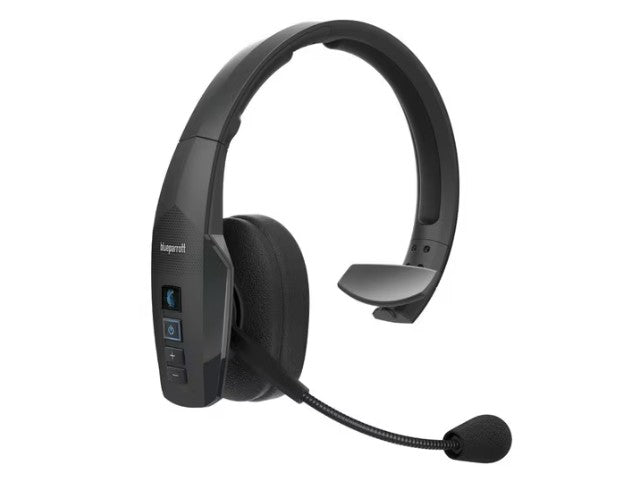



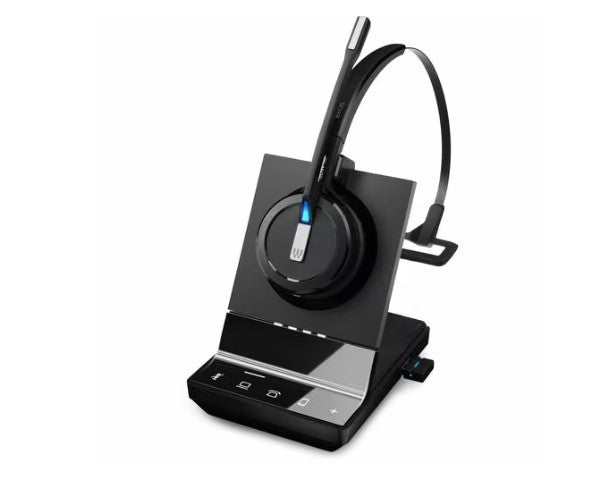

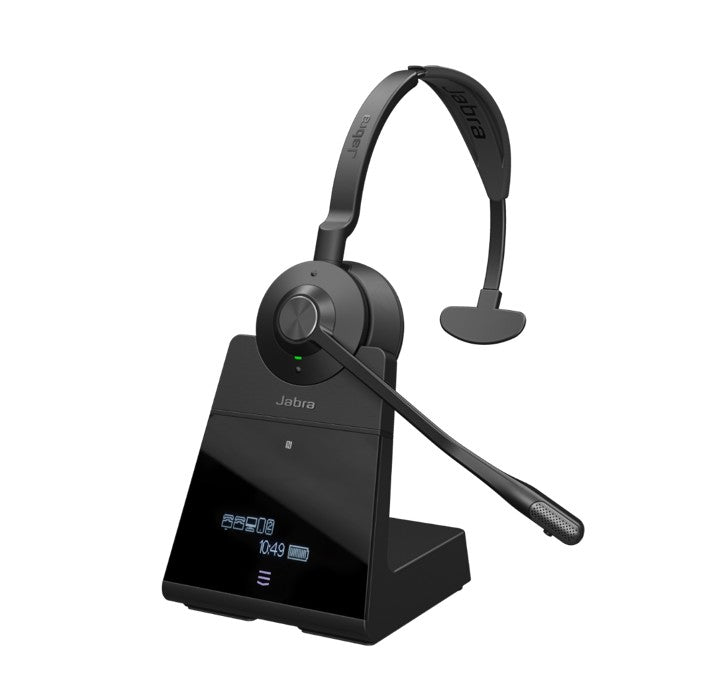

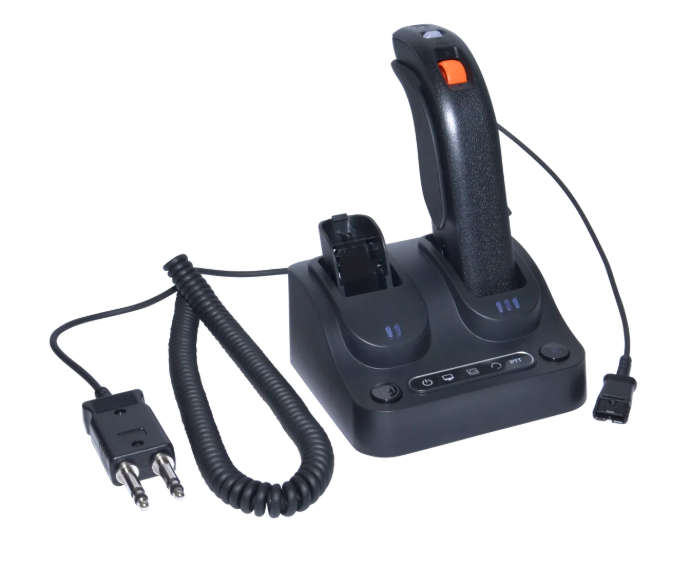

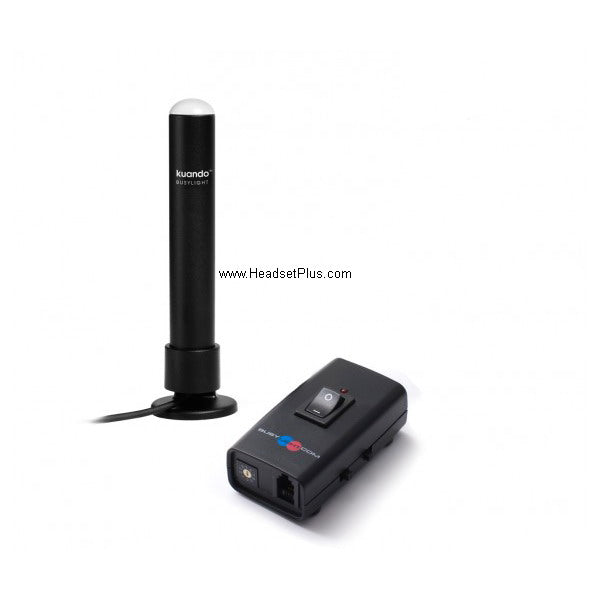

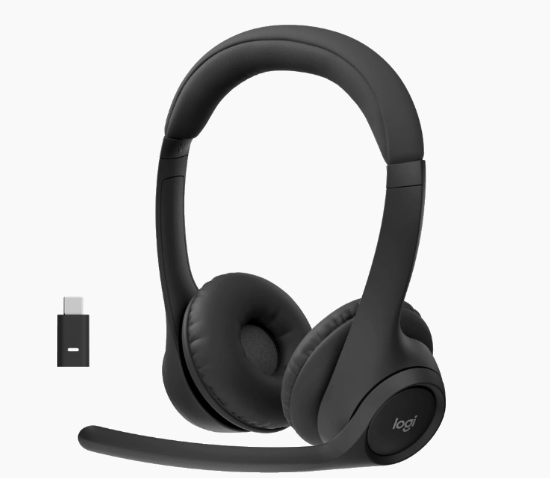



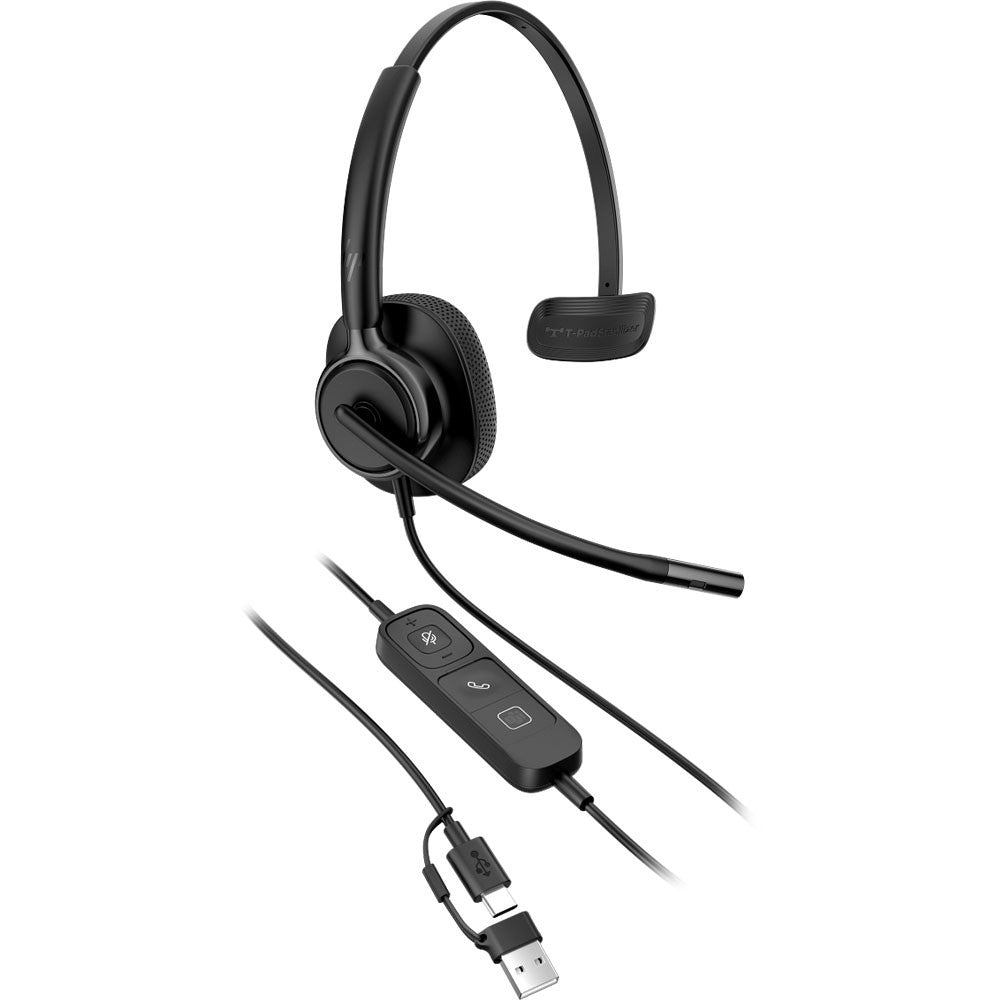





If Teams headset audio works but the buttons do not, the microphone and speaker path is healthy while the control path is not. Start by confirming the exact headset connection, especially whether a wireless model is using its supplied USB adapter or direct Bluetooth. Then check Teams device selection, firmware, the manufacturer’s desktop utility and any other calling app that may be claiming headset controls. Test mute synchronization separately from answer and end because each control can fail independently.

Audio and buttons travel through different paths
The operating system can treat a headset as an ordinary microphone and speaker. Teams can send audio through those devices without receiving hardware button events. This is why “I can hear everyone” does not prove that the answer button, mute light or Teams button is integrated.
Mute synchronization: Mute synchronization means the headset and Teams share the same mute state. Muting either place updates the other instead of creating two independent mute layers.
The control-path checklist
Identify the connection
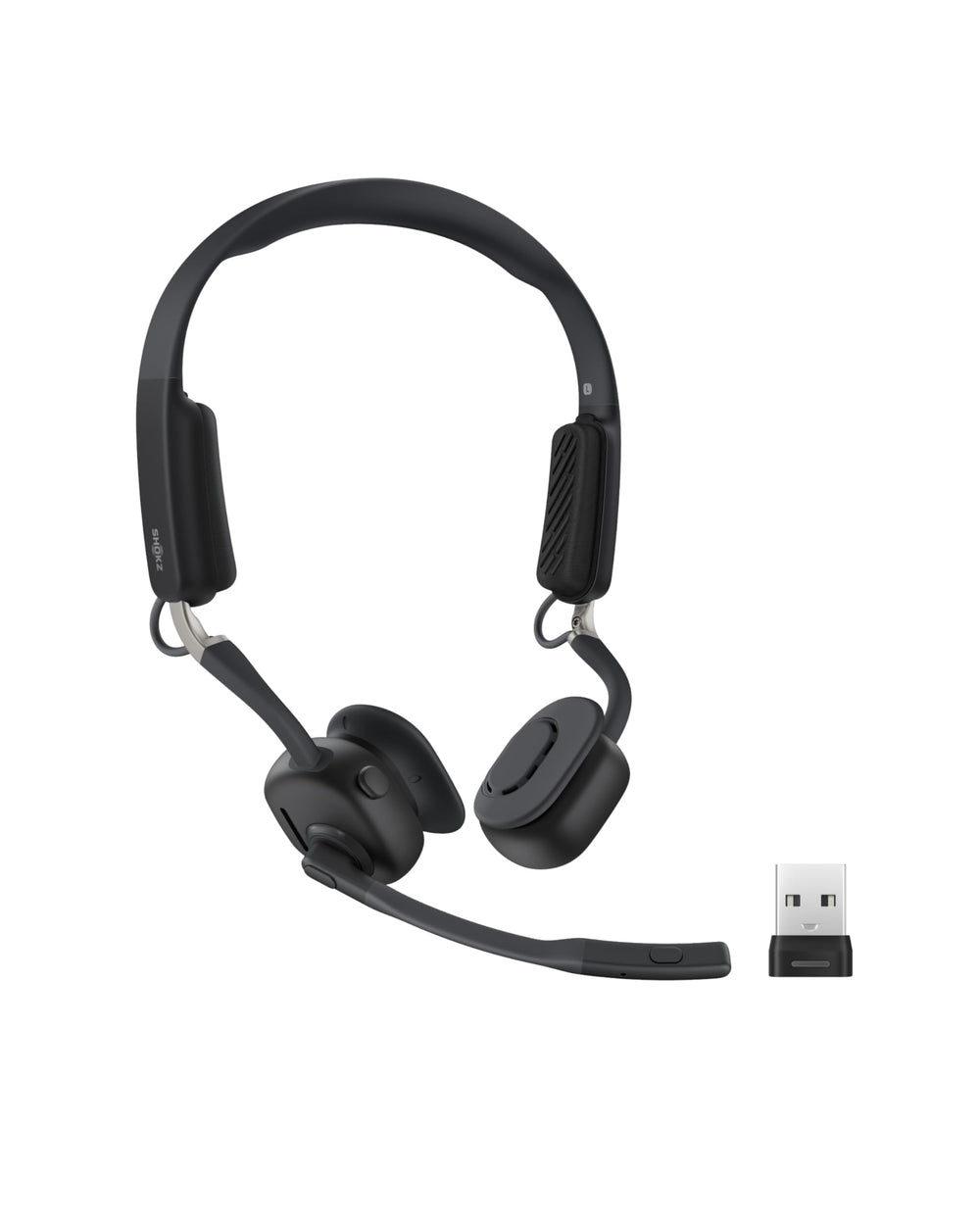
Write down whether the headset uses a cable, supplied USB dongle or direct Bluetooth.
Confirm the Teams device
Select the same headset for speaker and microphone, then make a Teams test call.
Close competing call apps
Quit Zoom, RingCentral and browser calling tabs during diagnosis so only Teams requests integration.
Update firmware and utility software
Use the manufacturer’s supported application, reconnect the device and restart Teams.
Test controls one at a time
Check mute sync, volume, answer, end and any Teams button individually.
Repeat after sleep
Wake the computer and test again; a clean first connection can hide a reconnection failure.
Why direct Bluetooth changes the result
A headset certified with a USB adapter has a defined desktop connection. Direct Bluetooth depends more heavily on the computer radio, drivers and hands-free protocol. Some native Bluetooth devices support Teams controls, but certification and operating-system support must match the way the headset is connected.
Myth
Re-pairing is the first fix for every button problem
Reality
Re-pairing can repair a broken radio relationship, but it does not resolve the wrong Teams device, outdated firmware, an unsupported control path or another application holding the integration.
How to document the result for IT
Record the exact SKU, firmware, Teams version, operating system, connection type and which individual controls failed. “Headset broken” is not enough. A report that says “USB audio works; mute sync fails after laptop sleep; answer/end works after Teams restart” gives support a reproducible problem.
When the headset is compatible but not integrated
If audio remains reliable and employees control calls from the screen, the device can still be usable. Label it accurately as audio-compatible with controls unverified. For roles that answer remotely or depend on mute lights, select a model and connection with verified Teams control support.
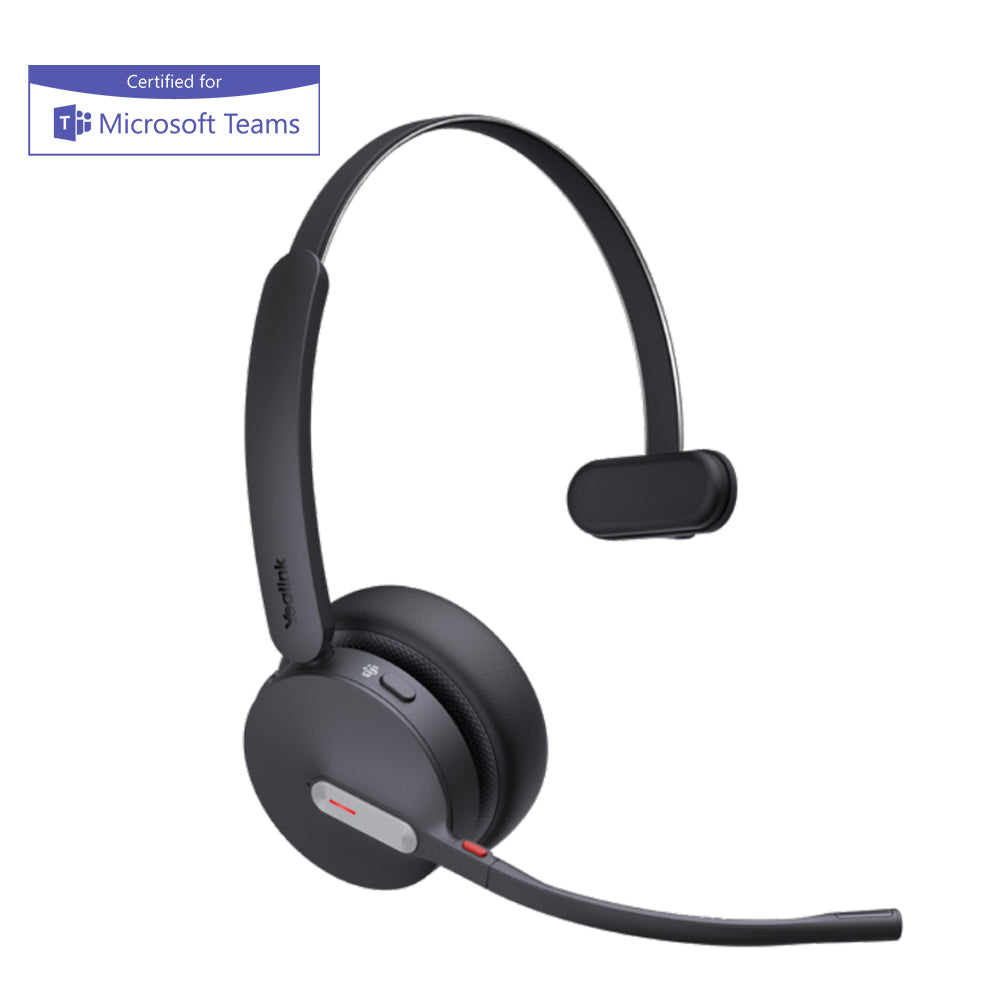
Browse Microsoft Teams headsets only after defining the controls the role requires.
Frequently asked questions
Why does my headset say muted while Teams says unmuted?
The headset may be applying local microphone mute without synchronizing the application state. Check the supported connection, firmware and integration software.
Why does the answer button work only sometimes?
Intermittent behavior can follow sleep, reconnection or competition between calling apps. Reproduce the failure with other call apps closed.
Should I use the USB dongle?
Use it when the model’s certified desktop behavior depends on that adapter or when direct Bluetooth produces inconsistent controls.


Comments (0)