

























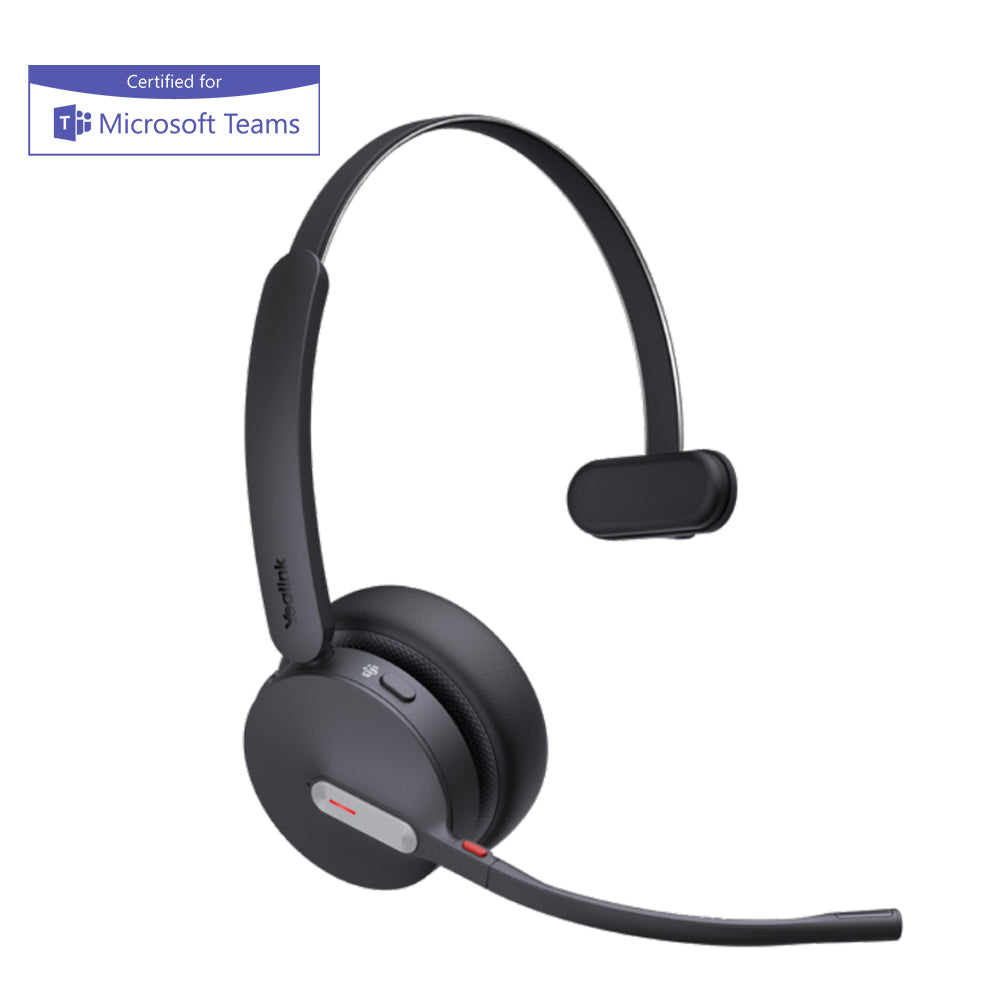
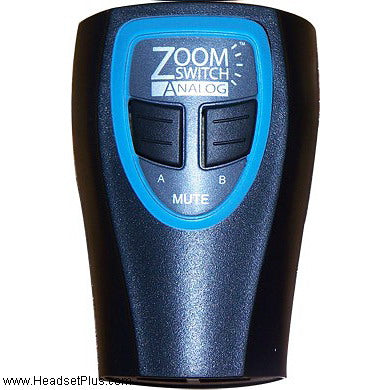


If your office runs shared desks or multiple shifts on the same phones, outfitting everyone with wireless headsets raises a question a single-user buying guide never answers: do you buy full extra systems, or just the individual replacement pieces? Get this wrong and you either overspend or end up with headsets that don't actually work with your existing bases. Here's how to think it through.
Key takeaways
- The two questions to answer first: how many phones need wireless headsets, and how many spare/add-on headsets does each phone need?
- Below roughly 3 add-on headsets per phone, buying full extra systems is often cheaper than piecing together components.
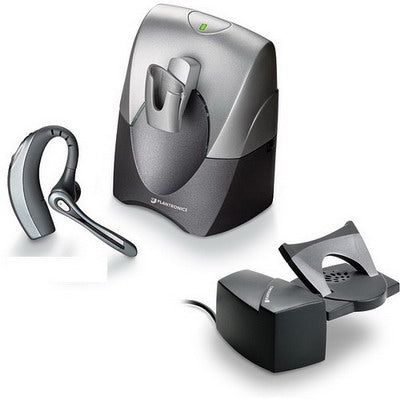
- Every wireless headset system has three parts: the headset, the base/cradle, and the charging bank.
- Convertible-style headsets add cost, since replacement units are sold without the extra wearing-style accessories (headbands, ear tips) already in your kit.
- Always confirm a replacement headset is compatible with your exact existing base before ordering.
Full systems or individual components? The scale question
The two questions that decide this are: how many phones actually need a wireless headset, and how many spare or add-on headsets does each phone need across shifts or shared use?
If you're looking at one to three phones with three or fewer add-on headsets total, it's usually cheaper to simply buy additional full wireless systems outright, rather than sourcing individual components. A full system bundle includes a backup base and AC adapter as standard — buying those separately as spare parts often costs more than just buying another complete system.
Myth
Buying individual replacement headsets is always cheaper than buying full systems.Reality
Not at small scale. If you only need one to three phones covered with three or fewer add-on headsets, a full replacement system — headset, base, and AC adapter together — is often the more cost-effective option, since you get the backup hardware bundled in. Piecing together individual components only becomes the more economical path once you're outfitting enough desks that a multi-bank charging station and bulk headset ordering start to pay off.The three components of a shared wireless headset setup
Once you're past the small-scale threshold, every existing wireless headset system for desk-sharing or multi-shift use breaks down into three separate purchasable parts:
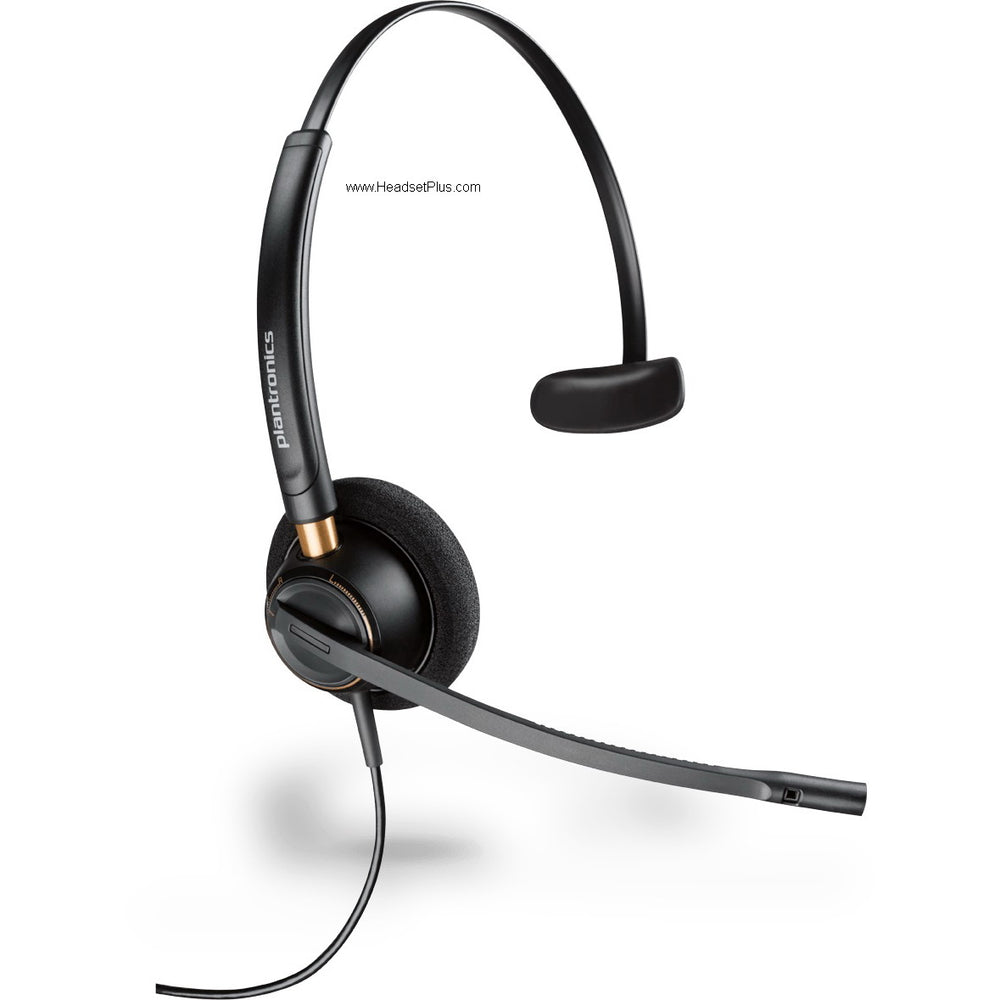
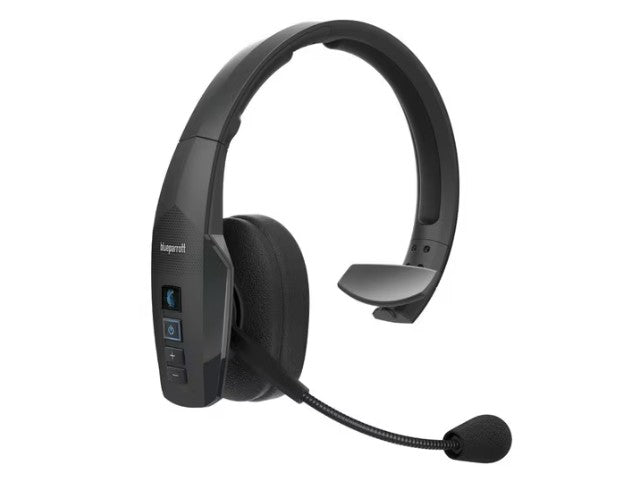
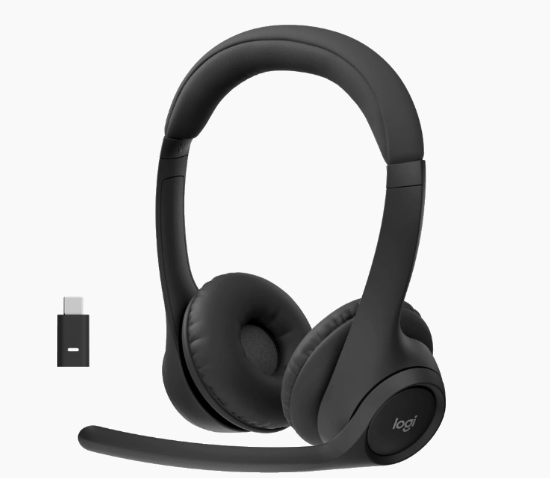
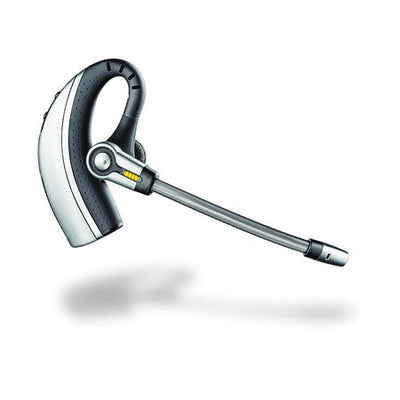
- The headset — the replacement or additional unit worn by each shift or user.
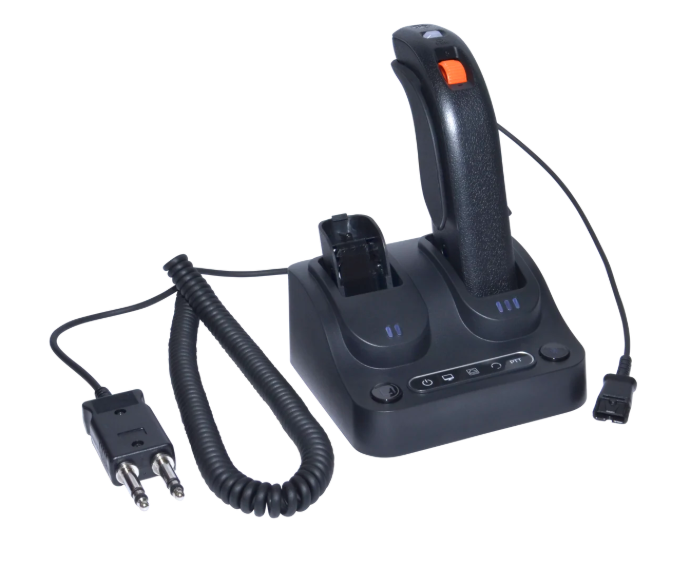
- The base/cradle — holds the headset and connects it to the charging bank.
- The charging bank — comes in single-bank (one headset) or larger 5-bank models (up to 5 headsets charging at once), letting a whole shift's worth of headsets stay topped up between uses.
Whichever combination you choose, the critical step is confirming your replacement headset is fully compatible with your existing base — mixing components across models or brands generally won't work. Our guide to identifying your Plantronics wireless headset by its base code is the fastest way to confirm exactly what you already have before ordering.
Wearing style affects cost too
Convertible-style headsets (wearable over-the-head, over-the-ear, or behind-the-neck) tend to cost more to expand into a shared setup, because manufacturers sell the wearing-style accessories — headbands, ear tips — separately from a bare replacement headset. That's by design: most replacement headset purchases are for a broken or damaged unit, where the buyer already owns the accessories from their original kit. If you're adding brand-new headsets to a shared pool rather than replacing a damaged one, factor in whether you'll need those accessories purchased separately.
Current systems built for this use case
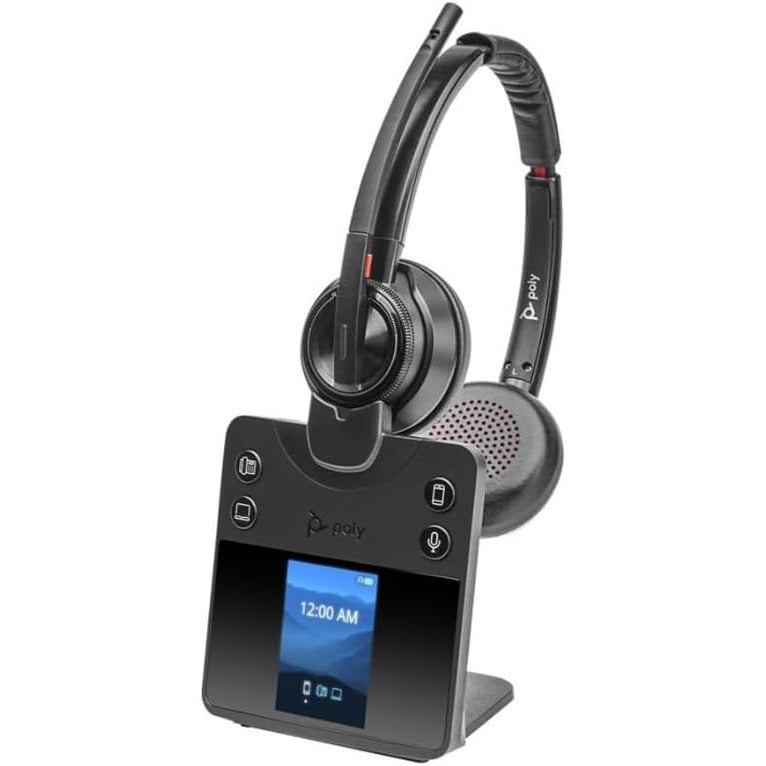
For desk-sharing and multi-shift environments specifically, the Poly Savi 8445 is worth particular attention — it ships with two hot-swappable batteries, so a headset can move between shifts without ever needing a full recharge cycle. The Poly CS540 is the standard, more affordable choice for straightforward desk-sharing where unlimited talk time isn't required.
Is it cheaper to buy extra headset systems or individual parts for desk sharing?
For 1-3 phones with 3 or fewer add-on headsets, buying additional full systems is usually cheaper, since it includes a backup base and AC adapter. Beyond that scale, ordering individual headsets, bases, and a shared multi-bank charging station typically becomes more cost-effective.
What parts make up a wireless headset system for shared use?
Three components: the headset itself, the base/cradle that holds and connects it, and the charging bank, which comes in single-bank or larger 5-bank models for charging multiple headsets at once.
Why are convertible wireless headsets more expensive to add to a shared pool?
Manufacturers sell convertible headsets' wearing-style accessories (headbands, ear tips) separately from a bare replacement unit, since most replacement purchases are for damaged headsets where the buyer already has those accessories. Adding new headsets to a shared pool means budgeting for those accessories separately.
What's the best wireless headset for multi-shift desk sharing?
The Poly Savi 8445 is well suited to multi-shift use, since it ships with two hot-swappable batteries so a headset never needs a full charge cycle between shifts. The Poly CS540 is a more affordable option for straightforward desk-sharing without that requirement.
Desk-sharing and multi-shift wireless headset setups come down to matching your scale to the right purchasing strategy, and confirming every component is compatible with what you already have. Call our headset experts at 877-999-3838 to work through the numbers for your exact setup, or browse the current range on the wireless headsets collection.

Comments (0)