
























What equipment do 911 dispatchers use?
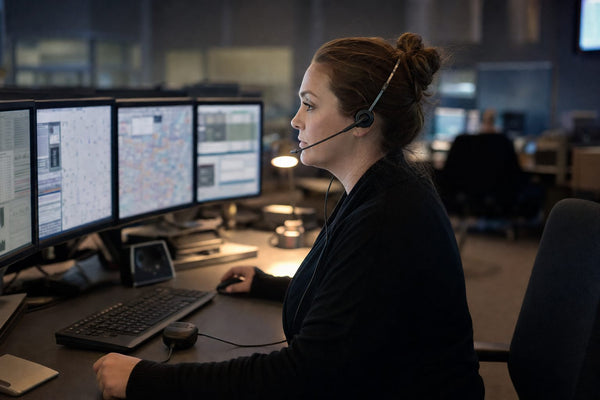
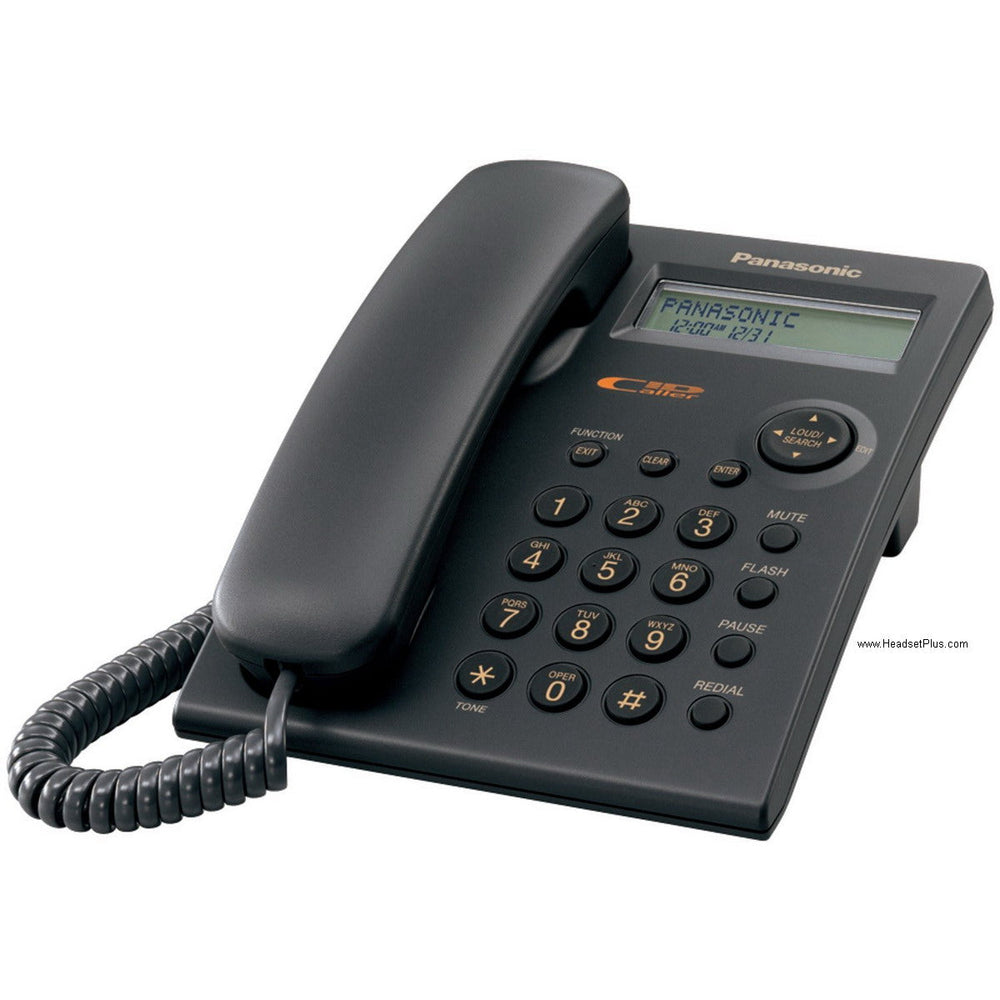
911 dispatchers work with five pieces of equipment at every position: a 911 phone system that shows the caller's number and location, computer-aided dispatch (CAD) software where the call is logged and units are sent, a radio console for talking to crews in the field, a logging recorder that captures every call and transmission, and a headset that connects the dispatcher to both the phone and the radio.
The agency buys and configures the first four as one system. The headset is the one piece chosen around the person wearing it.
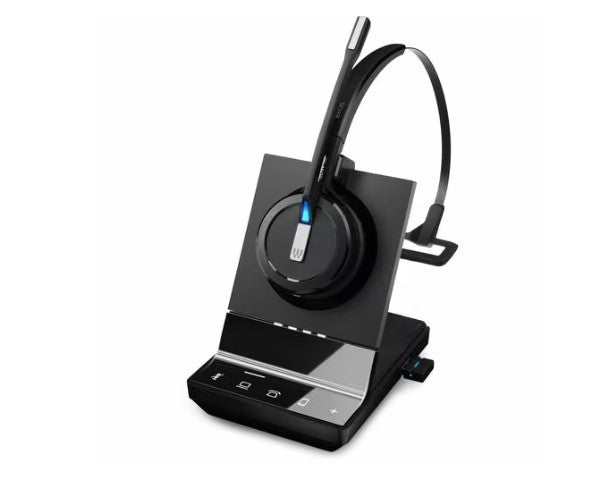
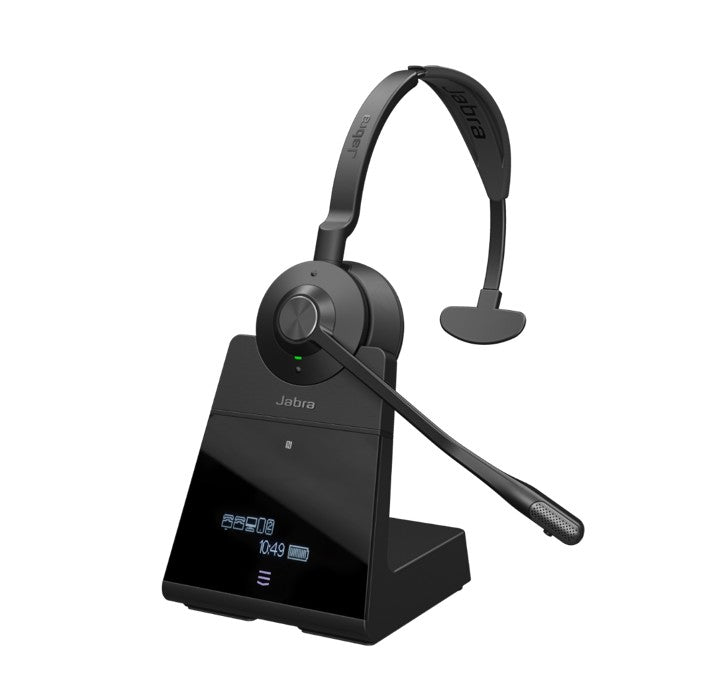
If you're equipping a position, the headset side is where you have the most choices, and our dispatch headsets range covers the headsets and push-to-talk amplifiers that plug into these consoles.
The five systems at a dispatch position
Each system handles one stage of a call, from the moment the line rings to the moment the incident is closed.
The 911 phone system
The phone system answers the call and puts the caller's details on screen before the dispatcher says a word. Two pieces of data arrive with the call: ANI, the caller's number, and ALI, where the call is coming from.
ALI (Automatic Location Identification): The automatic display at the 911 center of the caller's telephone number, the address or location of the telephone, and supplementary emergency information about where the call originates, as NENA defines it.
That location data is what lets a call-taker confirm an address instead of starting from nothing.
Computer-aided dispatch (CAD)
CAD is the incident record. The call-taker enters the location, the reporting party and the incident type, and the dispatcher uses the same screen to see which units are available, assign them and track their status until the call is cleared. Most CAD systems also pull in the caller's number, vehicle locations and the mobile data terminals in patrol cars and apparatus.
The radio console
The radio console is how the dispatcher talks to officers, firefighters and medics in the field. On a modern IP console such as Motorola's MCC 7500, the console is software on a Windows PC: each radio channel or talkgroup is a tile on screen with its own volume, patch and select controls, and telephone lines can be patched to radio channels from the same screen.
The logging recorder
The logging recorder keeps a copy of everything. Recorder makers such as Exacom describe capturing the 911 audio, the radio transmissions, text messages and what was typed into CAD for the same incident, which is what supervisors use for quality review and what an agency relies on when a call is questioned later.
The headset
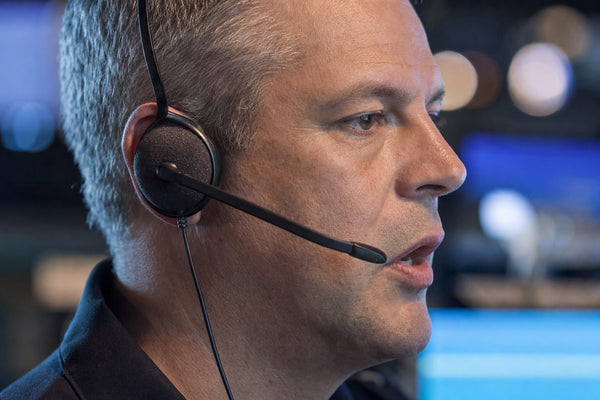
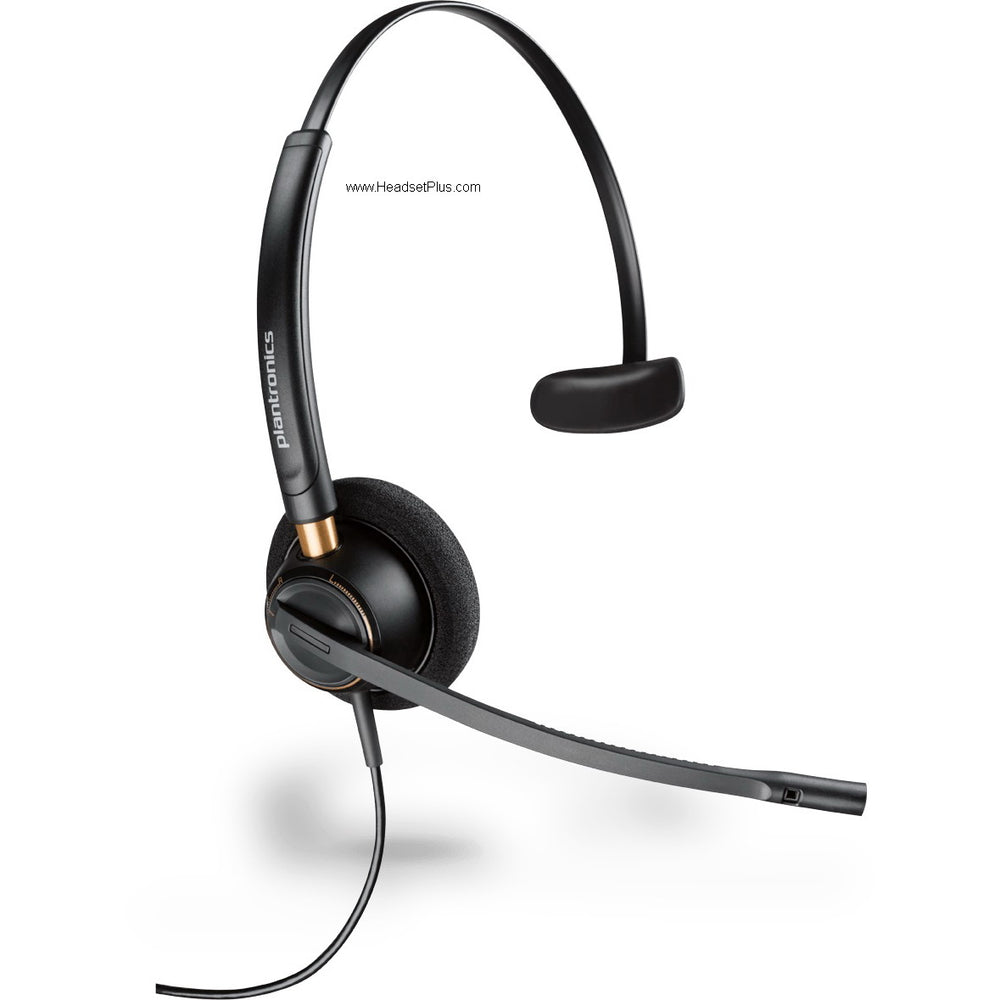
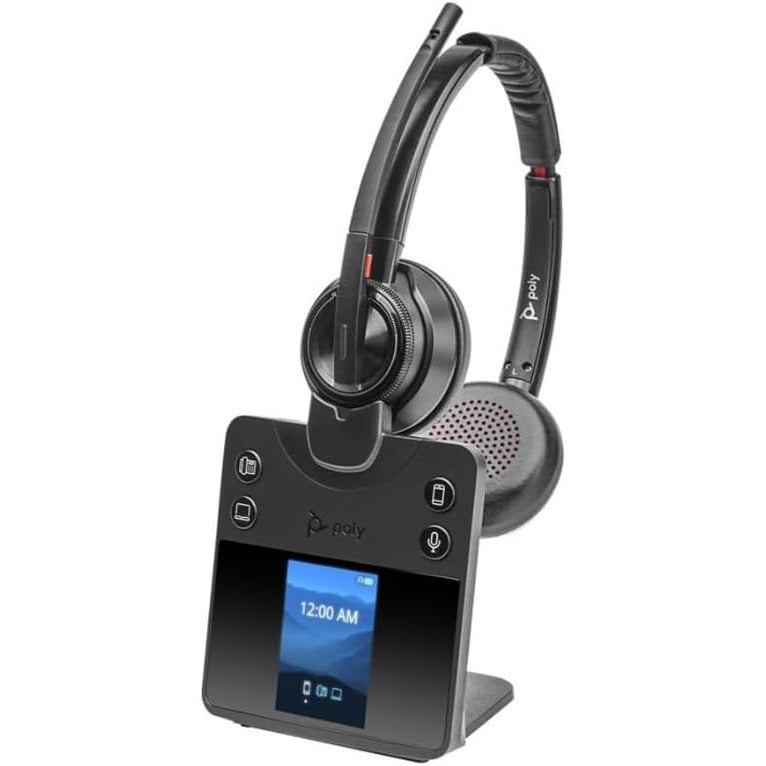
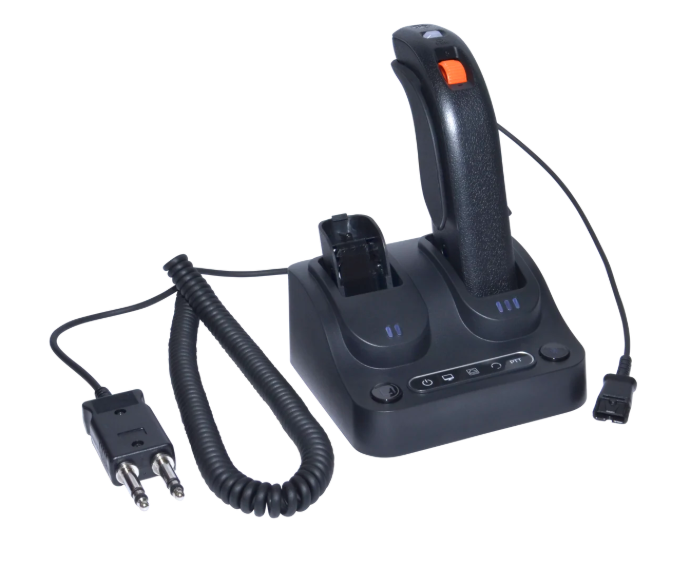
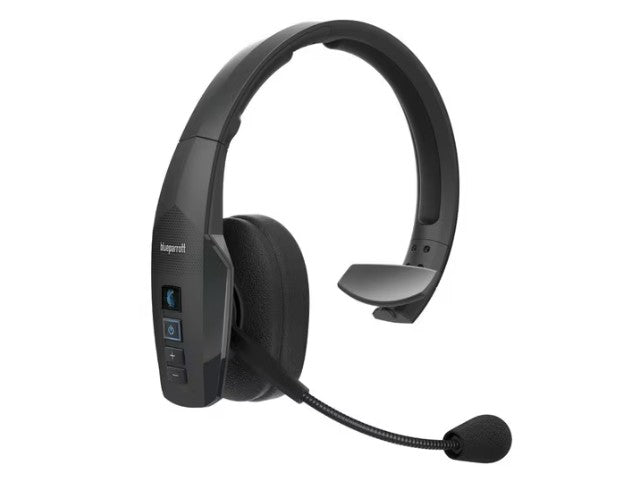
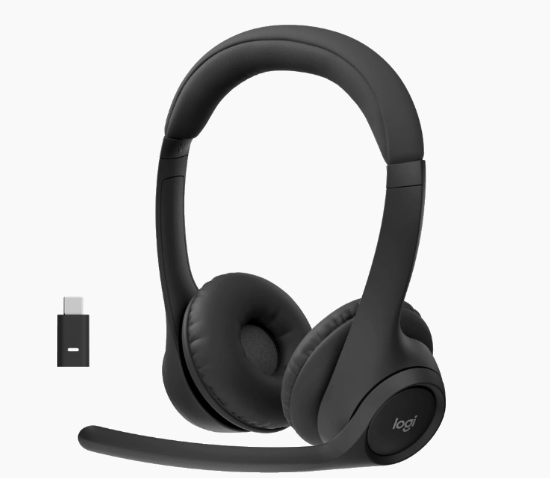
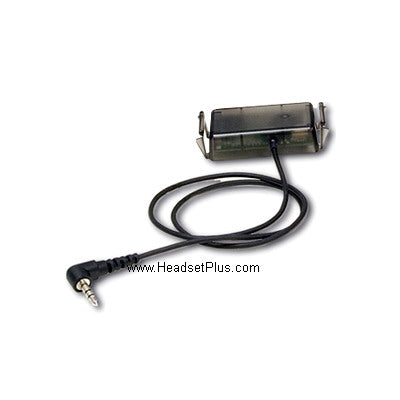
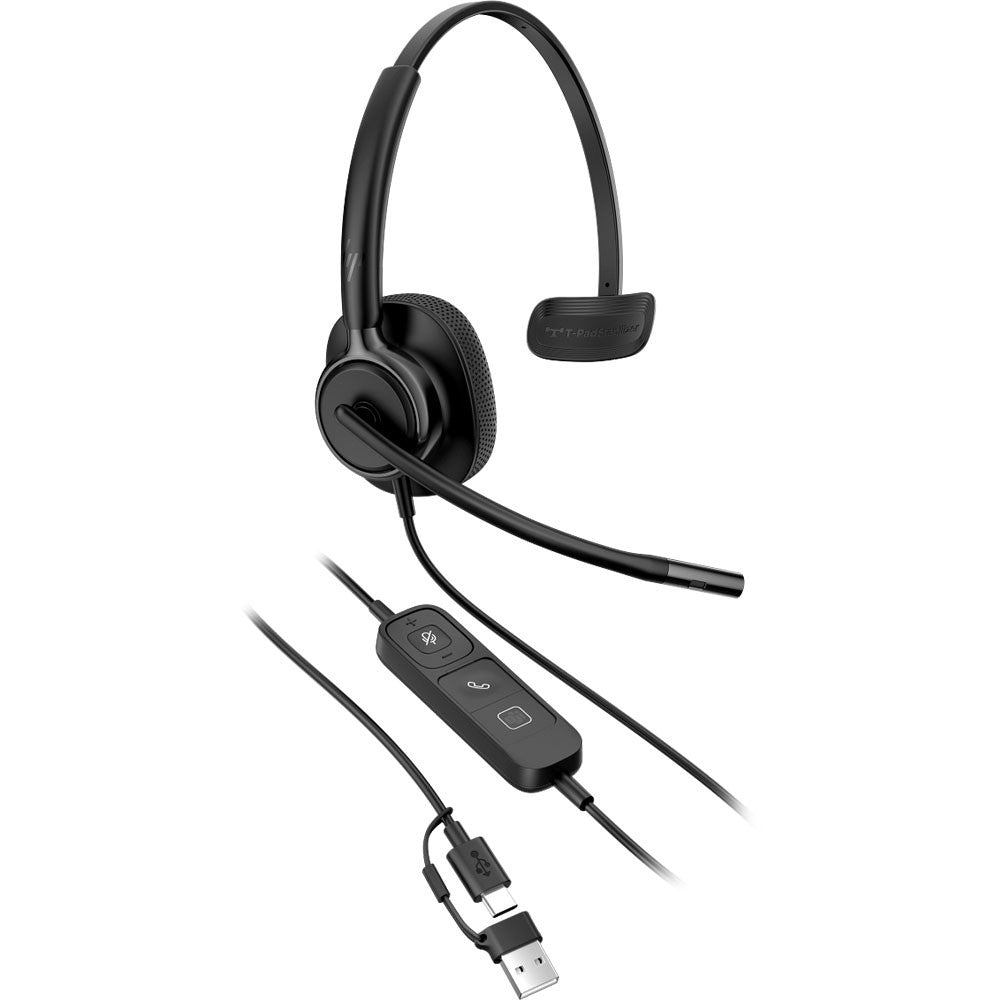
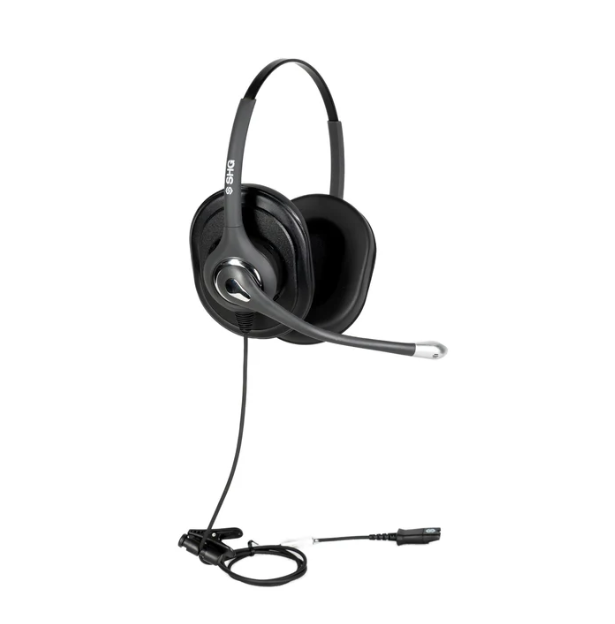
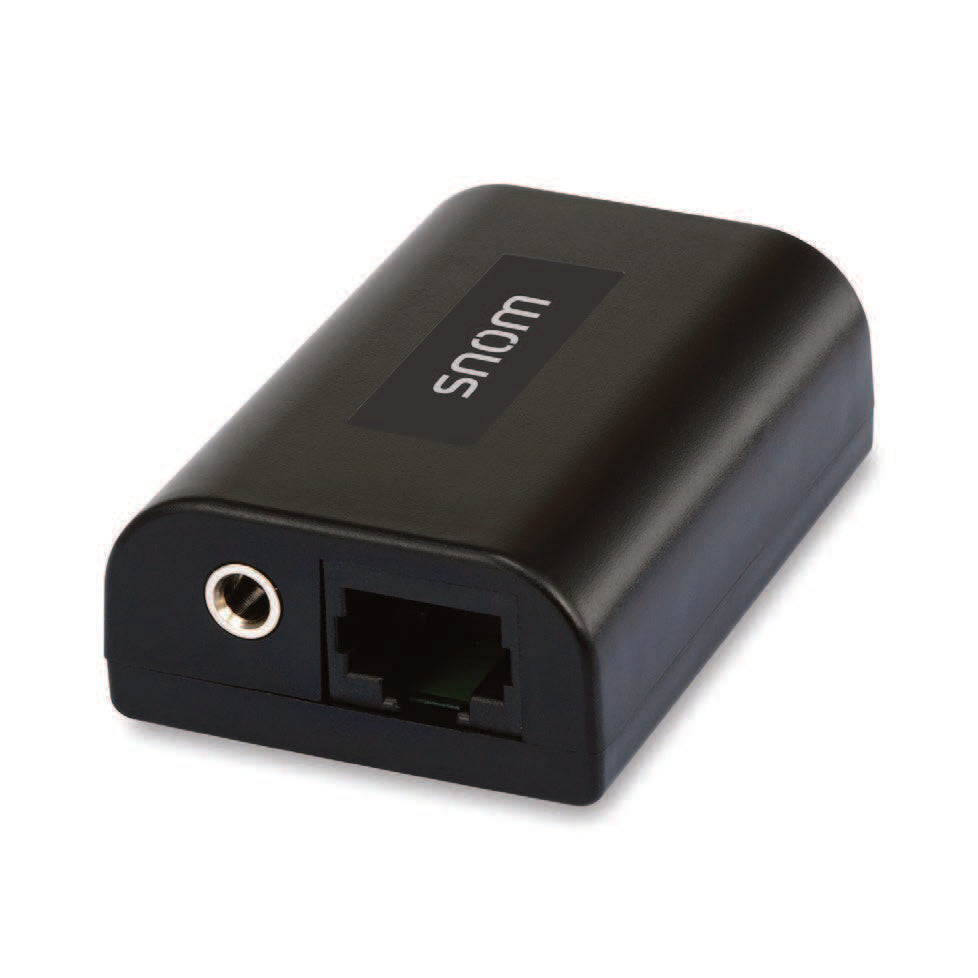
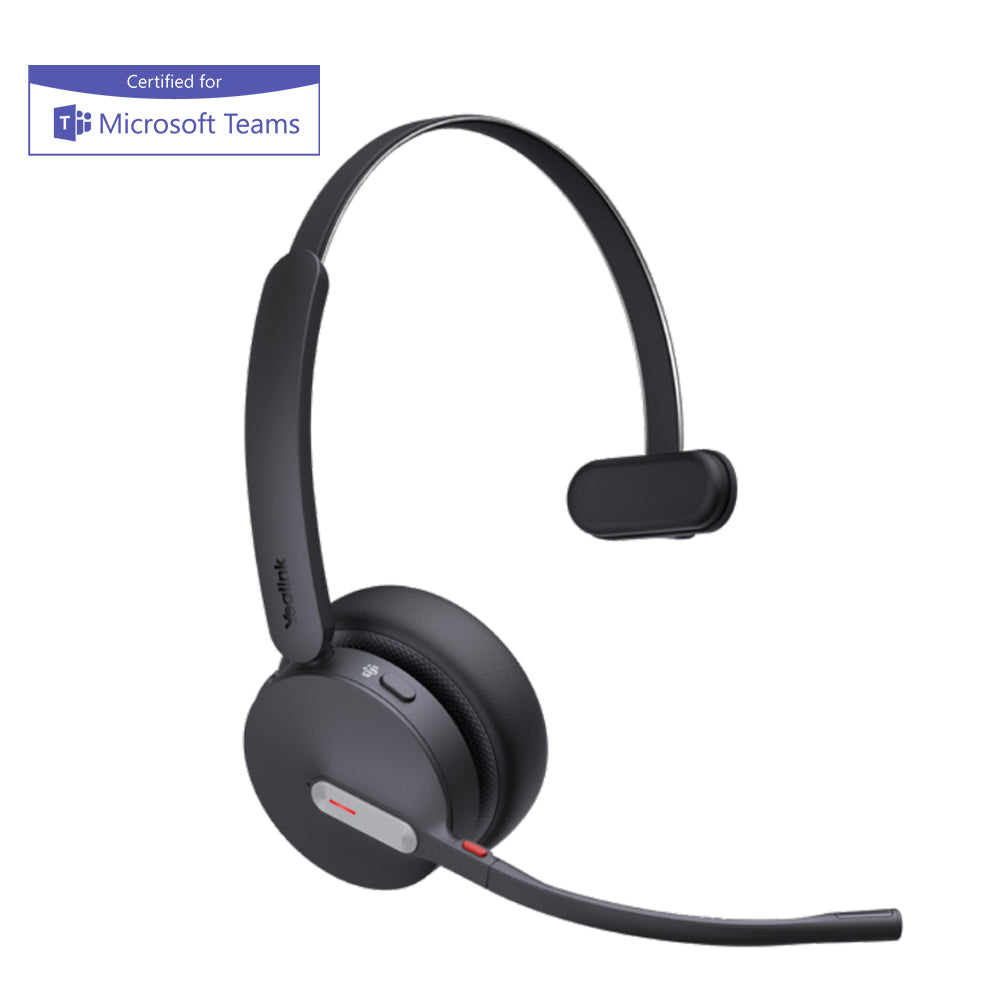
The headset is the only part of the position the dispatcher wears, and it carries both the phone call and the radio. It doesn't plug straight into the console: it connects through a push-to-talk amplifier or jack box that decides when the microphone goes out over the radio. How that works is covered in what headsets 911 dispatchers use.
How one headset handles the phone and the radio
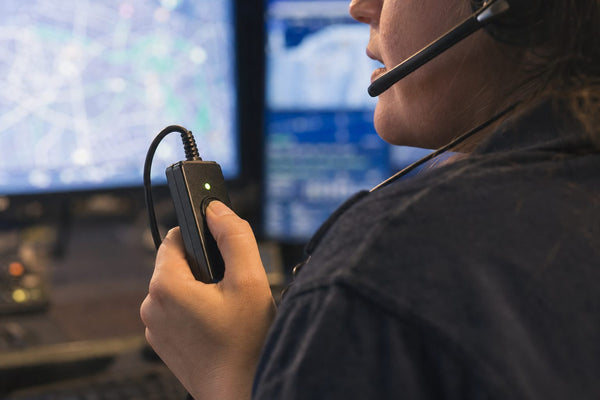
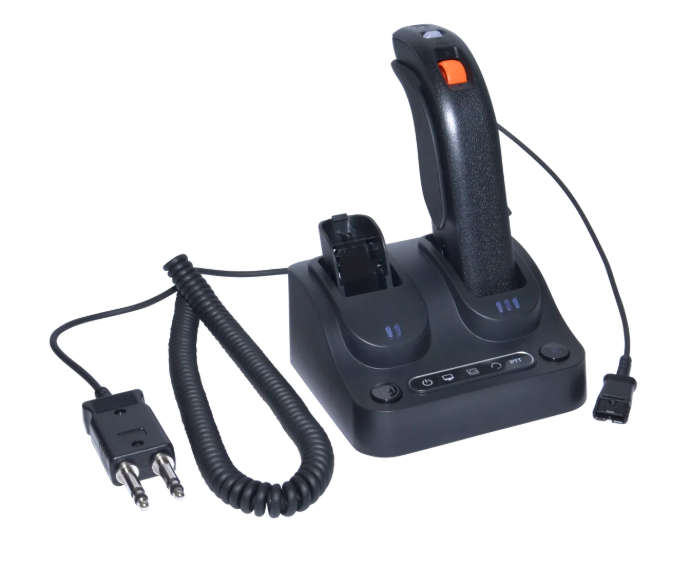
A single headset hears both audio sources, and the push-to-talk (PTT) control decides where the dispatcher's voice goes. The phone side stays open like a normal call. The radio only hears the dispatcher while PTT is held, which is why the amplifier, footswitch or on-screen button matters as much as the headset itself.
The console provides the jack. Motorola's MCC 7500 data sheet lists what one operator position connects to, and it shows how much of the desk is audio equipment:
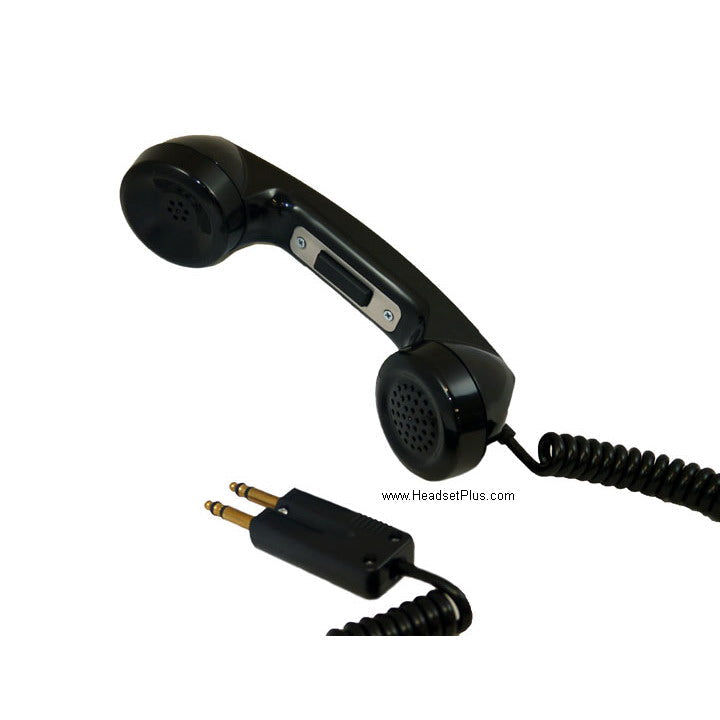
The second headset jack is what lets a trainer sit in on a new dispatcher's calls. The amplifier that sits between headset and jack has to match the console's wiring: the 6-wire PJ-7 two-prong plug has been the standard on radio dispatch consoles for decades, while newer PC-based positions use USB. If you want the full picture of that button, read what push to talk is and how it works at a console.
Footswitches and hands-free keying
A footswitch keys the radio so both hands stay on the keyboard and CAD. Dispatchers type while they talk, and holding a button on a cord or amplifier takes a hand away from the incident record. Consoles like the MCC 7500 have a dedicated footswitch input for this reason, and newer PC-based positions take USB footswitches. We carry them in PTT foot switches.
Screens, speakers and the rest of the desk
A typical position has several monitors, because CAD, mapping and the radio console each want their own screen. Desk speakers carry radio channels the dispatcher is monitoring but not working, so the headset can stay on the active call while other traffic plays in the room. A gooseneck desk microphone is often there as a backup.
What the agency provides and what the dispatcher chooses
The phone system, CAD, console and recorder are agency systems, specified and maintained centrally, and a dispatcher has no say in them. The headset is different. It's worn for the whole shift, so fit, weight and one ear or two are personal choices, and the headset top can unplug at a Quick Disconnect so each dispatcher keeps their own while the amplifier stays at the desk. Our QD connector guide explains how that connection works.
What does ANI and ALI mean on a 911 screen?
ANI is Automatic Number Identification, the caller's phone number. ALI is Automatic Location Identification, the address or location tied to that number. Both appear on the dispatcher's screen automatically when a 911 call arrives.
Can a 911 dispatcher use a wireless headset?
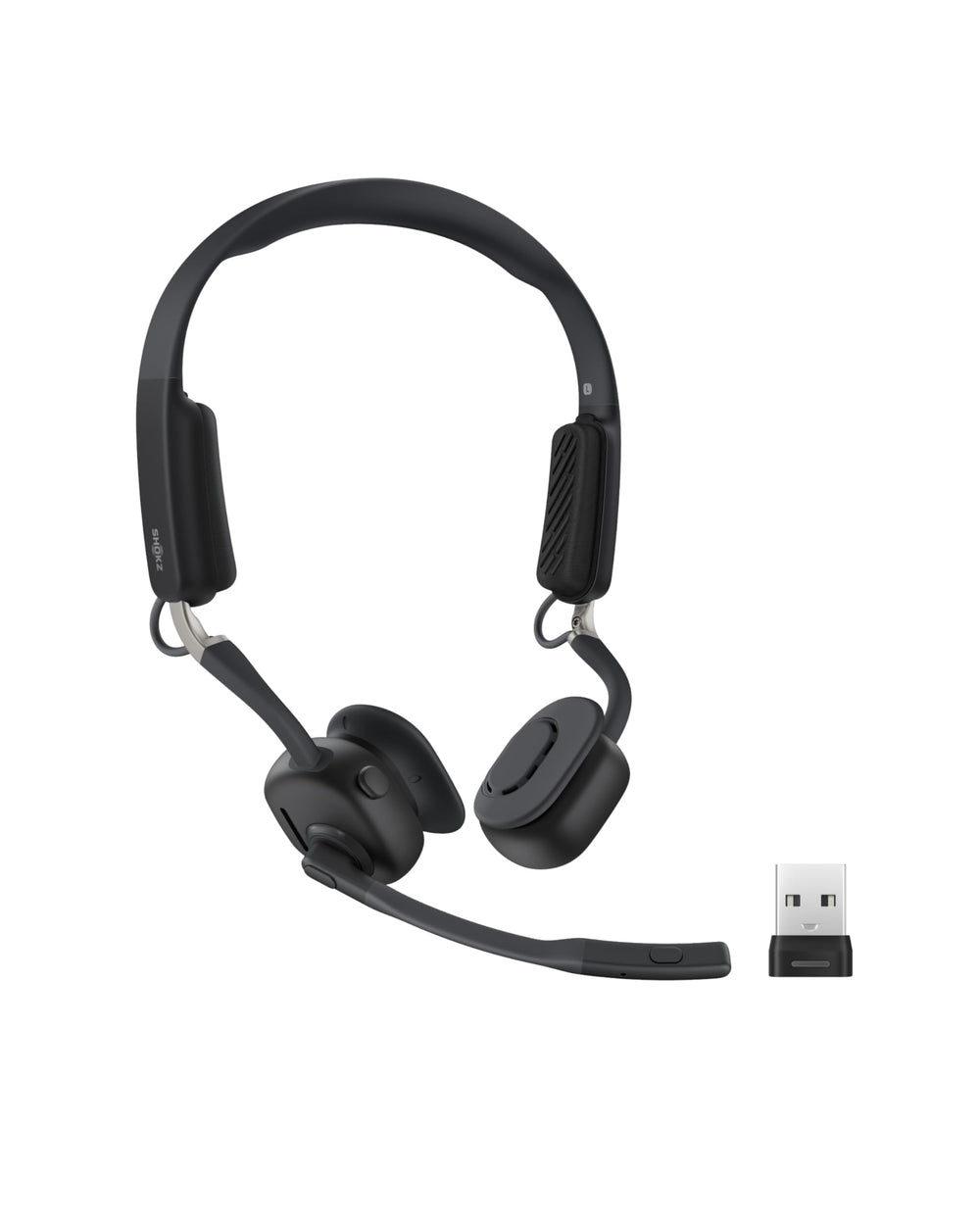
Yes. Wireless push-to-talk adapters exist for dispatch consoles, with a base that plugs into the console and a headset that keys the radio from a remote button. They trade the cord for batteries that need charging between shifts.