






















What headsets do 911 dispatchers use?
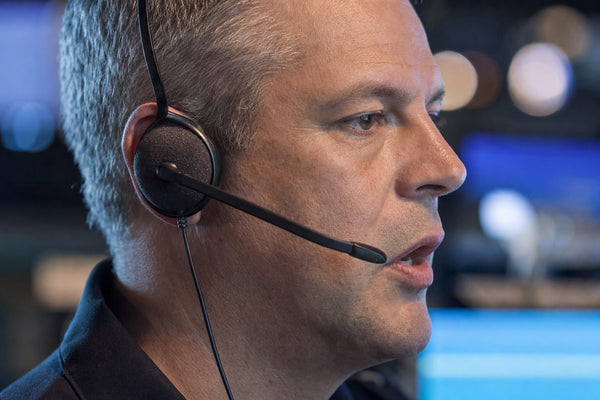
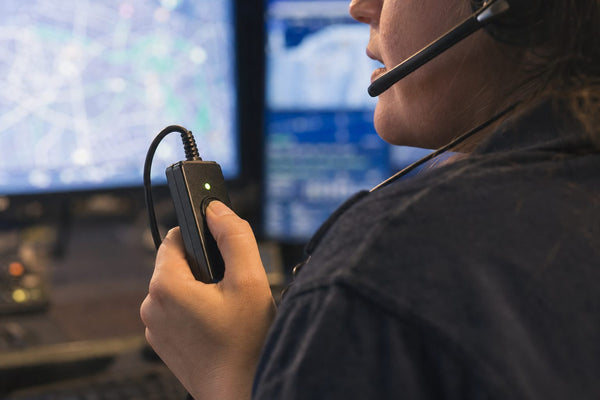
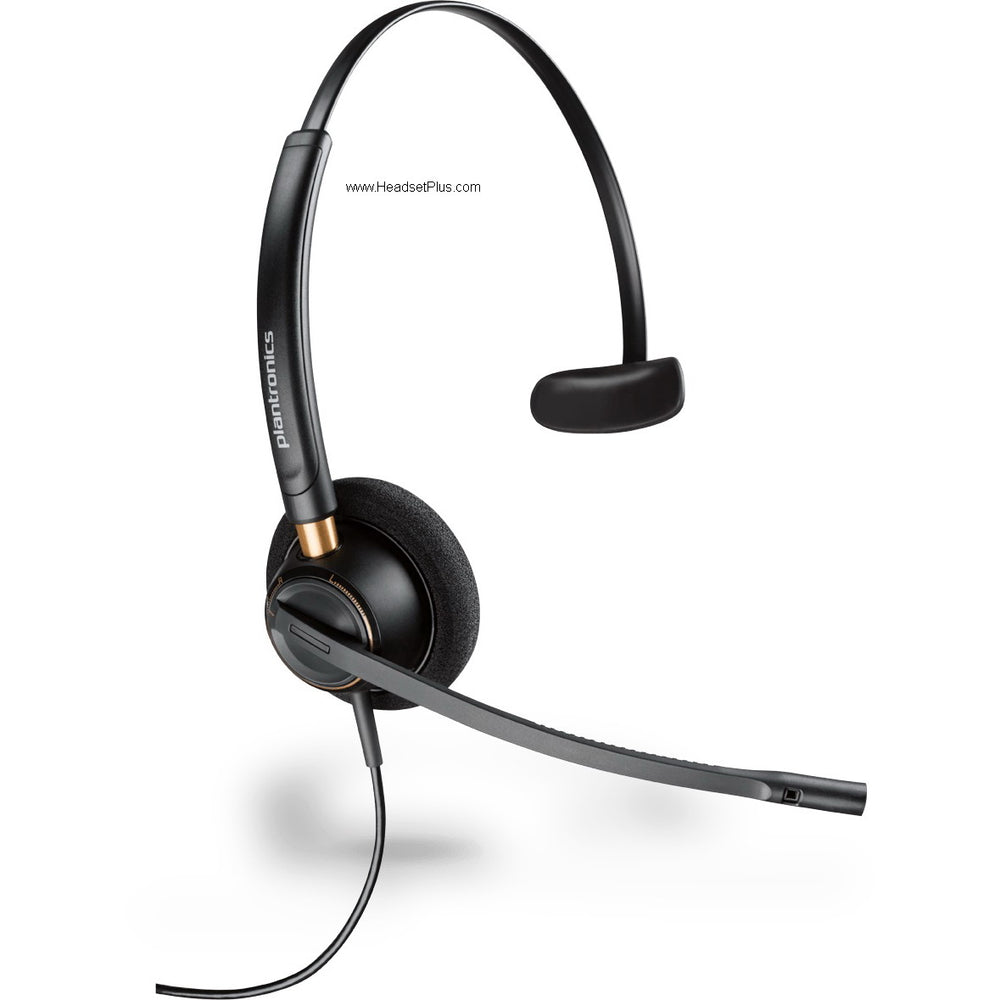
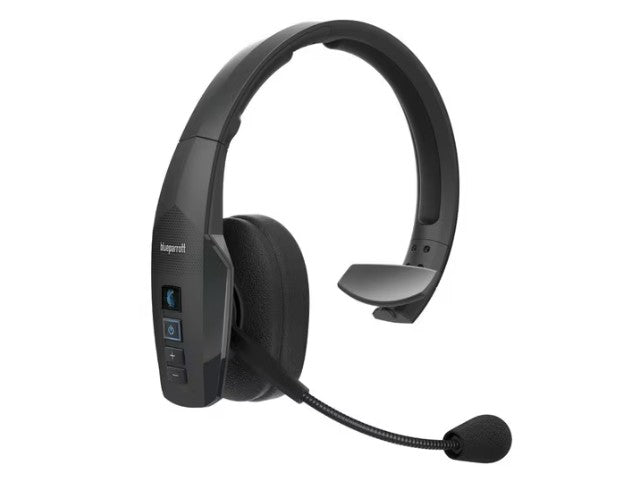
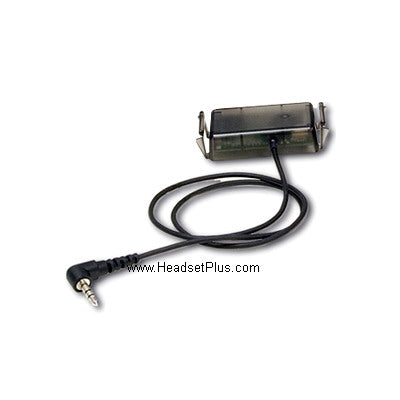
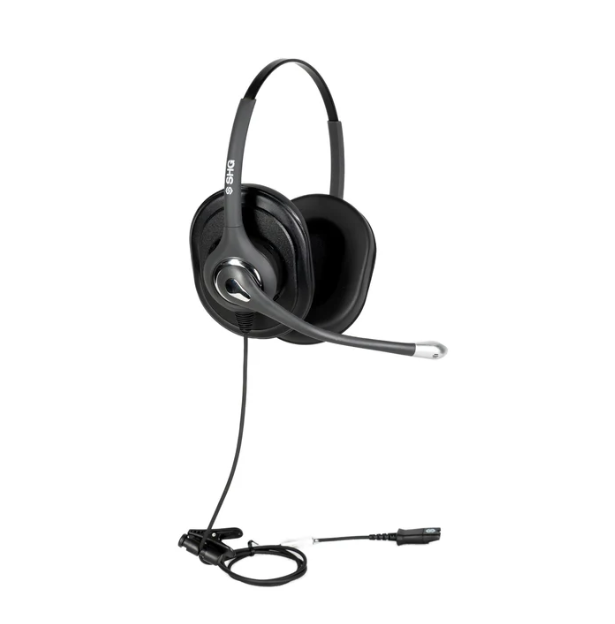
911 dispatchers use lightweight one-ear or two-ear headsets with a Quick Disconnect (QD) cord, plugged into a push-to-talk (PTT) amplifier that matches the console's wiring. The headset never plugs straight into the console. The amplifier carries both the phone and the radio and lets the dispatcher key the radio.
Poly used to make most of this equipment and has stopped. Current dispatch headsets and amplifiers come mainly from Secure Headset Group (SHG) and JPL, and they use the same QD, so headsets already on the desk keep working.
Check these before you order
- Your console's connection: a 6-wire PJ-7 plug, or USB on a PC-based position.
- The QD type on the headsets you already own, so the new amplifier fits them.
- Whether trainers need a second headset on the same position.
You'll find both halves, the headsets and the amplifiers, in our dispatch headsets collection.
A dispatch headset is two parts
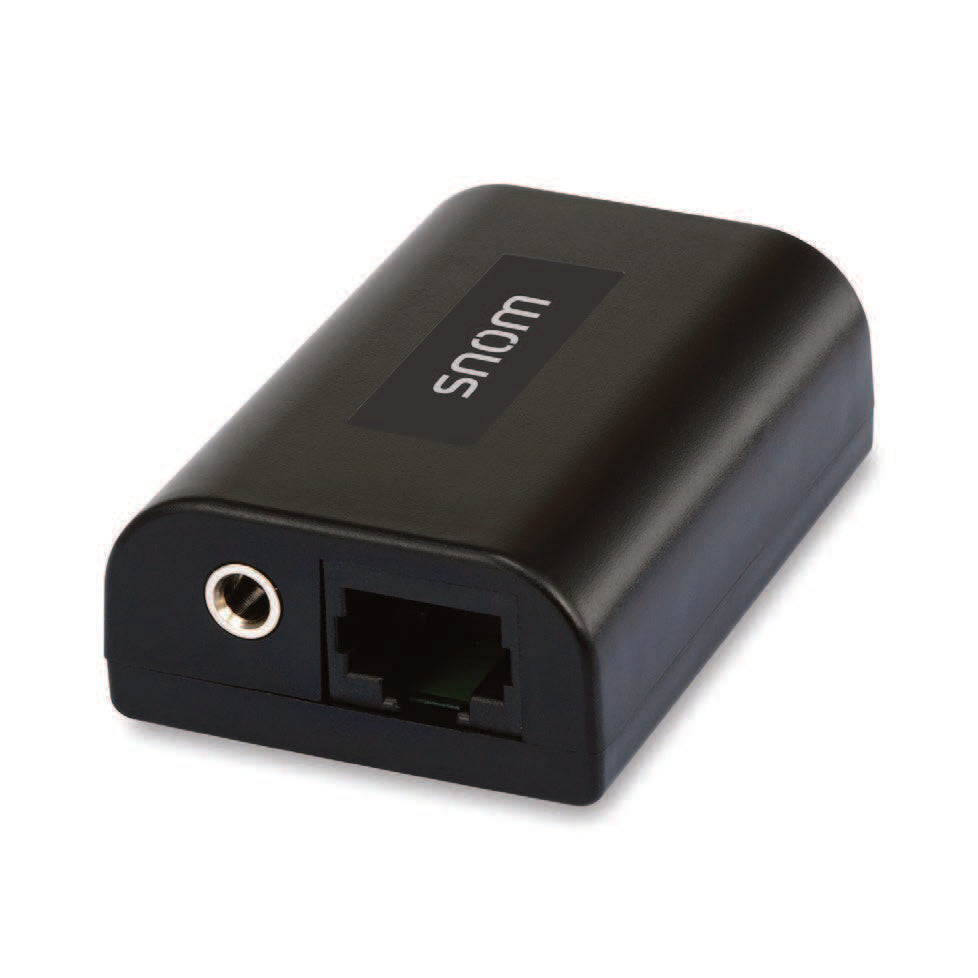
A dispatch setup is a headset top plus a PTT amplifier, joined by a Quick Disconnect. The amplifier plugs into the console and holds the push-to-talk button; the headset is the part you wear. That split is why an office headset that works on a desk phone won't work at a radio console on its own.
What people assume
Any good office headset will plug into a dispatch console.How it actually connects
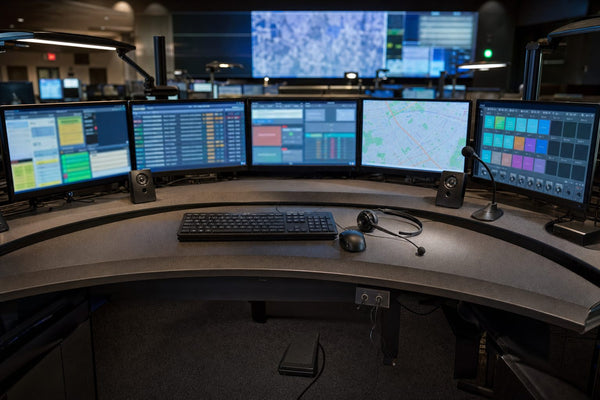
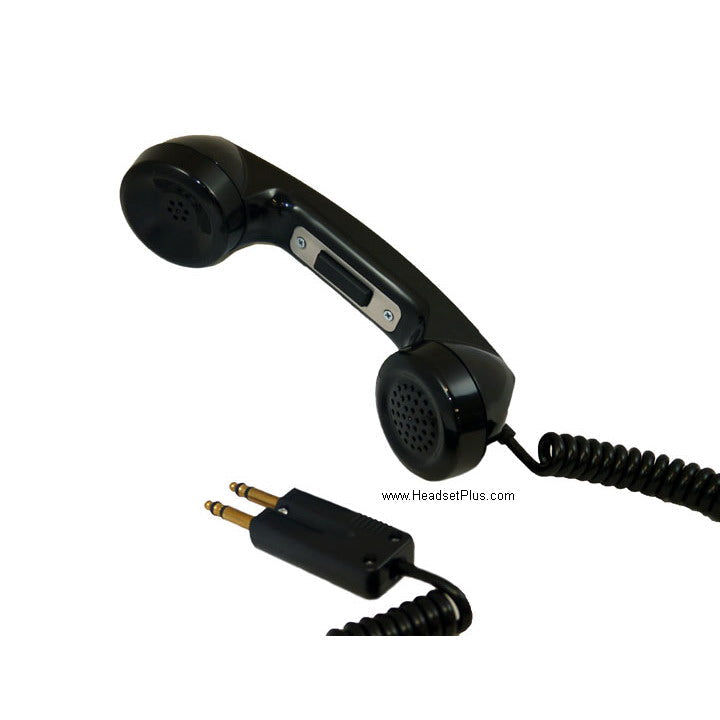
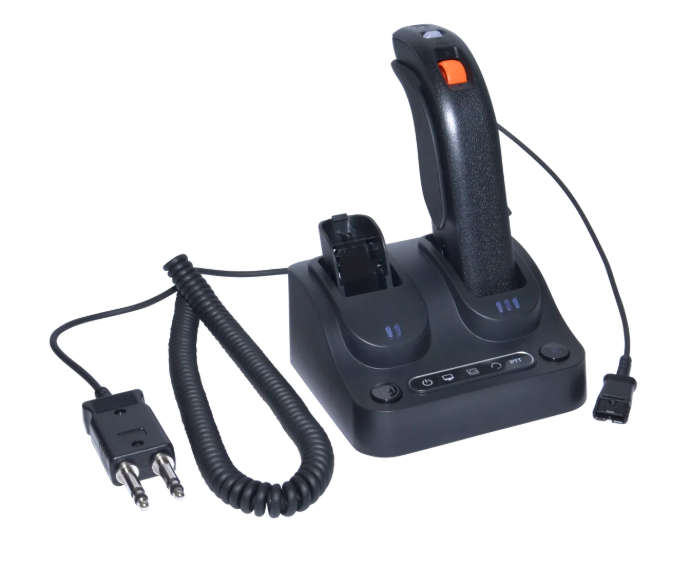
Dispatch consoles take a PTT amplifier matched to their wiring, and the headset connects to that amplifier by QD. The headset is the interchangeable part; the amplifier is the one that has to match.On traditional radio consoles the amplifier ends in a 6-wire PJ-7 two-prong plug, the standard there for decades. PC-based positions that run the console as software use a USB amplifier instead. Either way, the QD on the amplifier has to match the QD on the headset.
One ear or two?
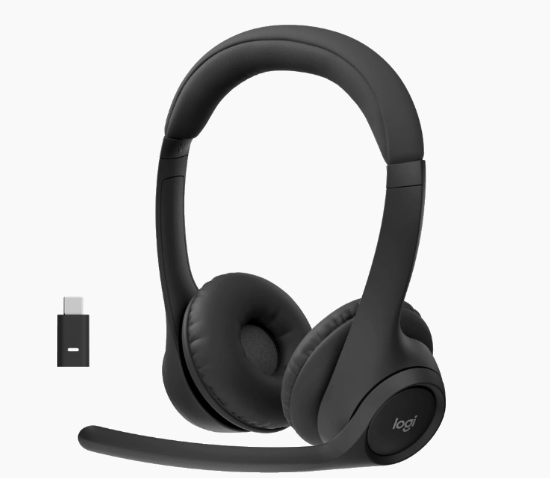
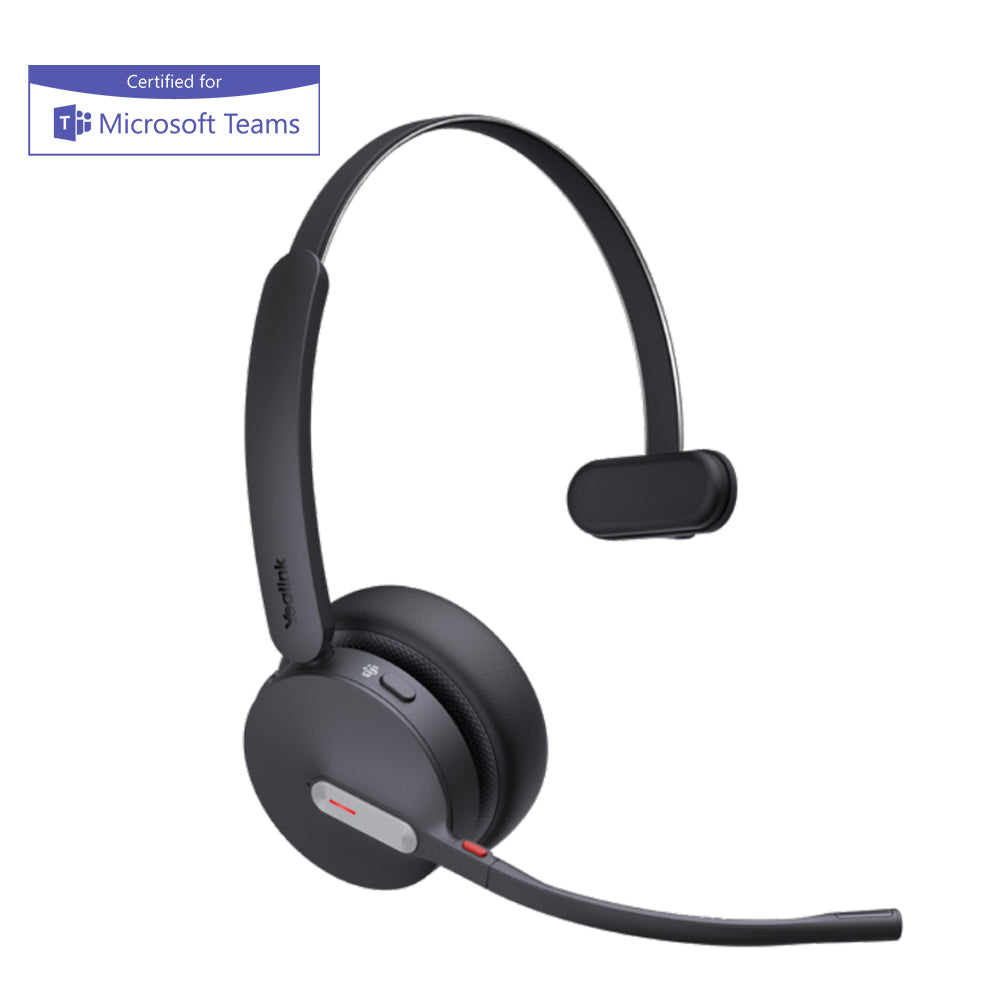
Most of the choice comes down to how much of the room you need to hear. A single earpiece leaves one ear open for the supervisor, a colleague handing off a call or the desk speakers playing other channels. Two earpieces block the room, which helps in a loud center or when you're working a long call that needs full attention. Headset makers build both for exactly this reason. Our guide to monaural vs binaural headsets goes deeper on the trade.
Wearing styles on a dispatch floor
Dispatch headsets are worn for a full shift, so weight and pressure matter more than features. You'll see three styles:
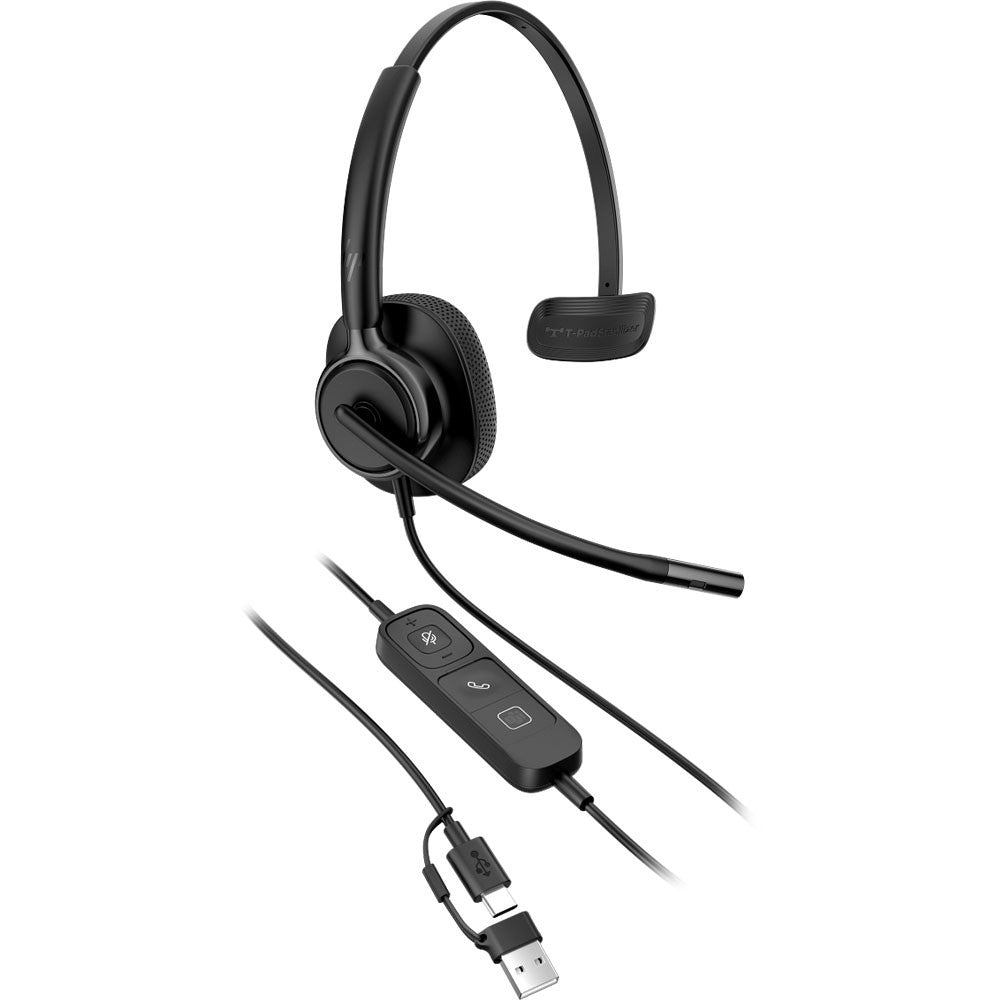
- Over-the-ear and in-ear: no headband at all, so nothing presses on the head over a long shift.
- Over-the-head, one ear: the most common desk style, stable and easy to put on and take off.
- Over-the-head, two ears: for loud rooms and dispatchers who want the floor shut out.
The microphone is the other choice. A noise-canceling boom mic cuts the room noise that reaches the radio, which matters on a busy floor. Some headsets offer a voice tube instead, a thin hollow tube with no electronics at the tip. Our noise-canceling mic vs active noise cancellation guide explains what each one blocks.
Wired or wireless at a console
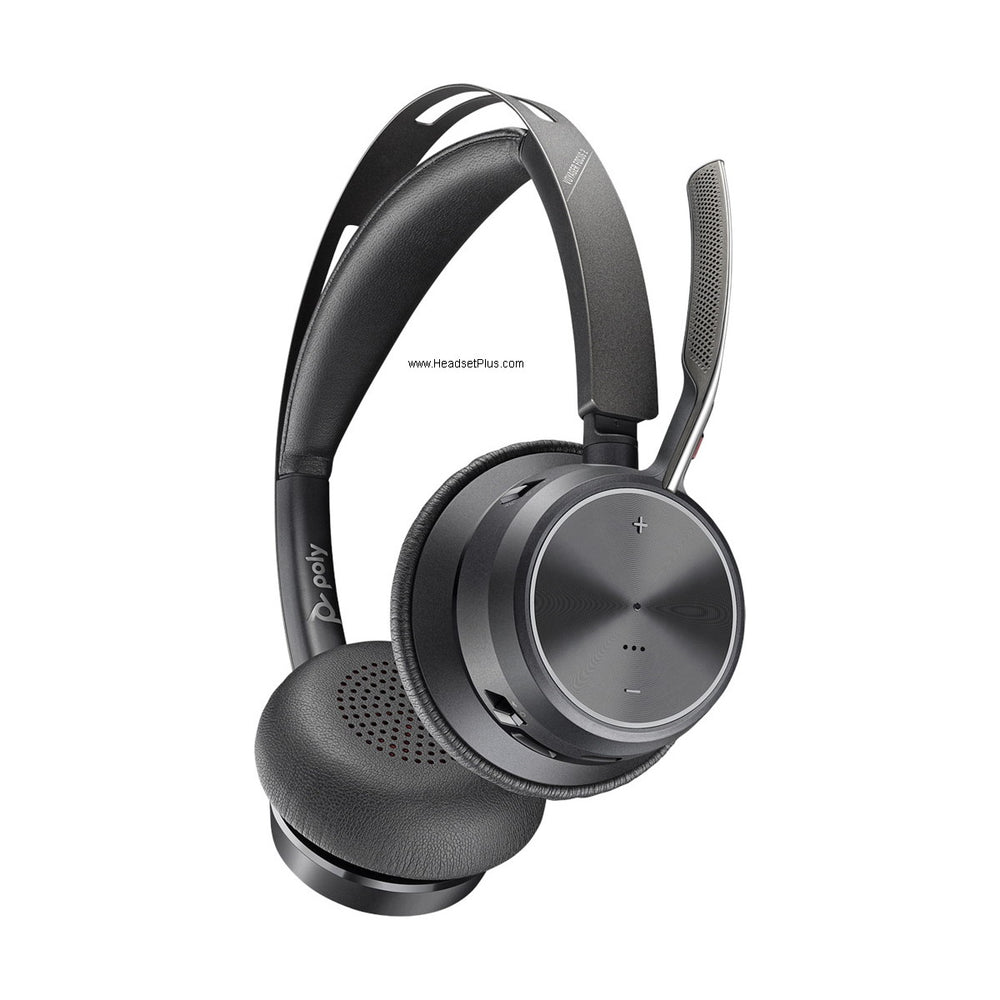
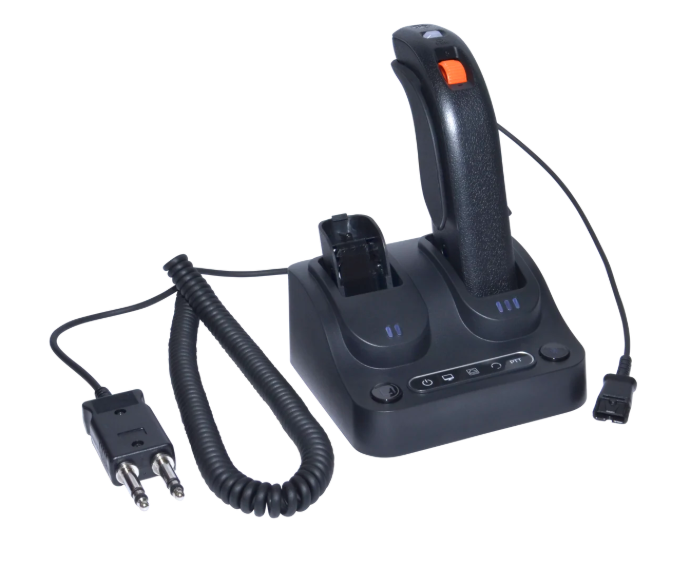
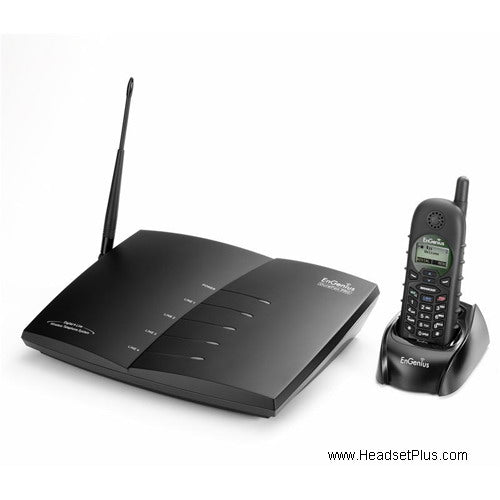
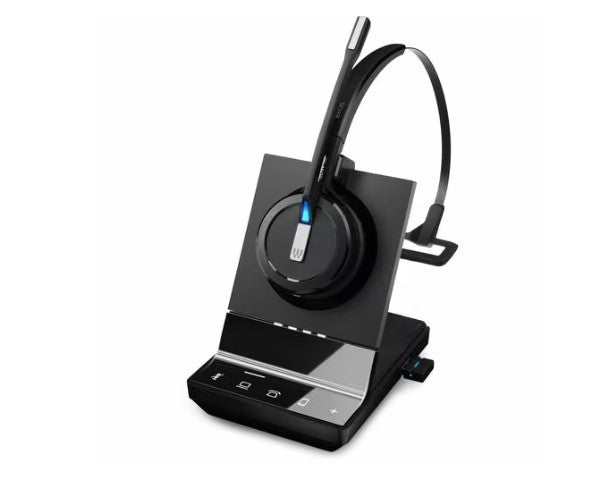
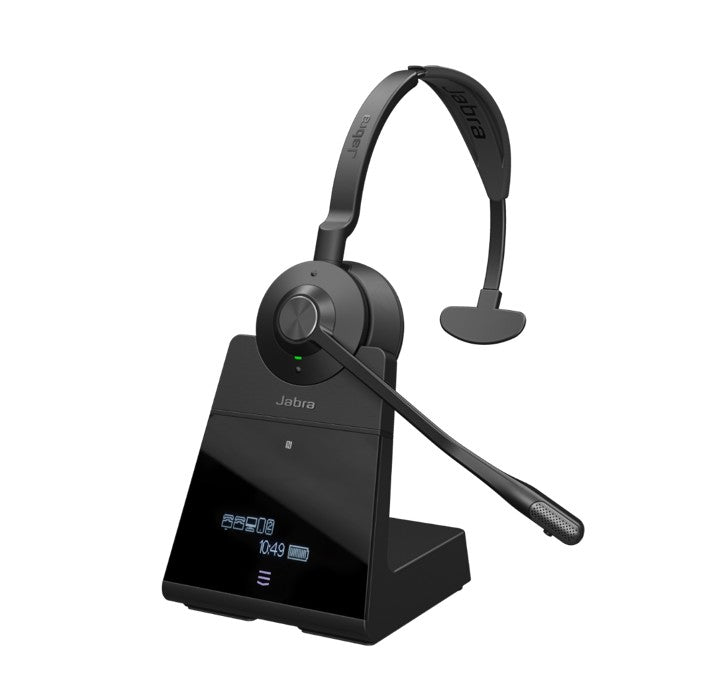
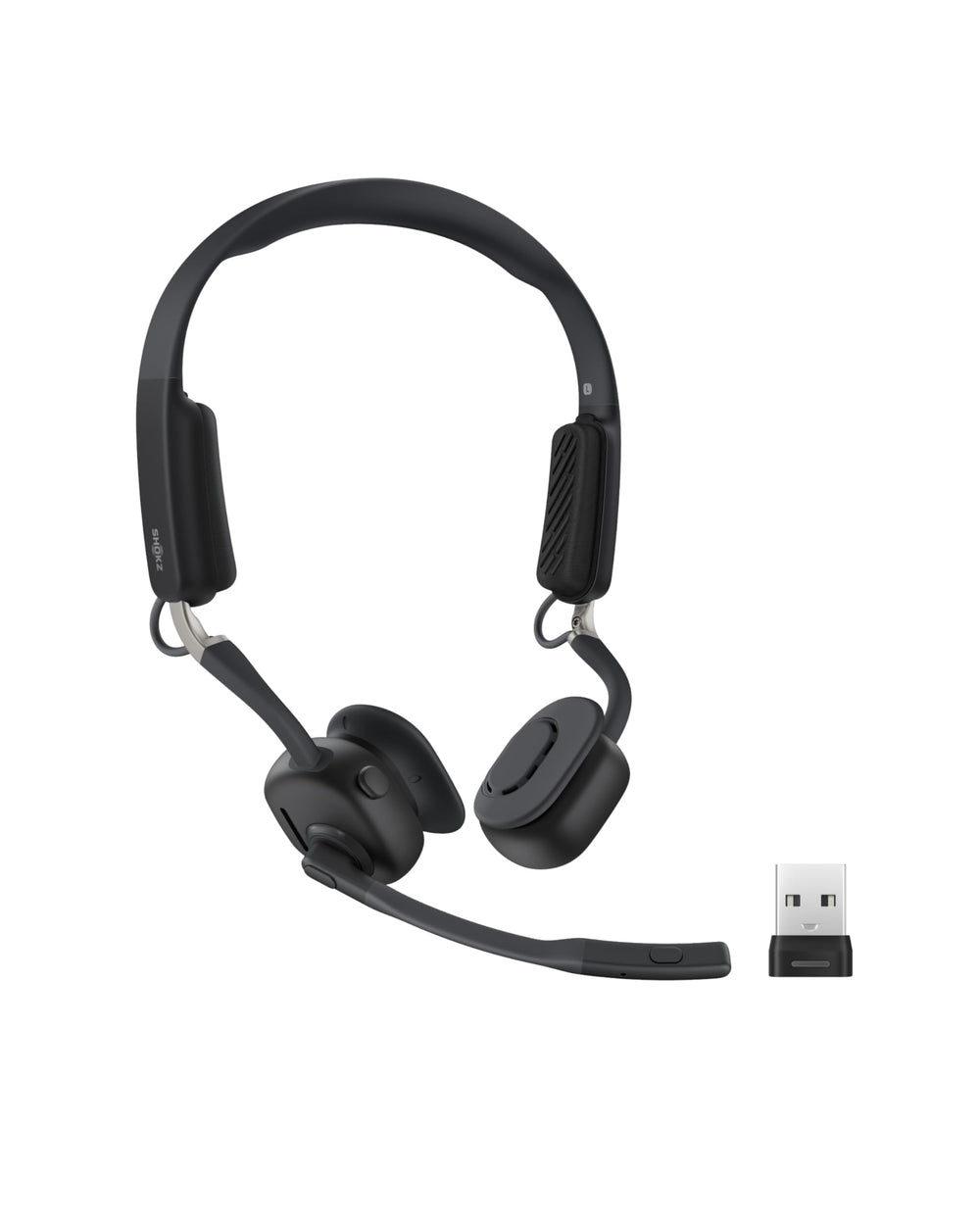
Wireless dispatch headsets exist, and they suit dispatchers who need to stand, move to a map or step to a supervisor's desk without dropping the radio. A wireless PTT base plugs into the console like a wired amplifier, often through the same PJ-7 connection, and the headset keys the radio from a remote button. Some bases, such as SHG's S D200, run two remotes at once so a trainer can listen in. The trade is batteries: someone has to swap or charge them between shifts.
What changed when Poly left dispatch
Poly, now part of HP, stopped making its dispatch amplifiers and headsets. HP gave the reason as critical components its suppliers could no longer provide.
Nothing already installed stops working, and HP said it would honor the one-year warranty. When a unit fails now, the replacement comes from another maker. SHG has mapped a replacement to each discontinued Poly model and uses the same PL quick disconnect, so its amplifiers plug into the Poly headsets and cords already on your desks. We carry the line in SHG headsets. If you're sorting out the radio side too, what push to talk is covers how the button works.
Personal headsets on shared positions
Dispatch positions are shared across shifts, but a headset is worn against the ear for hours. Because the headset top unplugs at the QD, each dispatcher can keep their own and plug it into whichever position they're working, while the amplifier stays wired to the console. Replacement ear cushions keep a personal headset going for longer. If you hear your own voice in the earpiece while you talk, that's by design, and what sidetone is explains why.
Why do many dispatchers wear only one earpiece?
A single-ear dispatch headset leaves one ear free to hear the room: supervisors, colleagues and the desk speakers carrying other radio channels. Dispatchers in loud centers often switch to two earpieces to block that noise instead.
Can I use my own headset at a 911 console?
Yes, if your headset has a Quick Disconnect that matches the amplifier at the position. The amplifier stays at the console and your headset top plugs into it, which is how many dispatchers keep a personal headset on a shared desk.