
























What is push to talk?
Push to talk (PTT) means your microphone is off until you press and hold a button. While you hold it, your voice goes out to everyone on the channel. When you let go, the channel opens again and you can hear whoever answers.
Only one person can talk at a time, which is why radios, dispatch consoles and walkie-talkie style phone apps all use it: a whole group shares one channel without talking over each other.
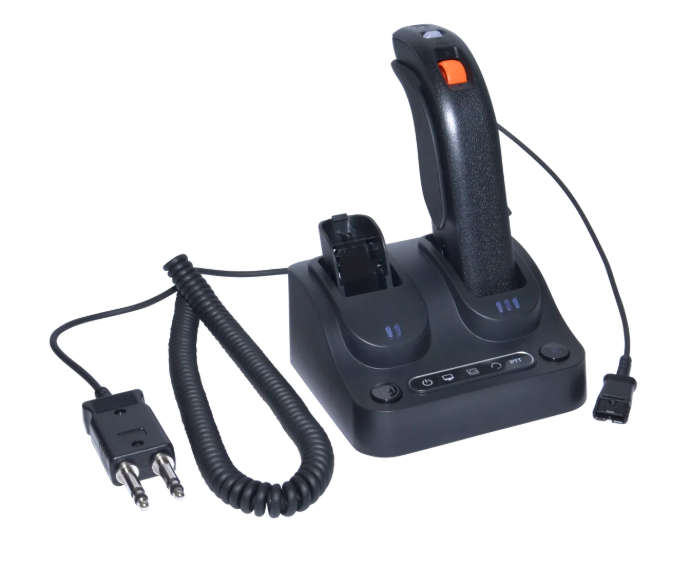
At a 911 center, push to talk is what separates the radio from the phone call in the same headset, and it's built into the amplifiers that go with our 911 dispatch headsets.
How does push to talk work?
Push to talk works by switching a device between two modes: receive and transmit. Pressing the button switches it to transmit, and releasing it switches back to receive.
Half-duplex: A connection where audio travels one way at a time. You can talk or listen, but not both at once. A phone call is full-duplex: both people can talk and hear at the same moment.
That one-way-at-a-time design is the whole point. On a radio channel shared by a dozen units, full-duplex audio would mean everyone's background noise in everyone's ear. With push to talk, you only hear the person who is transmitting, and the channel stays clear the rest of the time. It also means you can't hear an interruption while you're holding the button, so keep what you say short.
Where push to talk is used
You'll find push to talk anywhere a group shares one channel:
- Two-way radio: police, fire, EMS, construction, security and CB radio.
- Dispatch consoles: the dispatcher keys the radio to talk to units in the field.
- Air traffic control and aviation: pilots and controllers key the radio for every transmission. We cover the controller side in air traffic control headsets.
- Push to talk over cellular: phones and apps that behave like a walkie-talkie over the mobile network.
- Games and voice chat: a keyboard key that opens your mic only while held, so the team doesn't hear your room.
Push to talk at a dispatch console
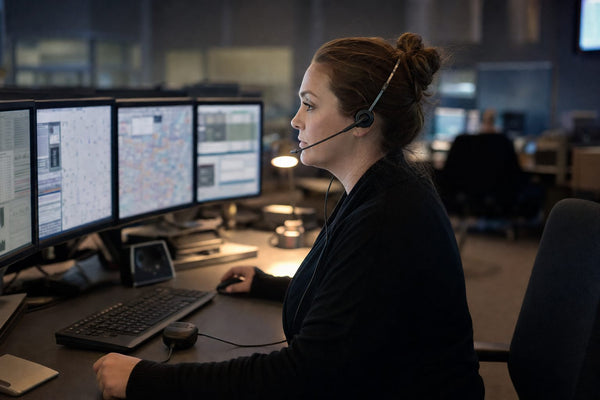
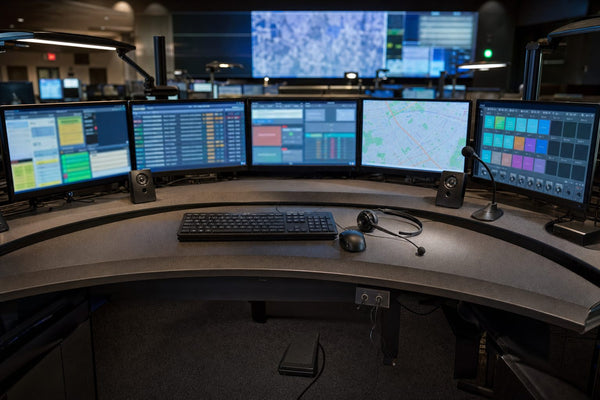
A dispatcher handles a phone call and a radio channel in the same headset, and push to talk decides which one hears them. The 911 call works like any phone call: open both ways. The radio only hears the dispatcher while PTT is held, so a caller's details can be relayed to a unit without the caller's audio going out on the radio.
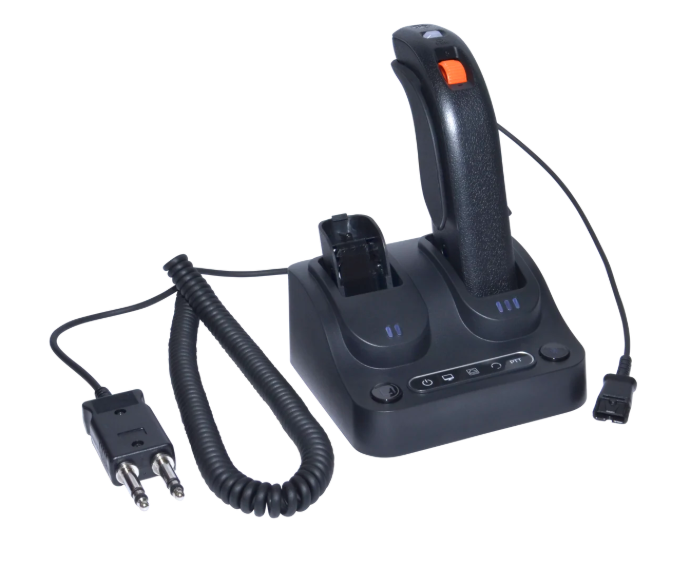
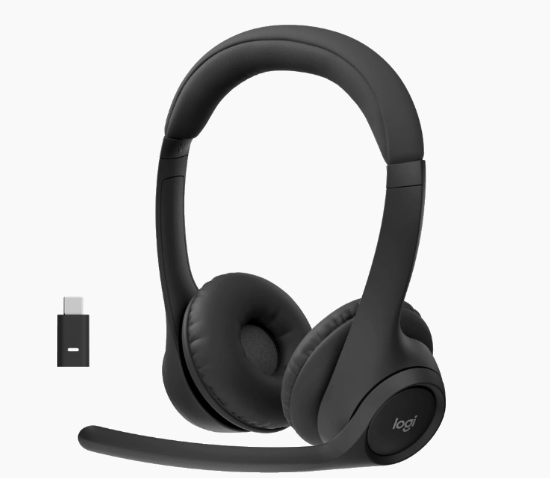
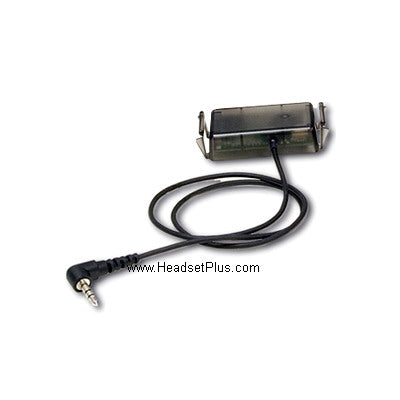
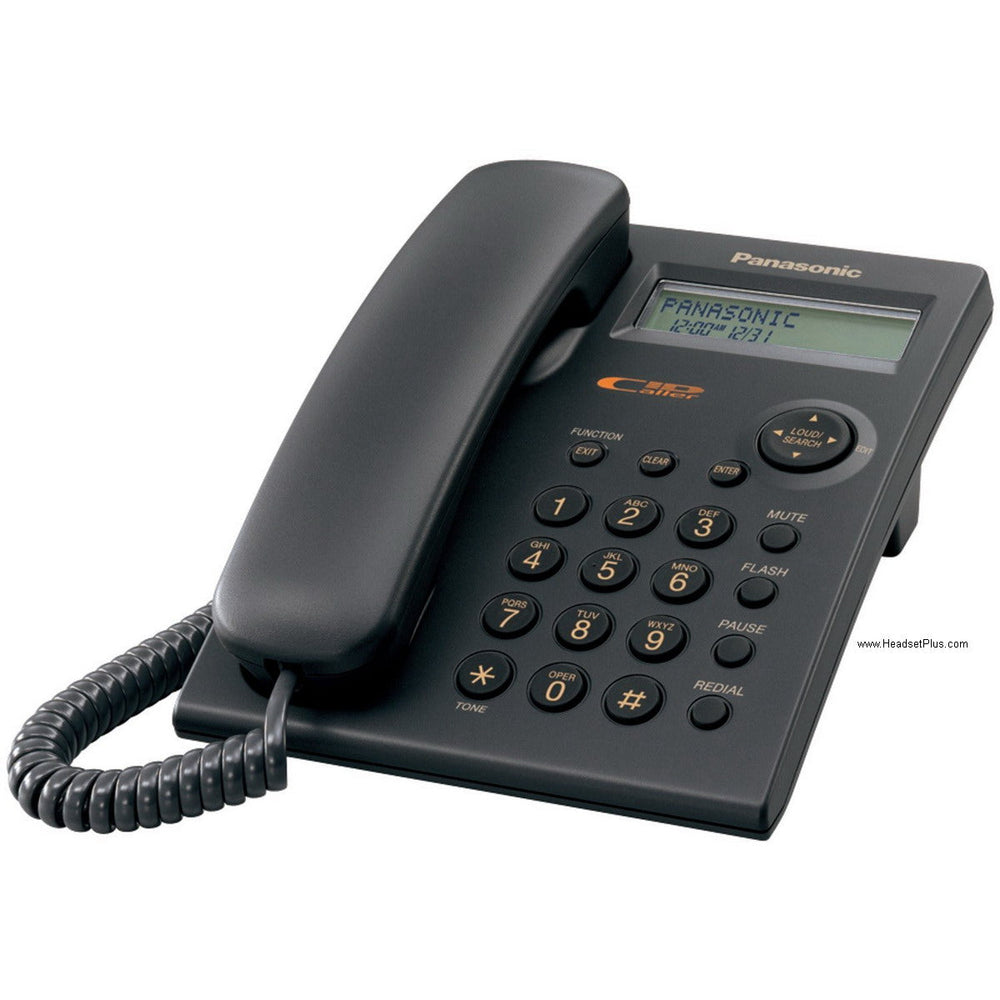
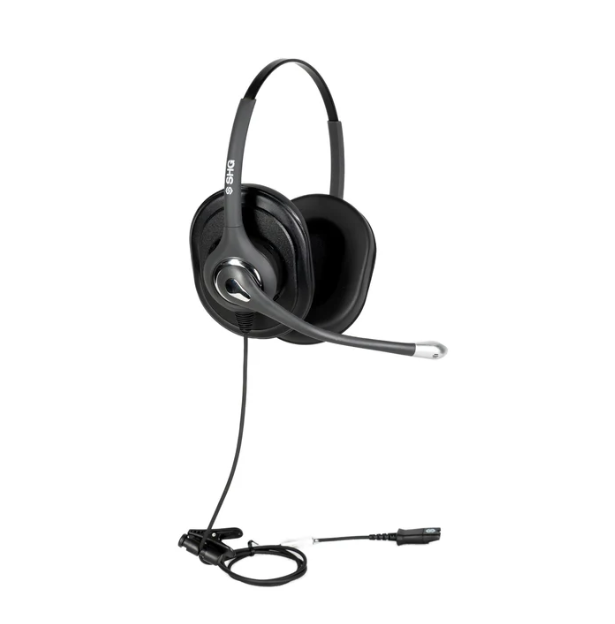
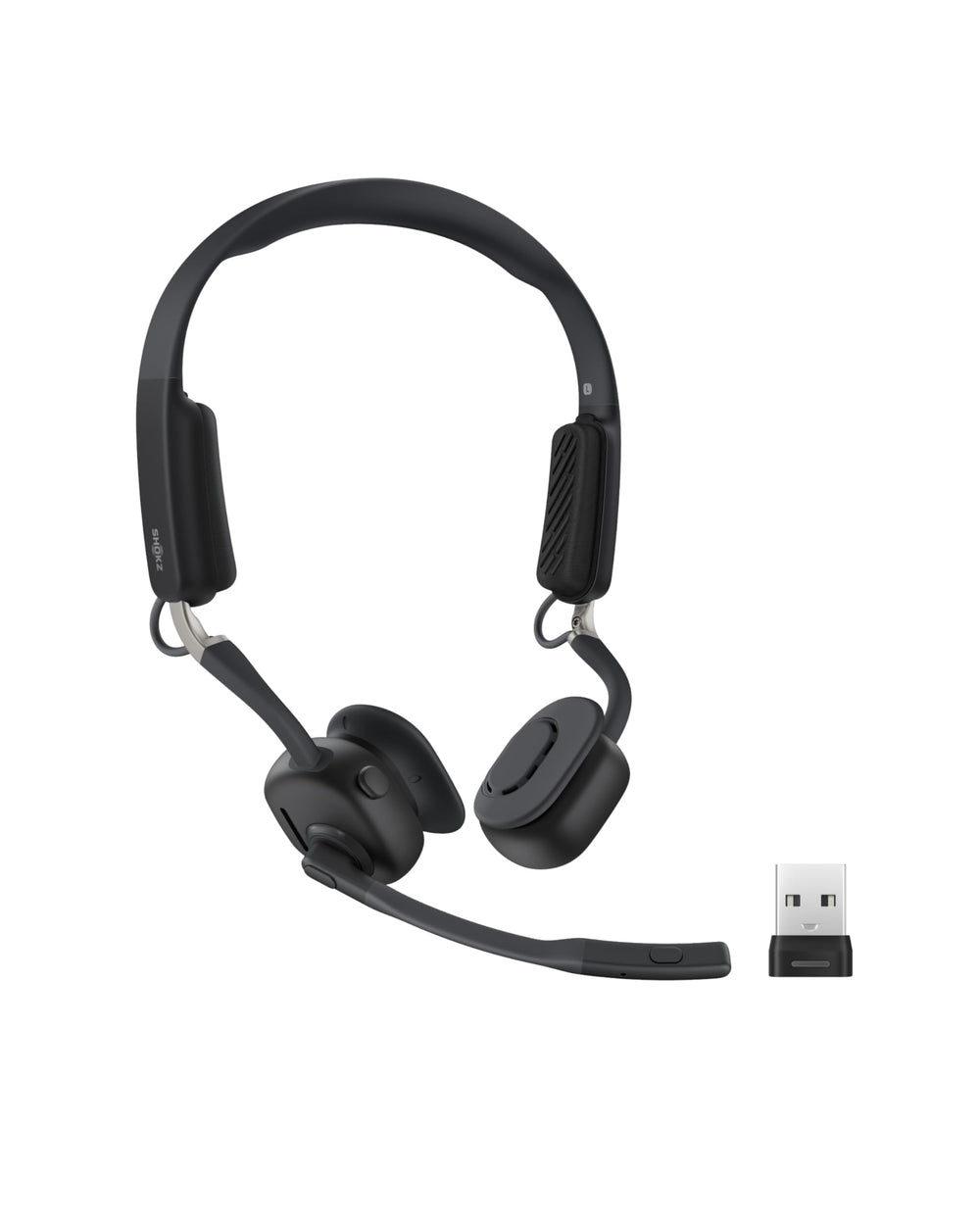
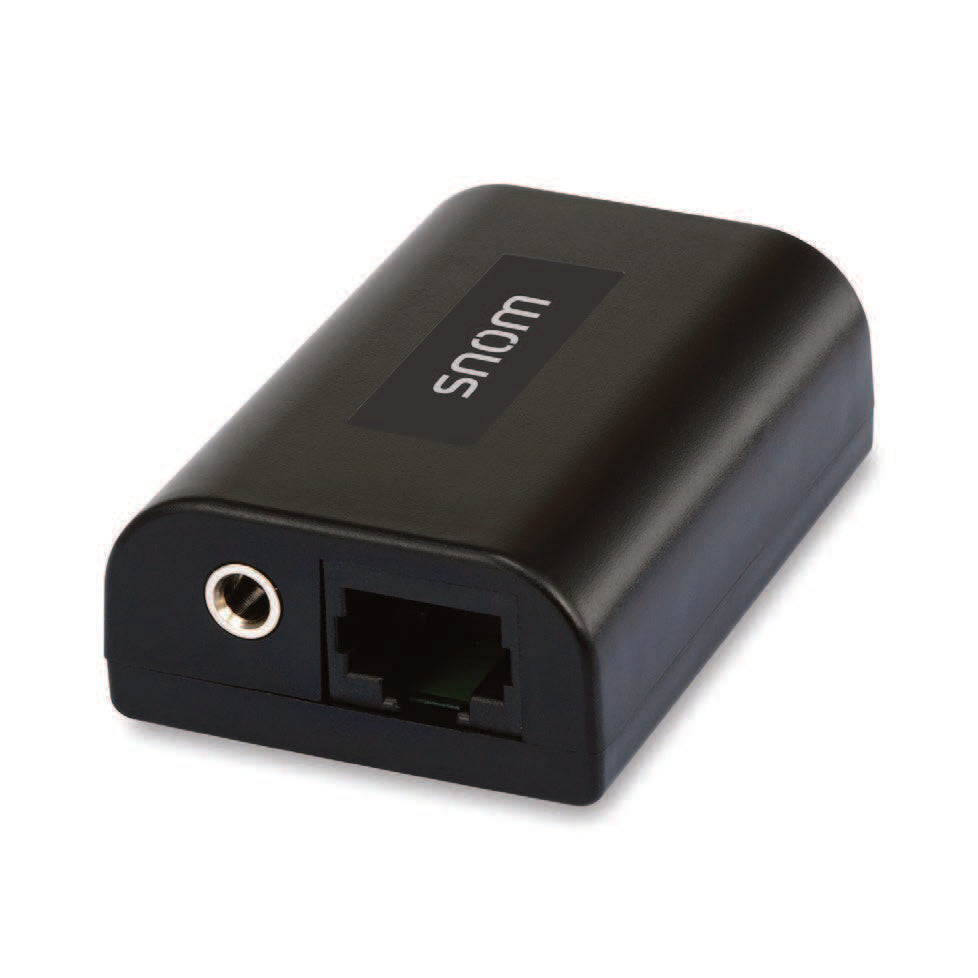
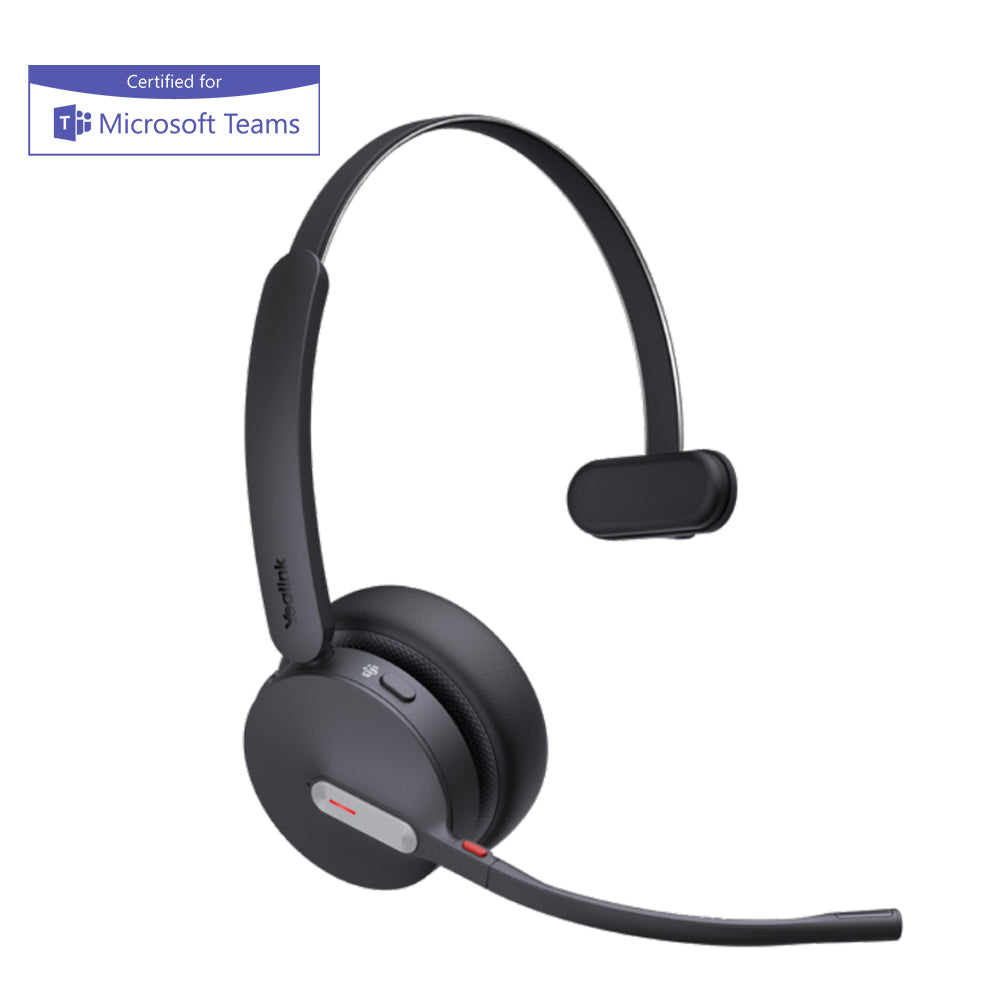
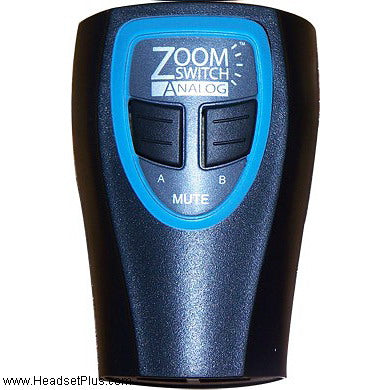
The button can live in several places: on the PTT amplifier's cord, on a footswitch under the desk, or on screen in the console software. Many dispatchers use a footswitch so both hands stay on the keyboard. For the full picture of the desk, see what equipment 911 dispatchers use. If you're looking for an adapter that adds push to talk to a desk phone or computer instead, our push to talk headset adapter guide compares them.
How to use push to talk
Using push to talk well is mostly about taking turns cleanly:
- Listen first, and wait until nobody else is transmitting.
- Know what you're going to say and who it's for before you press.
- Press and hold the button for the whole message, then release it.
- Keep it short, and end with "over" if your channel uses it, so others know the channel is free.
These habits come from standard two-way radio etiquette, and they matter more at a dispatch position, where a held button blocks every unit on the channel.
Push to talk vs voice activation (VOX)
Voice activation, often called VOX, opens the microphone automatically when it hears sound, so there's no button to press. It's handy when your hands are full, but anything loud enough can trigger it: a cough, a colleague, the room. That's why dispatch and aviation stay with push to talk, where the microphone only goes live when someone decides it should. Hearing your own voice in the earpiece while you transmit is a separate feature called sidetone, and what sidetone is explains how it helps.
Can people hear me when I'm not pressing the push to talk button?
No. With push to talk, the microphone only transmits while the button is held. When it's released, nothing you say goes out on the channel.
What does PTT mean on a headset?
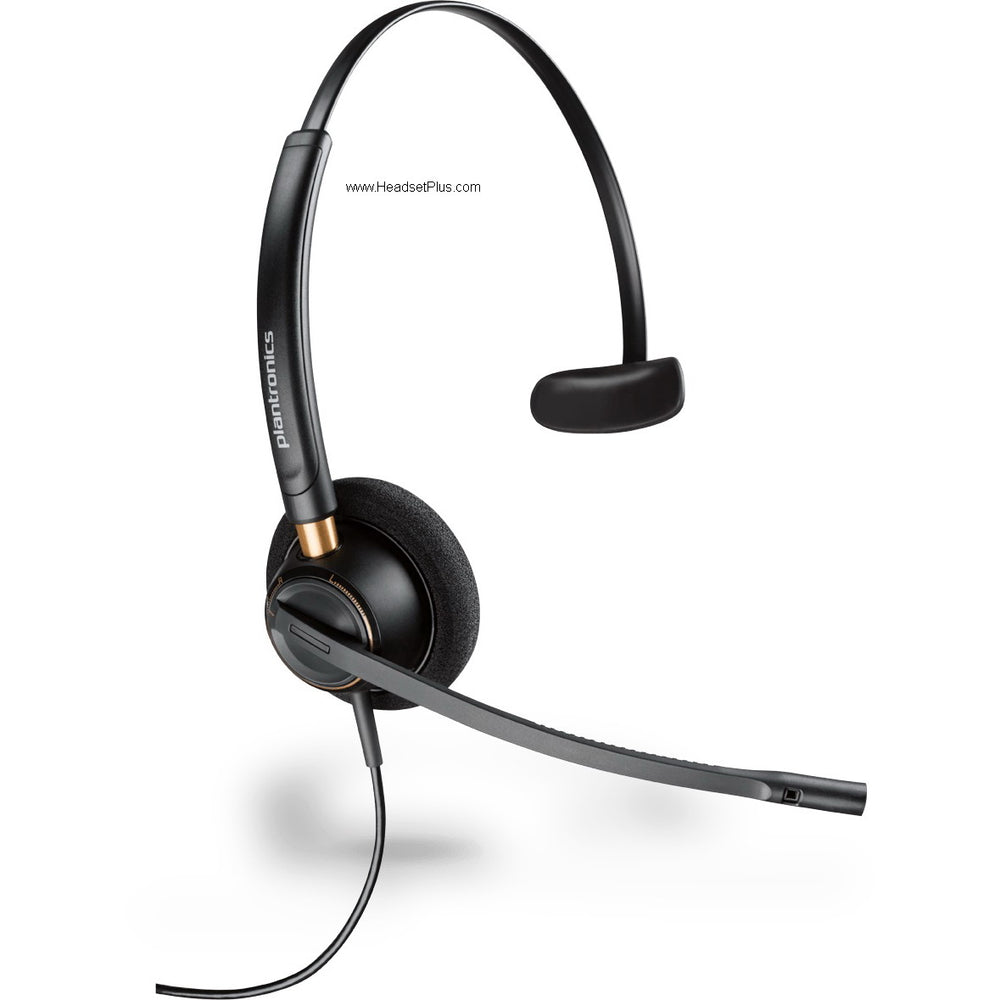
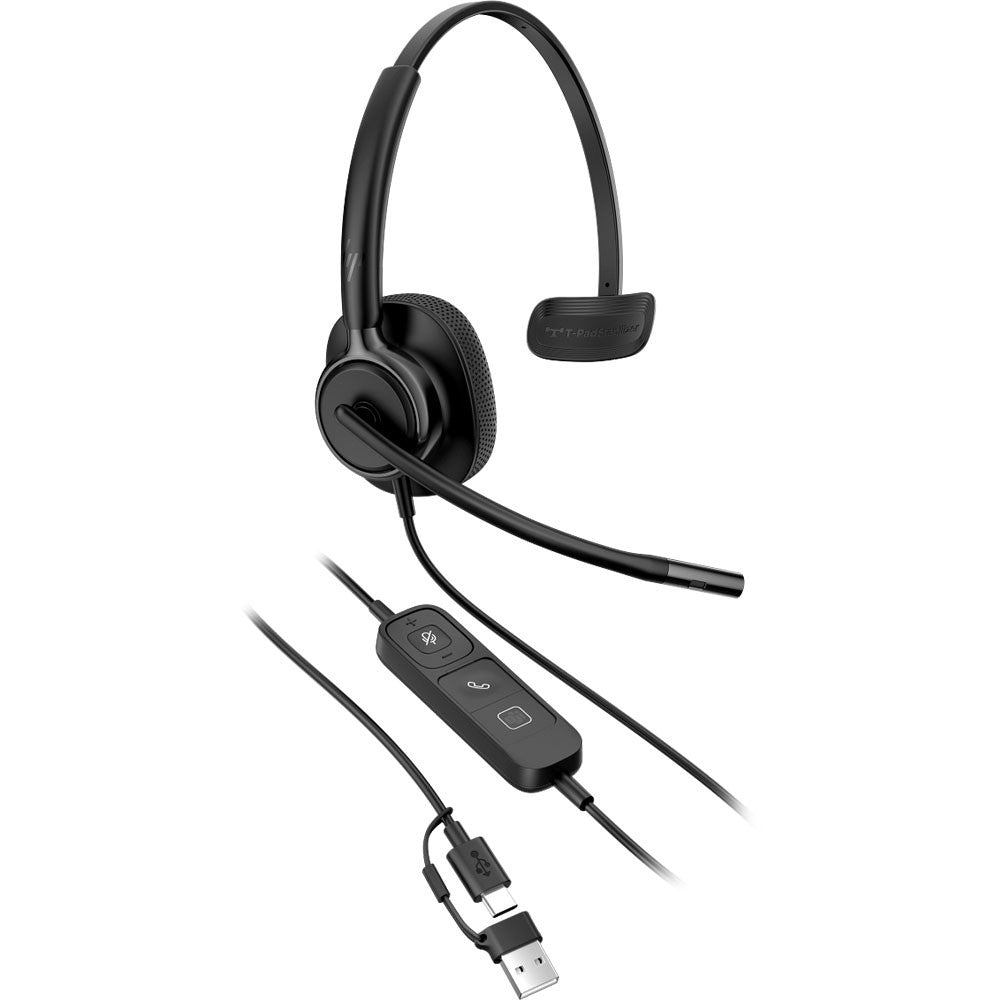
PTT on a headset means push to talk: a button, usually on the cord or amplifier, that turns the microphone on only while you hold it. Dispatch and radio headsets use it to key the radio.